


 by Tom Gurney
Tom Gurney BSc (Hons) is an art history expert with over 20 years experience
Published on June 19, 2020 / Updated on September 27, 2026
Email: tomgurney1@gmail.com / Phone: +44 7429 011000
Paul Klee works H–S
The H–S directory brings together pictures that look unlike one another: a Tunisian town in watercolour, paths built from bands of colour, a face divided into rectangles, a painted poem and late works made with paste colour on paper. They belong in an alphabetical finding aid because a reader may know one of their English names. They should not be mistaken for a single kind of “painting.” The Zentrum Paul Klee estimates that roughly four fifths of Klee’s oeuvre is on paper; the museum also stresses how often he tested sensitive colours, inks and supports.[1]
This directory is separate from Klee’s handwritten Œuvre-Katalog, the nine-volume printed Catalogue raisonné Paul Klee and the Zentrum Paul Klee’s continuing work database. The latter is available to researchers on site by appointment. An English tile label is a finding aid, not necessarily Klee’s own title. The H–S grid has 143 artwork tiles, including linked essays and shorter entries.[2][3]
Contents
- How to use the H–S directory
- Places that become structures
- Faces, masks and the question of a title
- Colour, writing and rhythm
- Works of the later years
- After browsing the grid
How to use the H–S directory
Start with the image and visible title, then follow a researched work page when one is linked. The work page gives the dated object record, owner, material evidence and interpretations with their sources. An unlinked card remains a browsing clue. Search for its original title, Klee’s year-and-number entry and an owning collection before relying on the caption. The adjacent A–G and T–Z directories continue the alphabet; the paintings guide gives a chronological and material route.[3]
One proven correction shows why this caution matters. The older H–S grid displayed both Hauptweg und Nebenwege and Highway and Byways. The Berlin museum’s bilingual checklist puts both names on one 1929 work, Klee 1929,90, then at Museum Ludwig, Cologne. Side-by-side inspection of the local pictures also found the same composition with different colour casts. The duplicate German-name tile was removed; the familiar English route remains, and the German title is stated on that work page. The older German URL still requires a separate redirect and inbound-link decision. Two names did not make two paintings.[3][8]
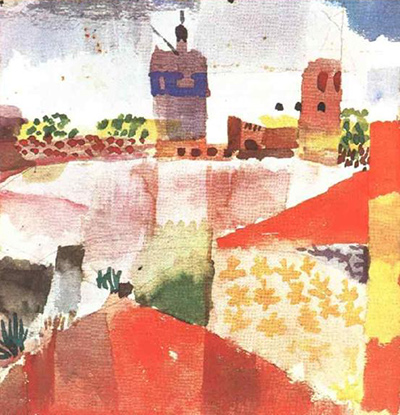
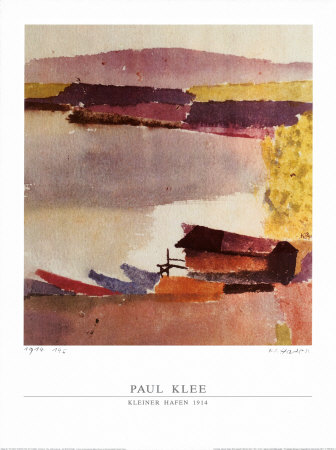
The problem is wider than direct translation. Hammamet with Its Mosque is the Met’s English title for a specific 1914 watercolour and graphite sheet mounted on card. Klee’s title and physical construction need to be read with the object and specialist account, rather than treating every place-name image from the Tunisia trip as a view made in the same way. In the Style of Kairouan identifies Bern’s 1914,211. A different, similarly titled Kairouan work is 1914,210 at LACMA. Their adjacent annual numbers make the distinction particularly important: a close English phrase cannot move one owner’s measurements or image to the other object.[4][5][6][7]
Places that become structures
The Met describes an identifiable mosque and town above translucent colour planes in Hammamet with Its Mosque. Roger Benjamin’s detailed study adds the physical joins and a topographic reading of the second tower as a former French military optical station. The separate facts matter together. What first appears to be an effortless colour revelation was also a shaped and reassembled sheet, made while Klee and his companions travelled through a place under French colonial rule. The Hammamet page follows the setting, the paper construction and the limits of Klee’s later “becoming a painter” account.[4][5]
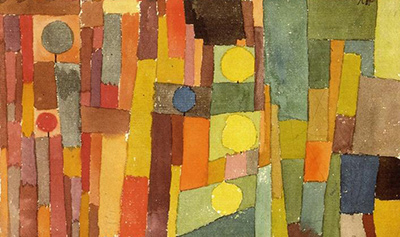
The Kairouan work takes a different route from place to image. Its original wording includes the idea of being “transposed” into a moderate mode. Coloured bands, blocks and small circular accents no longer map securely onto one gate or street. The Zentrum Paul Klee’s travel research and the Fondation Beyeler’s exhibition caption identify Bern’s small 1914 sheet; the distinct LACMA work should be used as a comparison, not substituted for it. French scholarship from the Tunis colloquium treats musical and textile analogies as later interpretations, with the textile link to Klee’s diary still unconfirmed.[6][7]
Highway and Byways is neither a direct map nor an interchangeable image of “abstract roads.” A broad vertical route rises among many narrower bands. Museum Ludwig’s object record and the Berlin checklist identify the 1929 canvas, while a museum-collaborative German account discusses its incised, worked surface. Spanish exhibition scholarship relates its varied strips to structural rhythm. Klee’s Egypt journey is useful historical context, but the painting should not be reduced to a claim that it copies a particular Egyptian field or monument.[8][9][10]
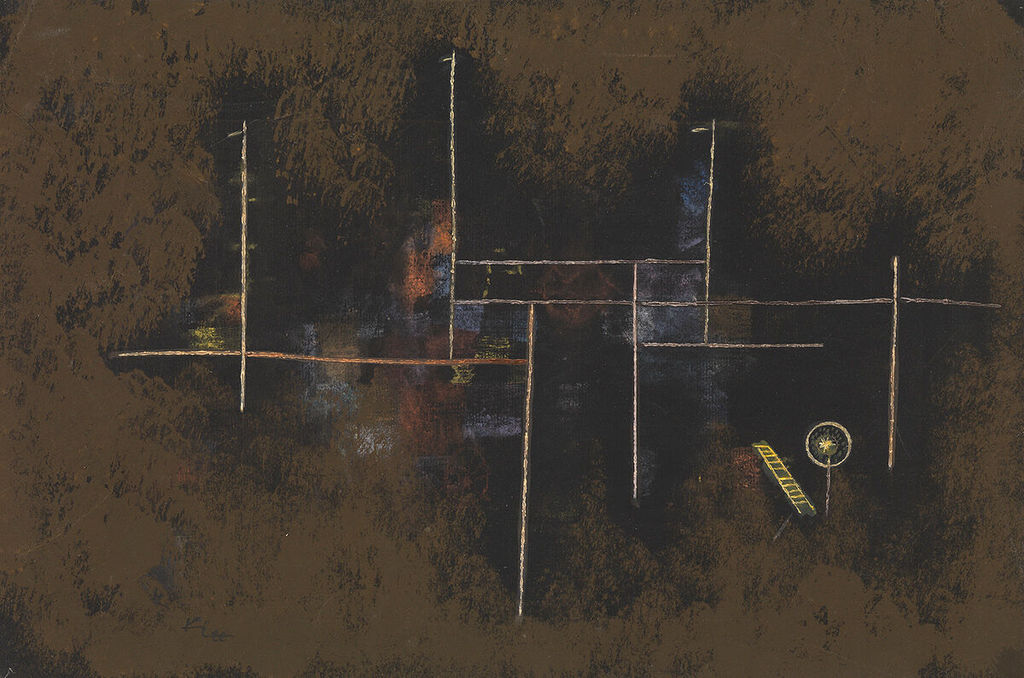
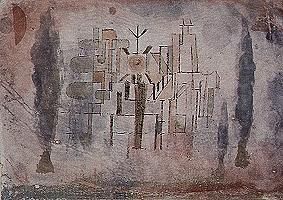
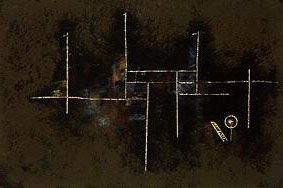
Three newly checked Bavarian collection tiles make the material difference especially clear. Hafenbild, 1918, is a small work of mixed media on fabric mounted on cardboard: its colour blocks and dark uprights have a harbour title, but the owner's support description prevents us calling it simply an oil canvas. Denkmal auf einem Friedhof (Monument in a Cemetery), 1922, uses a pale field, flanking dark tree forms and thin architecture; the owner lists cardboard, oil or tempera and a watercolour wash. The exact paint layering remains a technical question. Gerüst eines Neubaues 1930,41 (Scaffolding of a New Building) is instead gouache on paper. Its fine white scaffolding lines, small yellow ladder and dark ground visually match the inherited tile. The number in the German title is not a museum inventory number: the Bavarian record separately gives inventory 13338.[27][28][29]
The inherited unlinked tile In the Current Six Thresholds shows another way a stripe painting can be named. A Guggenheim-contributed image record identifies the German In der Strömung sechs Schwellen, 1929, oil and tempera on canvas, accession 67.1842. The local tile visually matches a derivative of that museum-contributed image. The title makes a current and thresholds available as ideas, while the picture’s bands and interruptions remain the visual evidence. Its old detail-page route is not being revived merely because this tile has a sound image match.[11][3]
Faces, masks and the question of a title
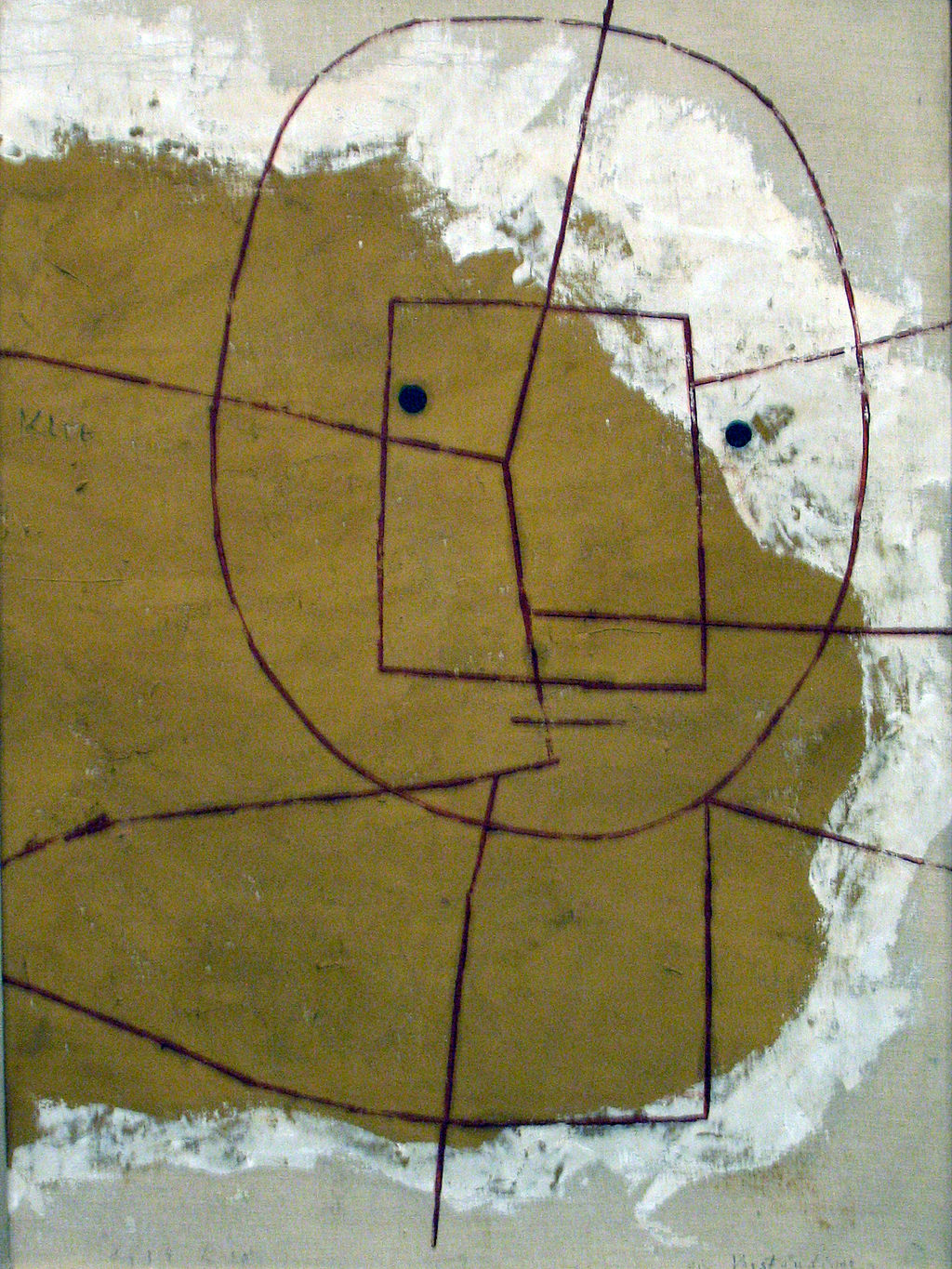
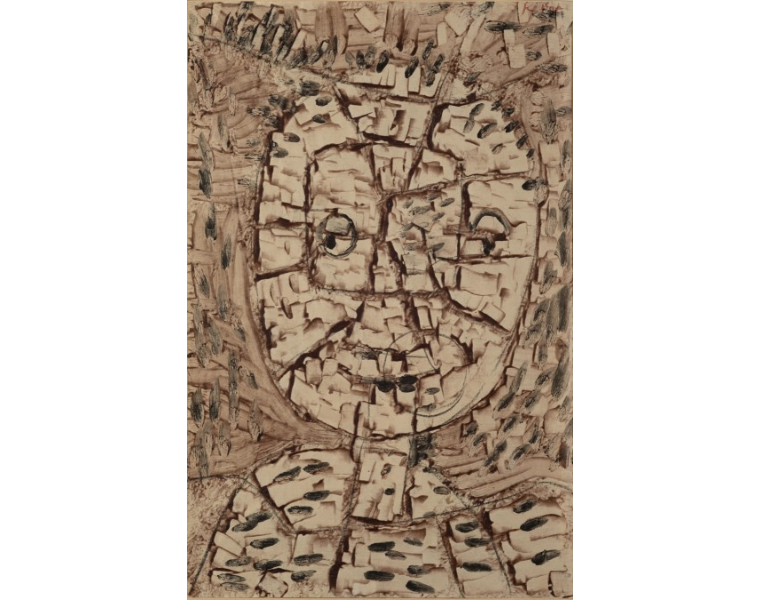
The most familiar H–S face is Senecio, 1922. Basel calls it Senecio (Baldgreis) and records oil on a chalk ground on gauze on cardboard. Its German exhibition account also explains the botanical Senecio association. Translating Baldgreis as “senile man” alone loses the plant name and makes an unwarranted diagnosis out of a title. The divided round face and misaligned eyes invite comparison with masks and theatre, but the Basel object record gives the work’s physical and naming anchors first.[14]
Mask of Fear is a much larger 1932 oil on burlap at MoMA. The 2026 Jewish Museum checklist gives its German title Maske Furcht and Klee number 1932,286. The head on thin legs can suggest a mask that has become a whole creature. Later scholars and museums have compared it with an A:shiwi Ahayu:da, theatrical forms and the politics of the period. Those are historically important readings, but a comparison is not evidence that Klee copied a particular sacred figure or painted a known event in advance. The dedicated page distinguishes the object, the 1984 display controversy and the limits of the political interpretation.[12][13]
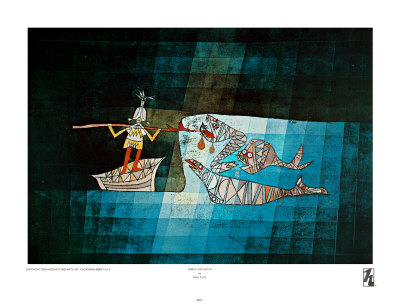
Across the adjacent A–G directory, the Comic Opera Singer tile has been matched to Munich's Sängerin der komischen Oper, 1927, tempera on cardboard. Its line-drawn performer has a wide hat and raised arms against a dark field. This is a theatre title and a visible figure, but the owner record does not document a named singer or production. It can sit beside Senecio and Mask of Fear as another invitation to look at Klee's performers, without turning their different faces into one fixed iconographic series.[30]
Other H–S faces require the same discipline on a smaller scale. The old Irma Rossa the Animal Tamer tile is an exact binary match to a documented Commons file. The Berlin museum’s 2008 checklist identifies Irma Rossa die Bändigerin, 1918,162, as watercolour and pen on paper, then at Sprengel Museum Hannover. This is a firmer identity than the English caption by itself, although a current Sprengel object transcription and the old route remain to be checked. It is one confirmed picture-source pairing within a much larger inherited grid.[22][3]
Colour, writing and rhythm
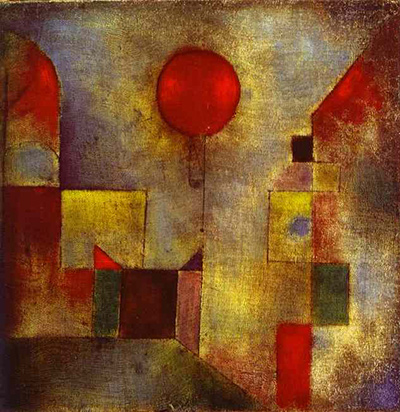
New Harmony and Red Balloon are both Guggenheim works, but the shared owner and a readable English title do not make them a pair in technique or date. Red Balloon is a small 1922 image in which a red circle allows a townlike arrangement to be seen as a balloon scene. The museum’s educational record gives the object, dimensions and qualified account of its technique. New Harmony, 1936, is a taller oil painting whose blocks change their relation across a grid. Guggenheim’s discussion of mirrored colour and twelve-tone music is an attributed interpretive proposal, not a score encoded in every square.[15][16]
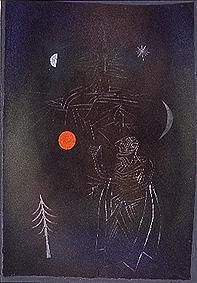
Two more verified Bavarian tiles put very different marks around the idea of thought. Gelehrter im Umgang mit Gestirnen (Scholar in Dealing with Stars), 1926, sets a thin figure, orange disk, pale crescent and star on a dark sheet; the owner calls the support laid paper and leaves tempera as a question beside watercolour. Grenzen des Verstandes (Limits of Reason), 1927, is tempera on canvas: a brown disk hangs over a faint, angular construction on a pale field. Their titles invite a cosmic or intellectual reading, but neither object record supplies a single decoded programme. The local images were visually matched to the owner images before the original titles were attached to the tiles.[31][32][3]
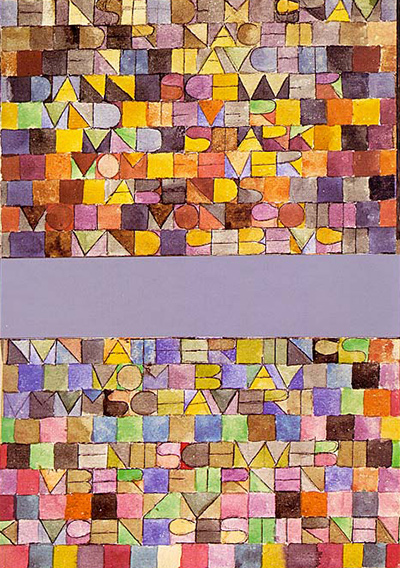
In Once Emerged from the Gray of Night, 1918,17, letters make the viewer alternate between seeing coloured units and reading a poem. The Berlin checklist identifies a watercolour, pen and pencil work on paper mounted on cardboard in Bern. A German Zentrum Paul Klee synopsis says the text’s external source is unknown and Klee’s authorship is probable. The picture’s two presentations of words and its grey-silver division belong to the full object; a small tile cannot carry the complete reading experience. The work page follows the poem, material construction and uncertainties in the surviving accounts.[8][19]
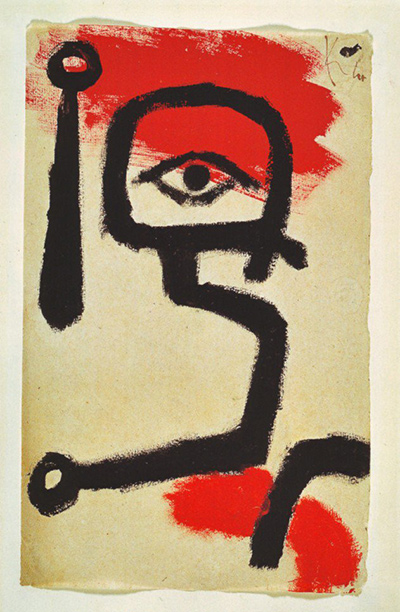
The question of music is equally specific. Klee played the violin and used musical terms in titles and teaching, as the Zentrum Paul Klee’s German and English guides describe. That context helps readers approach New Harmony or the late unlinked Kettledrummer, but it does not turn every grid or rhythmic mark into an identified composition. A 2026 Jewish Museum exhibition label names the latter Paukenspieler, 1940,270, coloured paste on paper on cardboard, held by the Zentrum Paul Klee. The local tile image has not yet been matched to an owner image. The site's music guide is a topic route outside this artwork grid.[24][15][3]
The unlinked Persian Nightingales tile has a firmer match: its three birds, pink rose, blue stars and handwritten title correspond to the National Gallery of Art’s Persische Nachtigallen, 1917,92, accession 1990.59.2. The NGA records gouache, watercolour, pen and black ink over graphite on laid paper, mounted on cardboard; it also cites the printed catalogue raisonné as no. 1776. Its proposed connection with Hafiz and Goethe is the museum’s interpretation, not a documented statement of Klee’s reading for this sheet. The NGA marks this particular object image public domain.[26][3]
Works of the later years
Insula dulcamara is a wide 1938 picture at the Zentrum Paul Klee, recorded as oil and coloured paste colour on newsprint mounted on jute. Its Latin title is often rendered “Bittersweet Island.” Broad black signs may suggest a shore, a figure or writing, yet neither the title nor a resemblance settles their meaning. MoMA’s historical catalogue reports the Calypso-island association as a suggestion; later competing attempts to decode the signs remain interpretations. The full page keeps the owner’s material account ahead of any single solution.[17][18]
Still Life with Gladioli is a 1932 work at the Miyagi Museum of Art. Its Japanese collection records agree on the identity but disagree on a technical word: a 2006 checklist says watercolour and white chalk, whereas recent lists say watercolour and ink. That difference should not be polished away in an index caption. The work page follows the museum’s title, inscription and changing descriptions, and looks at how the bouquet is built from colour rather than assuming a conventional vase study.[20]
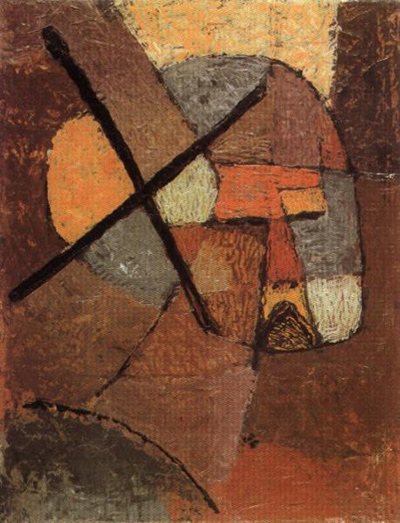
Struck from the List is Klee’s von der Liste gestrichen, 1933,424. A dark X crosses a small face. Berlin’s checklist establishes the object number; 2026 museum exhibition texts place it within the political and personal rupture of that year. The timing matters: Klee made this work in 1933, while later seizures from German museums belong to a subsequent chapter. The crossed-out figure can be read as self-directed or more general; the title and documented chronology carry the argument more securely than claiming an undisputed self-portrait.[8][21]
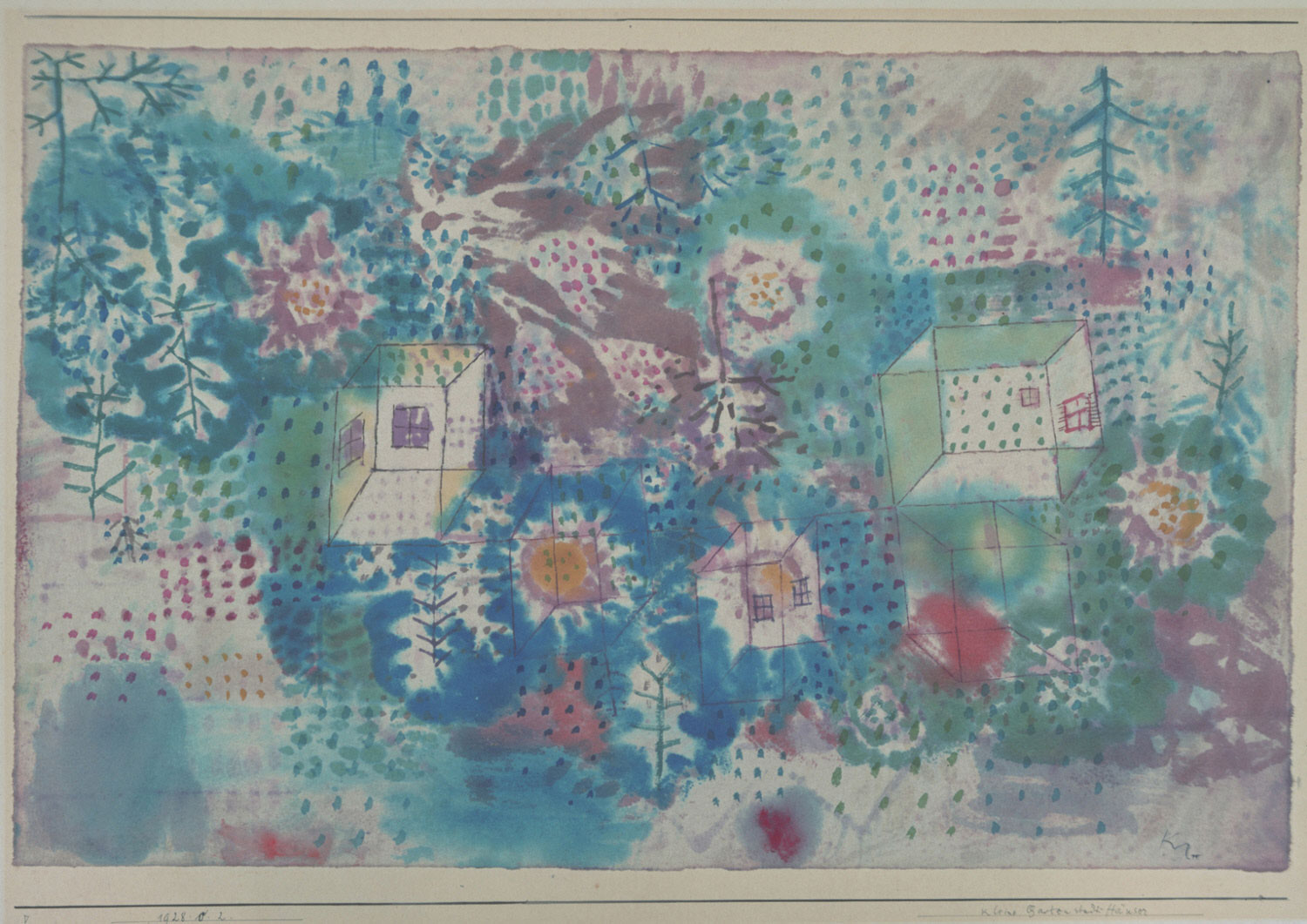
The unlinked Howling Dog, 1928, is another case where an old tile now has a stronger object anchor. Its image visually matches a Minneapolis Institute of Art source image, accession 56.42; the museum-supplied description draws attention to the visible howl between dog and moon. Its German title and Klee annual number still await a direct owner or catalogue transcription. The similarly unlinked New House in the Suburbs has an exact-title local image whose painted house agrees with the National Gallery of Art’s object description. These checks improve two entries without turning their retired detail-page routes into finished researched pages.[23][25][3]
The grid combines linked essays and shorter catalogue entries. Follow a linked title for the full work page, and consult the owning museum record when an object’s identity needs closer study.[3]
See all Paul Klee artworks
Explore the theme: Klee and music.
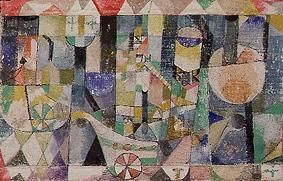
Hafenbild
Original: Hafenbild (1918); Bavarian State Painting Collections 14230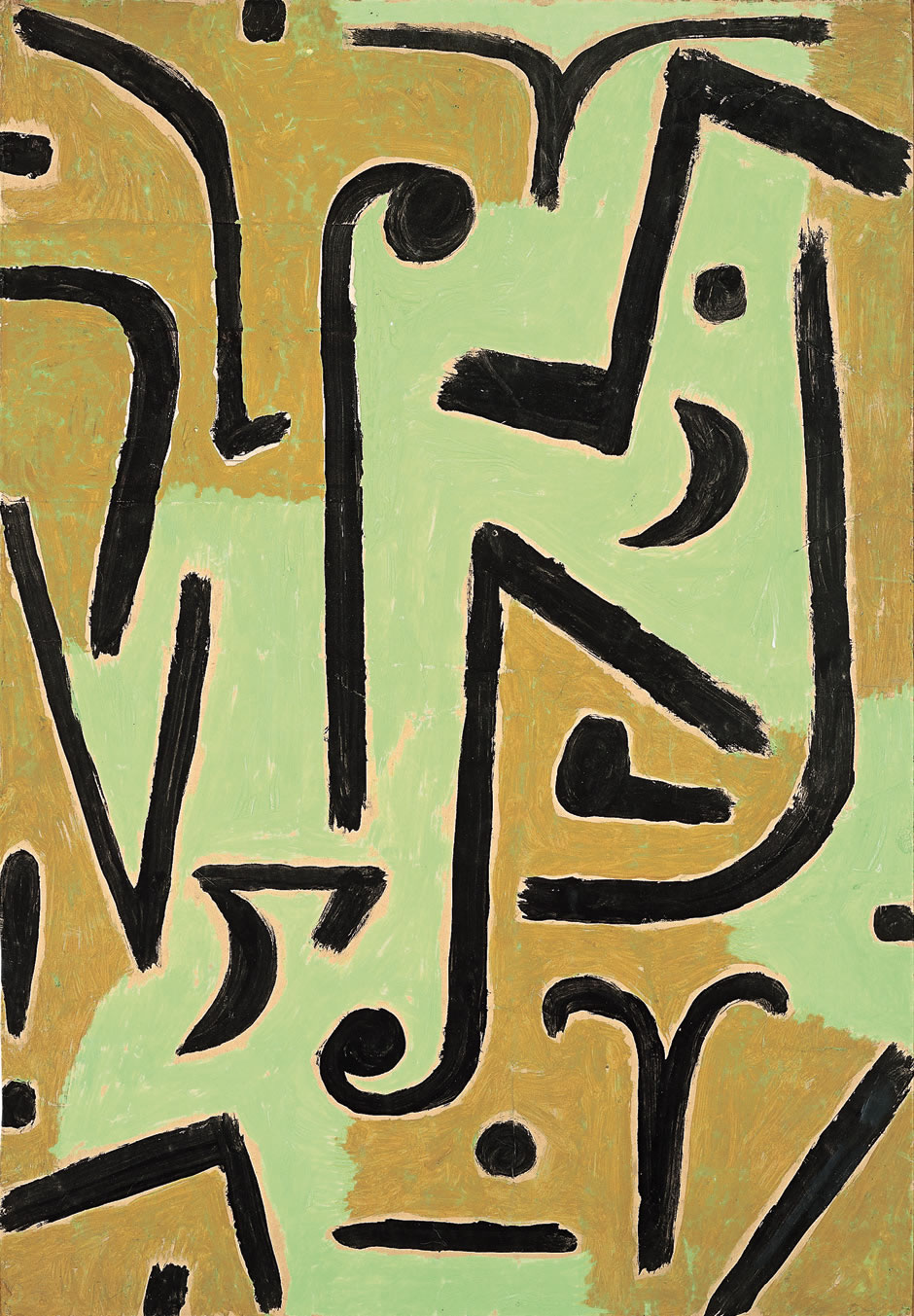
Halme
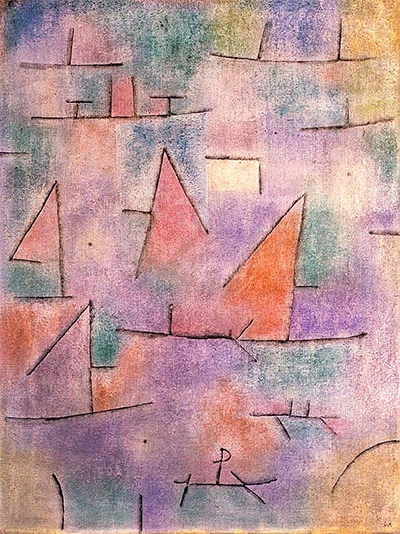
Harbour with Sailing Ships
Hafen mit Segelschiffen · 1937, 2.II · Centre Pompidou, Paris · owner record
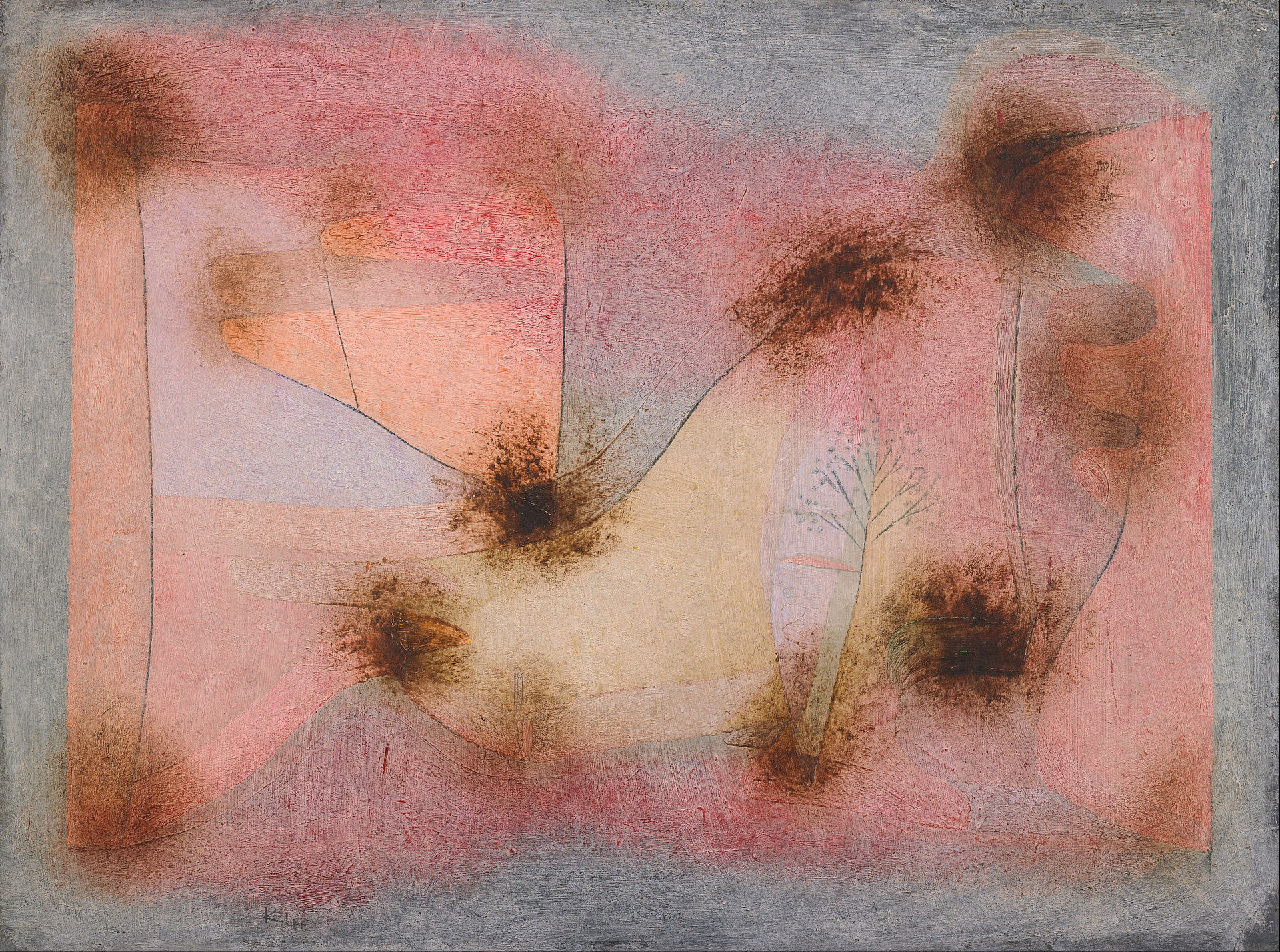
Hardy Plants
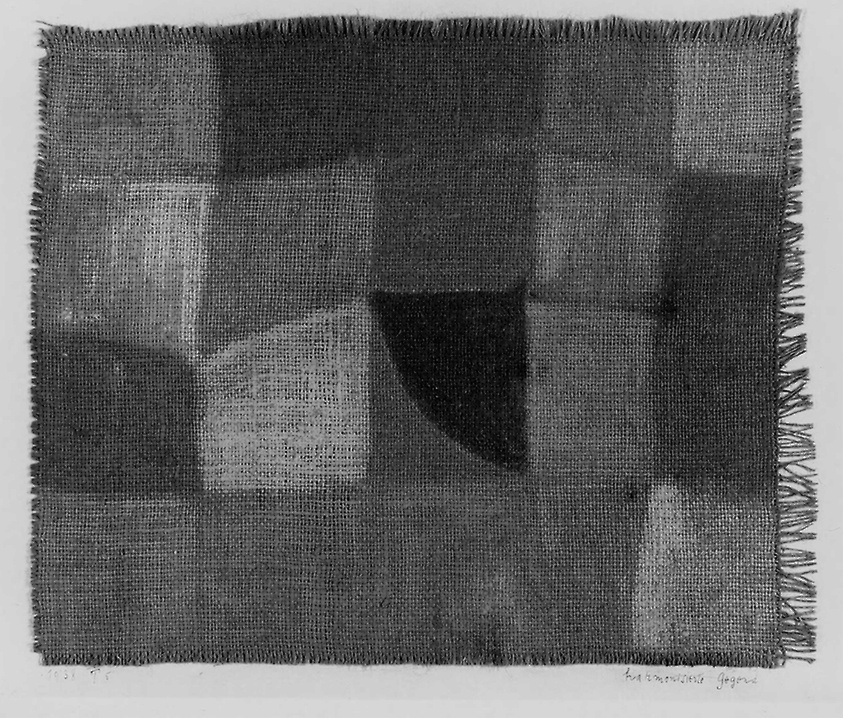
Harmonized Region
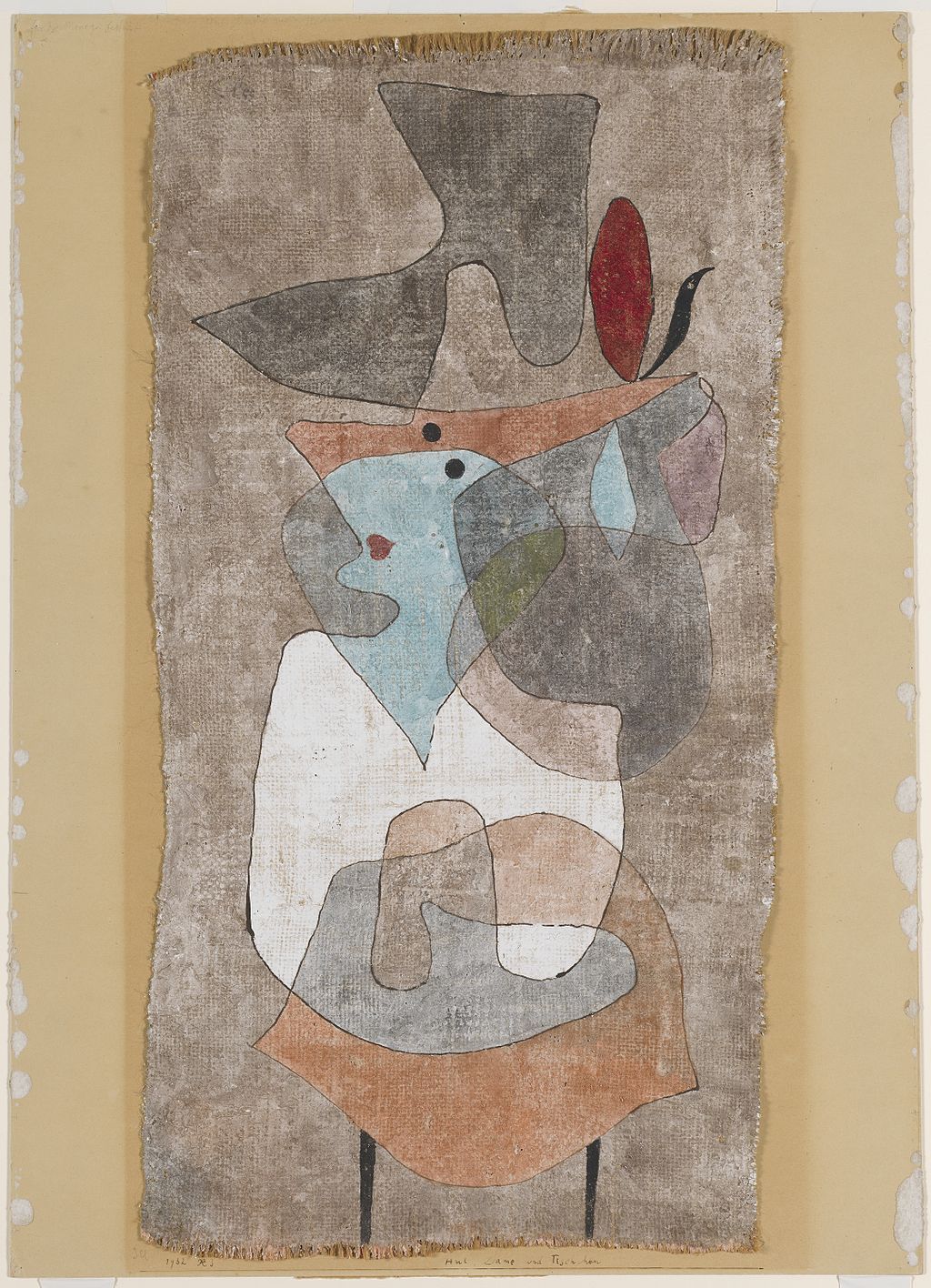
Hat, Lady and Little Table
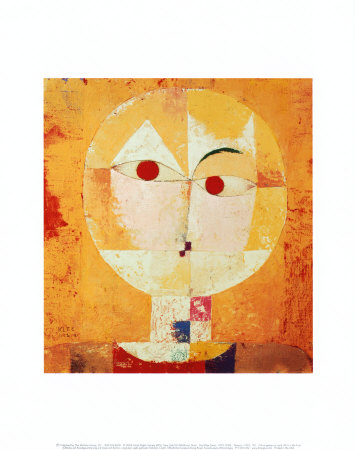
Head of Old Man
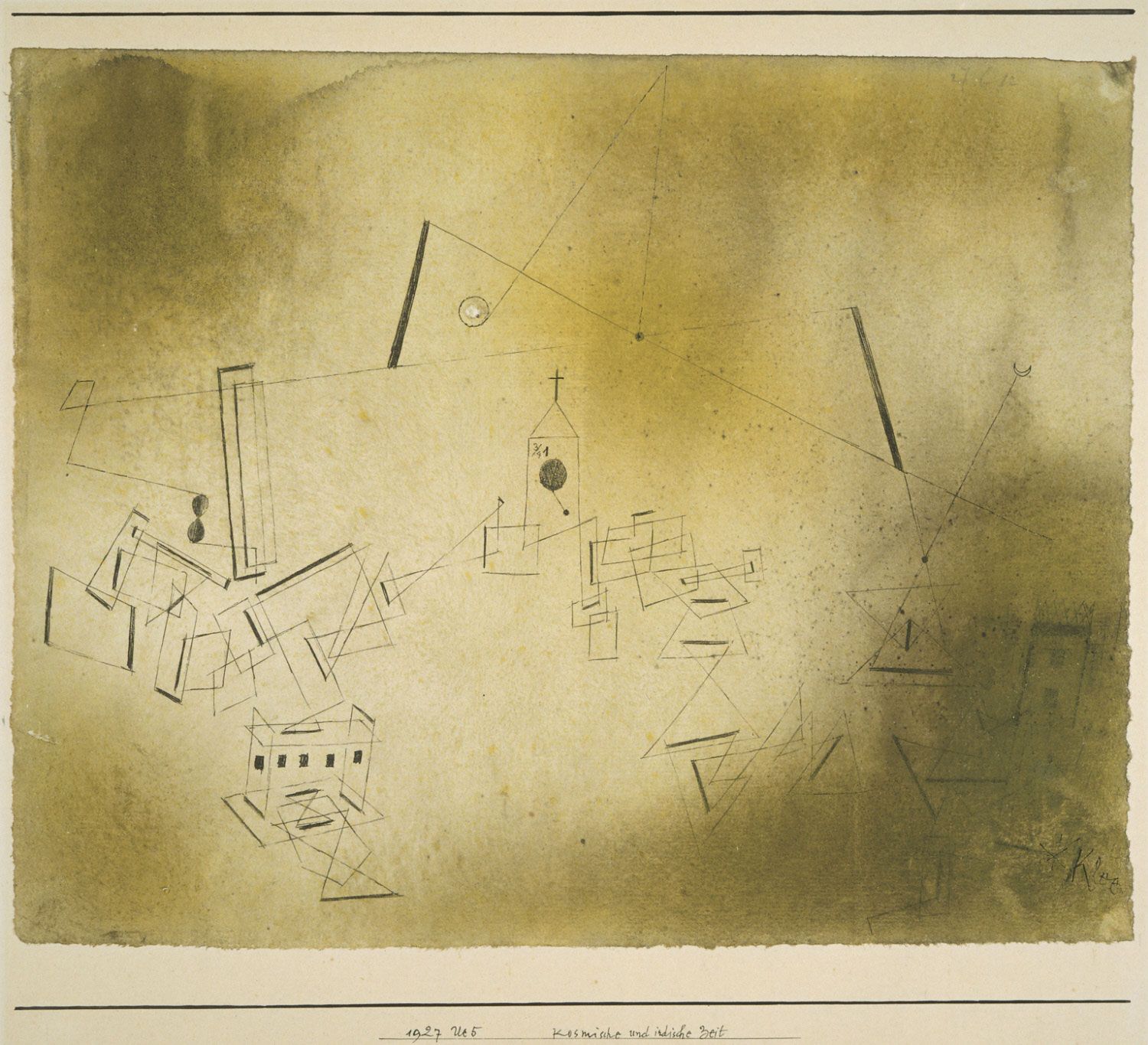
Heavenly and Earthly Time
1927 · Philadelphia Museum of Art 1950-134-117 · object record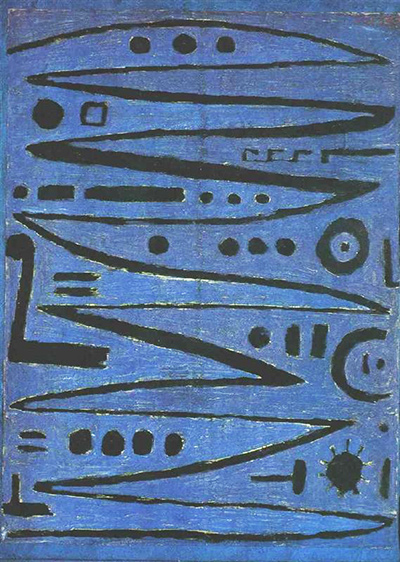
Heroic Fiddling
Heroische Bogenstriche · 1938 · MoMA 958.1979 · owner record
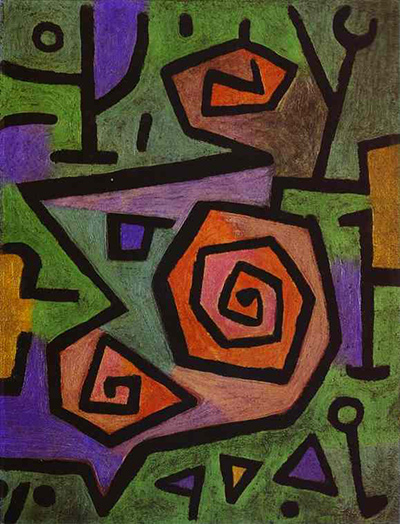
Heroic Roses
Heroische Rosen · 1938,139 (J 19) · Kunstsammlung NRW 0046 · owner record
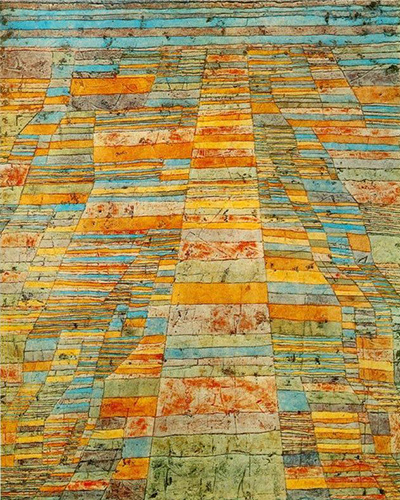
Highway and Byways
Also: Hauptweg und Nebenwege (1929,90)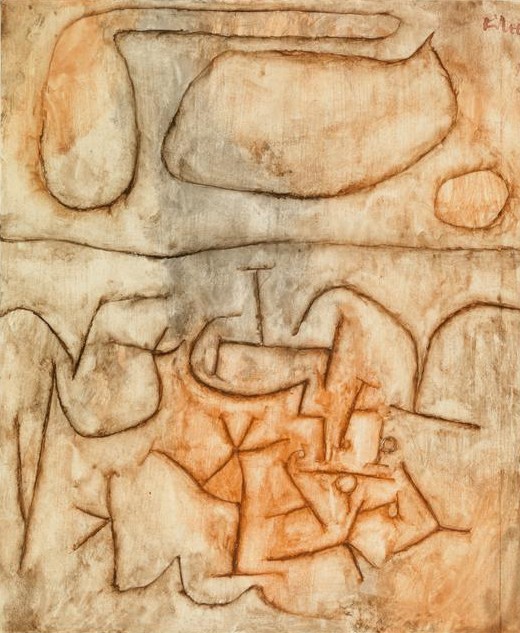
Historic Ground
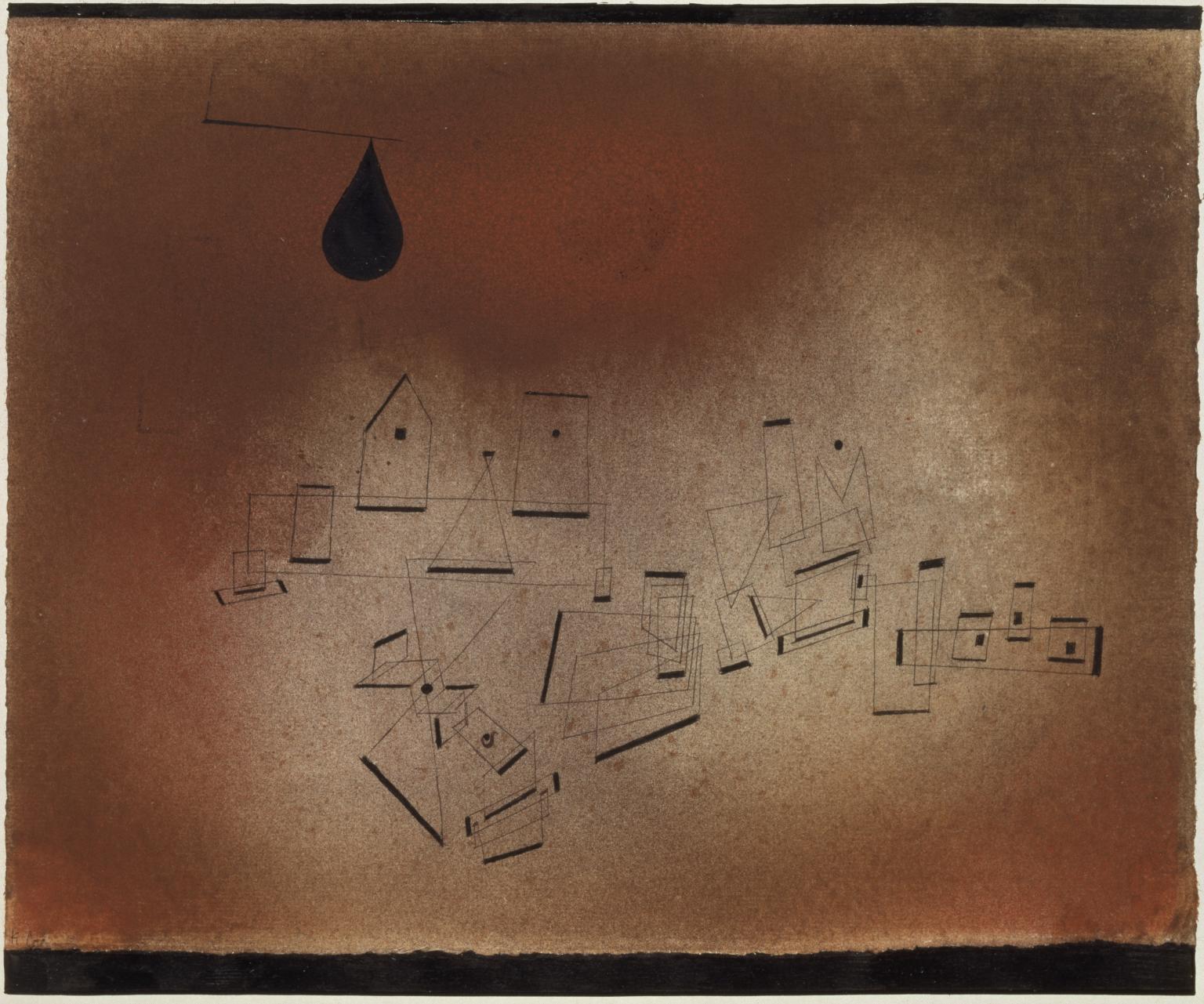
Historical Site
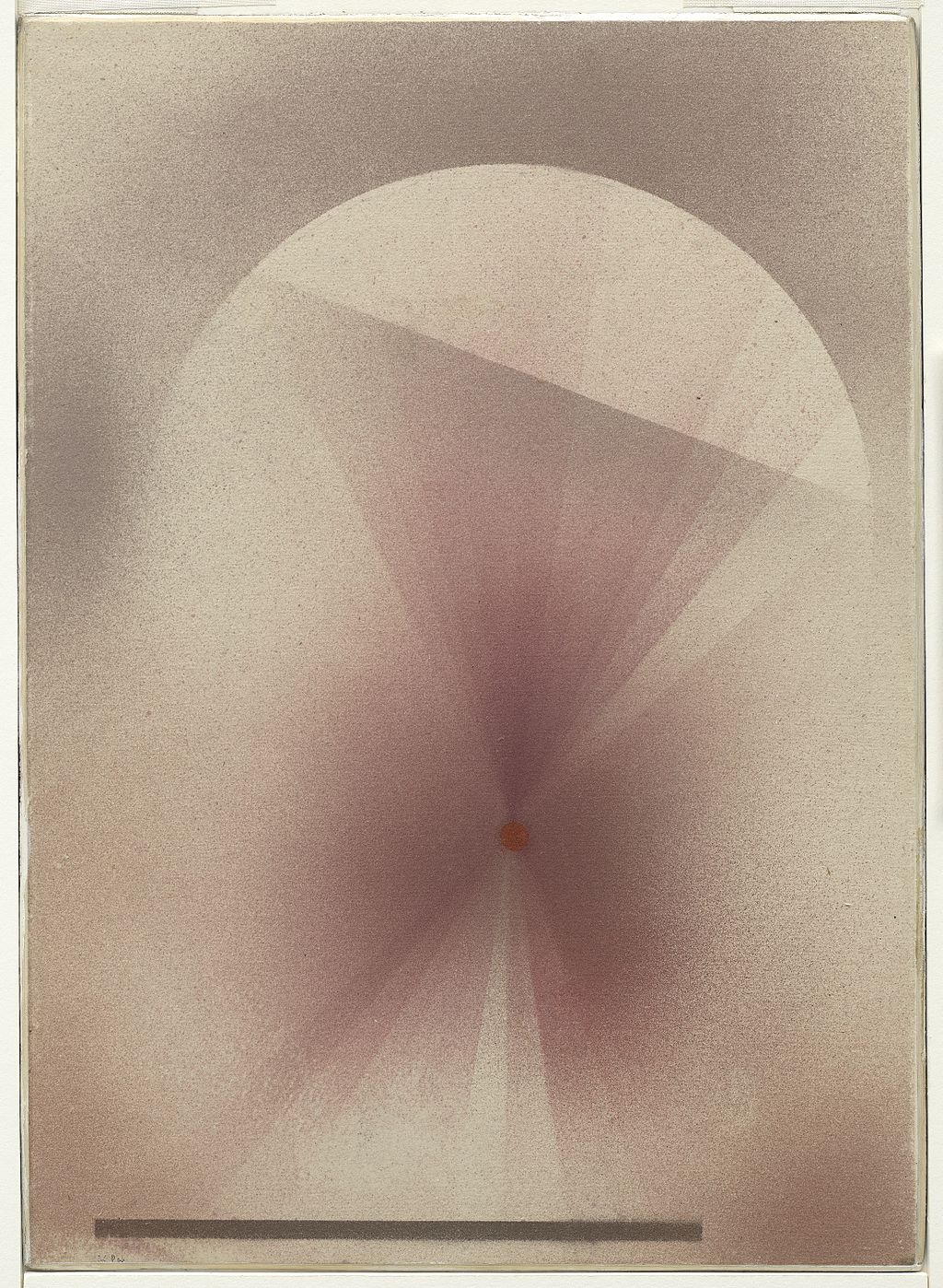
Horizon, Zenith and Atmosphere
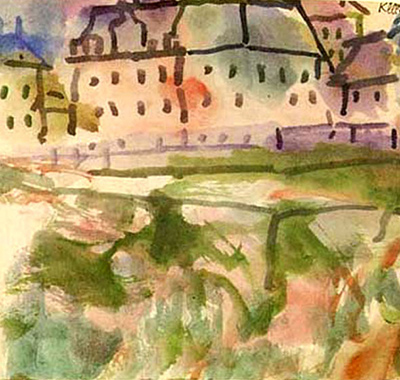
Houses near the Gravel Pit
Häuser an der Kiesgrube · 1913,43 · watercolour · research source
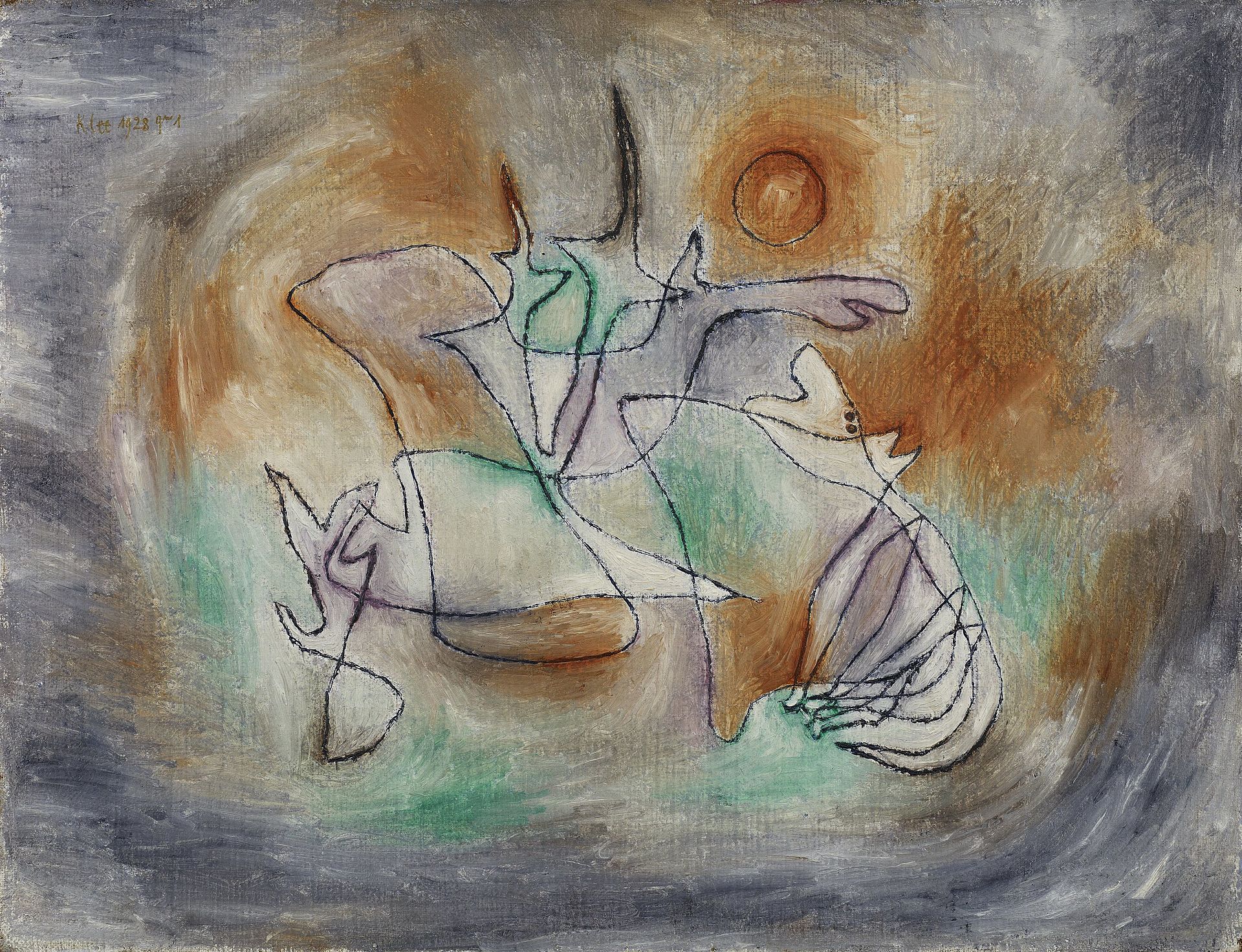
Howling Dog
1928; Minneapolis Institute of Art 56.42; Source record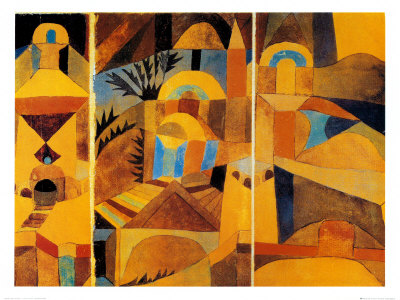
Il Giardino del Tempio
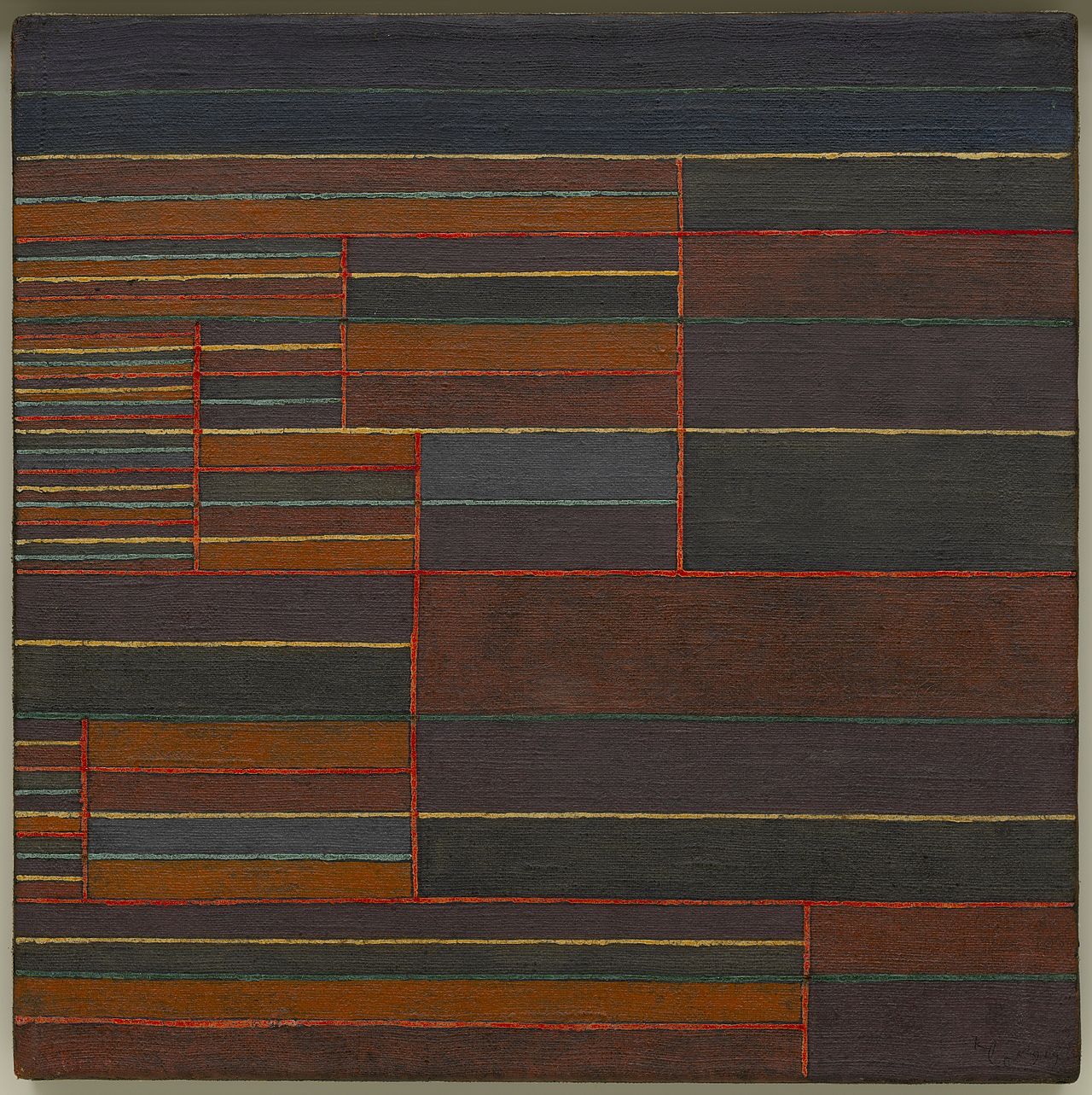
In the Current Six Thresholds
Original: In der Strömung sechs Schwellen (1929); Guggenheim 67.1842; Source record
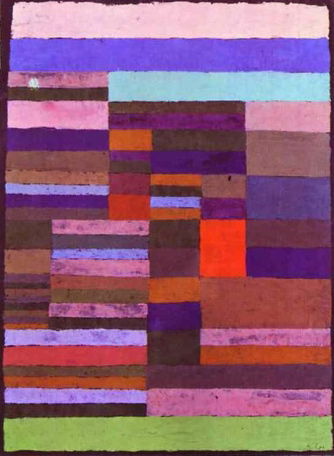
Individualized Altimetry of Stripes
individualisierte Höhenmessung der Lagen · 1930,82 · pastel and paste-bound colours · Zentrum Paul Klee
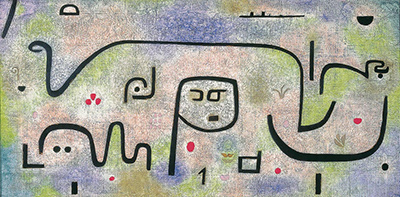
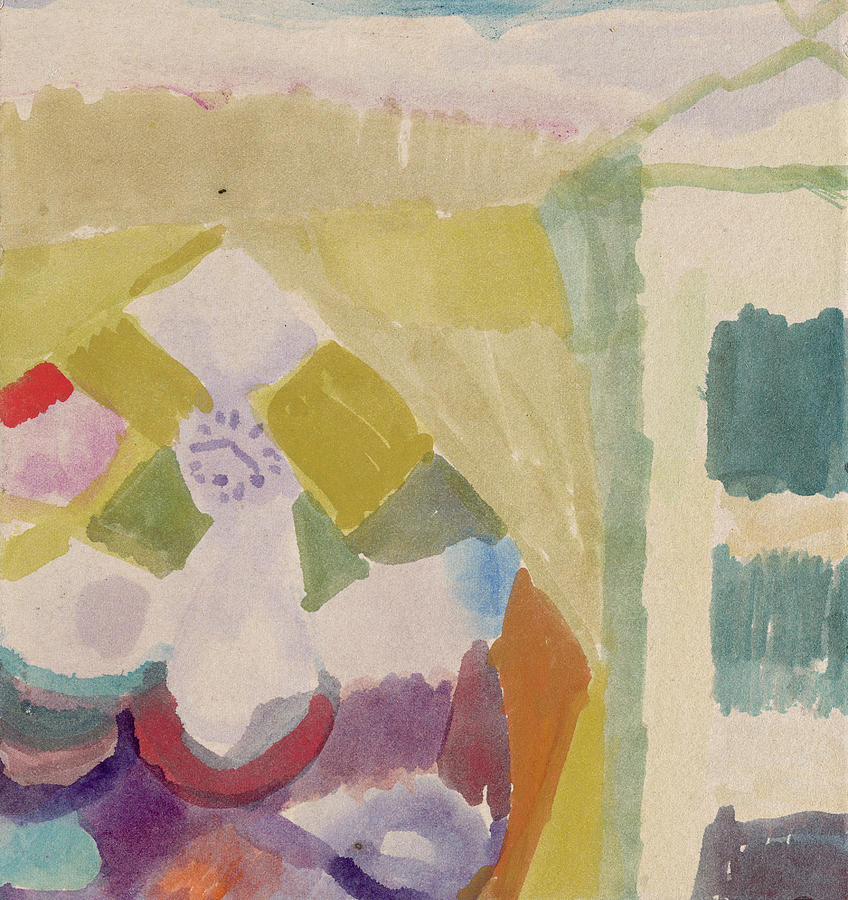
Interior with the Clock
Original: Interieur mit der Uhr (1913); NGA 2014.18.24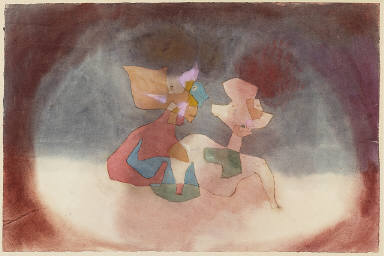
Into the Cave
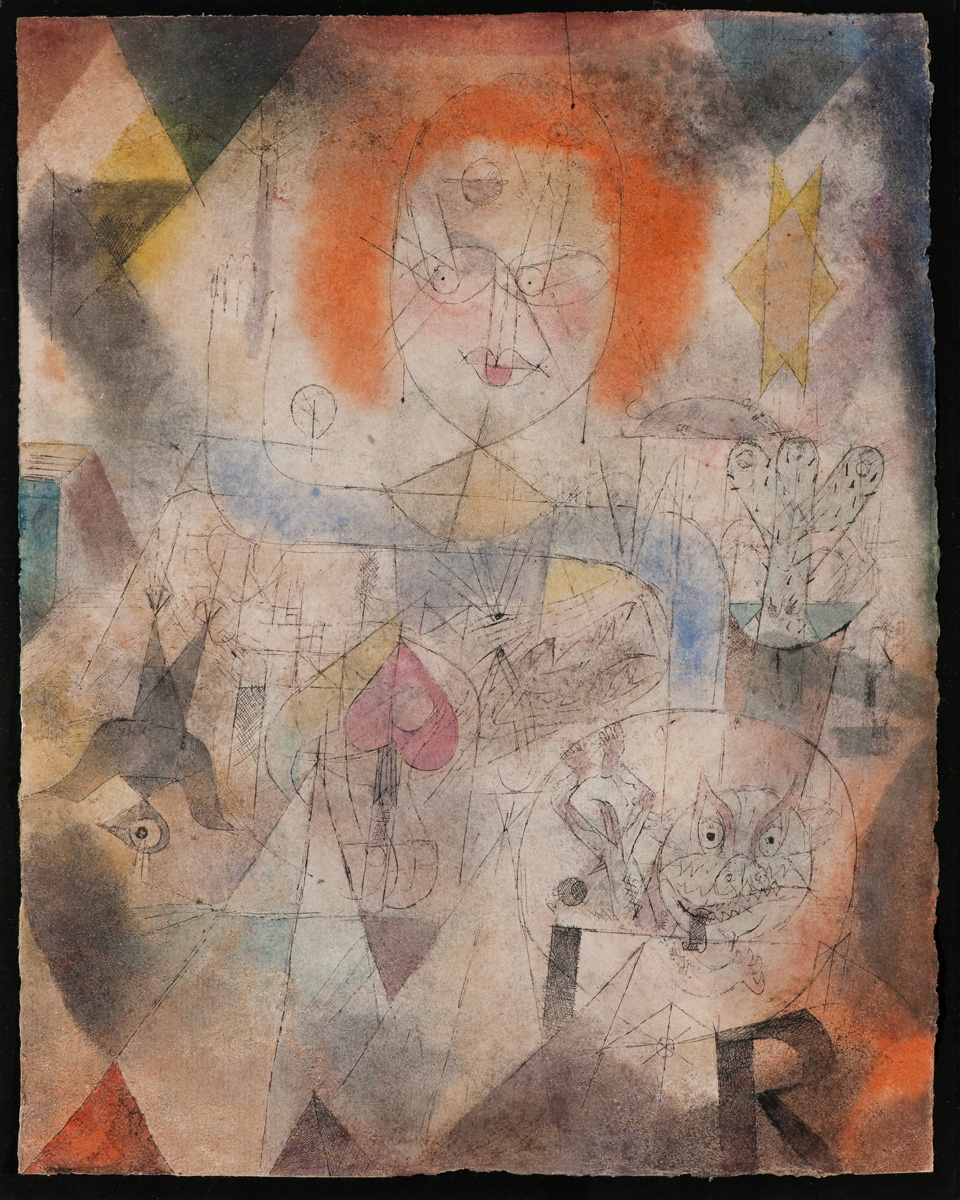
Irma Rossa the Animal Tamer
Original: Irma Rossa die Bändigerin (1918,162); Berlin museum checklist; Source record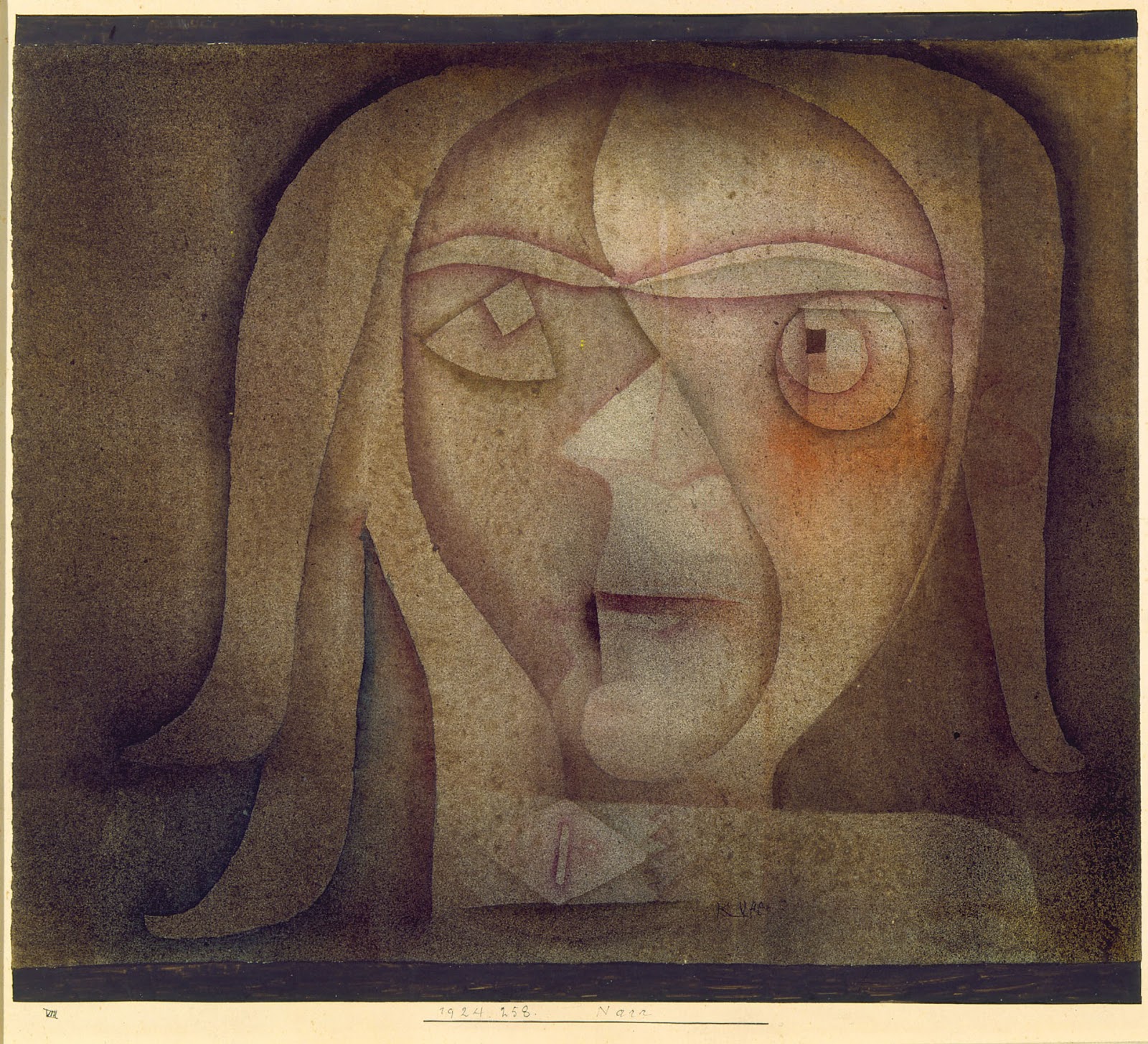
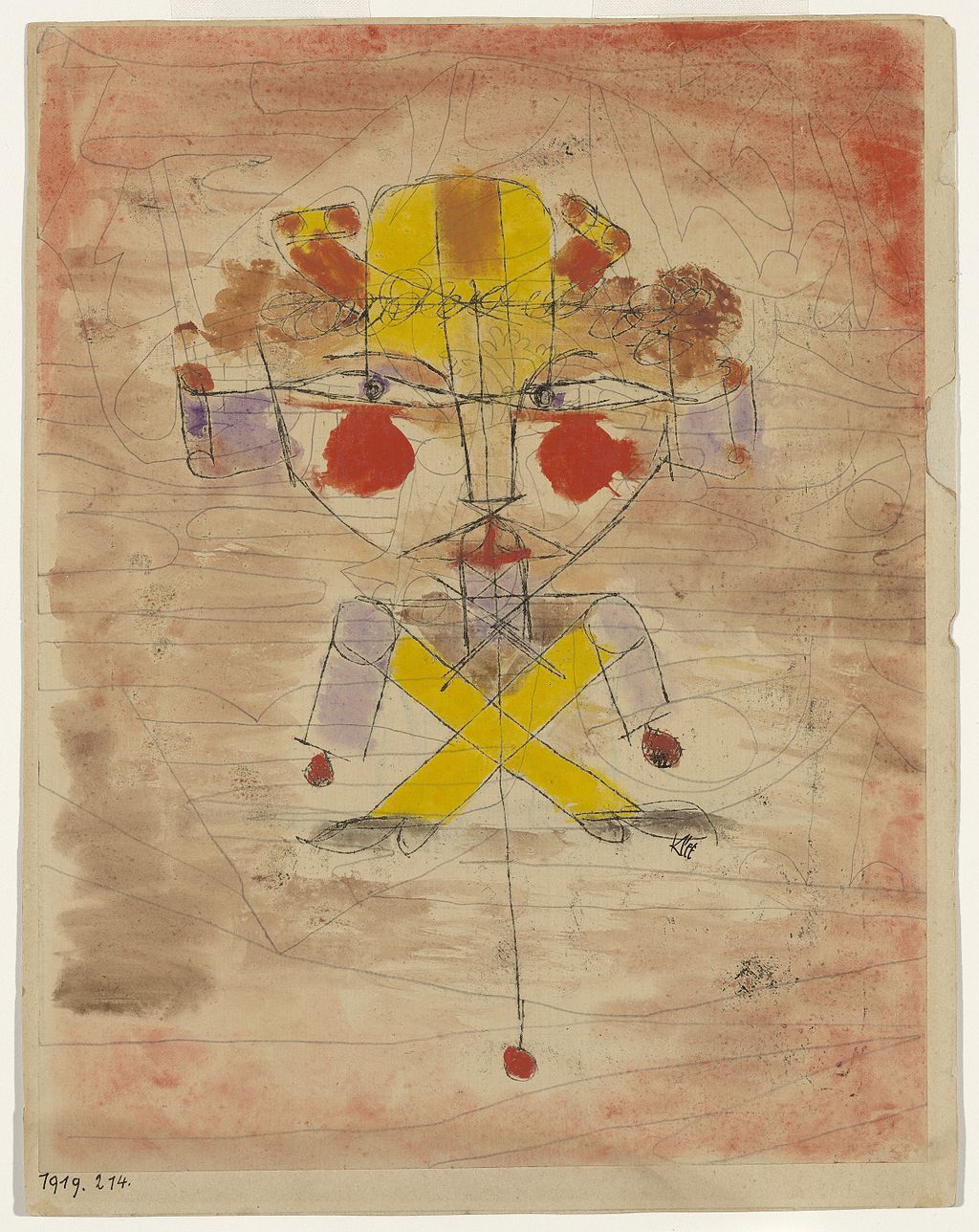
Jester
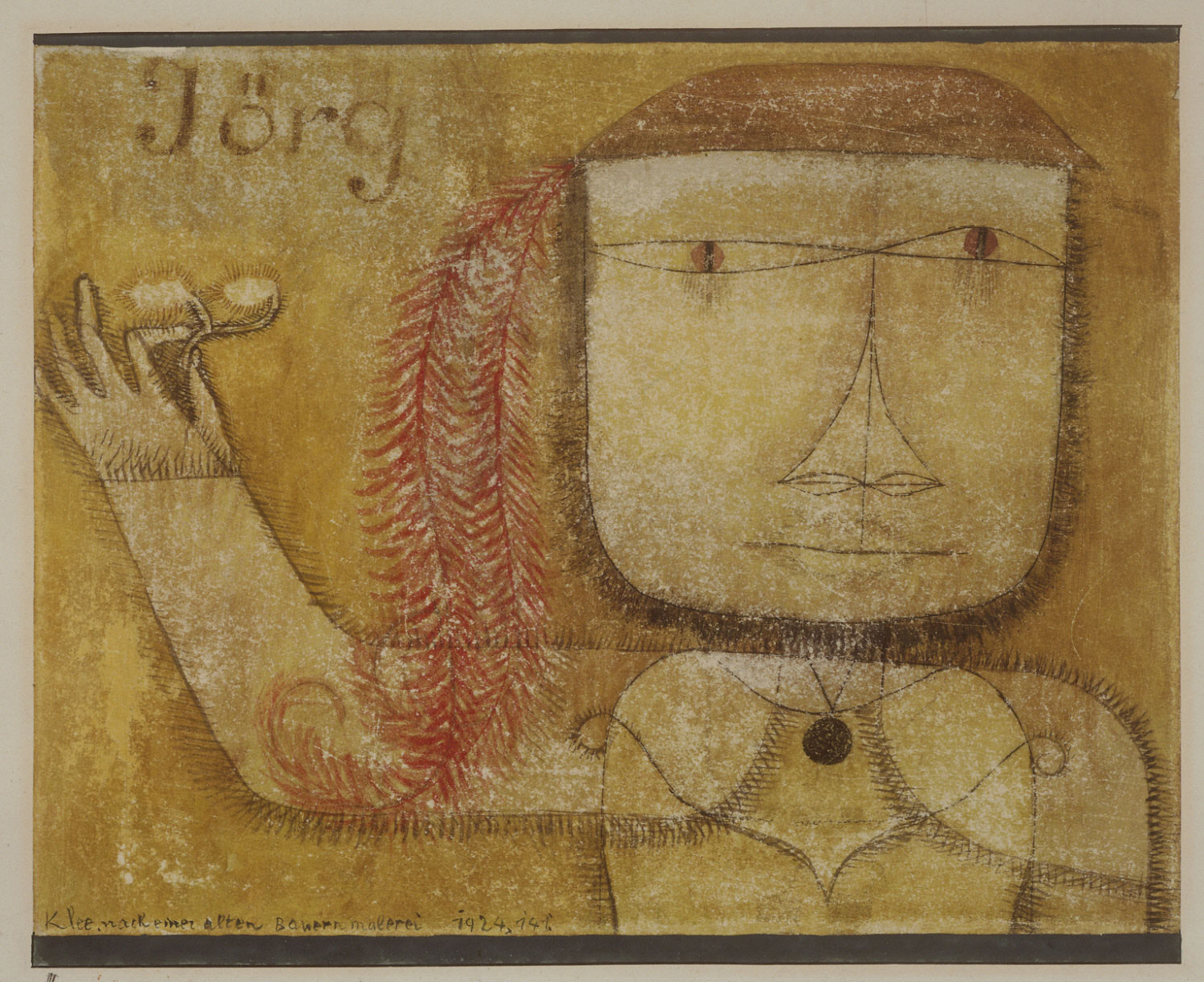
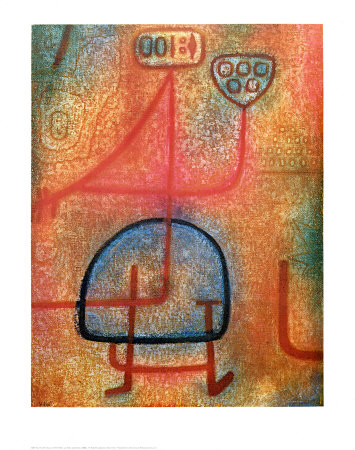
La Belle Jardiniere
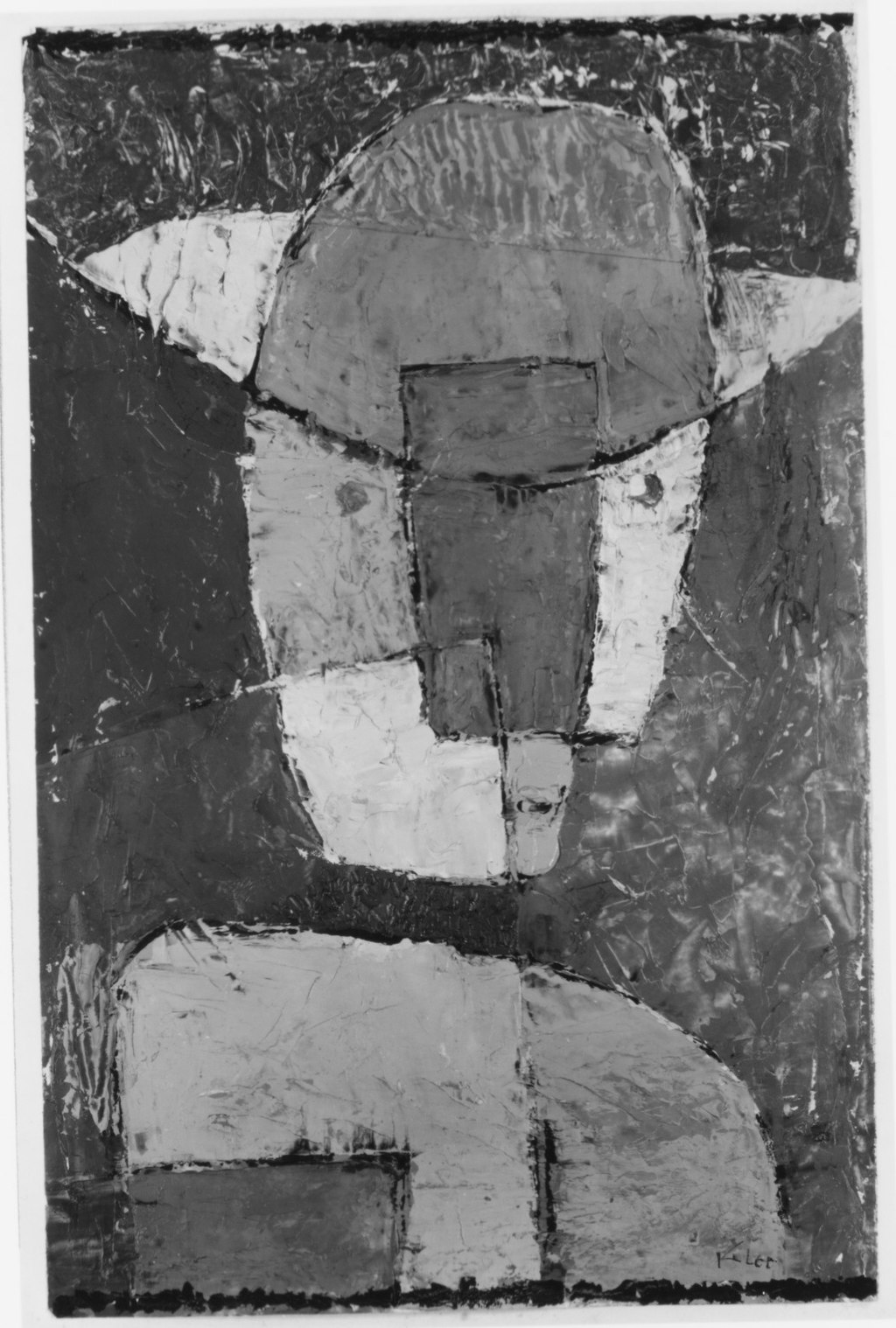
La Kash-Ne
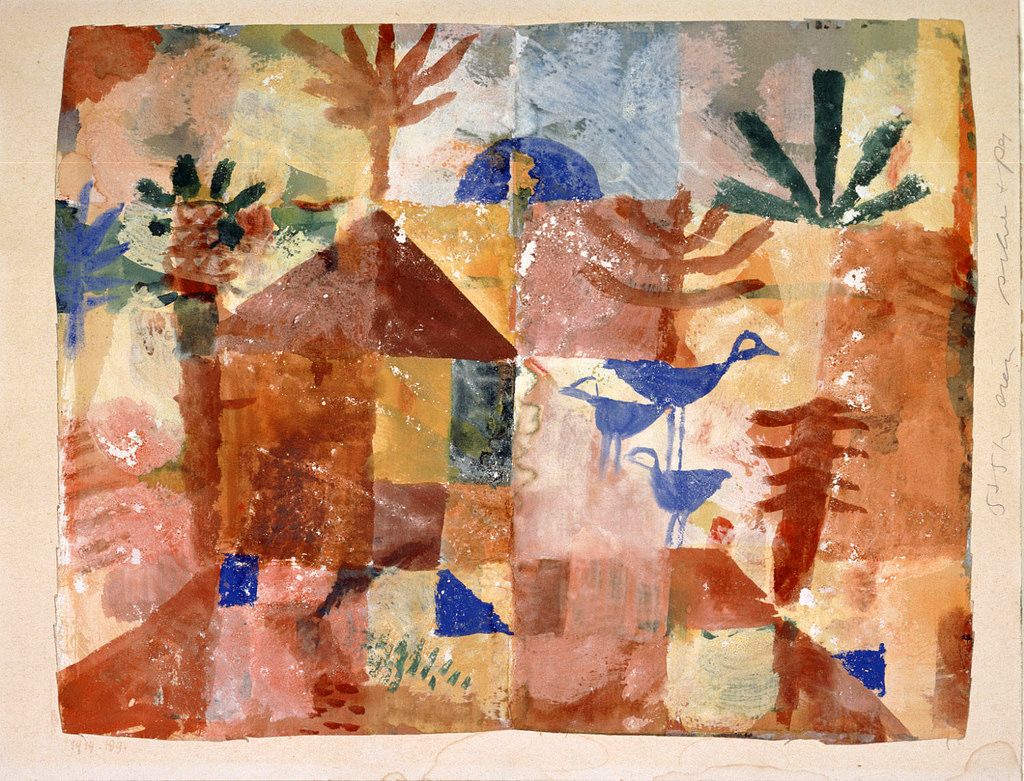
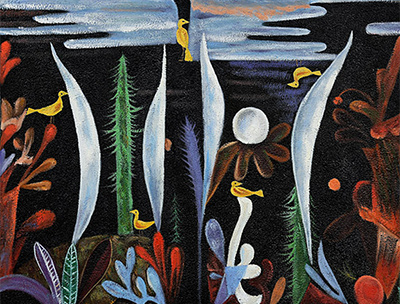
Landscape with Bluebirds
1919 · Philadelphia Museum of Art 1952-61-49 · object record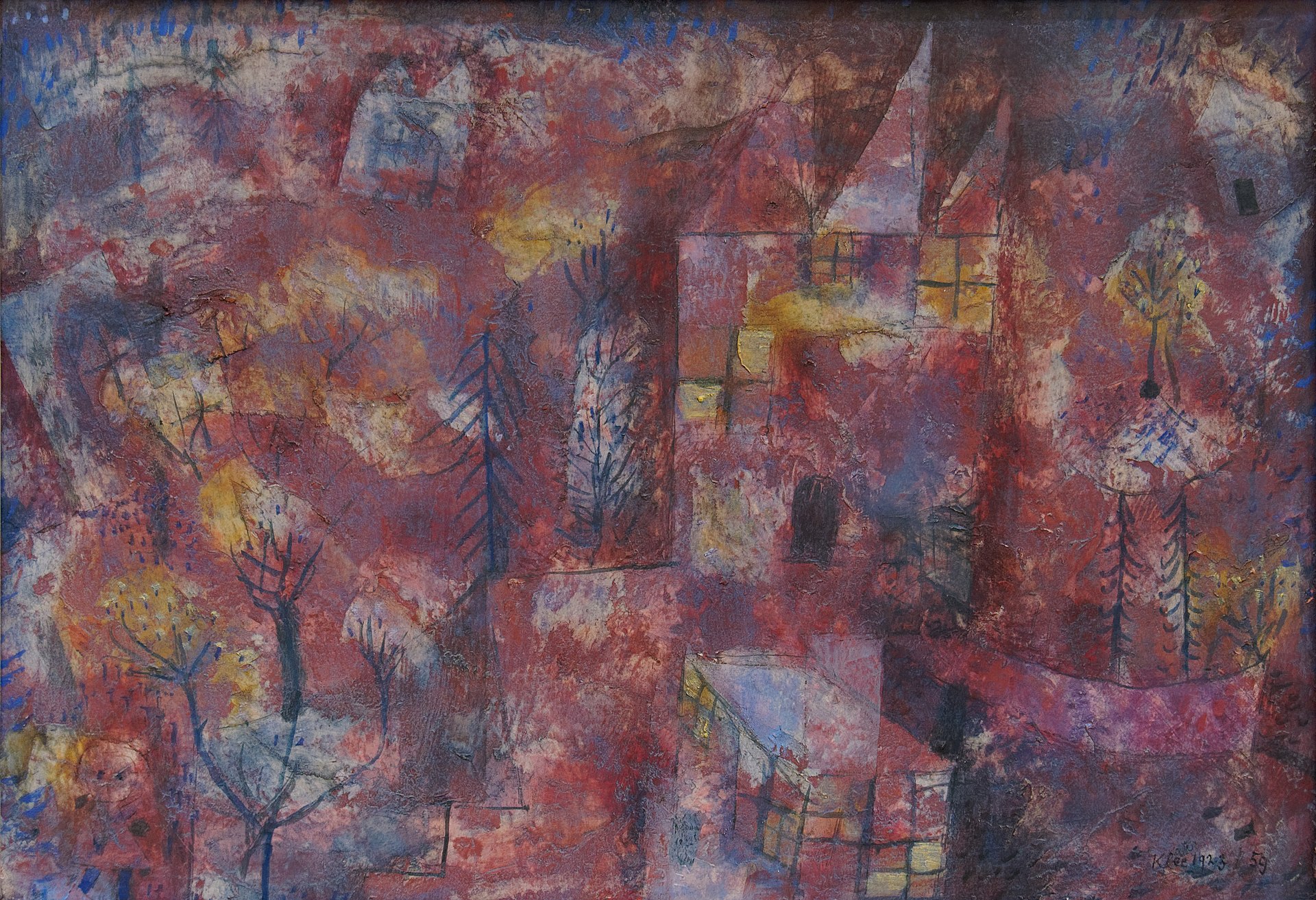
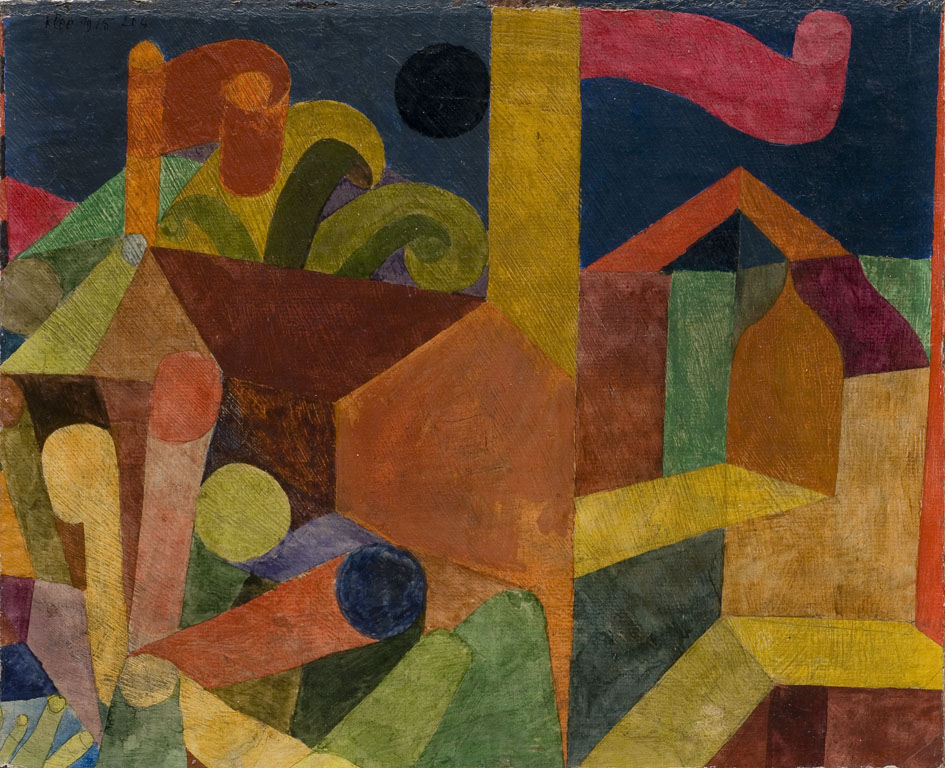
Landscape with Yellow Churchtower
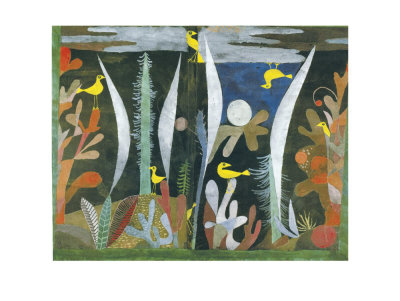
Landschaft mit Gelben Vogeln
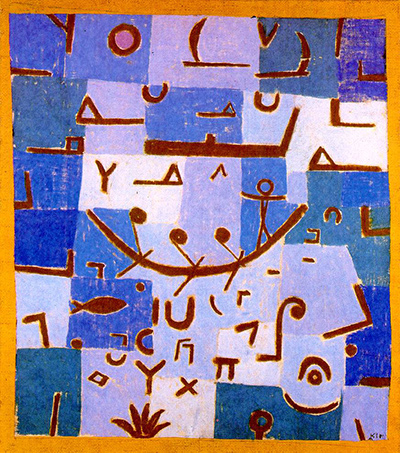
Legend of the Nile
Legende vom Nil · 1937,215 · Kunstmuseum Bern Ge 045 · conservation study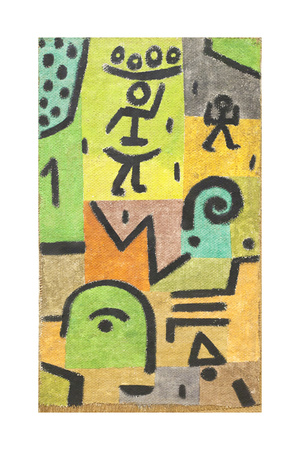
Lemon Harvest
Citronen-Ernte · 1937,219 · watercolour on primed jute · published caption
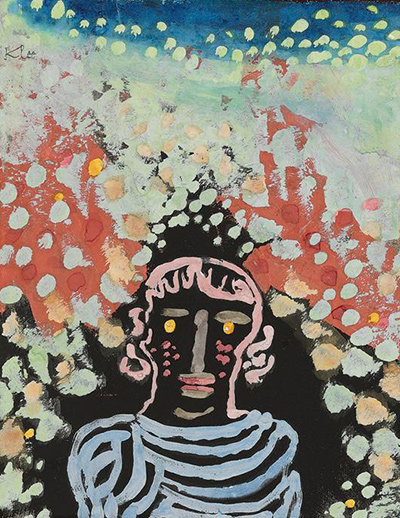
Likeness in the Bower
Bildnis in der Laube · 1930,7 · gouache on mounted paper · Christie’s object record
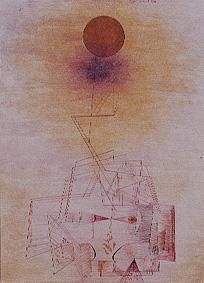
Limits of Reason
Original: Grenzen des Verstandes (1927); Bavarian State Painting Collections 14234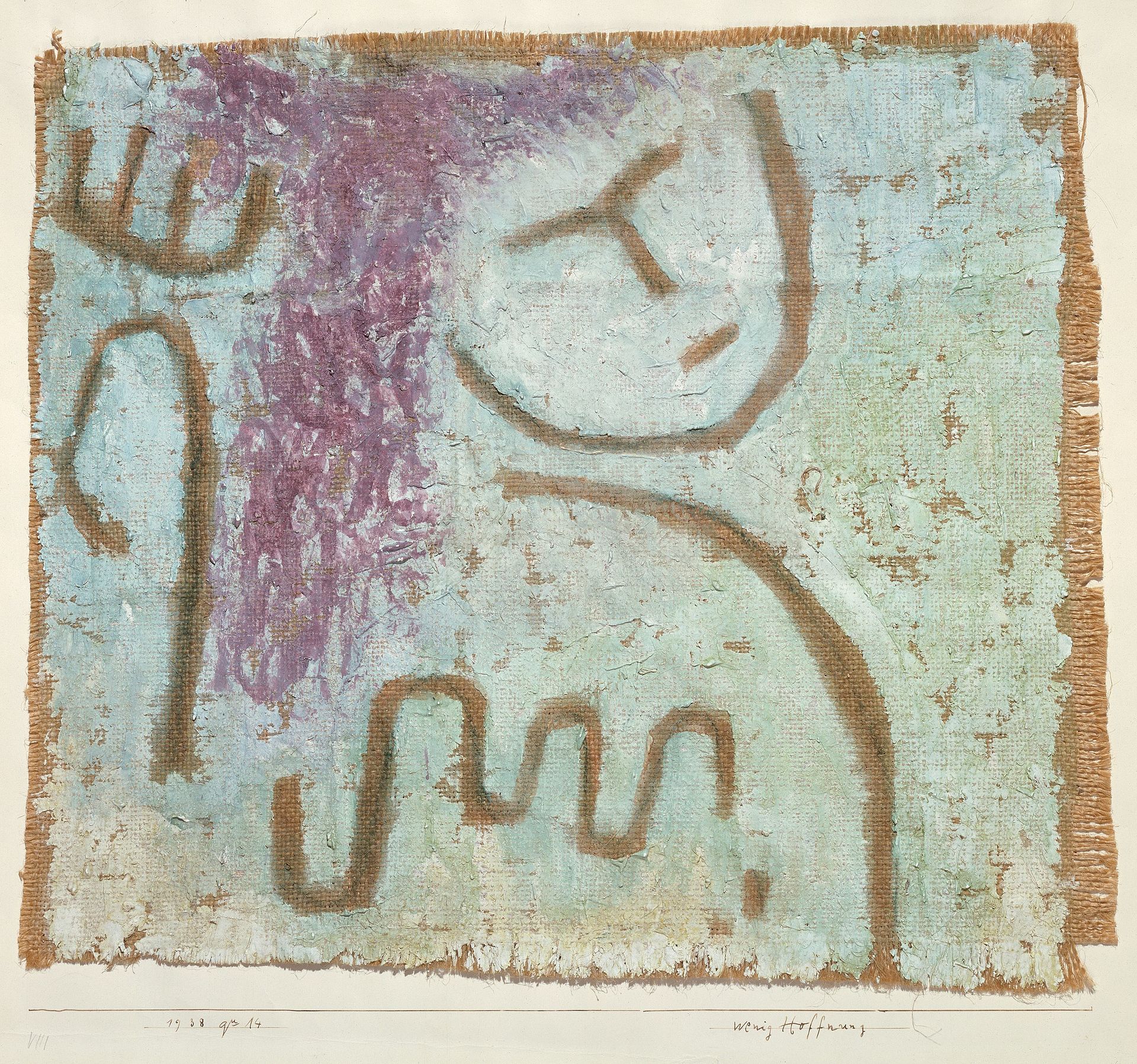
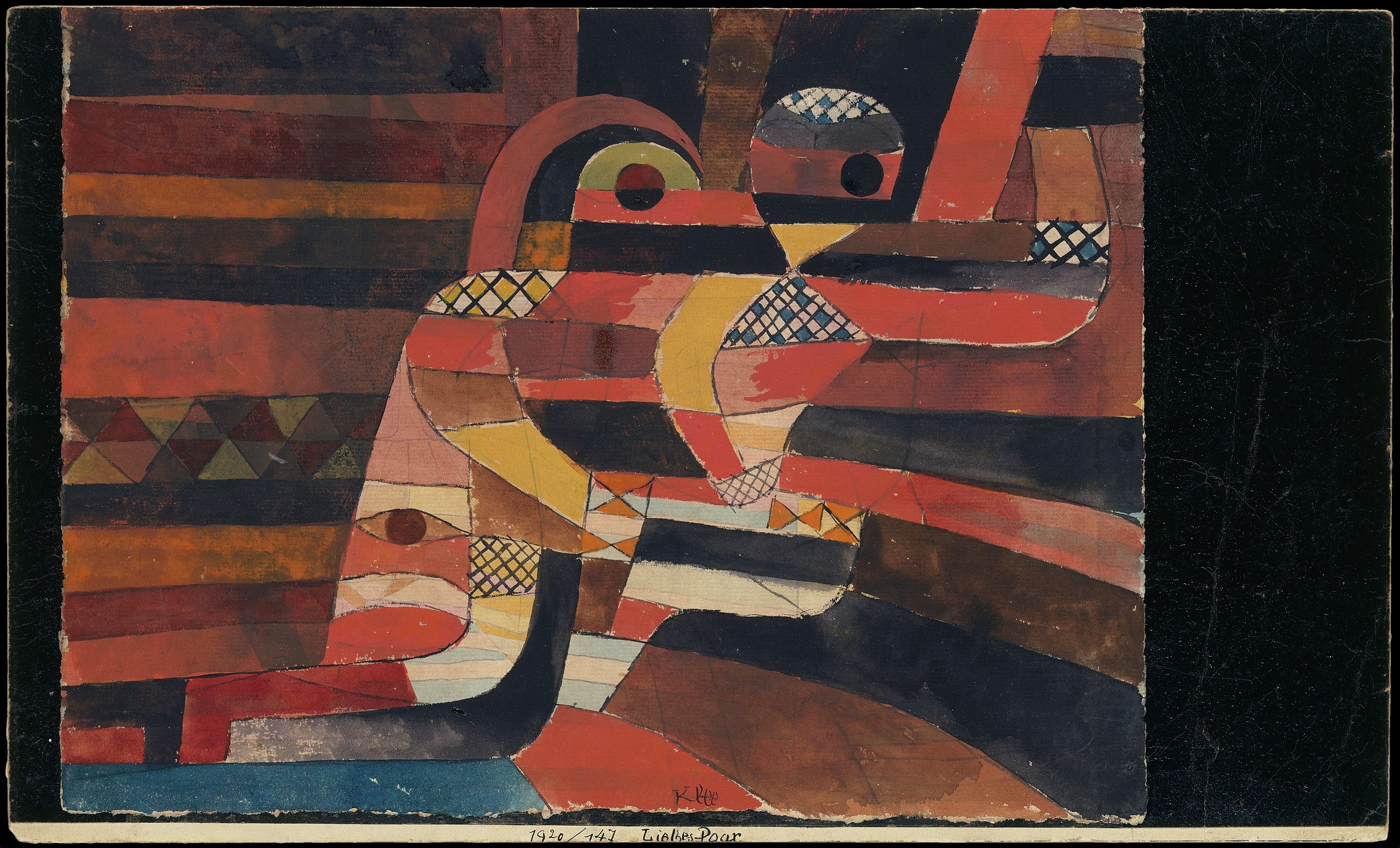
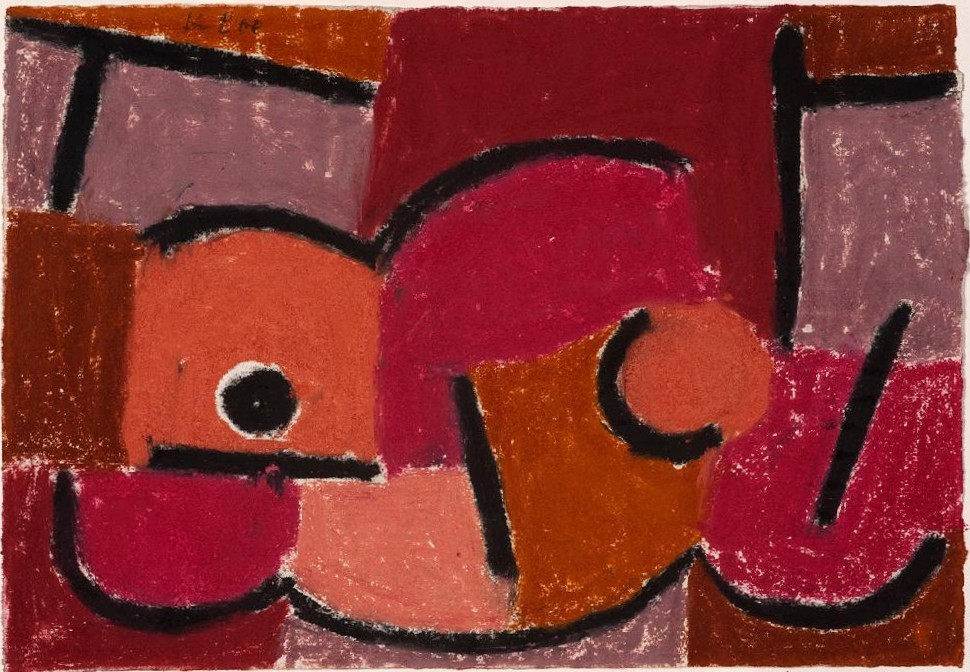
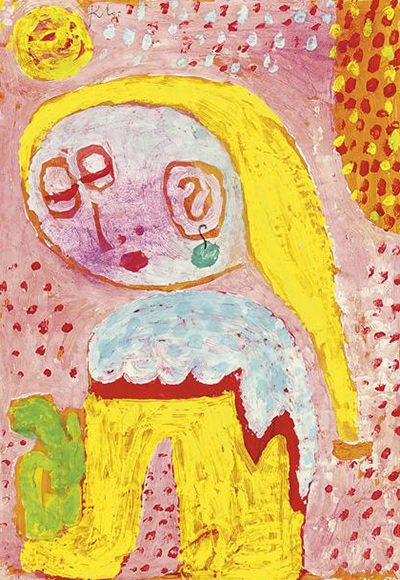
Magdalena before the Conversion
Magdalena vor der Bekehrung · 1938,455 (A15) · gouache over pencil on mounted paper · Christie’s object record
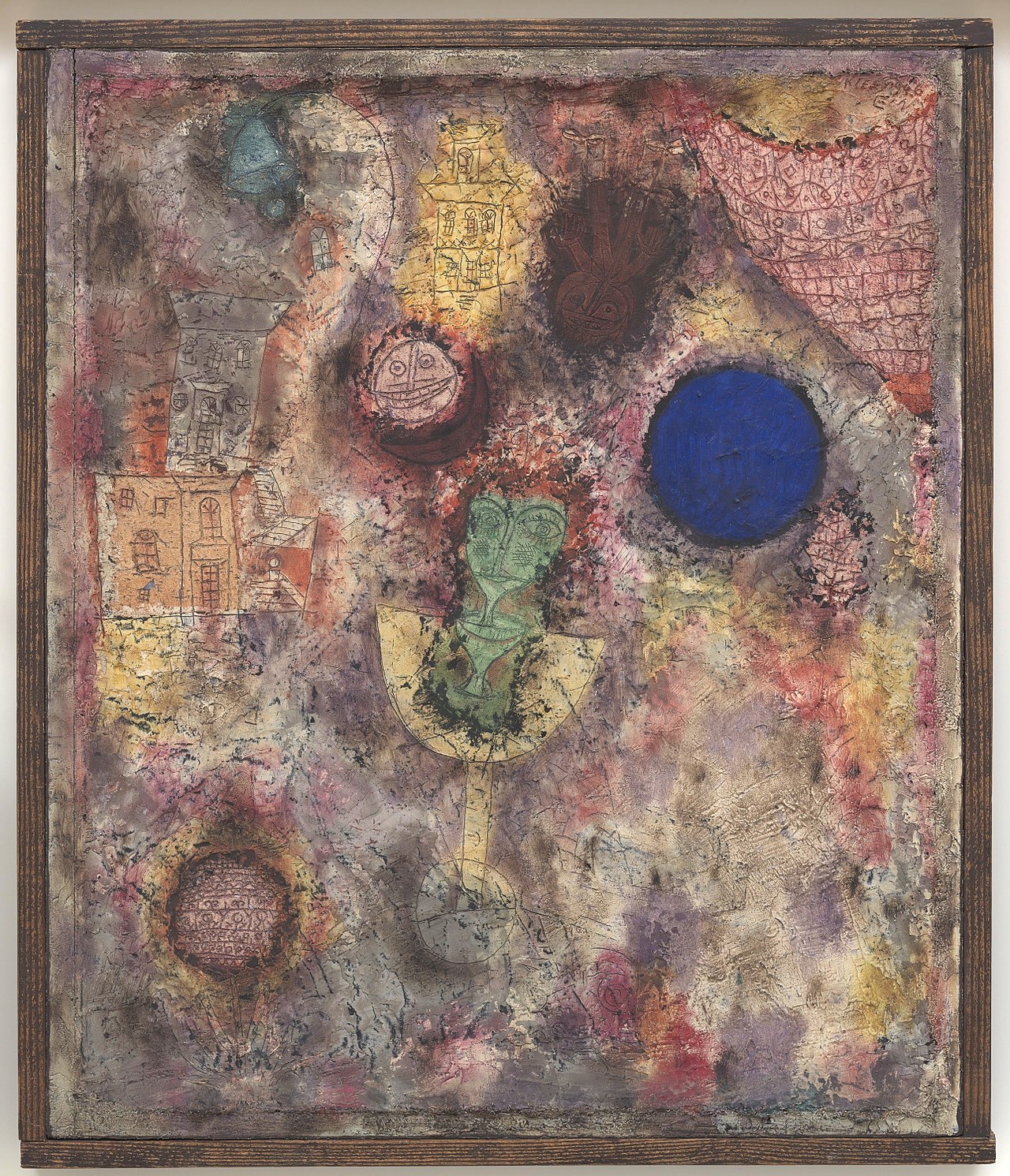
Magic Garden
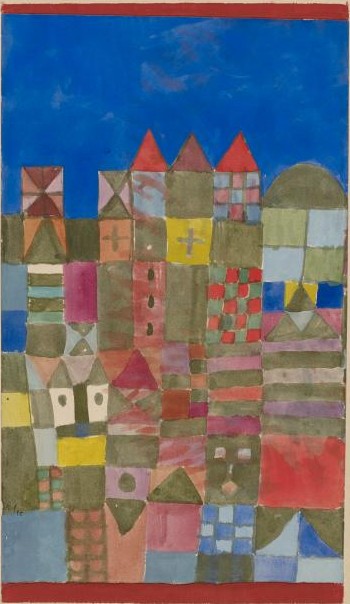
Marjamshausen
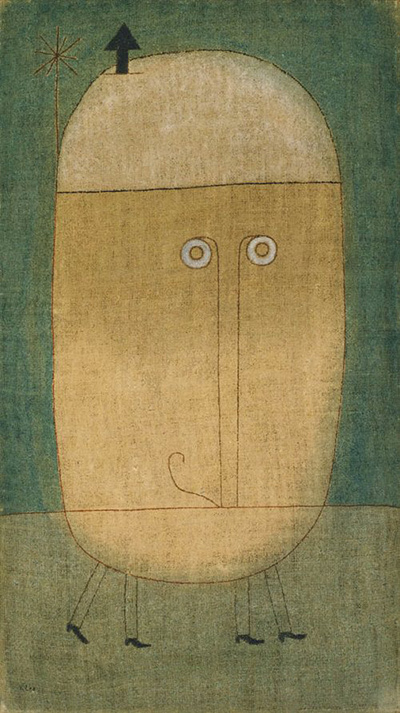
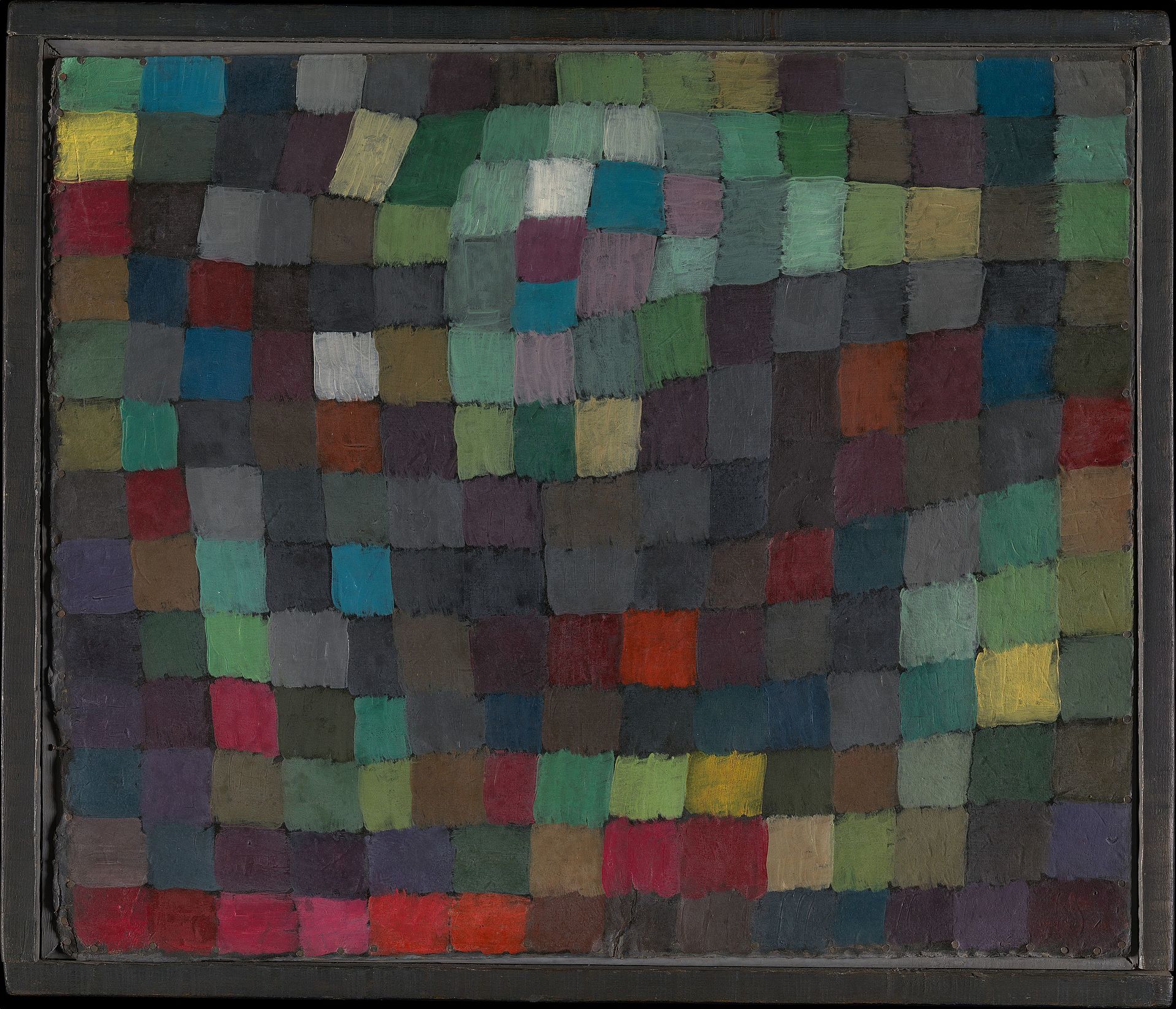
Monument in a Cemetery
Original: Denkmal auf einem Friedhof (1922); Bavarian State Painting Collections 14231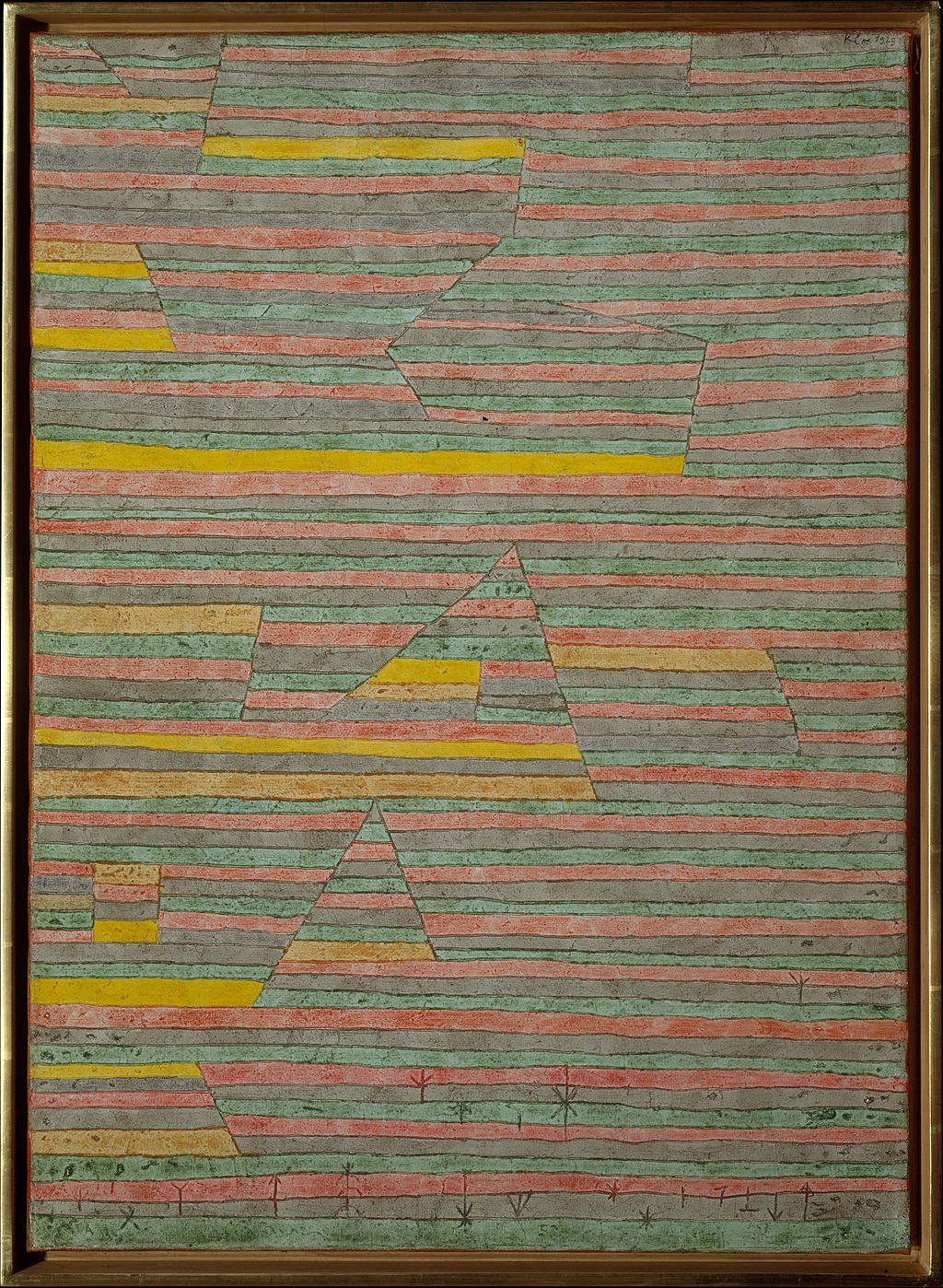
Monuments at G
1929 · The Met 1984.315.51 · object record
Moonrise over St Germain
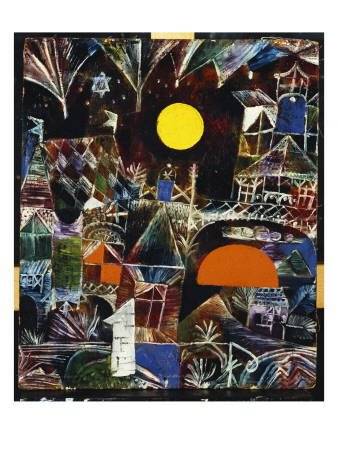
Moonrise Sunset
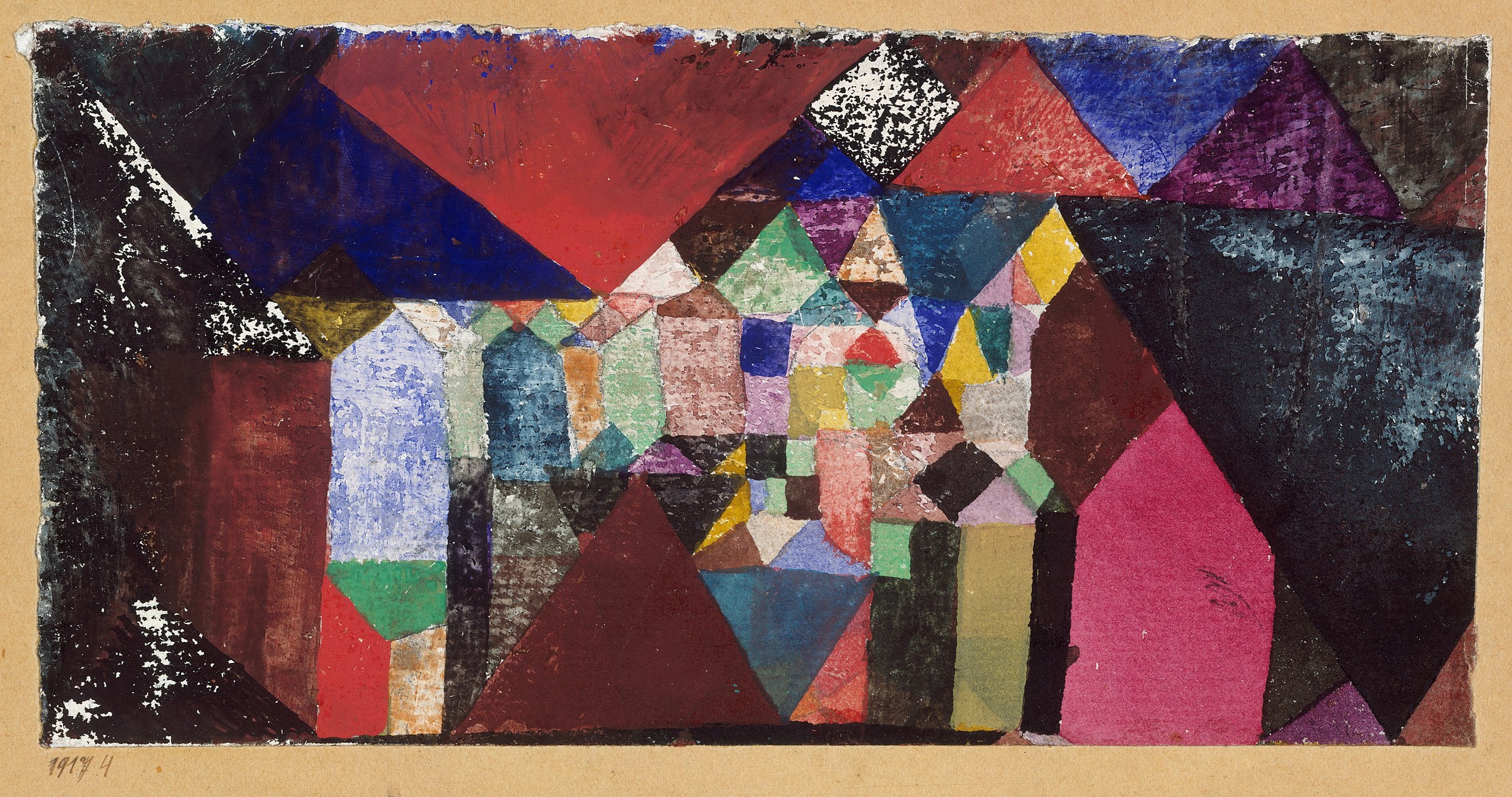
Municipal Jewel
1917 · The Met 1984.315.12 · object record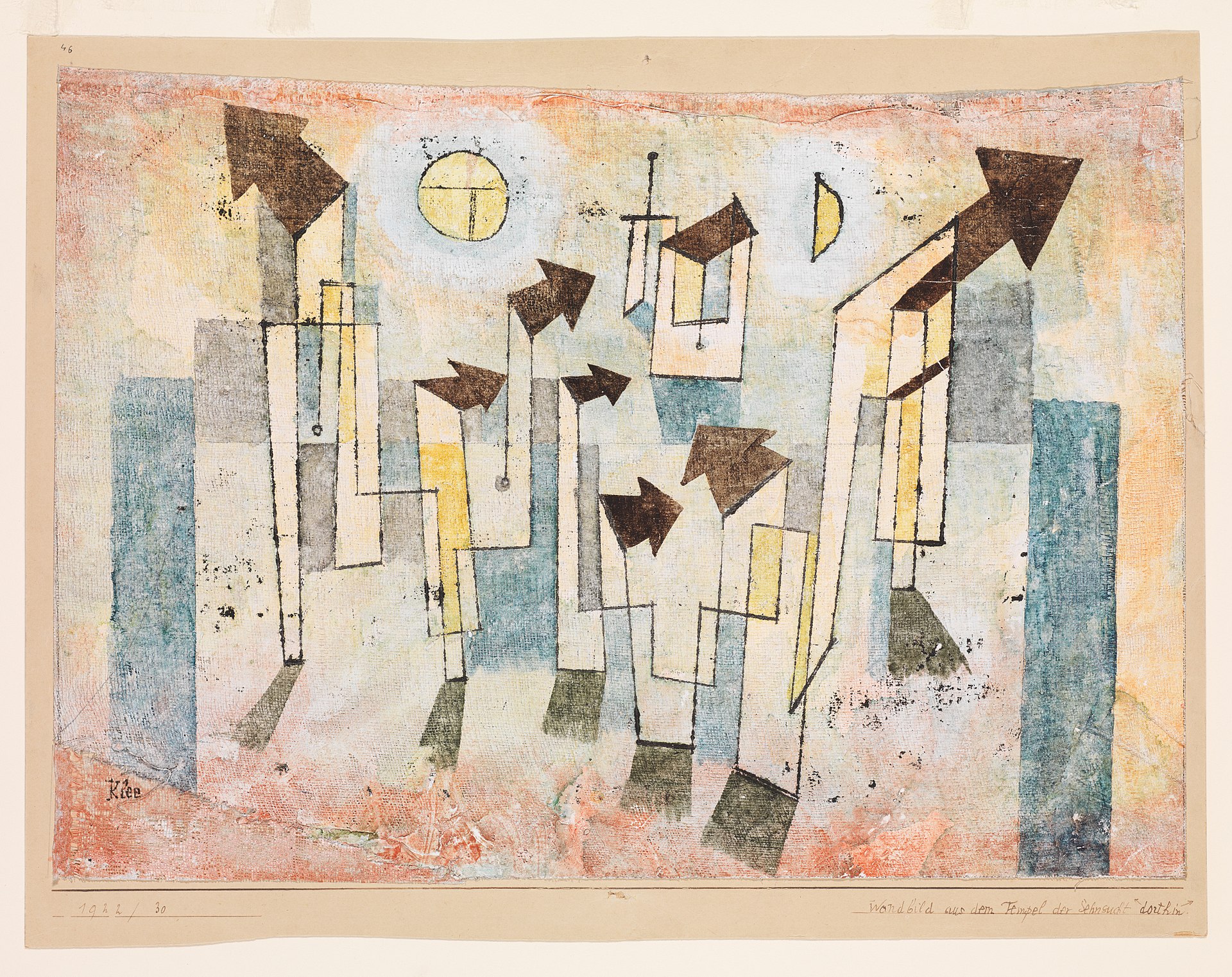
Mural from the Temple of Longing Thither
1922 · The Met 1984.315.33 · object record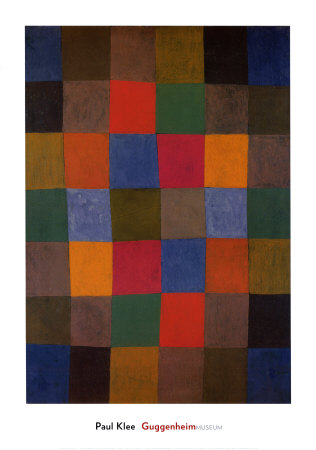
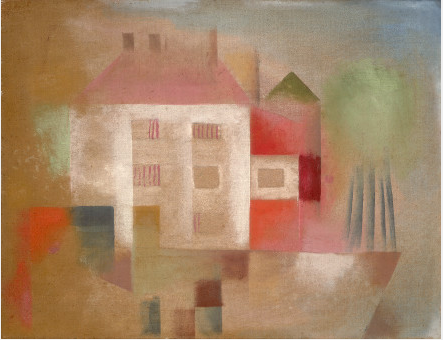
New House in the Suburbs
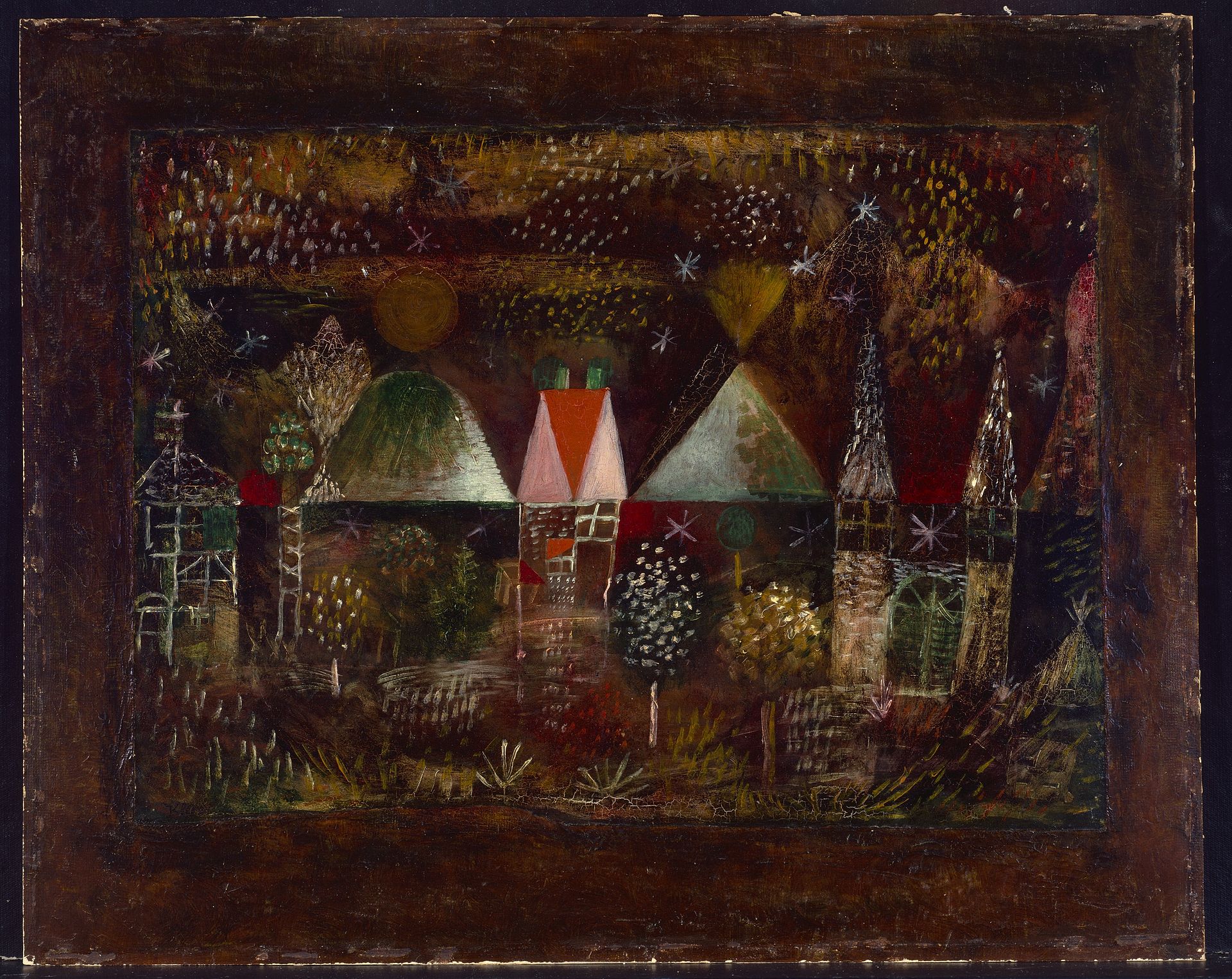
Night Feast
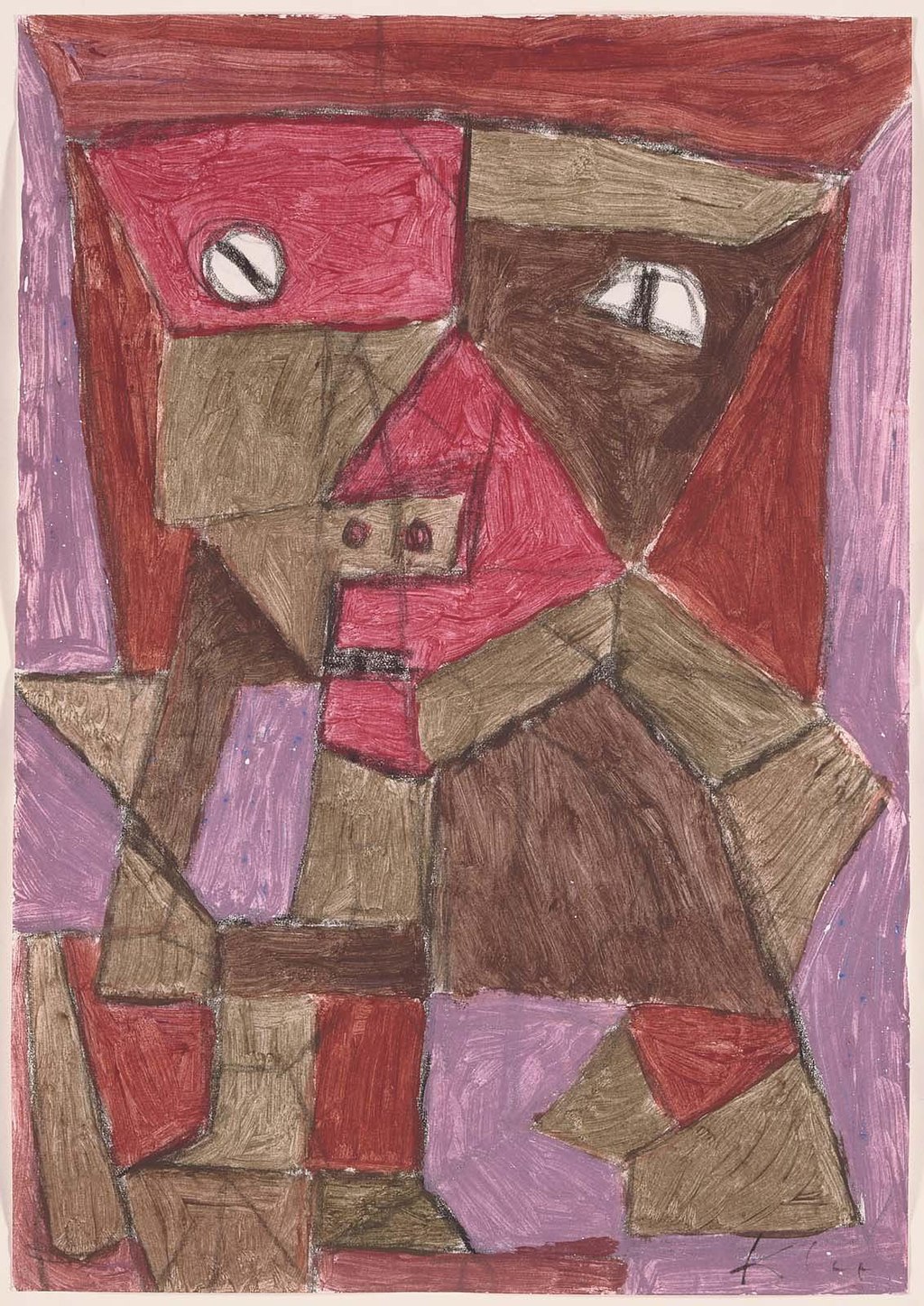
Nomad Mother
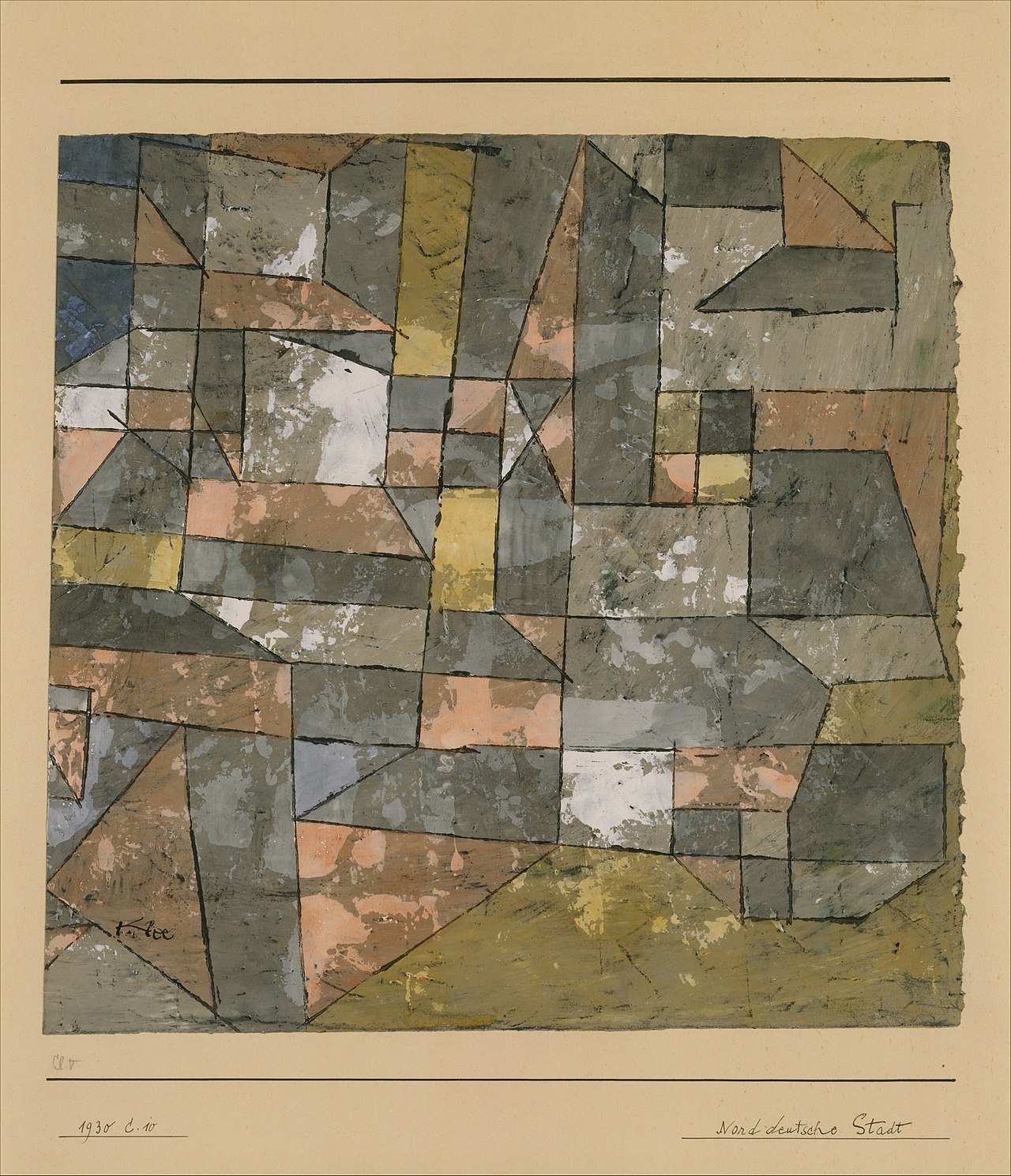
North German City
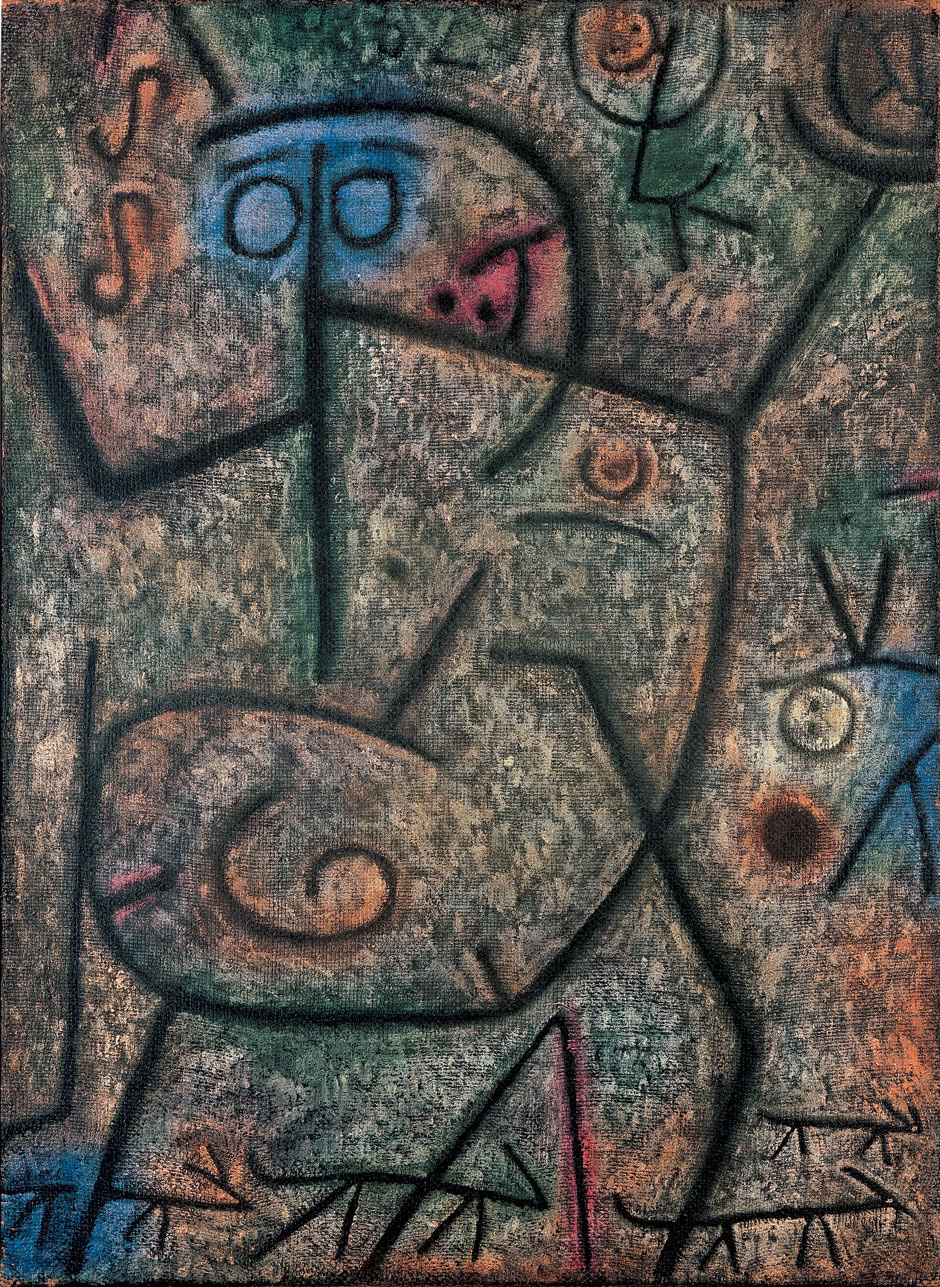
O die Geruchte
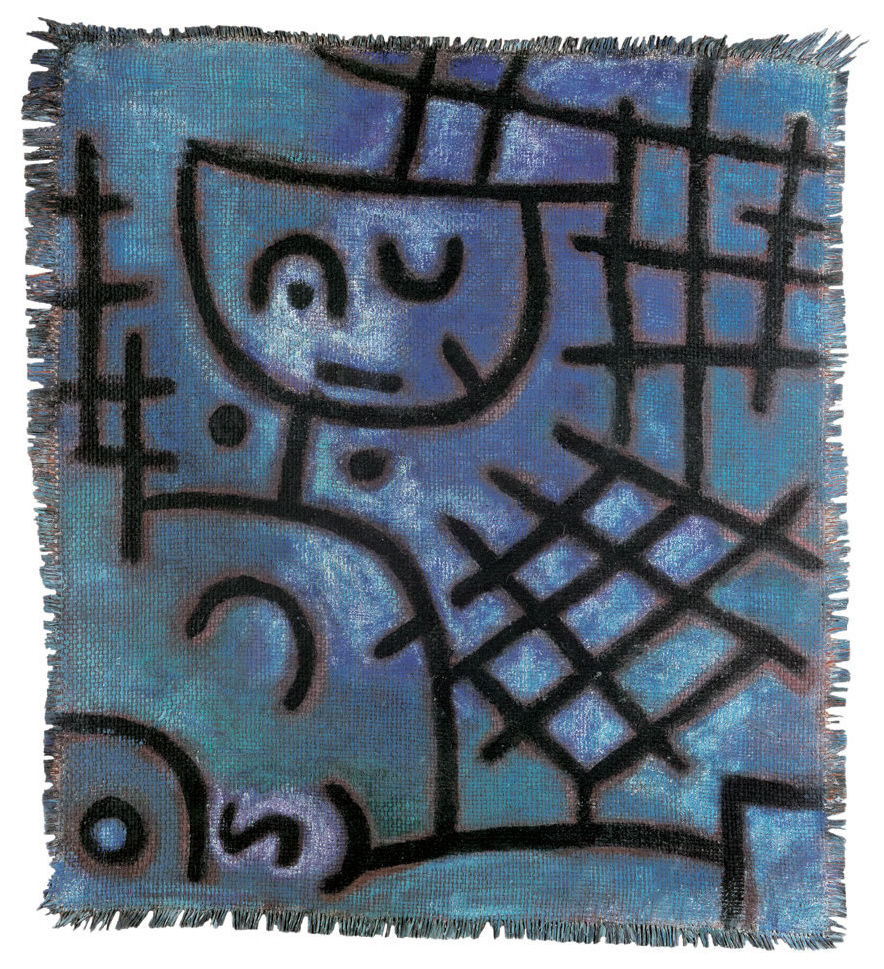
Ohne Titel
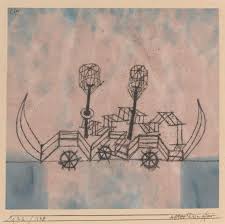
Old Steamboat
Original: Alter Dampfer (1922); NGA 1943.3.9039 Paul Klee.jpg)
Omega 5 (Traps)
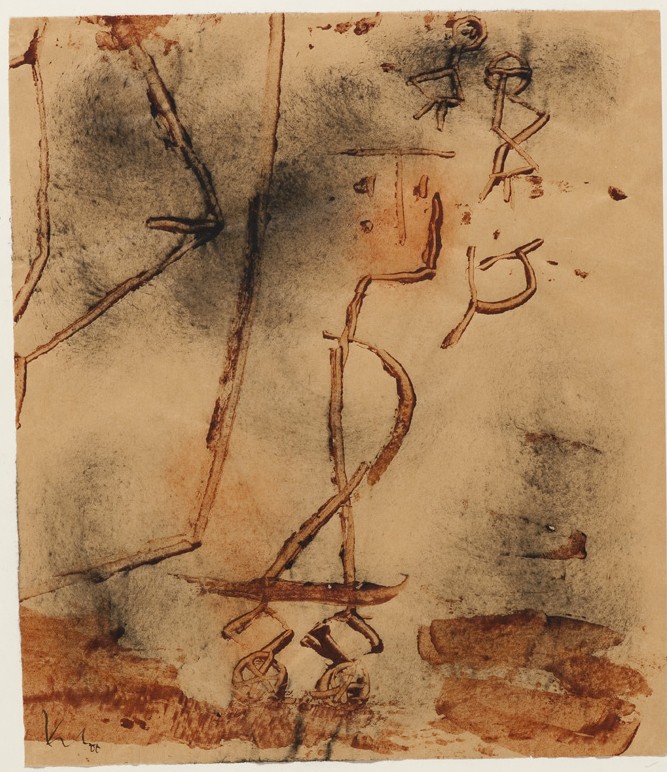
On Wheels
One Who Understands
1934 · The Met 1999.363.31 · object record
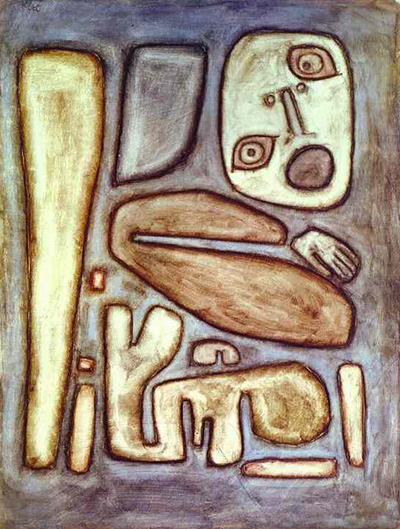
Outburst of Fear
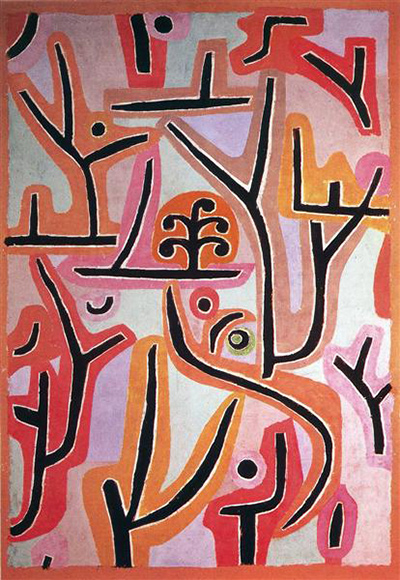
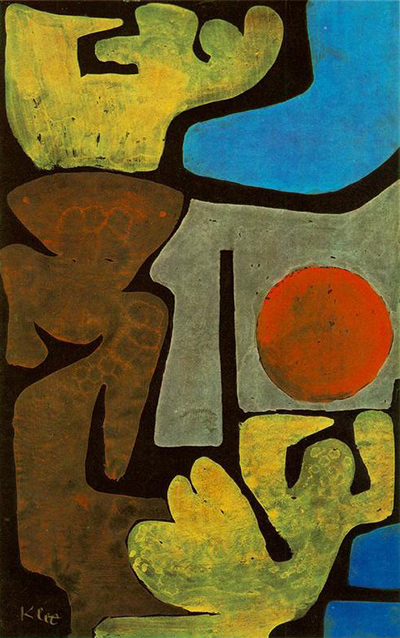
Park of Idols
Götzen-Park · 1939,282 (V 2) · watercolour on prepared paper mounted on card · Zentrum Paul Klee record
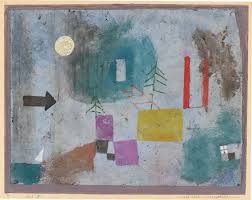
Passing by Red Pillars
Original: Rote Säulen vorbeiziehend (1928); NGA 2006.128.23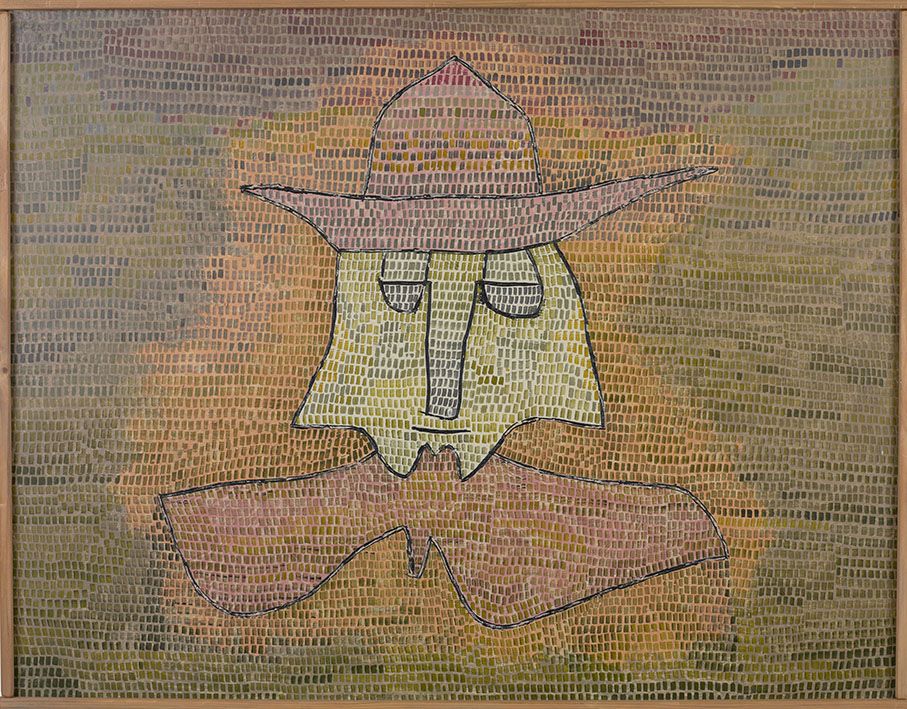
Pastor Kohl
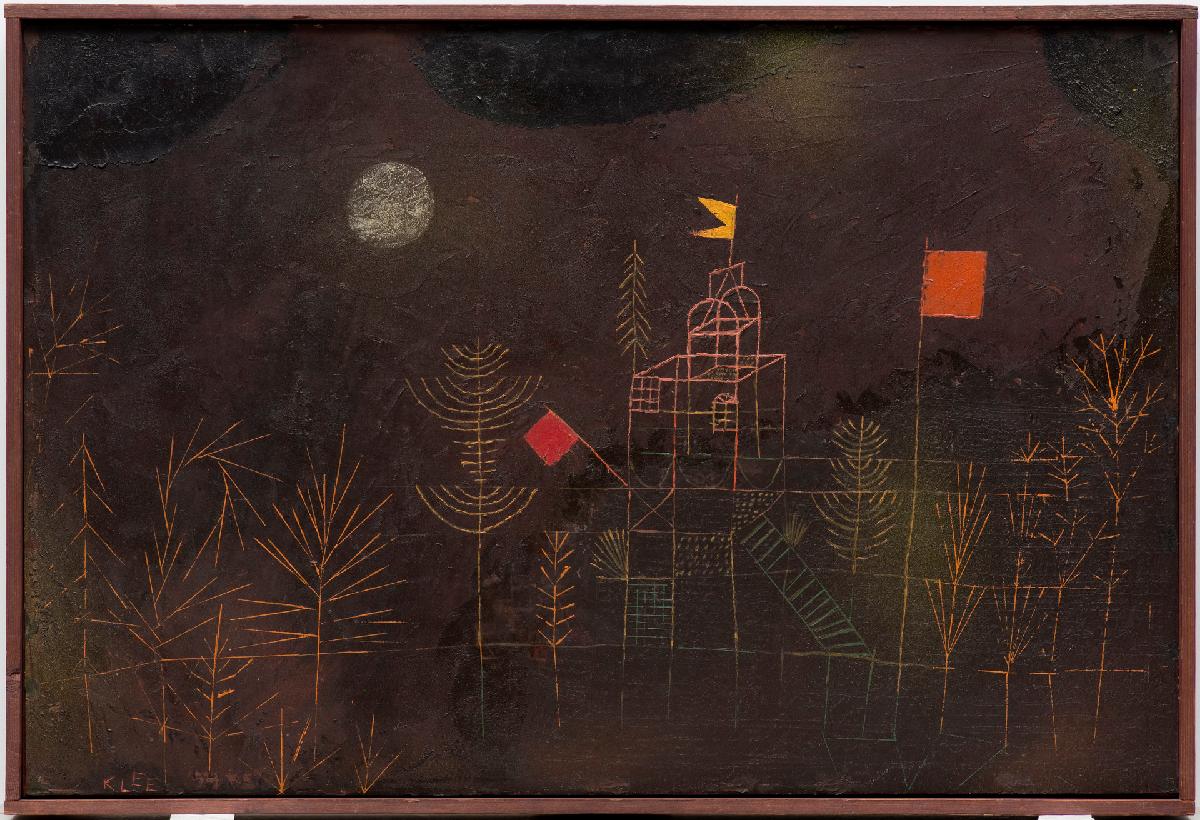
Pavilion Decked with Flags
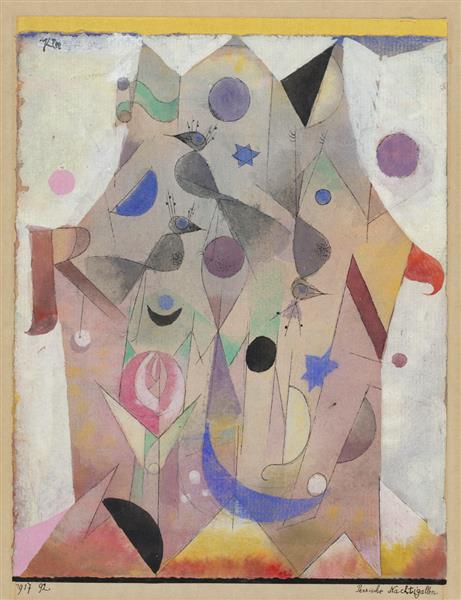
Persian Nightingales
Original: Persische Nachtigallen (1917,92); NGA 1990.59.2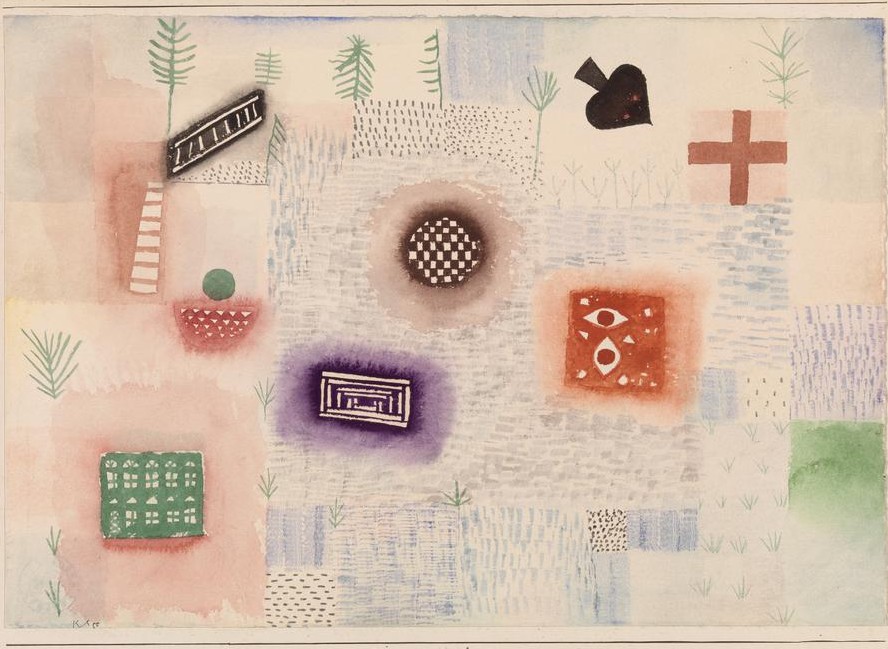
Place Signs
Plants in the Moonlight
Popular Wall Painting
1922 · The Met 1984.315.32 · object record
Postcard No 4 for the 1923 Bauhaus Exhibition, Weimar
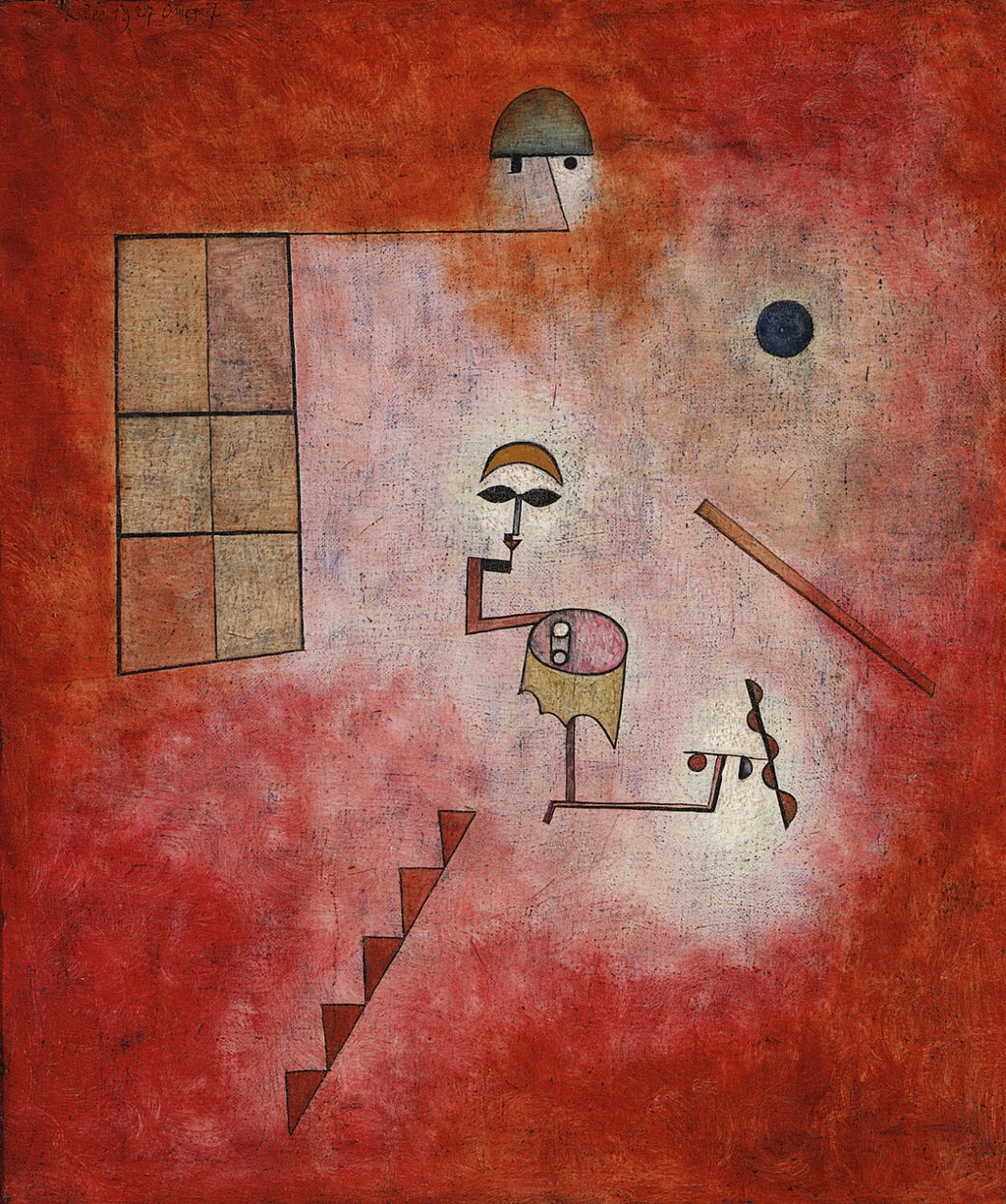
Prestidigitator
1927 · Philadelphia Museum of Art 1950-134-118 · object record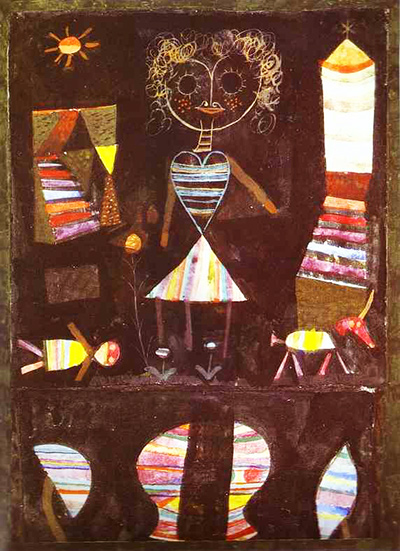
Rainy Day
Regentag · 1931,150 · watercolour and gouache on gauze, mounted on prepared board · Christie’s object record
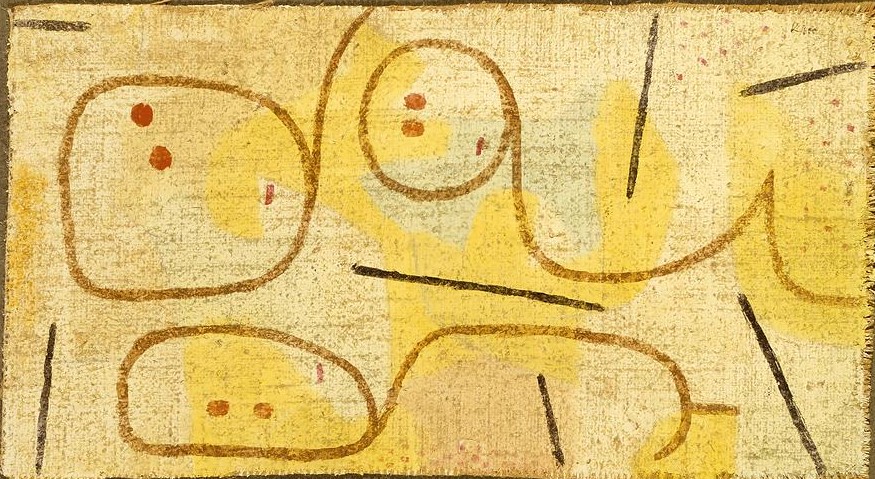
Reclining
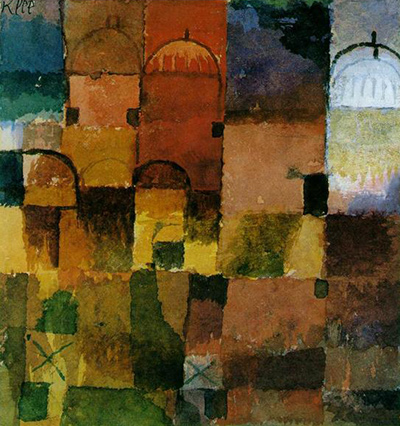
Red and White Domes
Rote u. weisse Kuppeln · 1914,45 · watercolour and gouache on mounted paper · Kunstsammlung NRW record
 Paul Klee.jpg)
Red Green Architecture (Yellow, Violet Gradation)
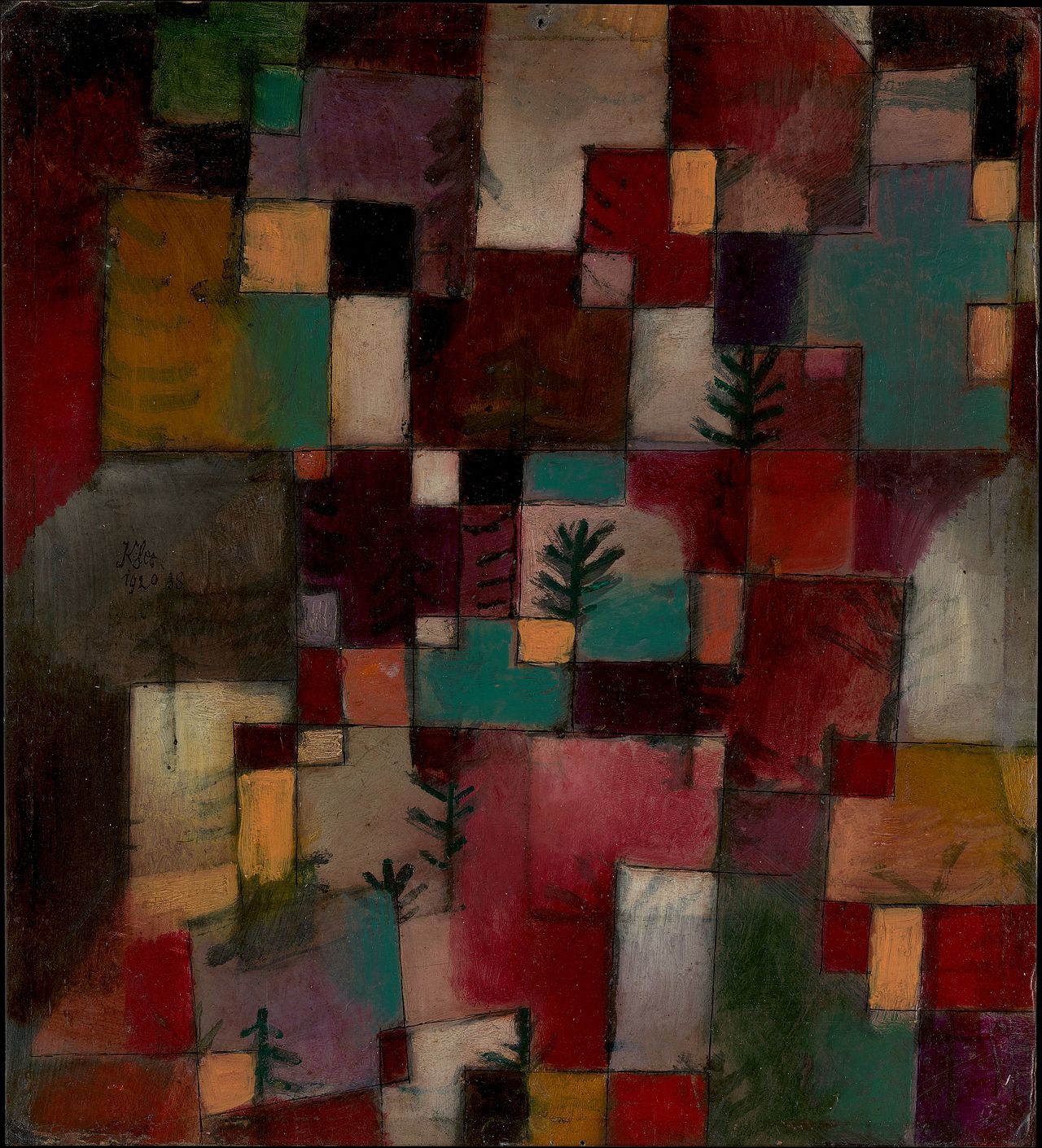
Redgreen and Violet-Yellow Rhythms
1920 · The Met 1984.315.19 · object record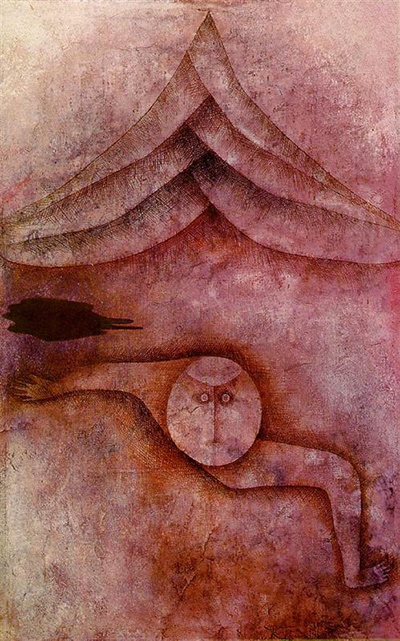
Refuge
Zuflucht · 1930 · oil, tempera and watercolour on plaster-grounded gauze, mounted on cardboard · Norton Simon Museum record
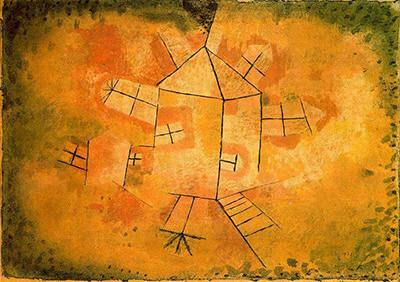
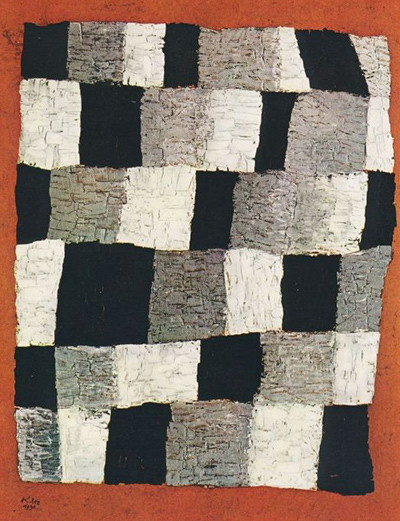
Rhythmic Rythmical
Rhythmisches (En rythme) · 1930.E.3 · oil on canvas · Centre Pompidou record
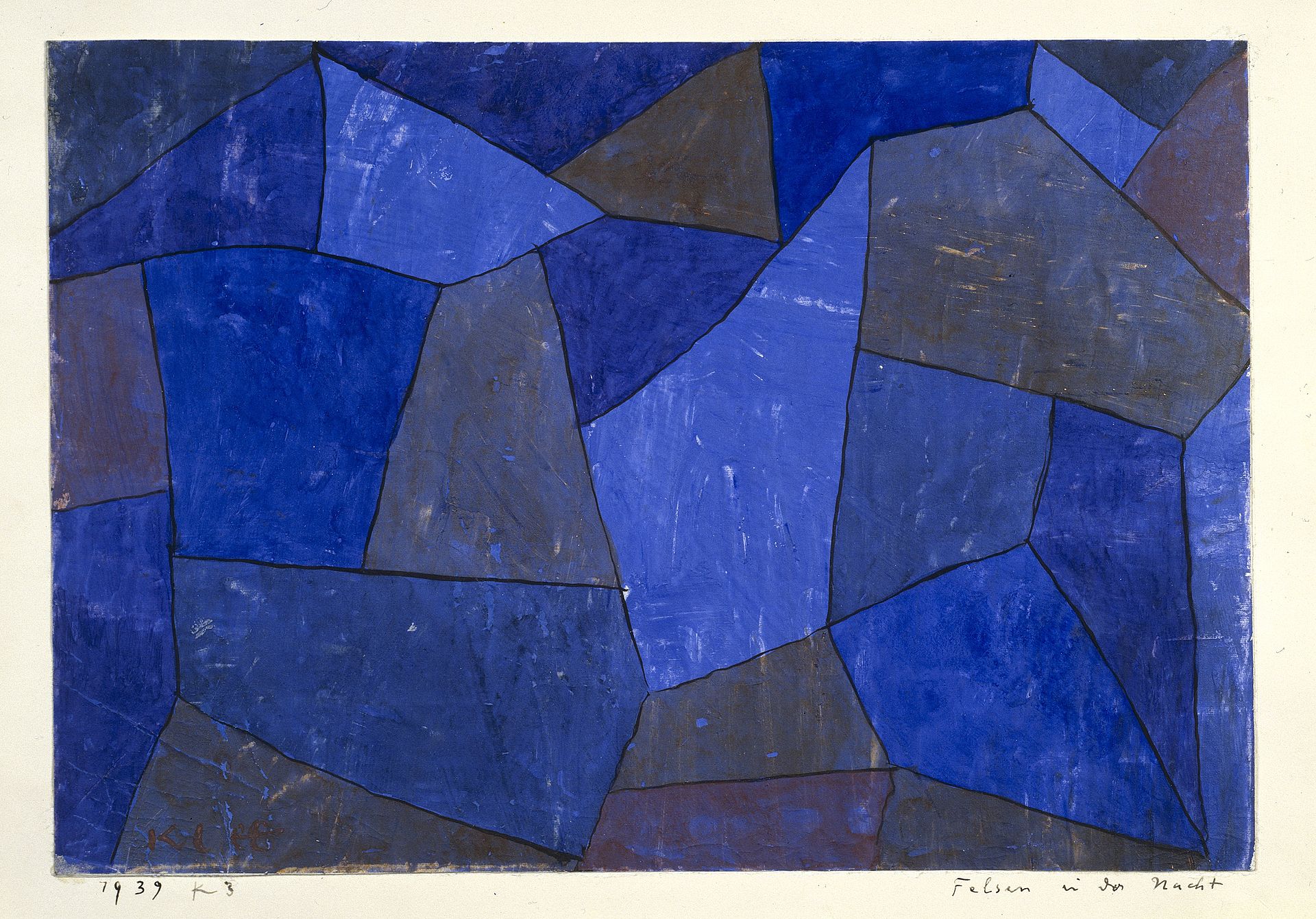
Rocks at Night
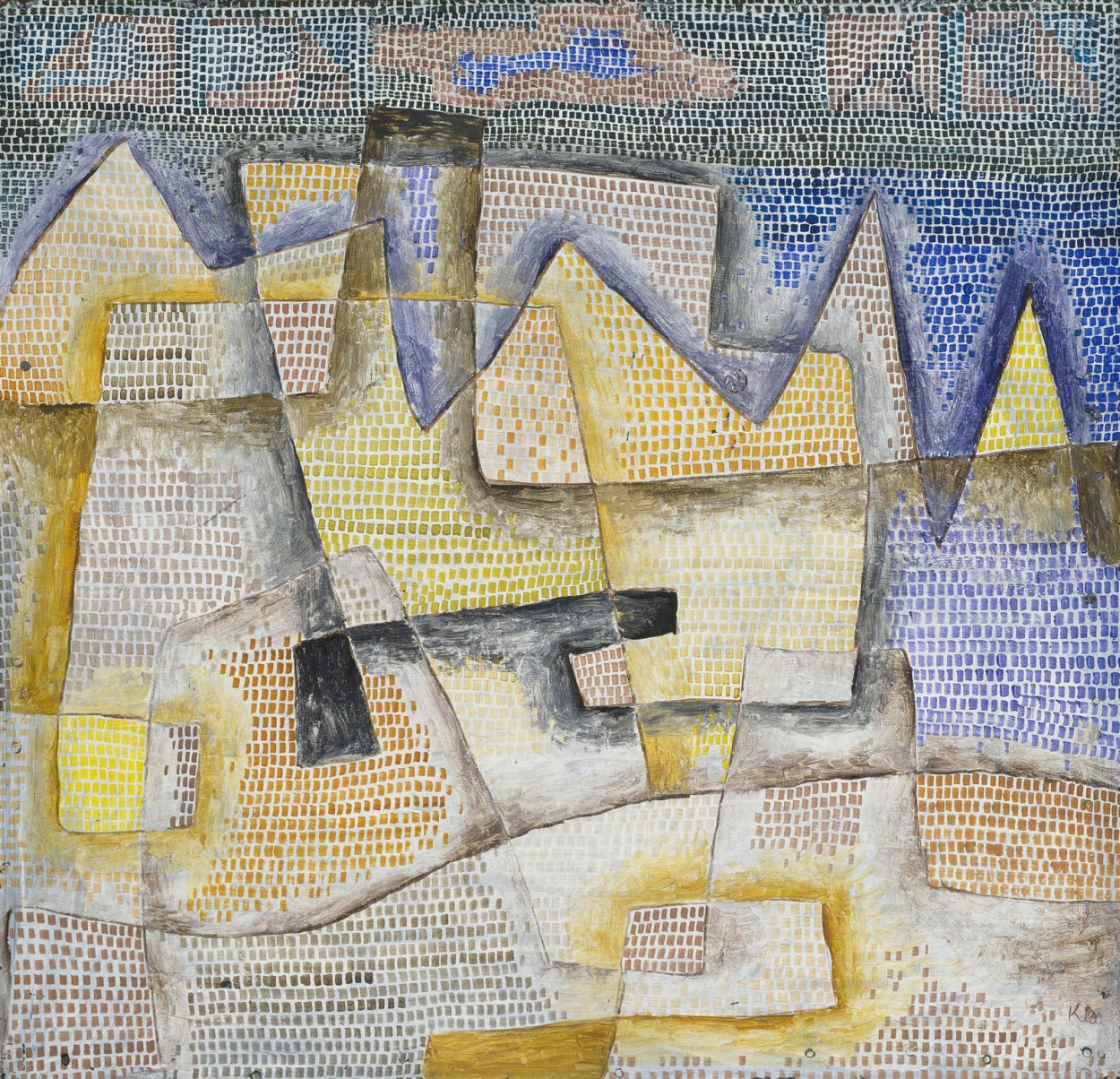
Rocky Coast
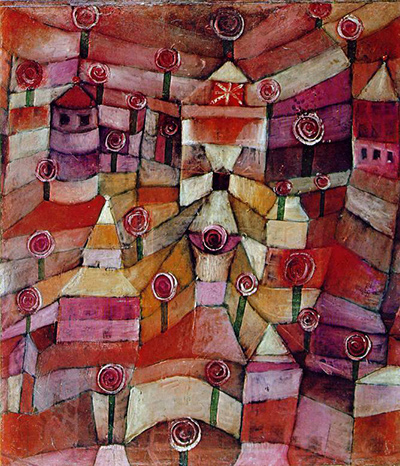
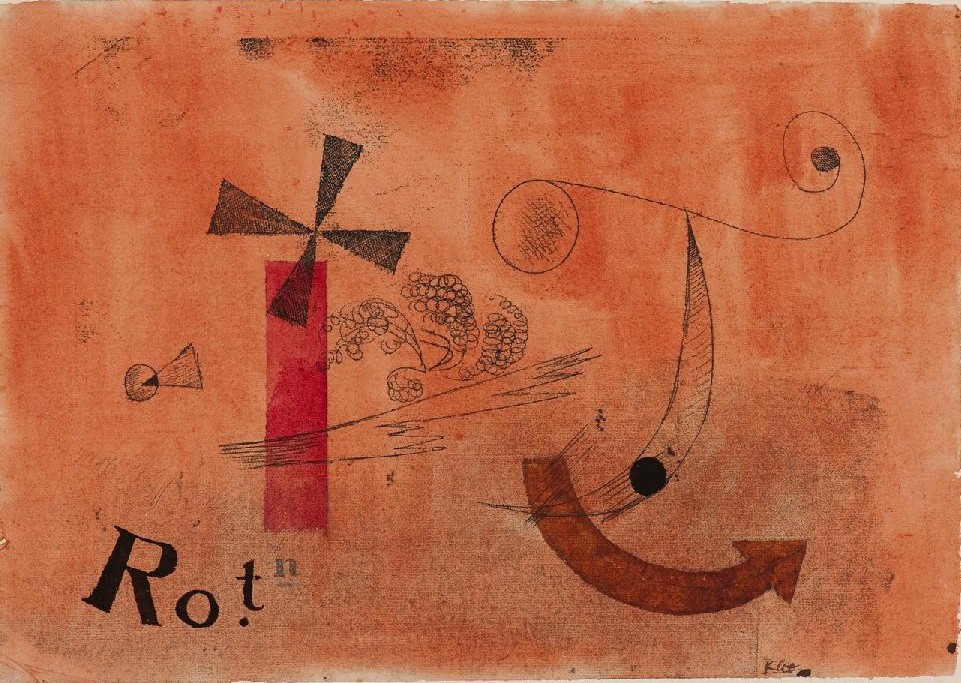
Rotation
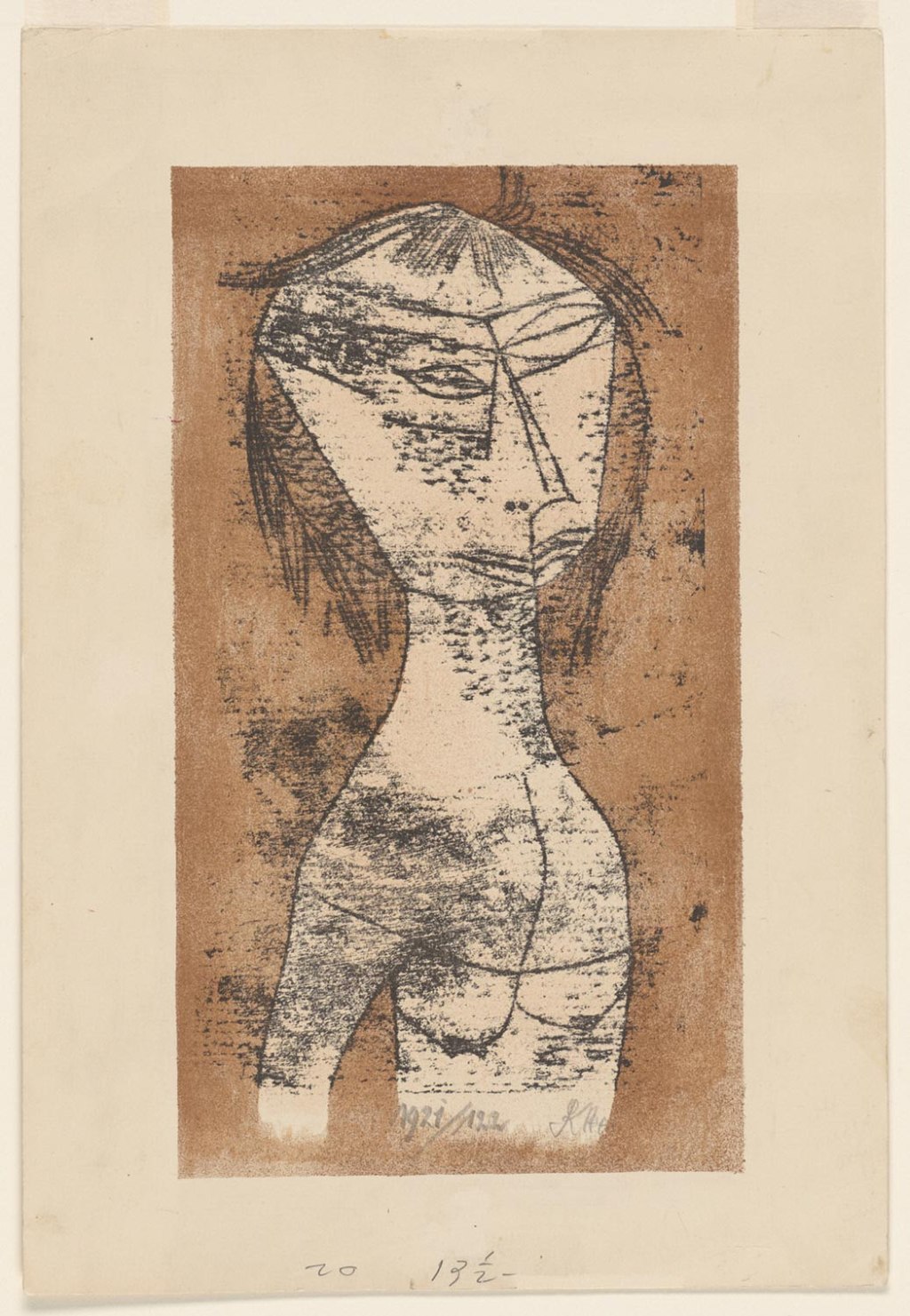
Saint of the Inner Light
1921 · Philadelphia Museum of Art 1949-63-1 · object record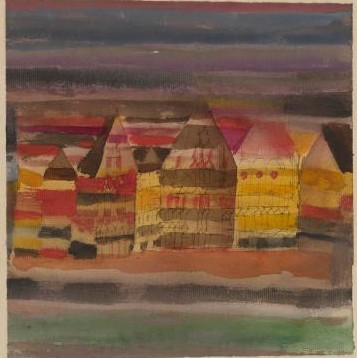
Salt
Scaffolding of a New Building
Original: Gerüst eines Neubaues 1930,41 (1930); Bavarian State Painting Collections 13338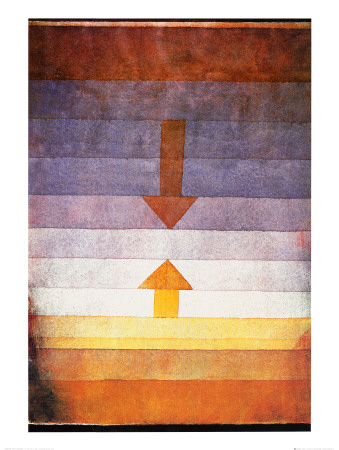
Scheidung Abends
Schlamm Assel Fisch
Scholar in Dealing with Stars
Original: Gelehrter im Umgang mit Gestirnen (1926); Bavarian State Painting Collections 14232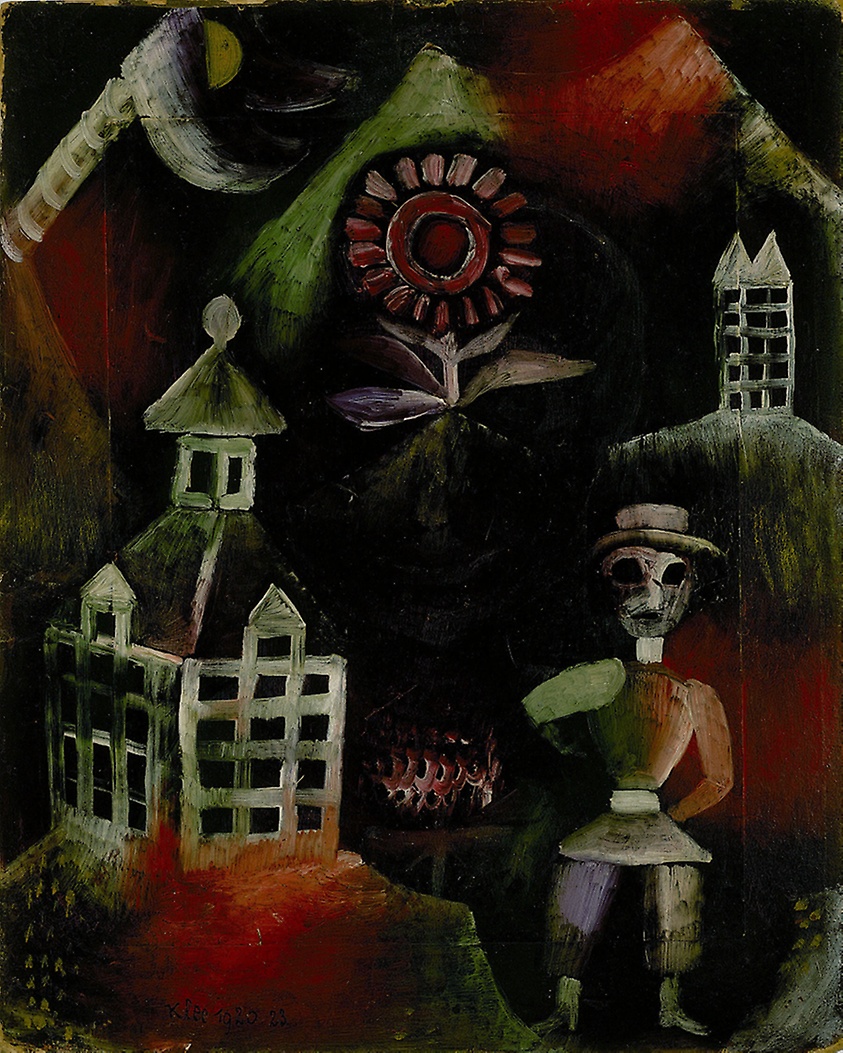
Schoolhouse
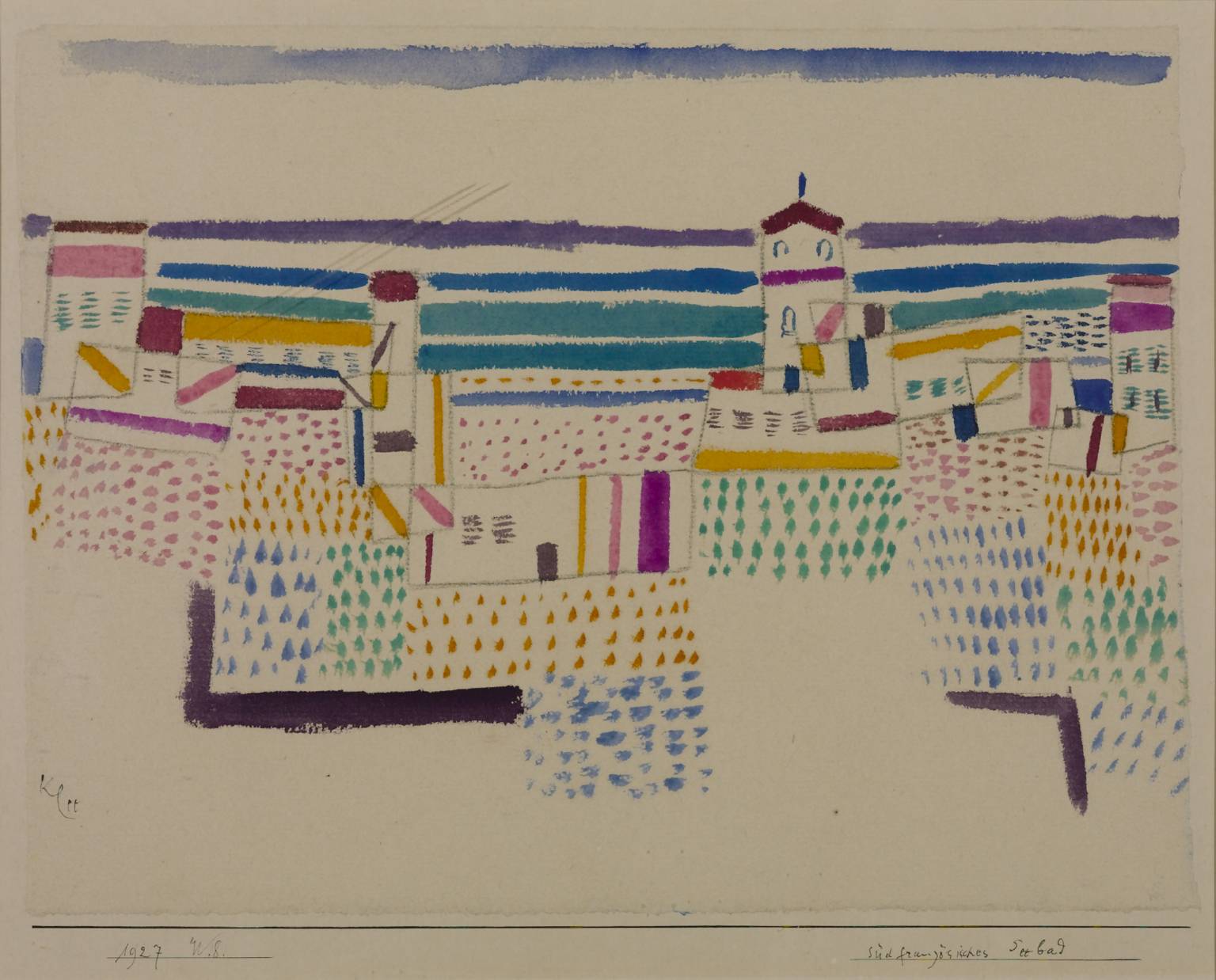
Seaside Resort in the South of France
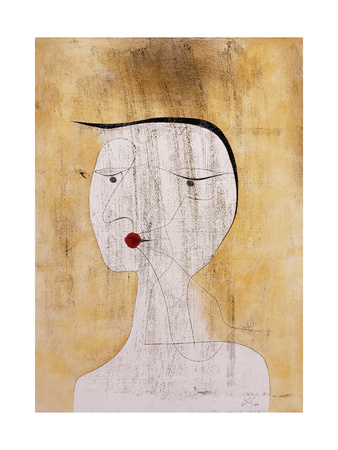
The Sealed Lady
versiegelte Dame · 1930, P 2 (62) · pen and watercolour on mounted paper · Museum Berggruen record
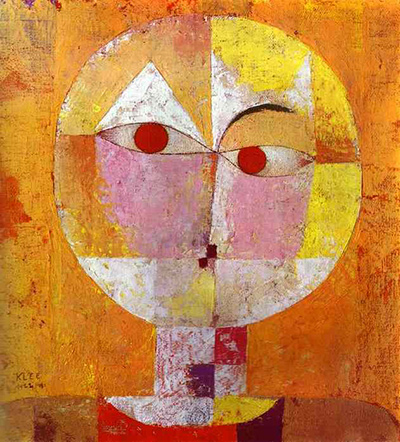
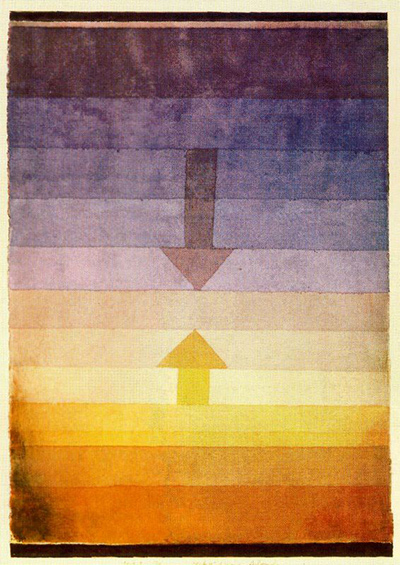
Separation in the Evening
Scheidung Abends · 1922,79 · watercolour and pencil on mounted paper · MoMA Bauhaus checklist
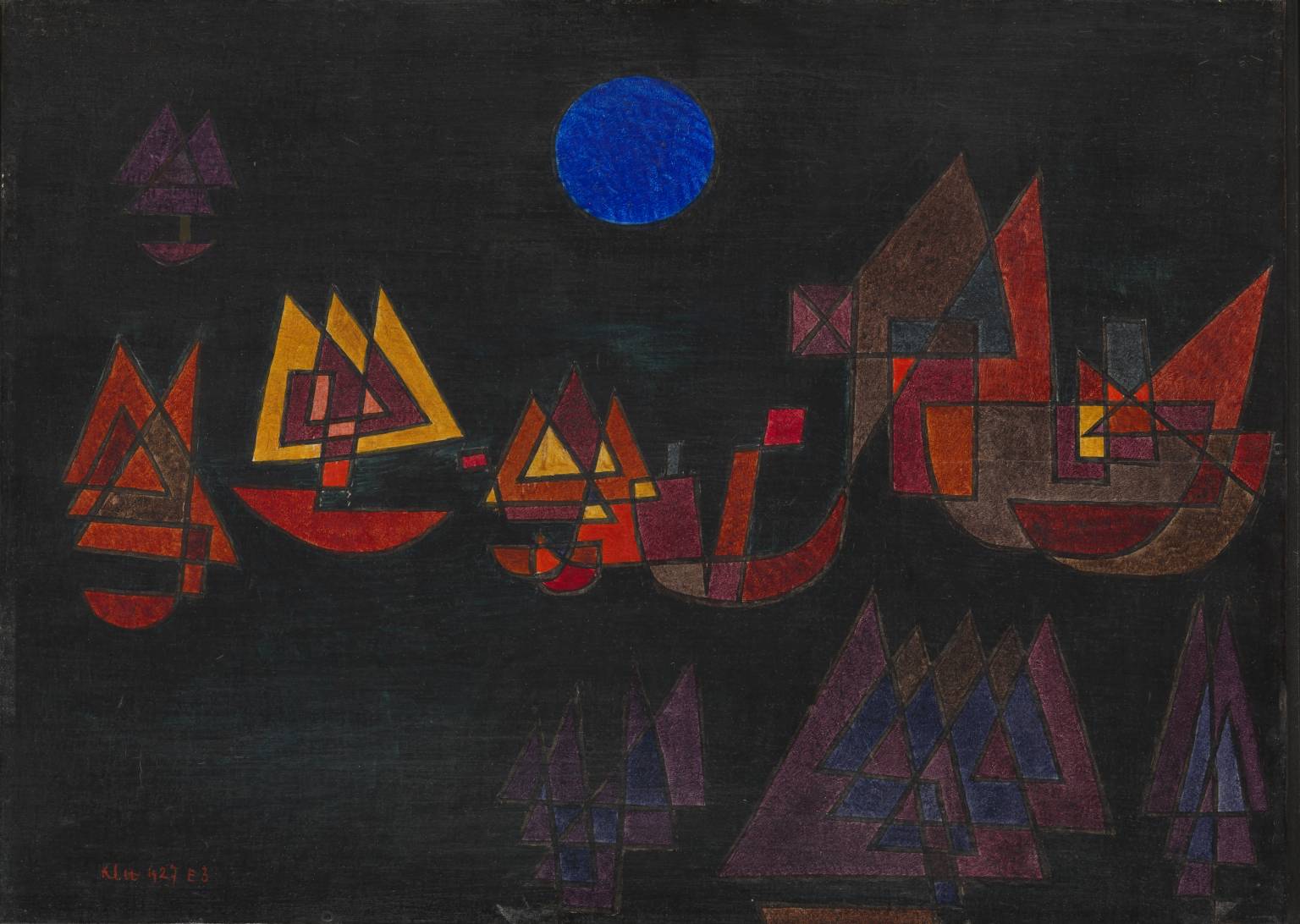
Ships in the Dark
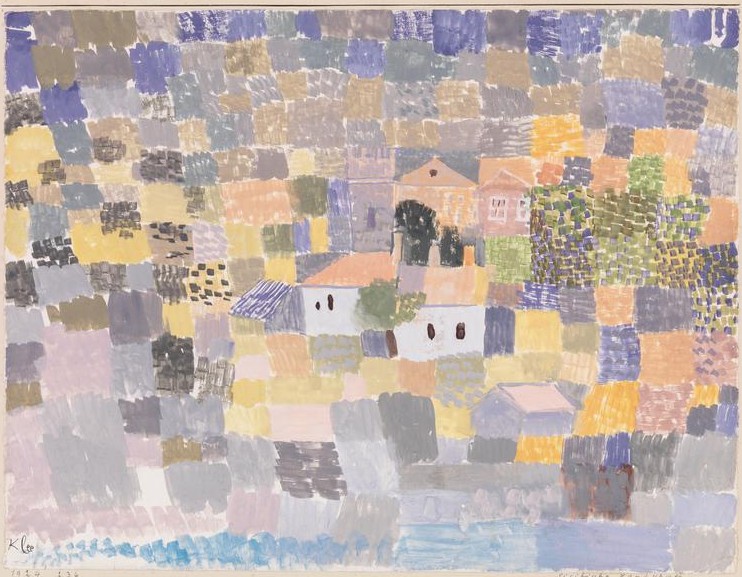
Sicilian Landscape
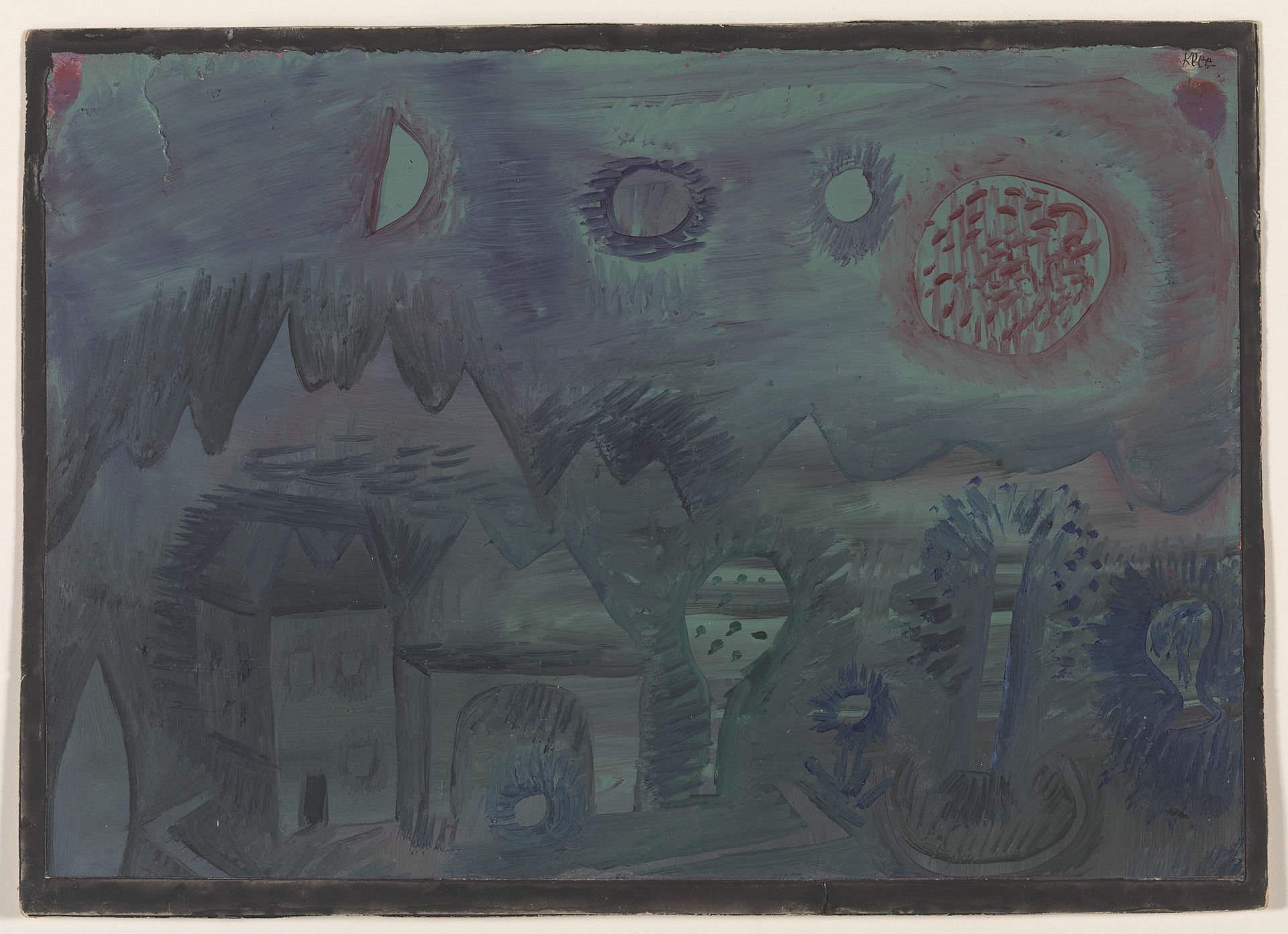
Small Houses in the Garden City
1928 · Philadelphia Museum of Art 1950-134-119 · object record
Small Landscape with Garden Door
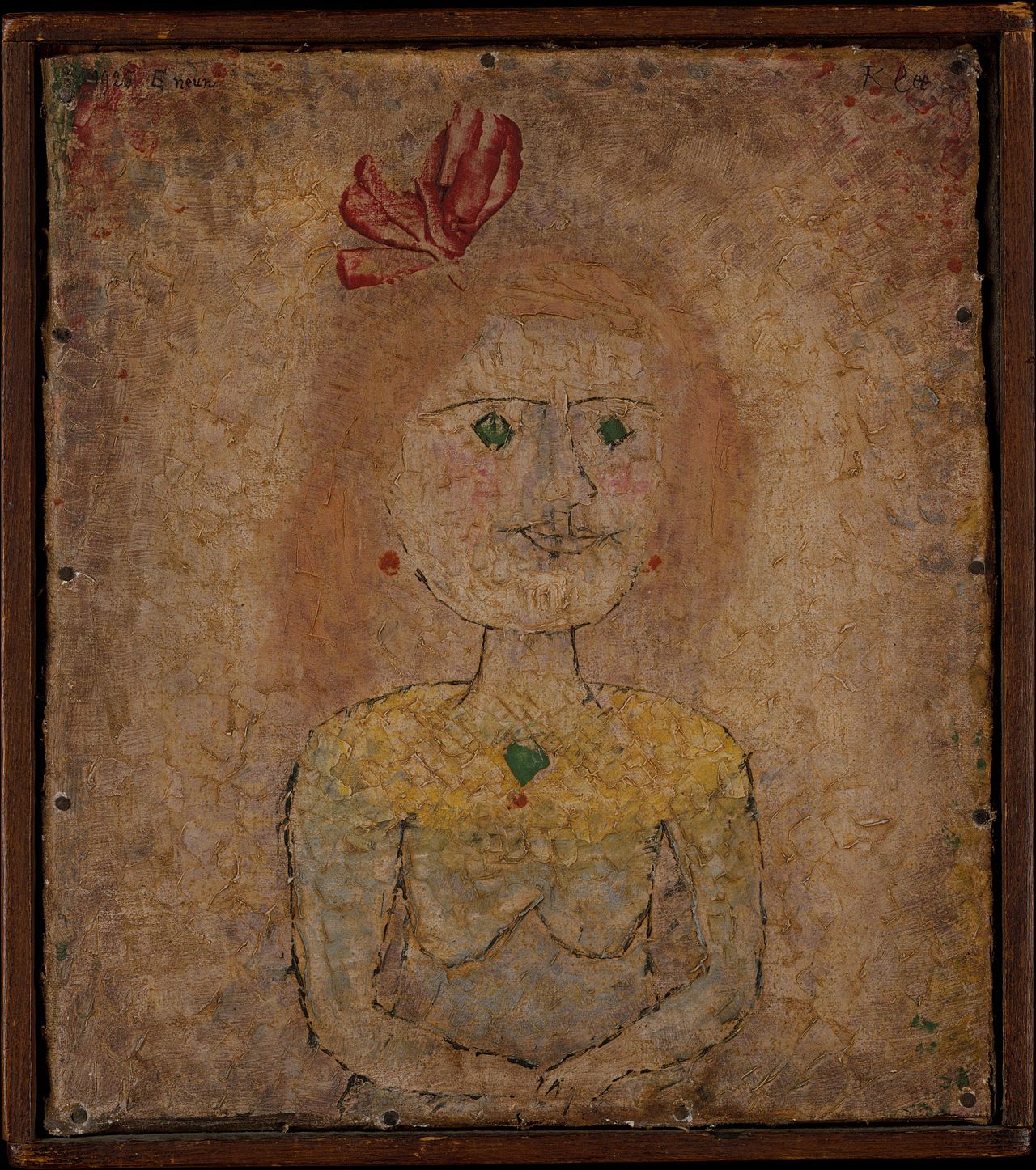
Small Portrait of a Girl in Yellow
1925 · The Met 1984.315.43ab · object record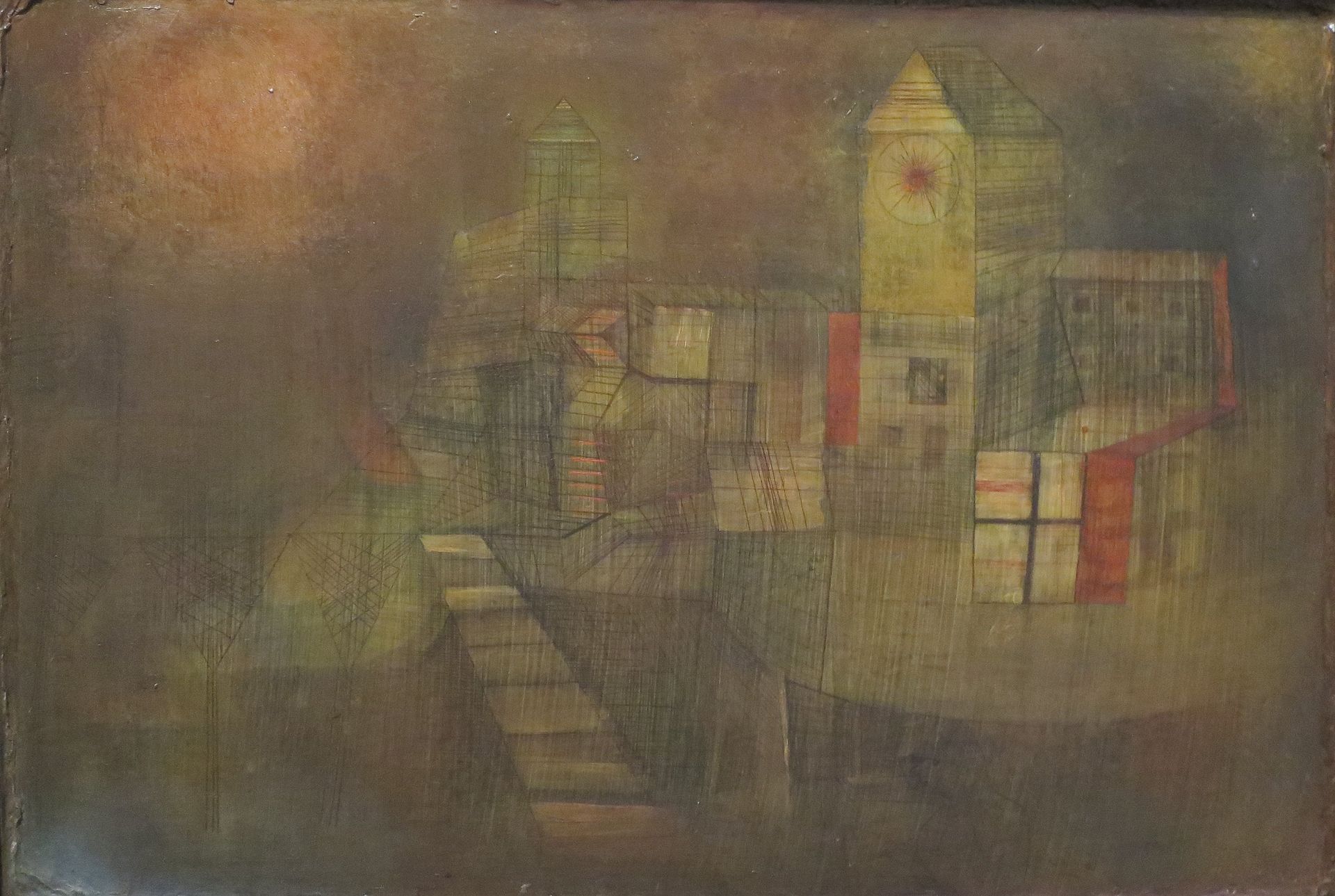
Small Village in the Autumn Sun
 Paul Klee.jpg)
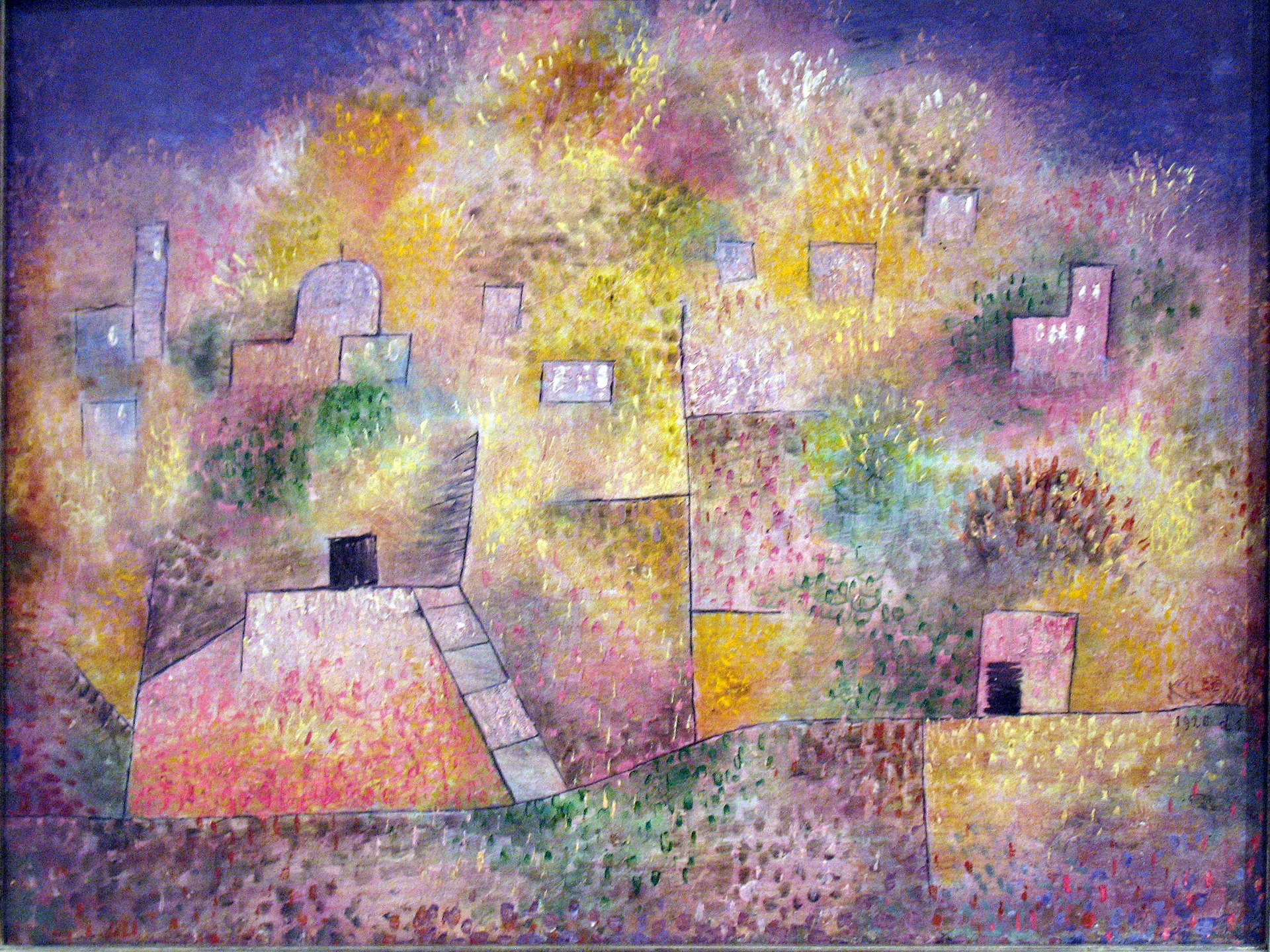
Southern Gardens (1919)
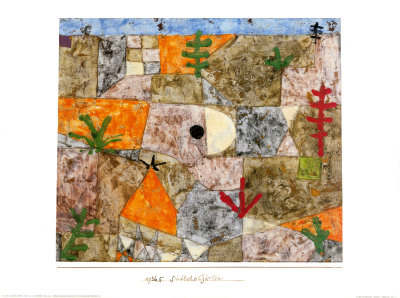
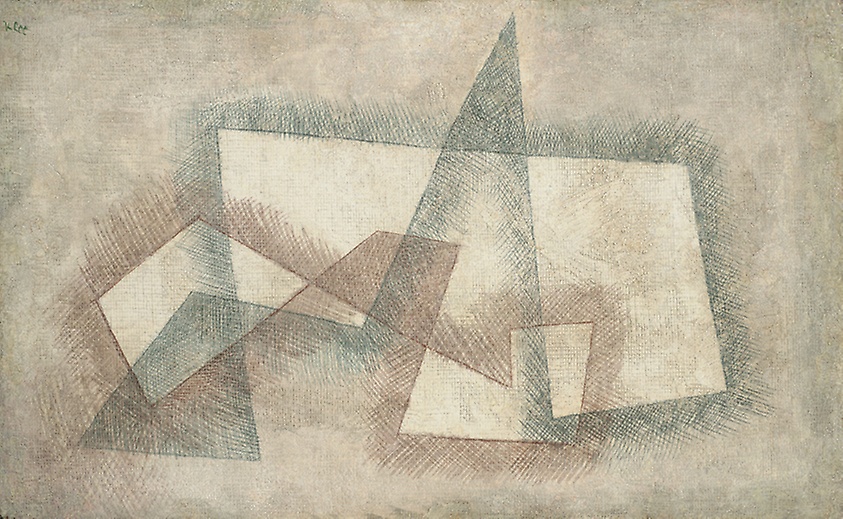
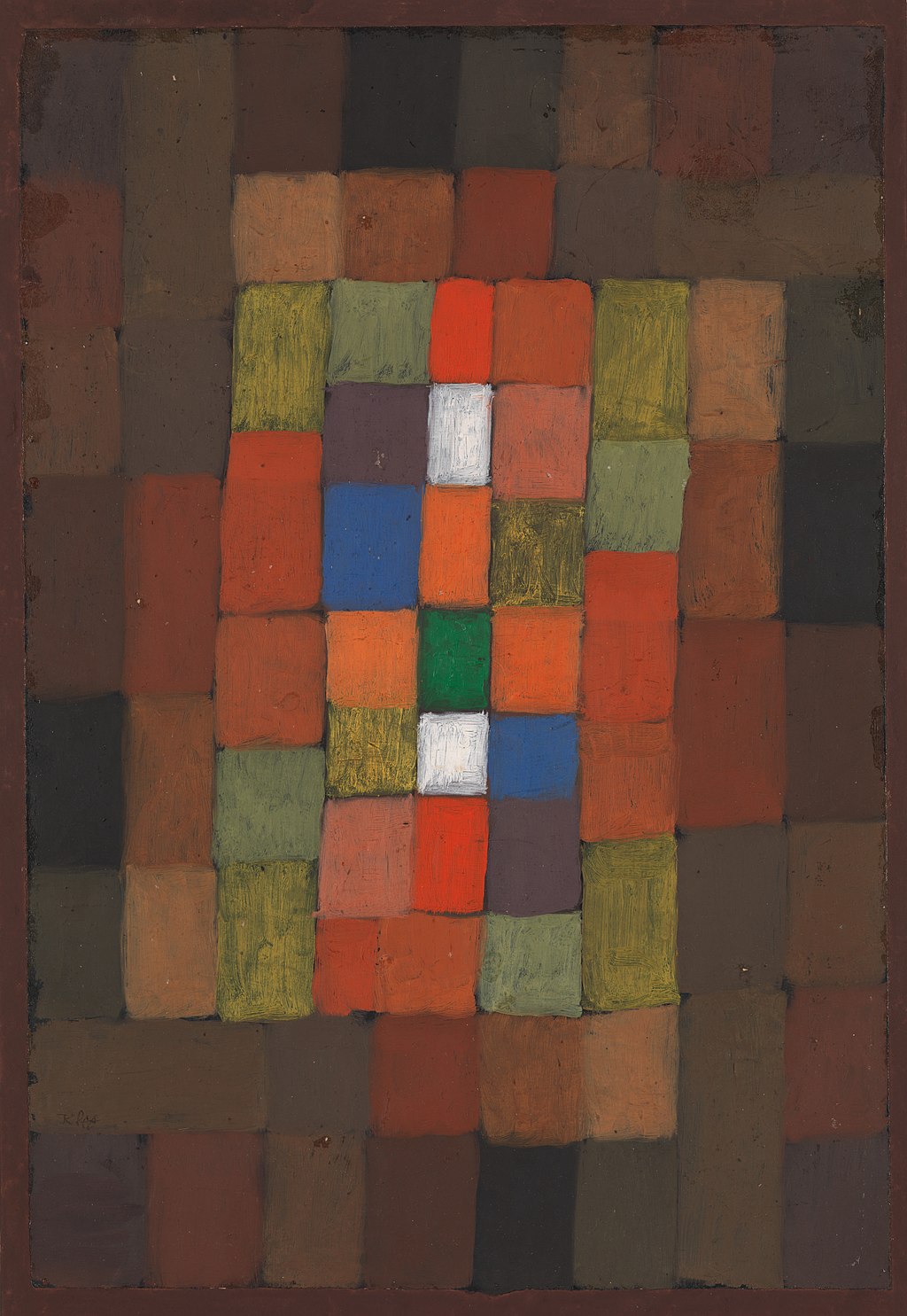
Southern Gardens
Südliche Gärten · 1919, 80 · watercolour and ink on paper mounted on cardboard · Met object 1984.208.2
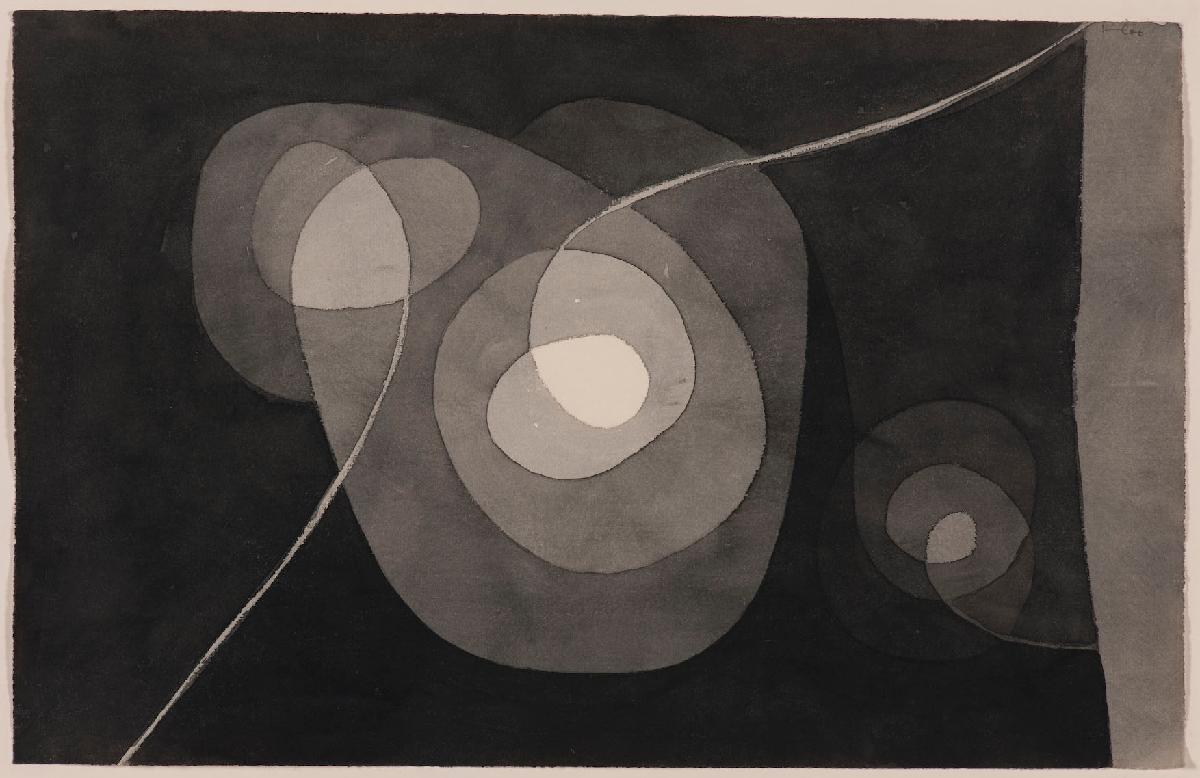
 Paul Klee.jpg)
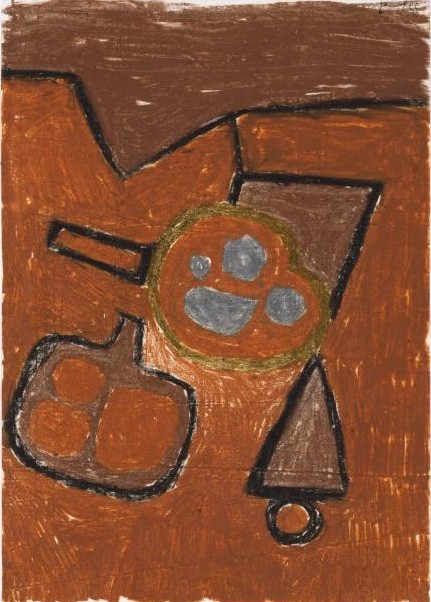

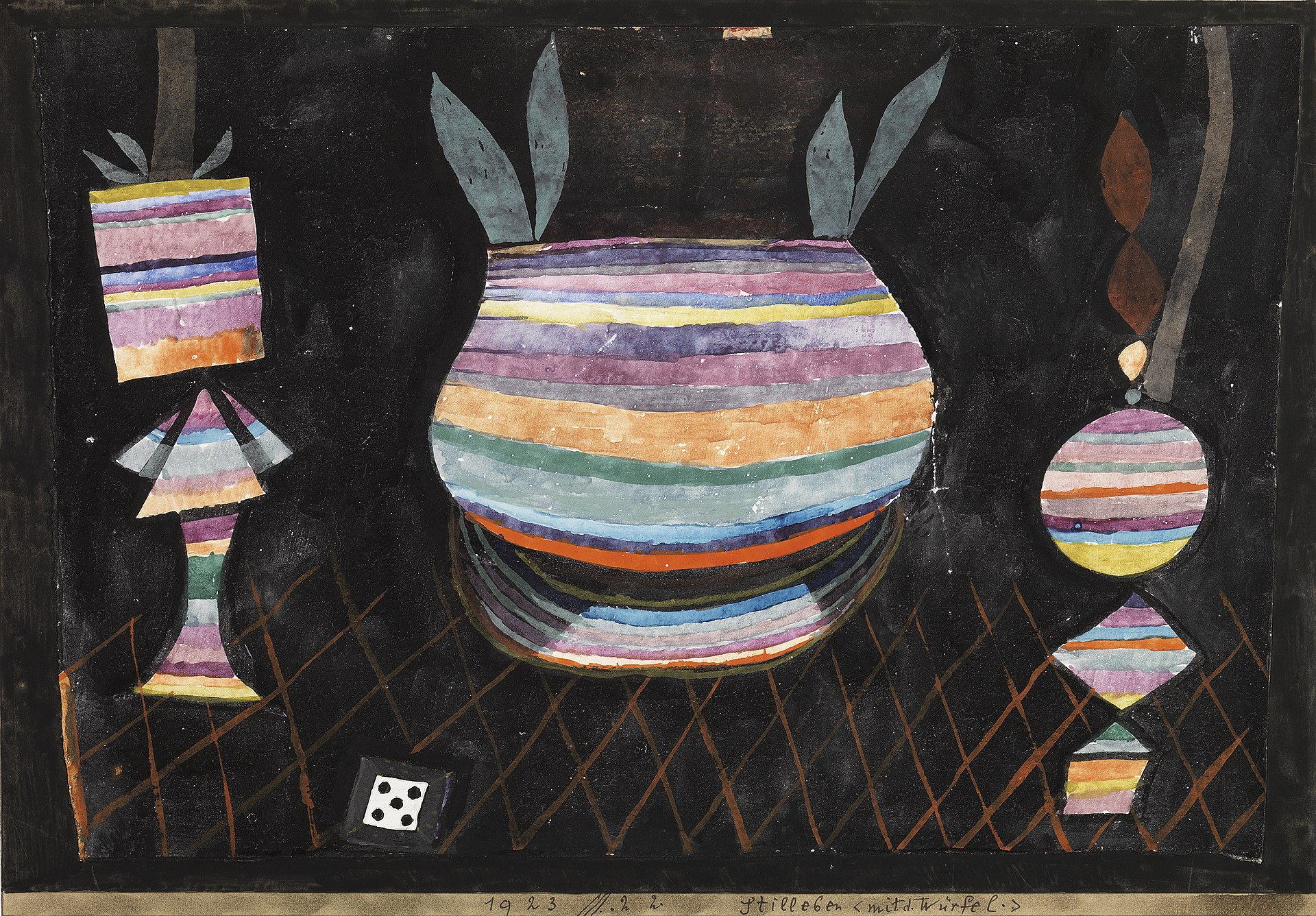
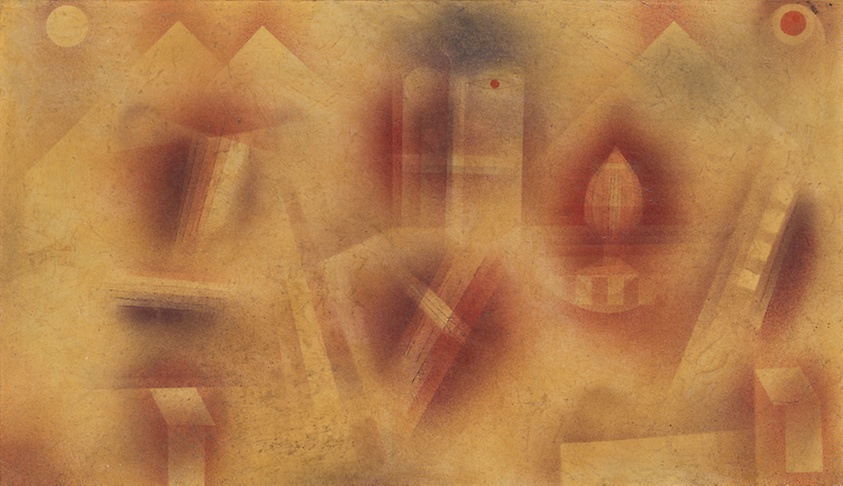
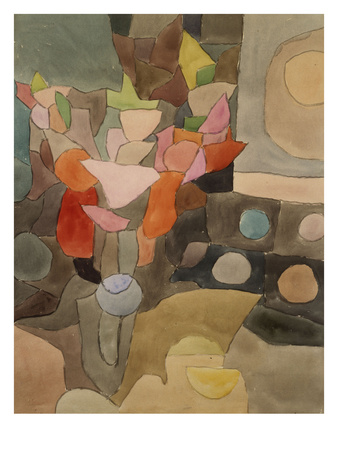
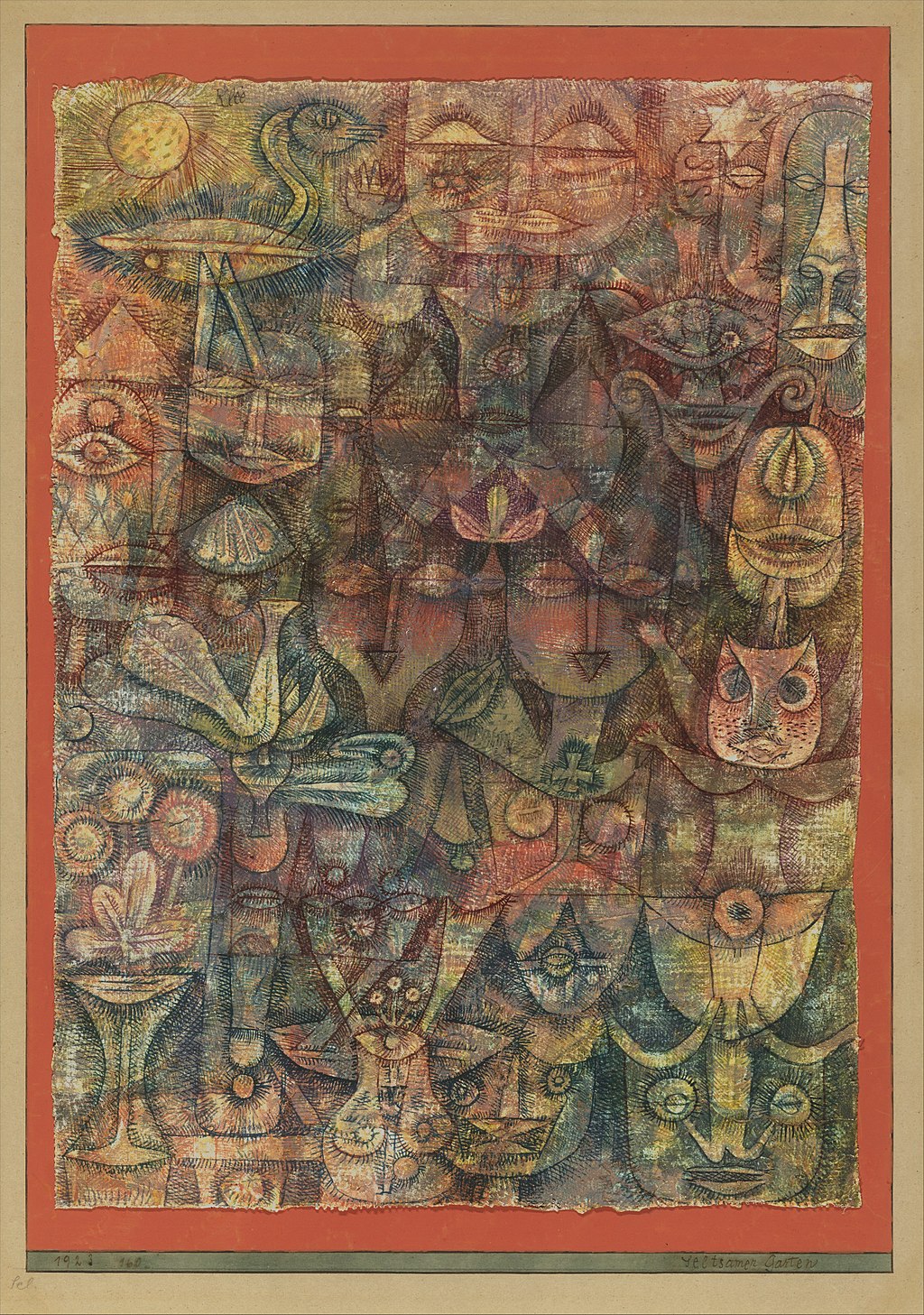
Strange Garden
1923 · The Met 1984.531 · object record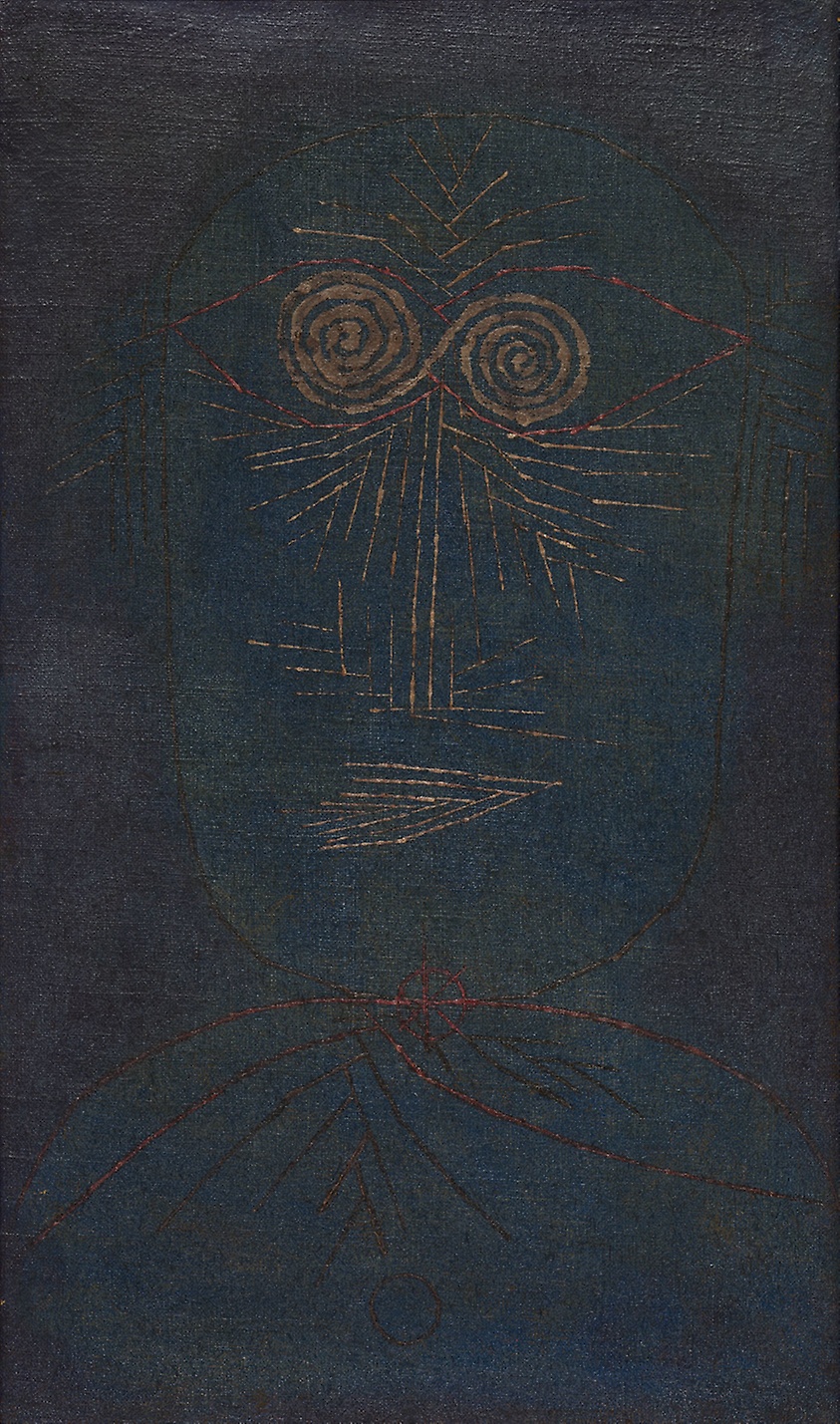
Strange Glance
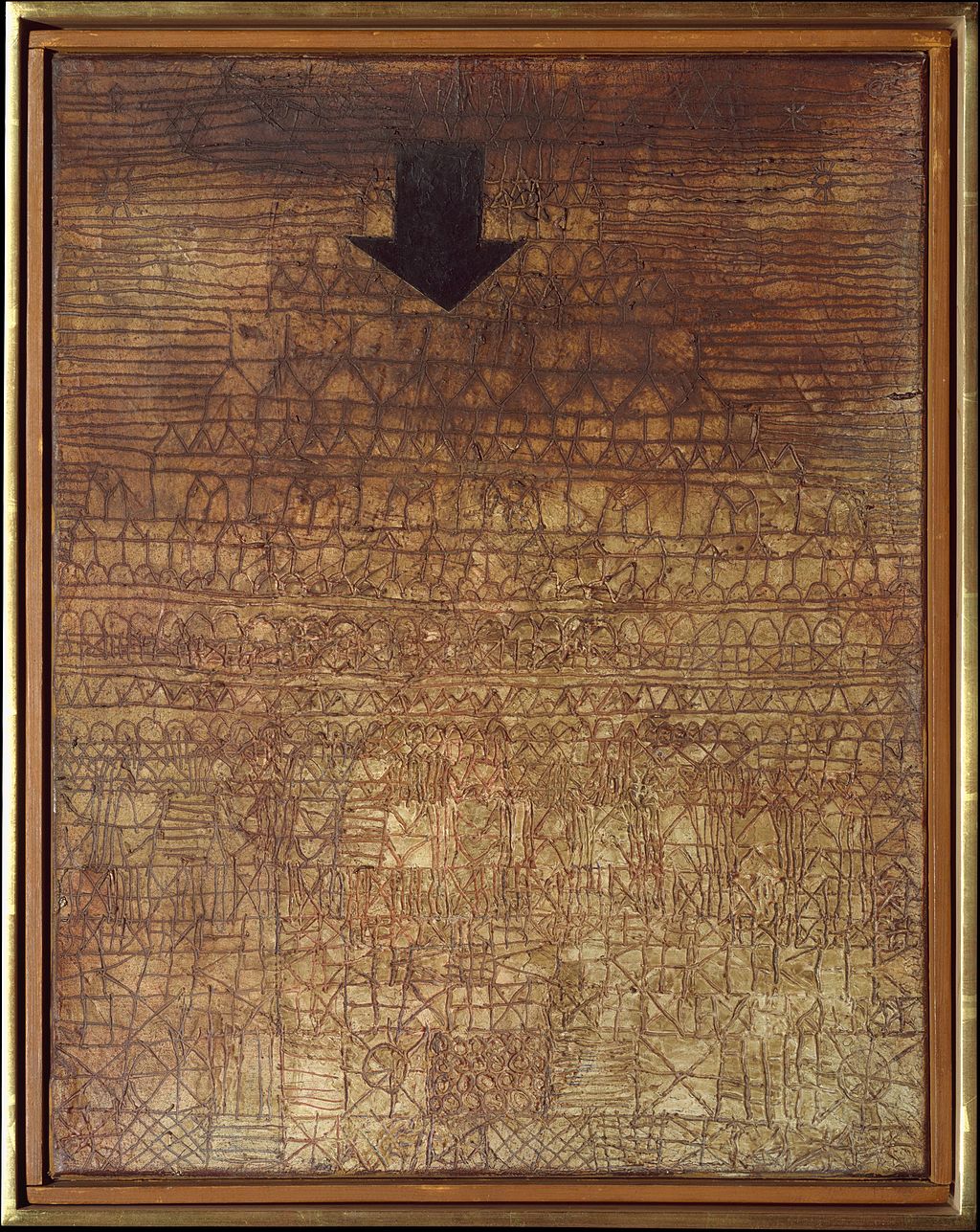
Stricken City
1936 · The Met 1987.358a, b · object record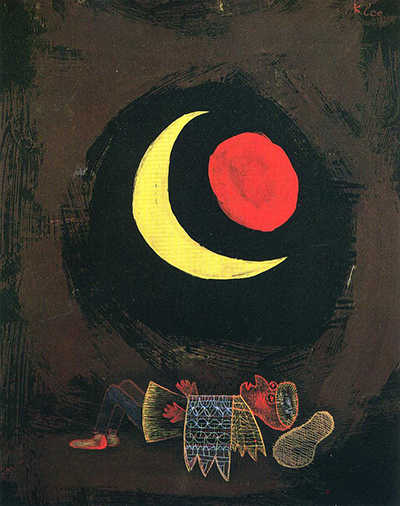
Strong Dream
Starker Traum · 1929, 3.H.33 / catalogue no. 5089 · gouache and watercolour on paper · Christie’s object record
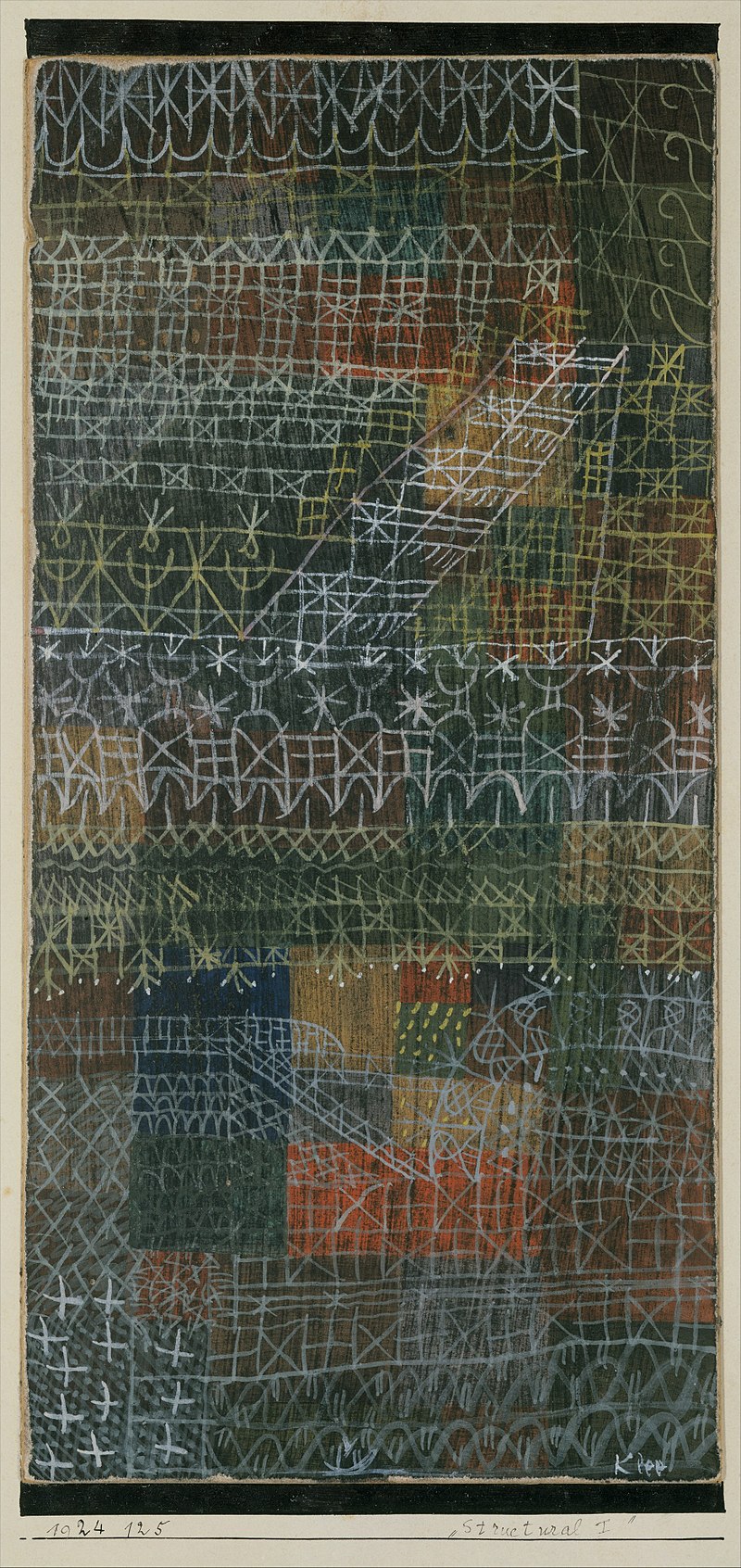
Structural I
1924 · The Met 1984.315.38 · object record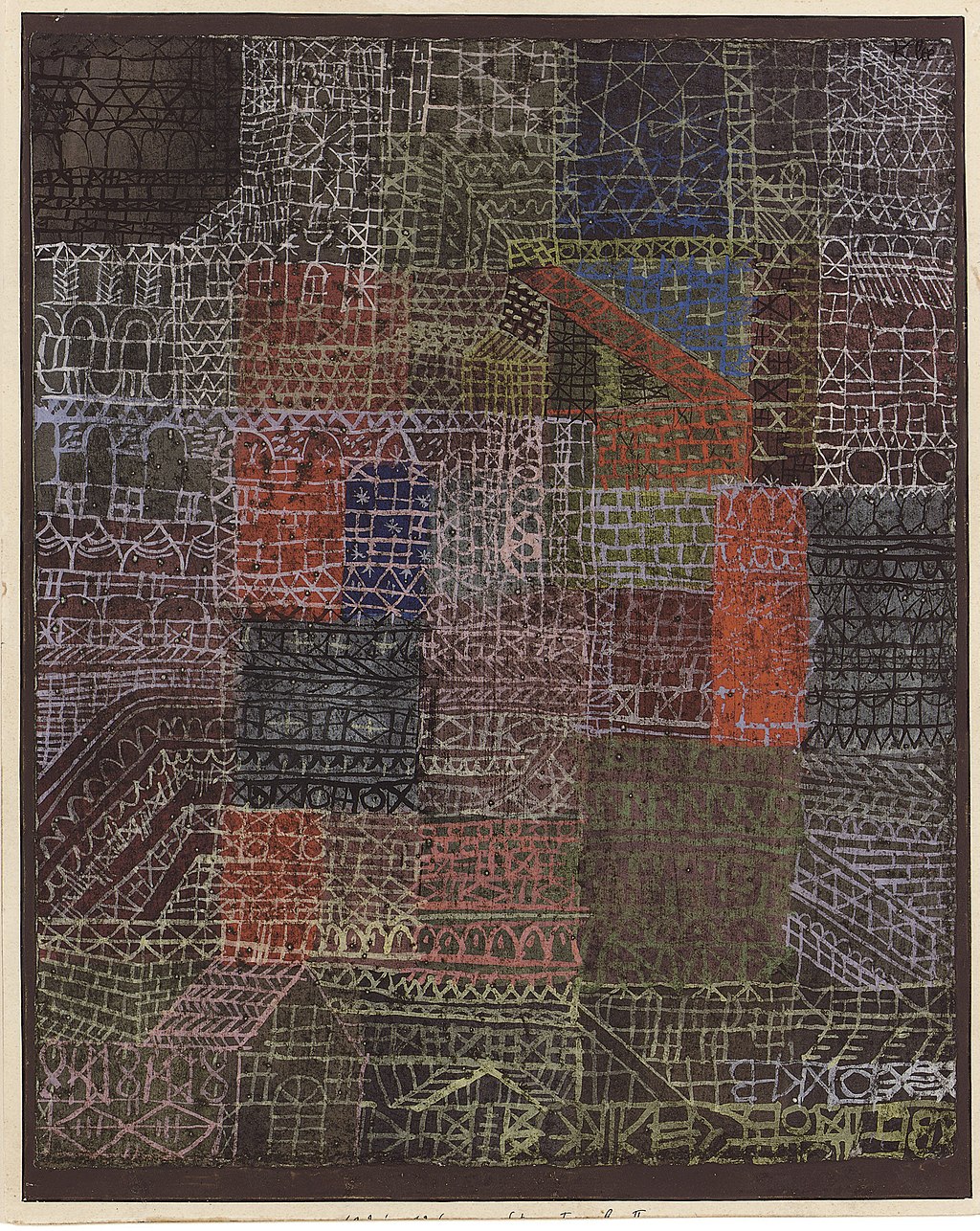


After browsing the grid
Alphabetical order puts a 1914 North African watercolour beside works from Klee’s Bauhaus years and final years. It is useful for finding a name precisely because it suspends chronology. The underlying annual number, medium and collection restore that chronology for each identified object. A title translation helps readers search; it does not replace the physical work or the documentation held by its owner.[2][3]
The local H–S list is still being checked card by card. Confirmed duplicate names can be joined, exact pictures can be traced to collection images, and older page routes can be evaluated without silently converting an inherited caption into a claim of authenticity. Return to the paintings guide for a chronological approach, or continue the alphabet in T–Z.[3]
References
- Zentrum Paul Klee, collection overview, English; the museum’s estimate for works on paper and its account of sensitive materials, View source.
- Zentrum Paul Klee, archive and research, German; distinctions among the handwritten Œuvre-Katalog, nine-volume printed catalogue and continuing on-site database, View source.
- The History of Art, internal 359-row catalogue identity and rights worklist, H–S research dossier and dated bilingual duplicate audit, 26 September 2026. Internal route and image evidence; not an independent authentication authority.
- Metropolitan Museum of Art, Hammamet with Its Mosque, owner record, 1914, medium, dimensions and museum interpretation, View source.
- Roger Benjamin, “A Crystalline Hammamet”, pp. 126–39, specialist account of the topography, colonial setting and picture construction; see the dedicated work dossier for source limits, View source.
- Zentrum Paul Klee, Mapping Klee, German Tunisia itinerary and Bern work caption for 1914,211; Fondation Beyeler, 2017 exhibition press dossier for the same work.
- Los Angeles County Museum of Art, distinct Kairouan work 1914,210; 2014 Tunis colloquium proceedings, French, on both numbered variants and later analogies.
- Staatliche Museen zu Berlin, Das Universum Klee bilingual worklist, 2008, entries for 1918,17, 1929,90, 1933,424 and other works. A dated exhibition checklist, not a current owner database, View source.
- Museum Ludwig, indexed Hauptweg und Nebenwege object record, German; the current object display was access-challenged. ZDF with Museum Ludwig, Geheimnis der Bilder, German surface and composition account.
- Marianne Keller Tschirren, “Ritmo”, in Fundación Juan March and Zentrum Paul Klee, Paul Klee: maestro de la Bauhaus (Madrid, 2013), Spanish, pp. 126–28, View source.
- Solomon R. Guggenheim Museum, museum-contributed Commons file for In der Strömung sechs Schwellen, title, 1929, medium, dimensions, accession and image provenance; exact local comparison retained in the internal audit, View source.
- Museum of Modern Art, Mask of Fear, current object and gallery label, View source.
- The Jewish Museum, Paul Klee: Other Possible Worlds checklist, 2026, entry 33 for 1932,286; see the dedicated mask manuscript for the separate 1984 debate and limits of the analogy, View source.
- Kunstmuseum Basel, Zerrissene Moderne German booklet, Senecio medium, acquisition and botanical title reading; French booklet, a translation of the same museum account.
- Solomon R. Guggenheim Museum, New Harmony, owner record and collection essay; musical and symmetry connections are attributed interpretations, View source.
- Solomon R. Guggenheim Museum, Visionaries teacher resource, pp. 11–12, Red Balloon record and interpretation, View source.
- Zentrum Paul Klee, Paul Klee Foundation collection page, German object caption for Insula dulcamara, 1938,481 (C 1) and materials, View source.
- Museum of Modern Art, European Master Paintings from Swiss Collections, printed p. 150, historical Insula dulcamara interpretations, read as proposals rather than object facts, View source.
- Staatliche Museen zu Berlin, reference 8, 1918,17 object; Zentrum Paul Klee, 2015 German video synopsis on the unknown poem source and probable authorship, View source.
- Miyagi Museum of Art, 2006 Japanese exhibition checklist, item 97, and 2026 bilingual collection display list, discrepant medium wording for Still Life with Gladioli.
- Staatliche Museen zu Berlin, reference 8, 1933,424; The Jewish Museum, 2026 exhibition texts, political and interpretive setting for Struck from the List, View source.
- Staatliche Museen zu Berlin, reference 8, 1918,162; Commons file for Irma Rossa die Bändigerin. Exact local binary comparison is retained in the internal audit, View source.
- Minneapolis Institute of Art, museum-sourced Commons file for Howling Dog and museum-supplied Arts & Culture account. Pixel comparison is retained in the internal audit.
- Zentrum Paul Klee, Klee musically guide, German, on Klee’s musical practice; The Jewish Museum, 2026 exhibition labels, PDF p. 85 for Paukenspieler, 1940,270.
- National Gallery of Art, New House in the Suburbs, 1924 owner record and object description; local exact-name PNG and its reproduction provenance are separately logged in the H–S worklist, View source.
- National Gallery of Art, Persische Nachtigallen (Persian Nightingales), owner record, accession 1990.59.2, artist inscription 1917 92, medium, catalogue raisonné citation and object-specific public-domain media statement, View source.
- Bavarian State Painting Collections, Hafenbild, 1918, inv. 14230; owner title, mixed-media fabric-on-cardboard description and object image visually matched to the inherited H–S tile, View source.
- Bavarian State Painting Collections, Denkmal auf einem Friedhof, 1922, inv. 14231; owner medium fields and object image visually matched to the inherited Monument in a Cemetery tile, View source.
- Bavarian State Painting Collections, Gerüst eines Neubaues 1930,41, 1930, inv. 13338; gouache-on-paper owner record and object image matched to the inherited Scaffolding of a New Building tile, View source.
- Bavarian State Painting Collections, Sängerin der komischen Oper, 1927, inv. 14233; tempera-on-cardboard owner record and exact-picture visual comparison with Comic Opera Singer, View source.
- Bavarian State Painting Collections, Gelehrter im Umgang mit Gestirnen, 1926, inv. 14232; owner watercolour/possible-tempera wording and exact-picture comparison with Scholar in Dealing with Stars, View source.
- Bavarian State Painting Collections, Grenzen des Verstandes, 1927, inv. 14234; tempera-on-canvas owner record and exact-picture comparison with Limits of Reason, View source.
