


 by Tom Gurney
Tom Gurney BSc (Hons) is an art history expert with over 20 years experience
Published on June 19, 2020 / Updated on October 14, 2023
Email: tomgurney1@gmail.com / Phone: +44 7429 011000
Kandinsky Paintings: A Guide Through the Work
Wassily Kandinsky's paintings did not move in one straight line from landscape to geometry. Early riders, hills and city views gave way to canvases where colour and line carried much of the expressive force; later he worked with precise shapes at the Bauhaus and small, organic-looking forms in France. The changes are easier to see by comparing actual works than by attaching one label to an entire career. This guide groups the paintings by period and visual question, with links to individual object pages and a searchable artwork directory below. [1]; [2].
The selection includes oil paintings whose medium and date are backed by collection records, along with cross-links to related studies where those help explain a canvas. Kandinsky also made watercolours, drawings and prints; those belong in their own guides rather than being quietly counted as oil paintings. The site's wider directory includes 91 artwork routes, with conservative labels where the exact medium still needs verification. Begin with a painting you recognise, then follow the comparisons to see what Kandinsky changed and what he retained.
Explore Kandinsky’s artworks
The original image gallery: 91 works, each linked to its own article. Use the searchable directory further down to filter by medium.
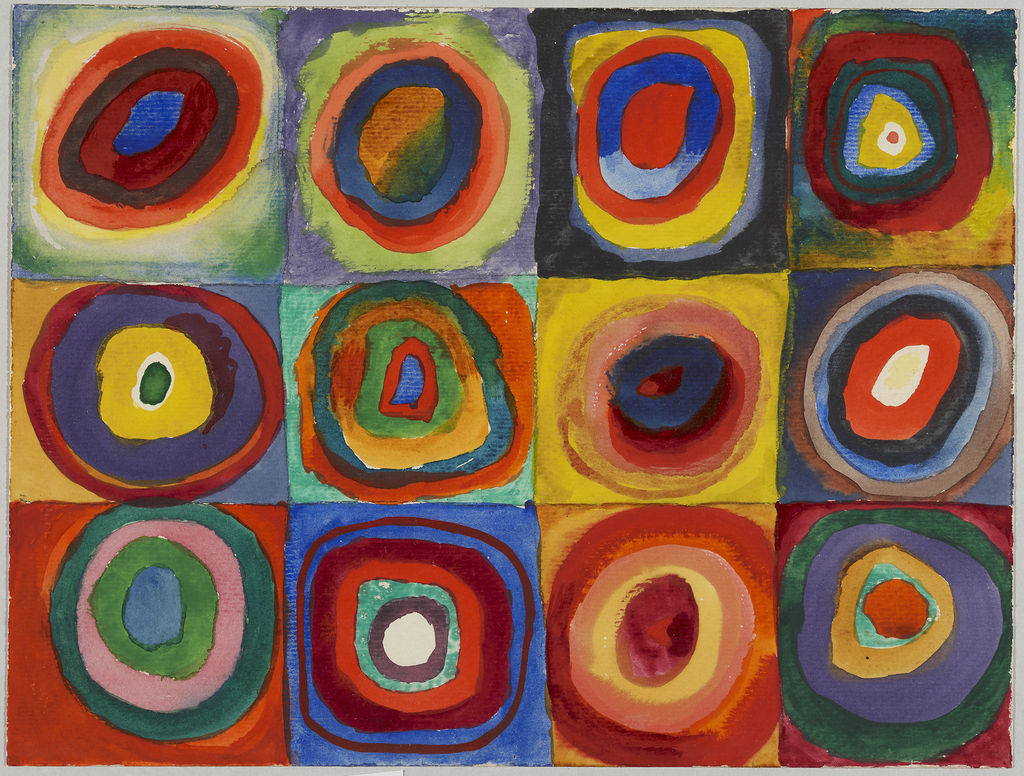 Squares with Concentric Circles
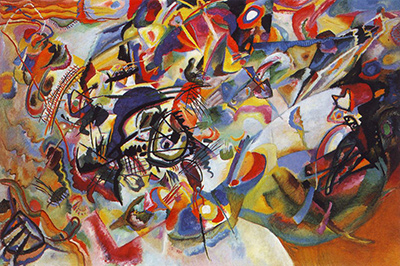 Composition VII
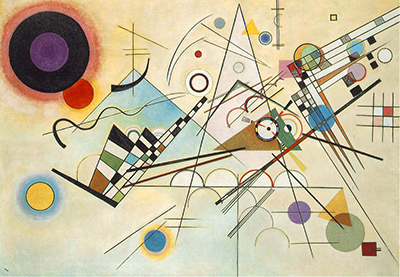 Composition VIII
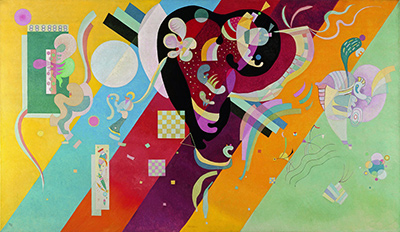 Composition IX
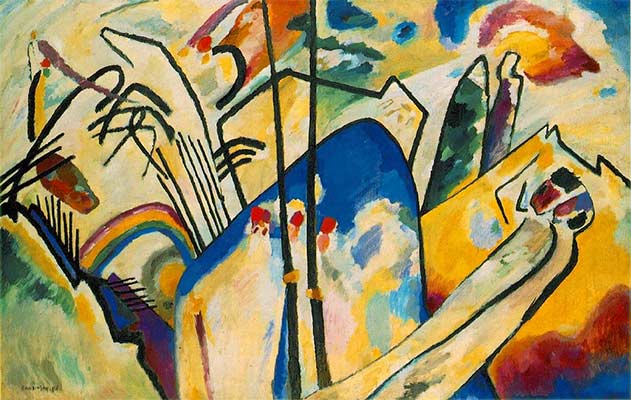 Composition IV
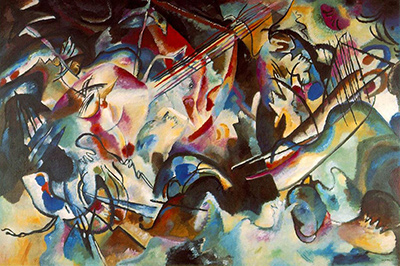 Composition VI
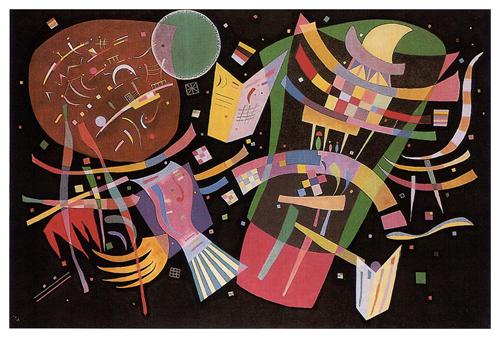 Composition X
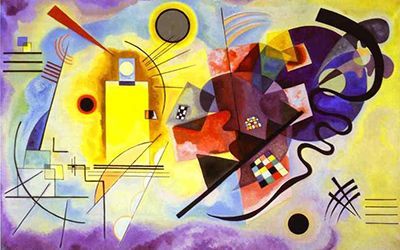 Yellow, Red, Blue
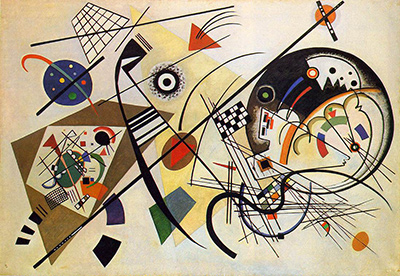 Transverse Line
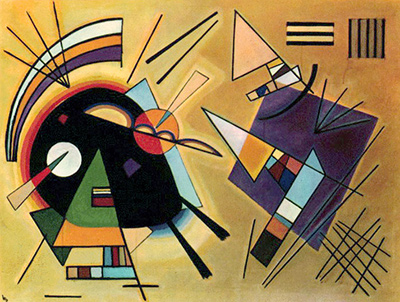 Black and Violet
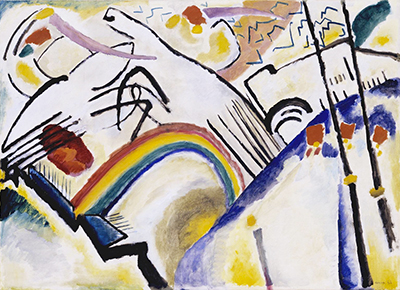 Cossacks
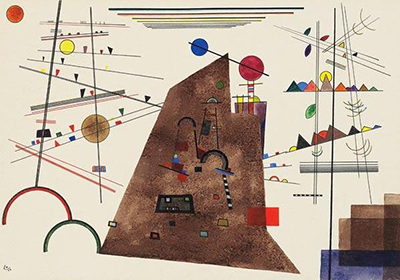 Between Heaviness and Lightness
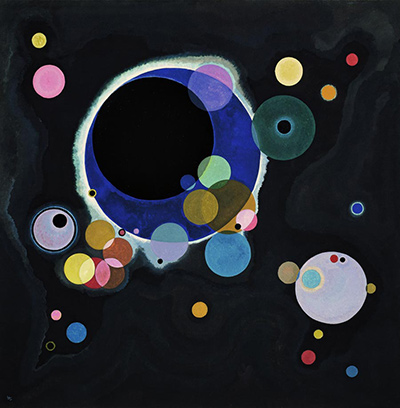 Several Circles
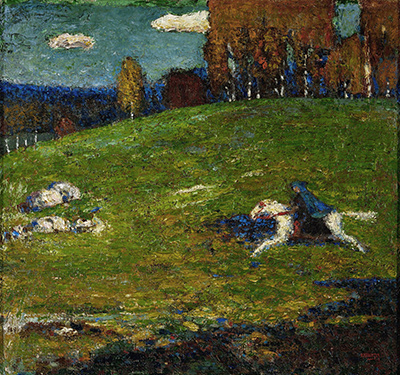 The Blue Rider
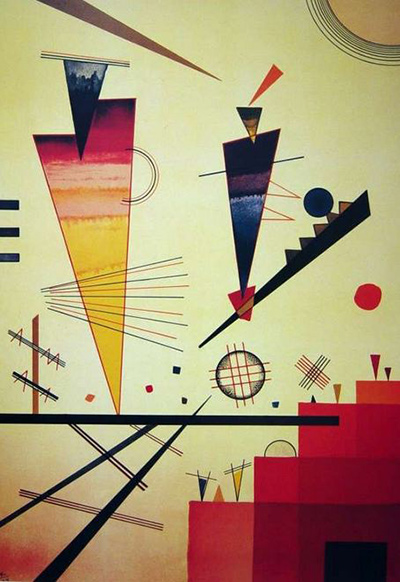 Merry Structure
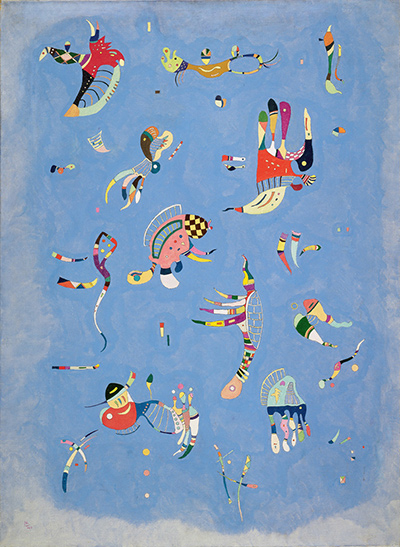 Sky Blue
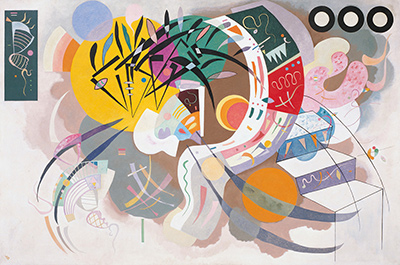 Dominant Curve
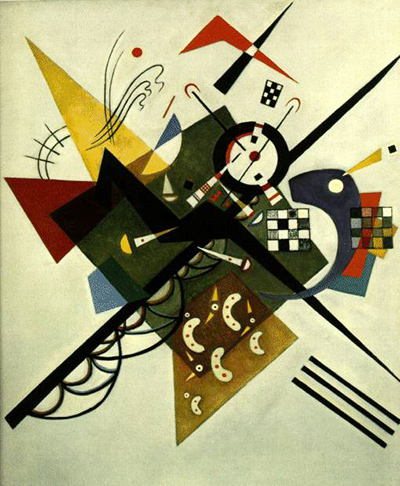 On White II
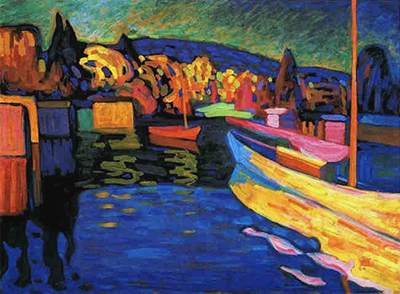 Autumn Landscape with Boats
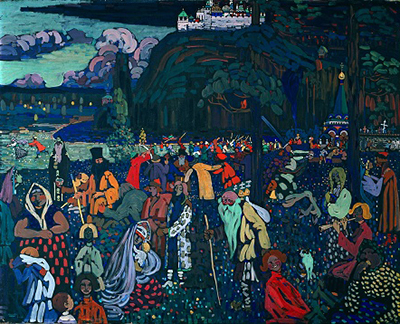 Colourful Life
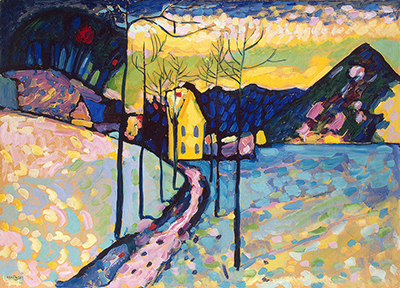 Winter Landscape
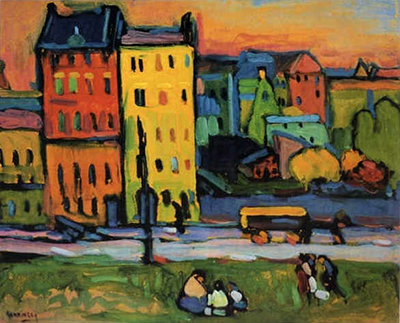 Houses in Munich
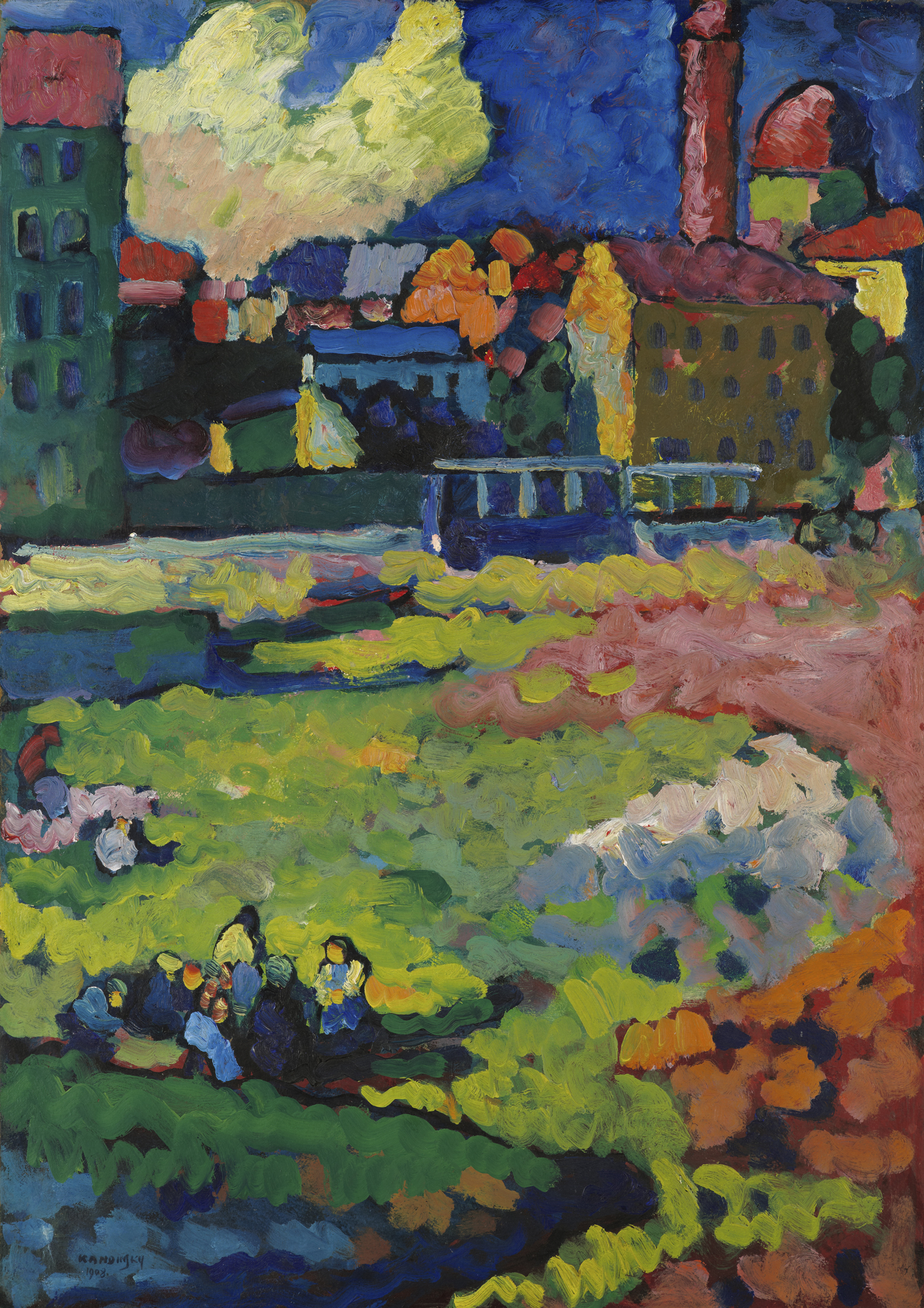 Munich-Schwabing with the Church of St Ursula
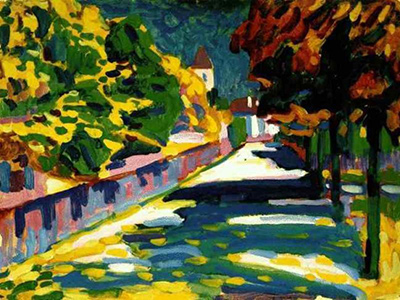 Autumn in Bavaria
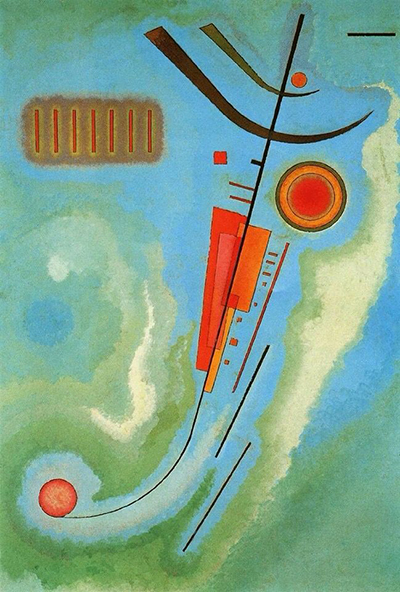 Leger
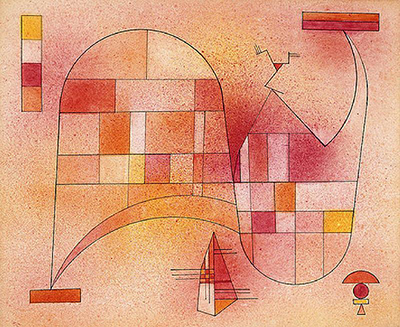 Yellow Rose
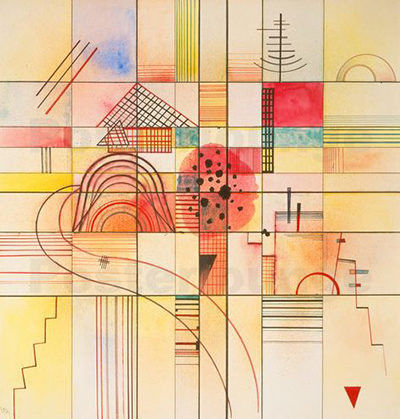 Varied Rectangles
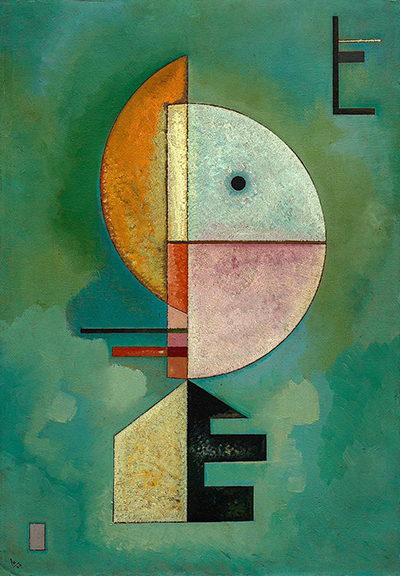 Upwards
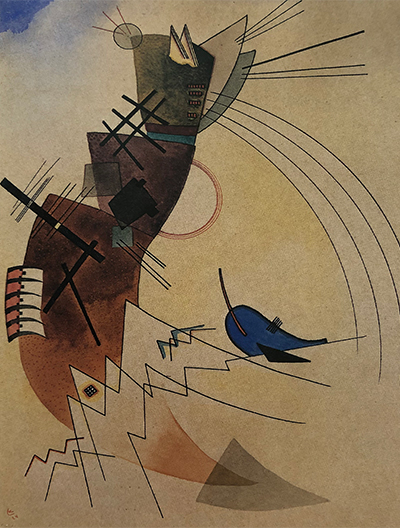 Ascending
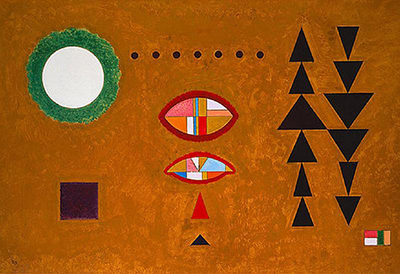 White-White
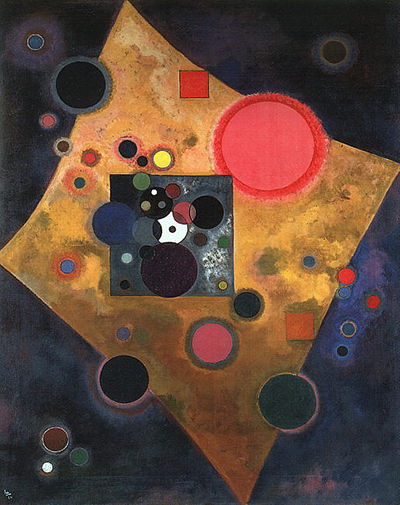 Accent on Rose
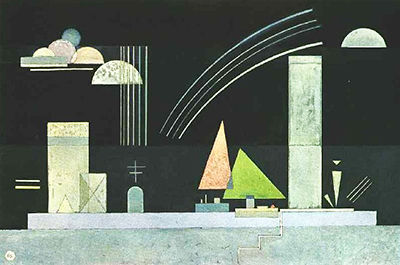 At Rest
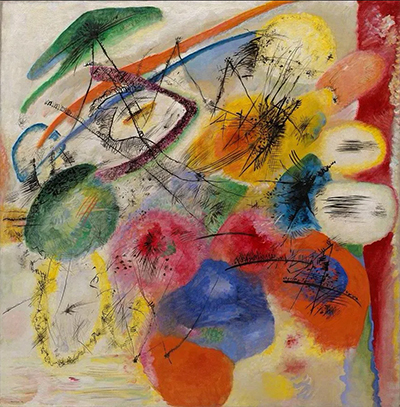 Black Lines
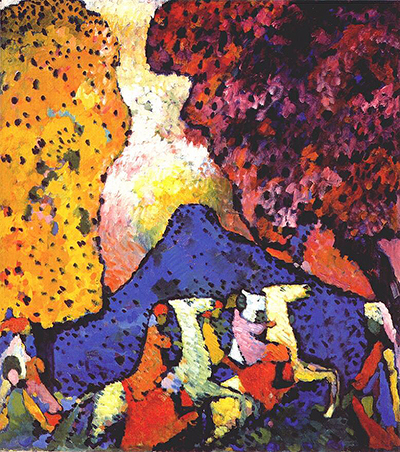 Blue Mountain
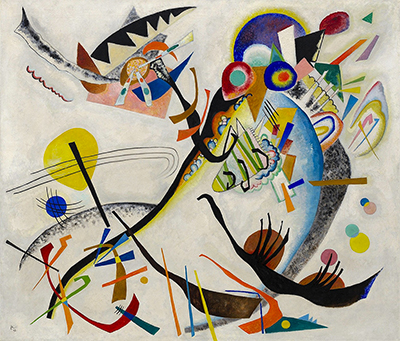 Blue Segment
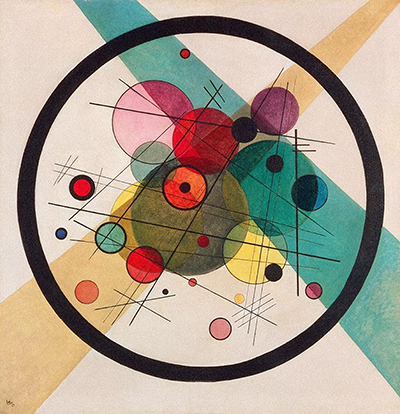 Circles in a Circle
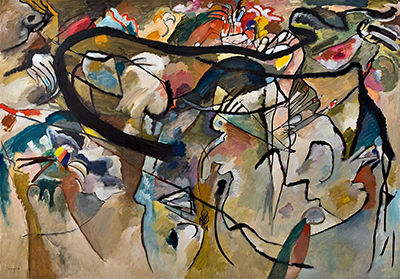 Composition V
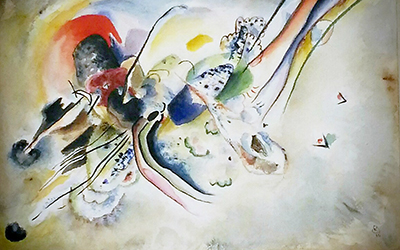 Composition
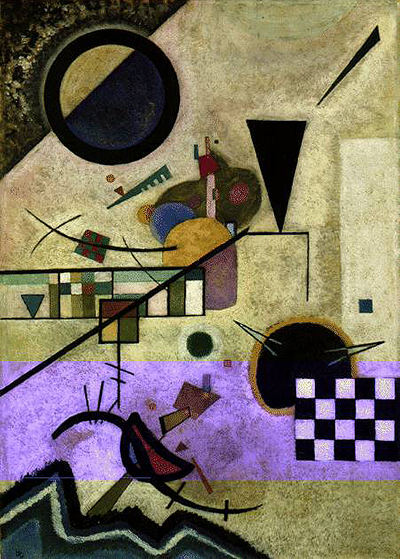 Contrasting Sounds
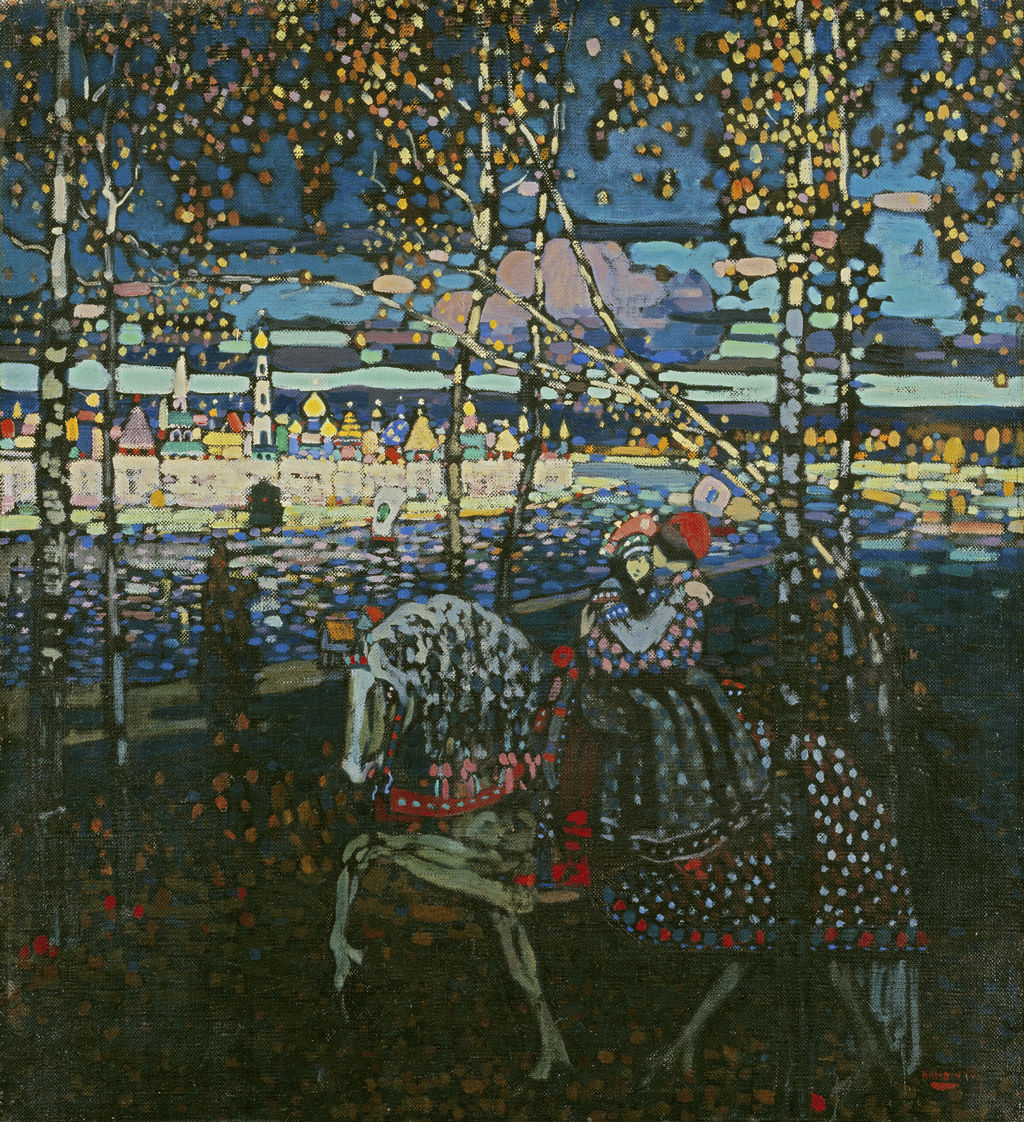 Couple Riding
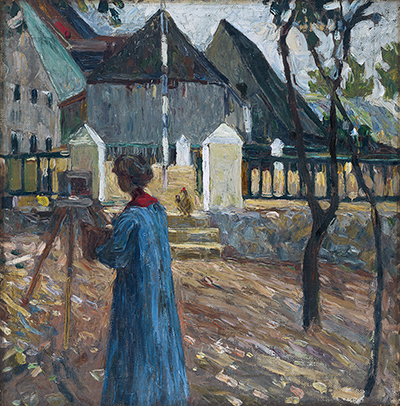 Gabriele Munter Painting
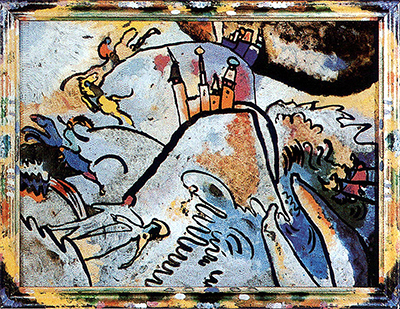 Glass Painting with the Sun (Small Pleasures)
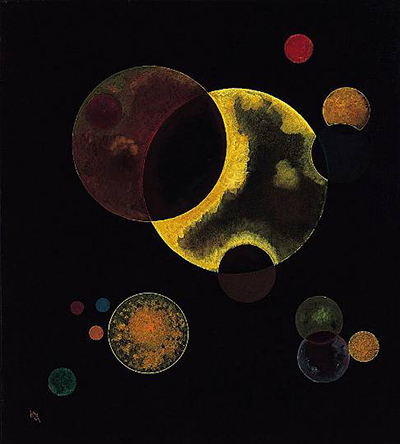 Heavy Circles
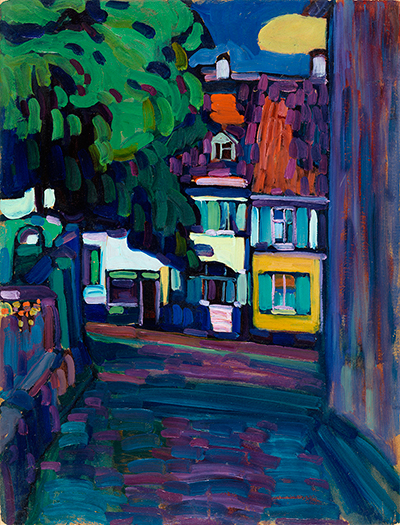 Houses in Murnau on Obermarkt
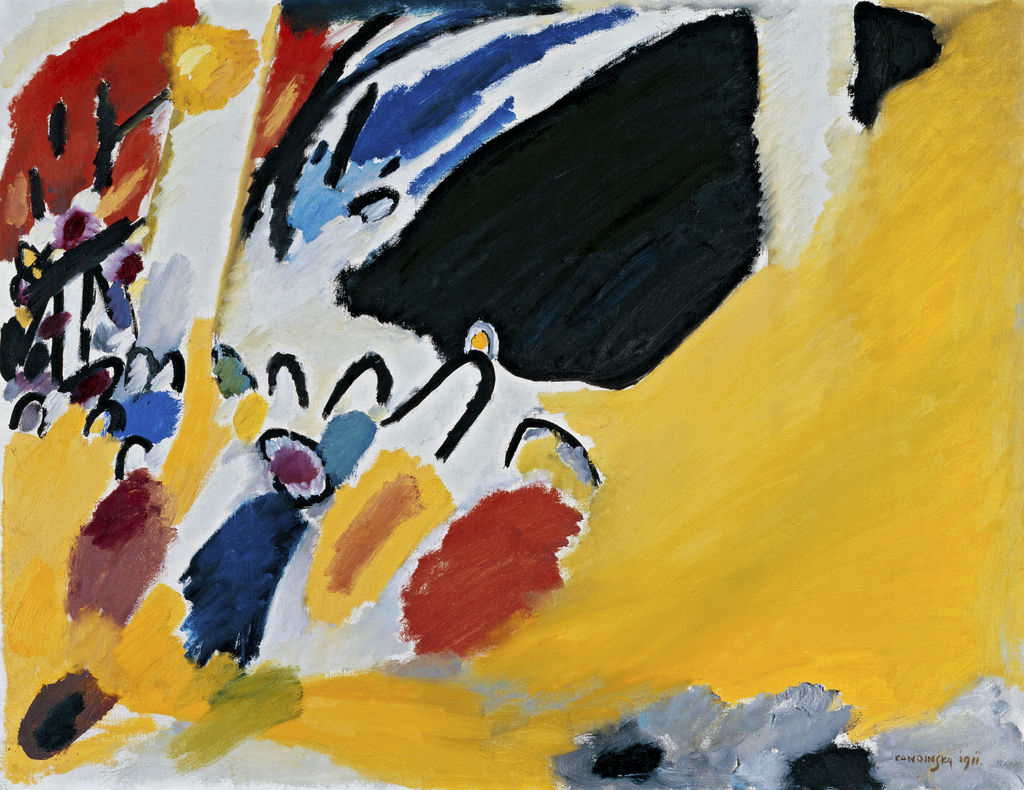 Impression III (Concert)
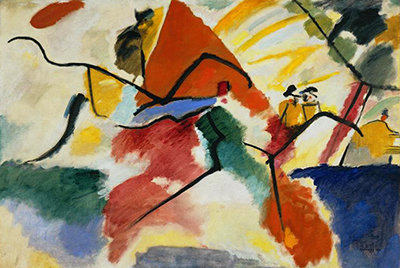 Impression V
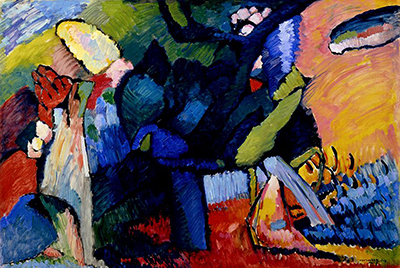 Improvisation 4
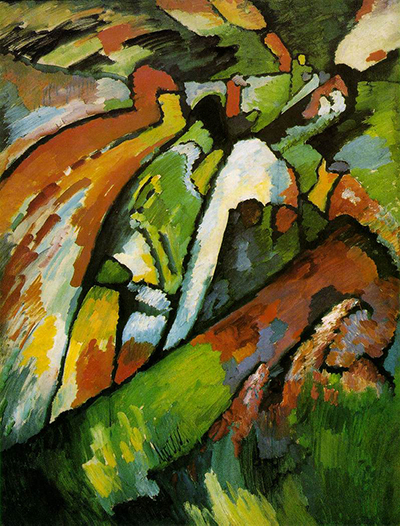 Improvisation 7
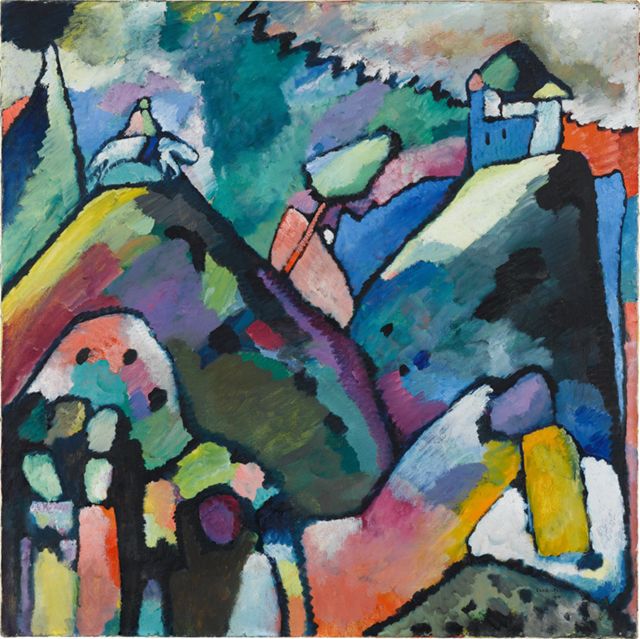 Improvisation 9
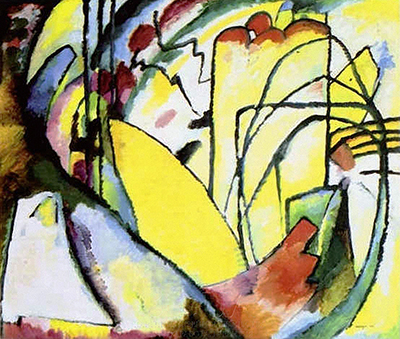 Improvisation 10
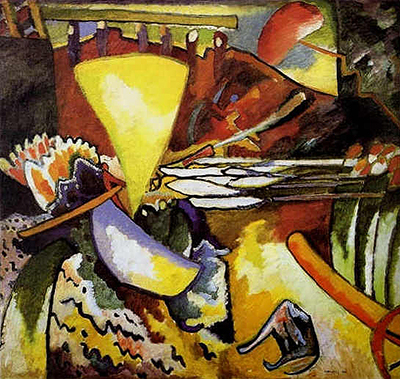 Improvisation 11
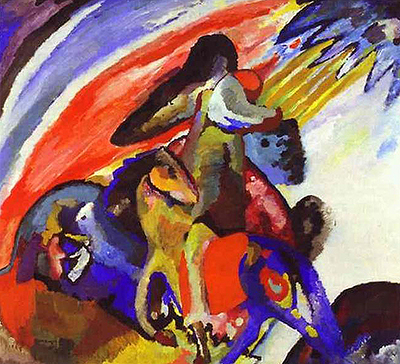 Improvisation 12 (Rider)
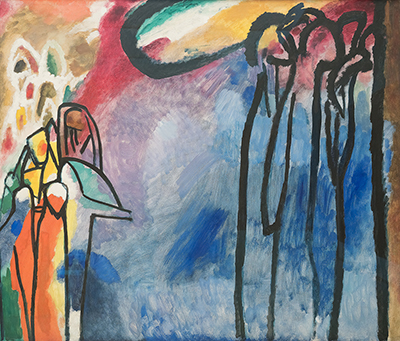 Improvisation 19
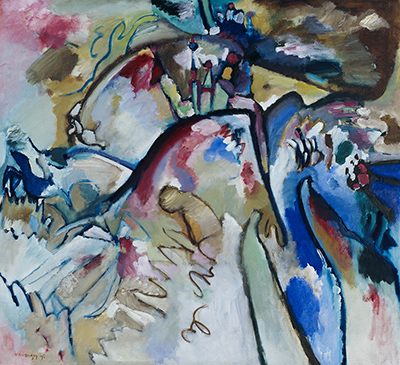 Improvisation 21a
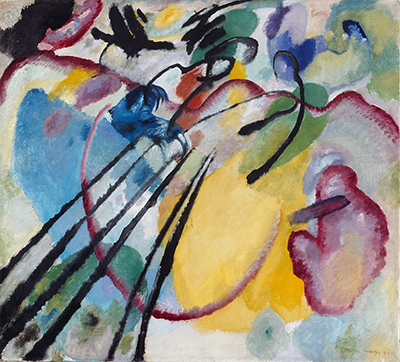 Improvisation 26 (Rowing)
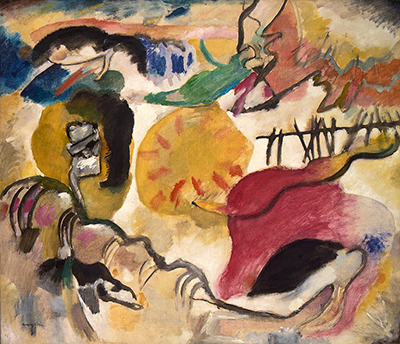 Improvisation 27 (Garden of Love II)
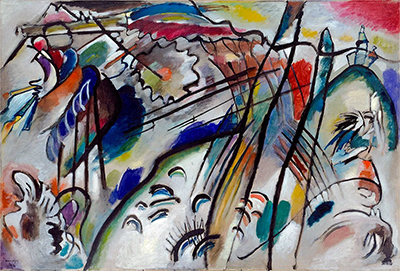 Improvisation 28 (Second Version)
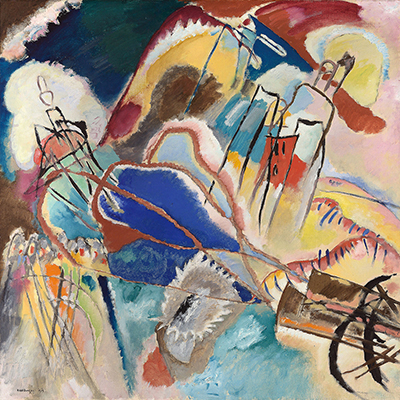 Improvisation 30 (Cannons)
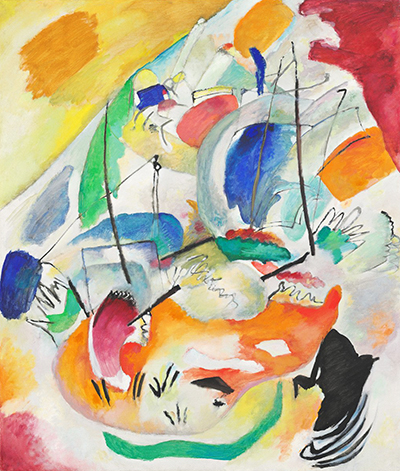 Improvisation 31 (Sea Battle)
 Improvisation Dreamy
 Improvisation Gorge
 In Grey
 Intime Message
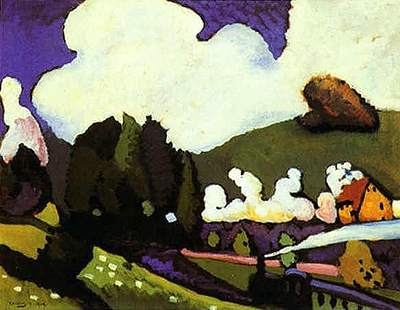 Landscape with a Steam Locomotive
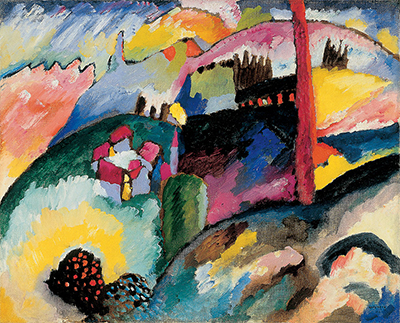 Landscape with Factory Chimney
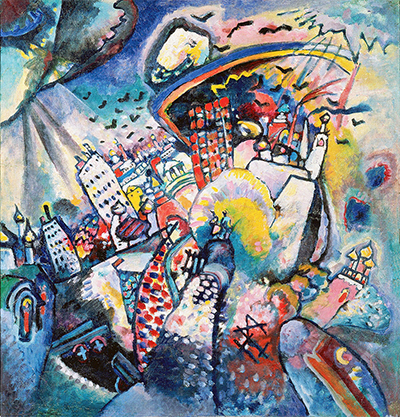 Moscow I
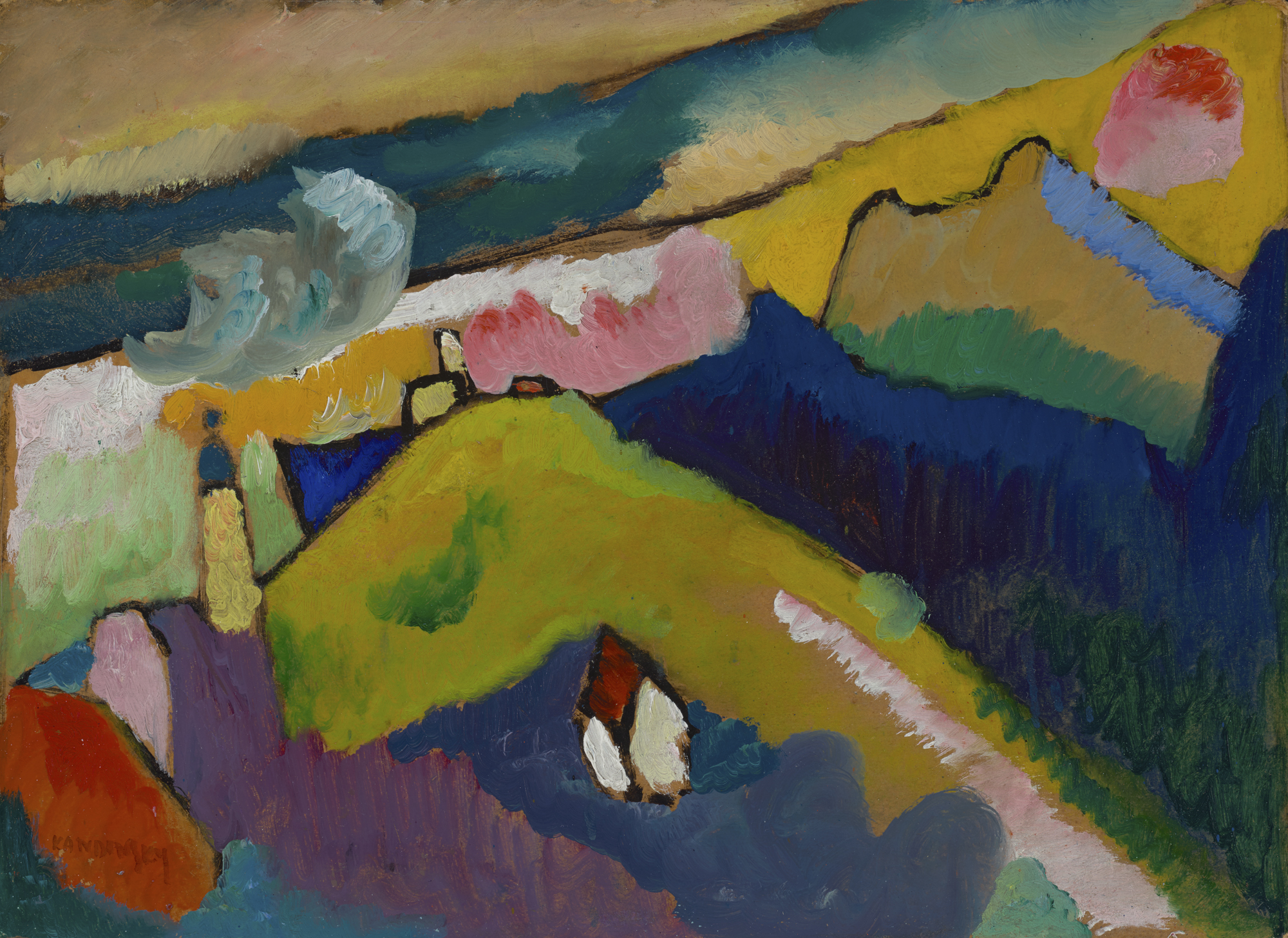 Mountain Landscape with Church
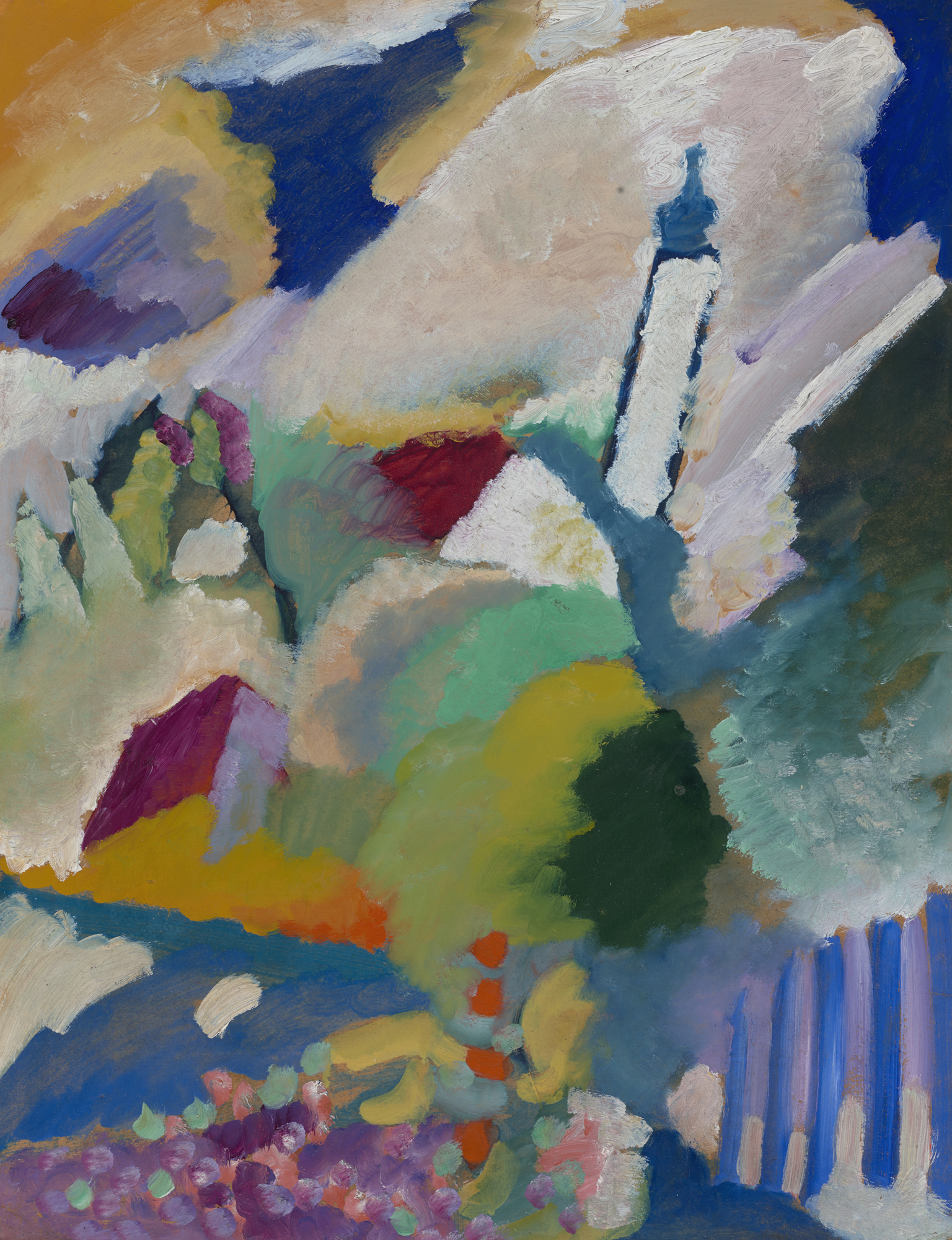 Murnau with a Church
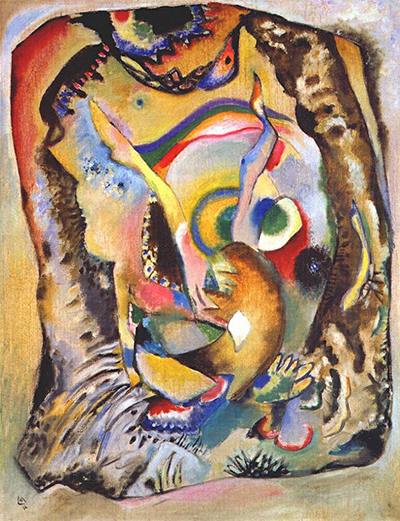 Painting on Light Ground
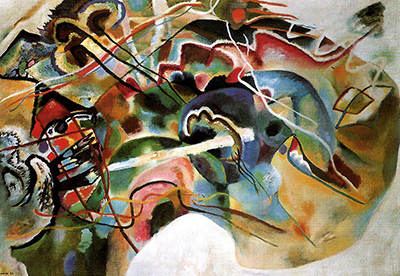 Painting with White Border
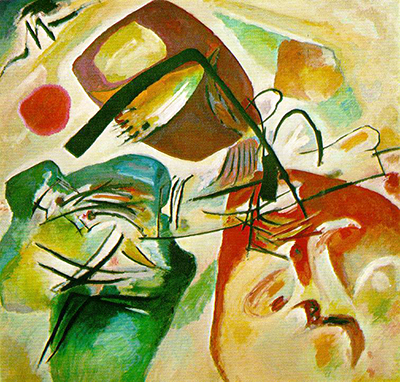 Picture with a Black Arch
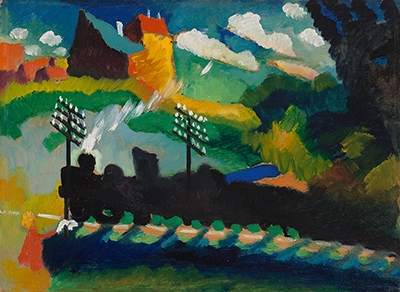 Railroad at Murnau
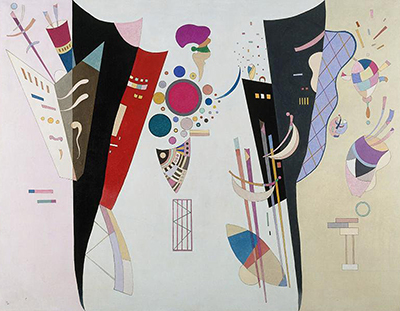 Reciprocal Accords
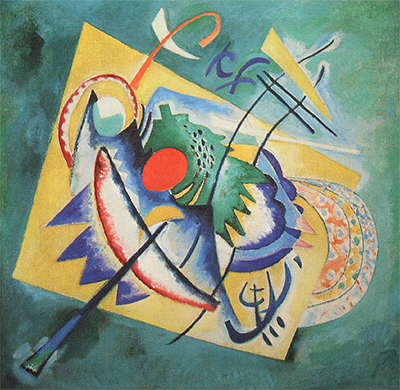 Red Oval
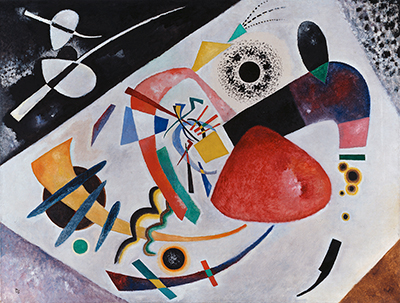 Red Spot II
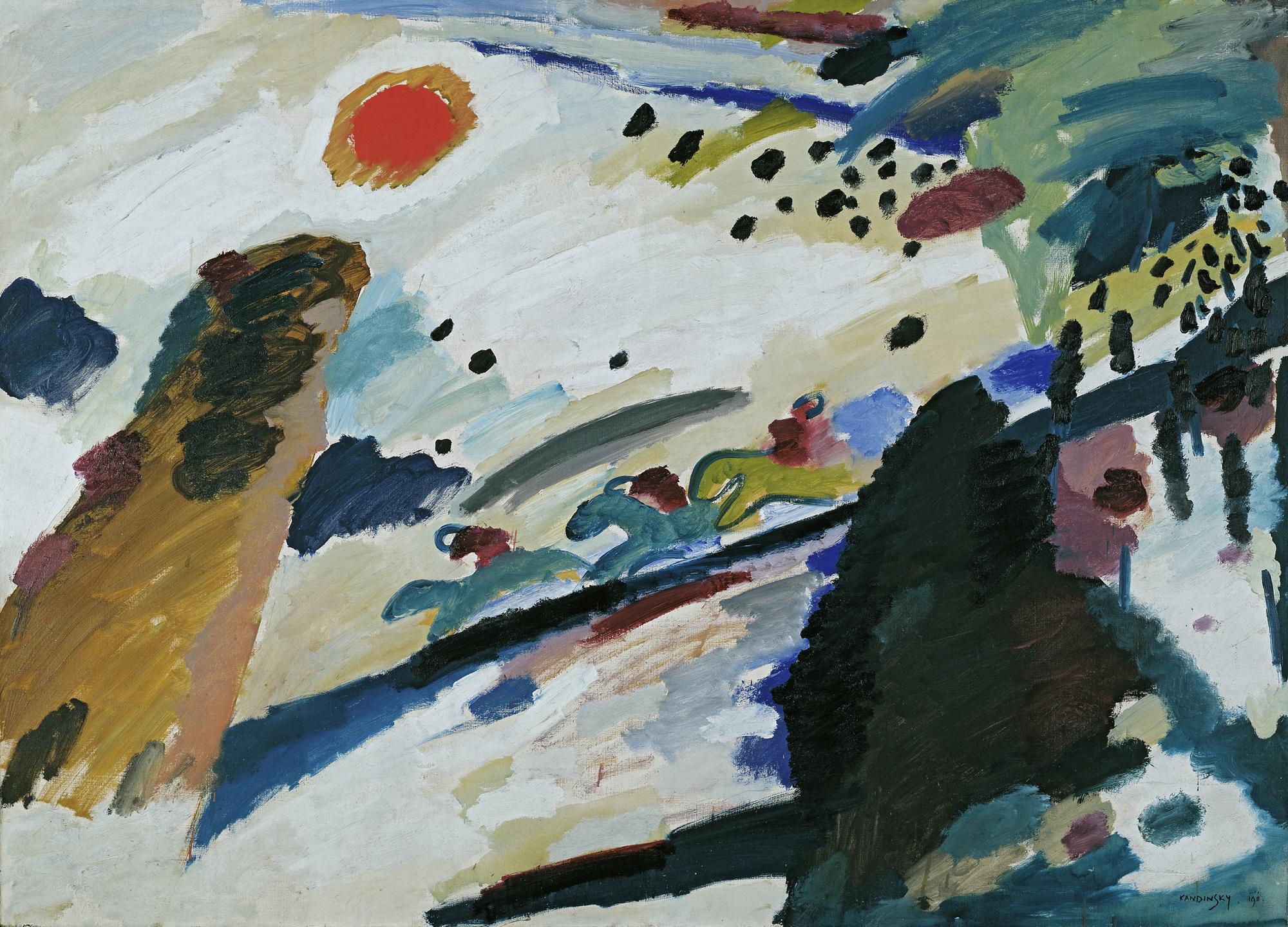 Romantic Landscape
 Small Dream in Red
 Small Pleasures
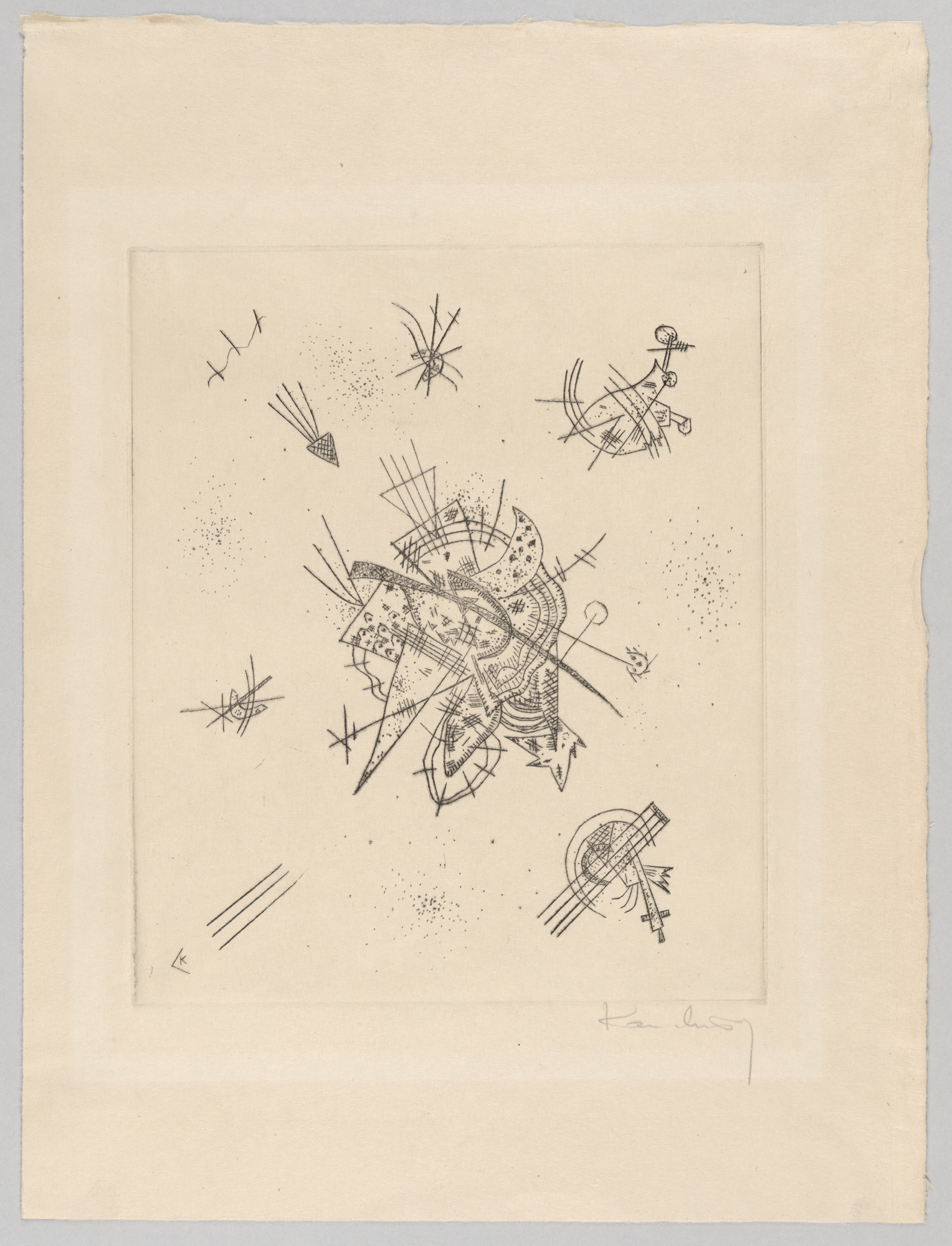 Small Worlds X
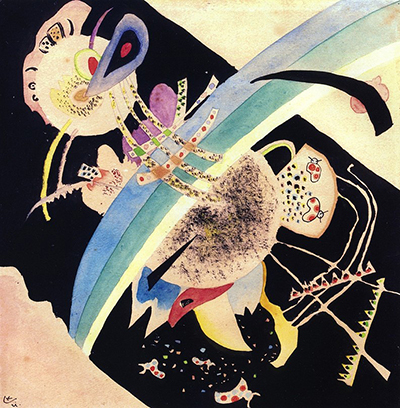 Study for Circles on Black
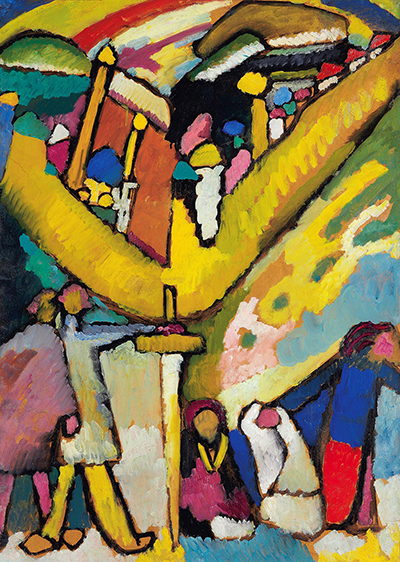 Study for Improvisation 8
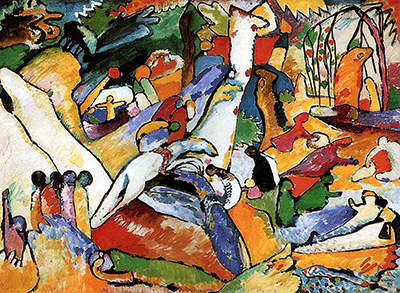 Study to Composition II
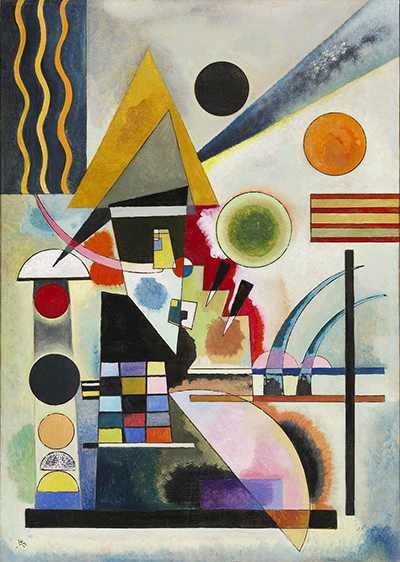 Swinging (Schaukeln)
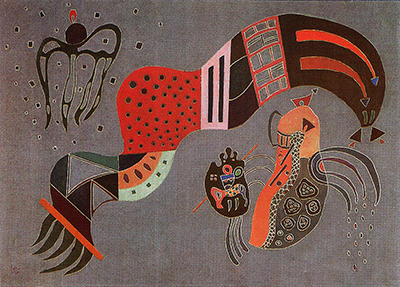 Tempered Elan
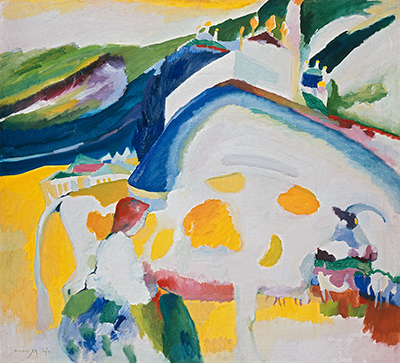 The Cow
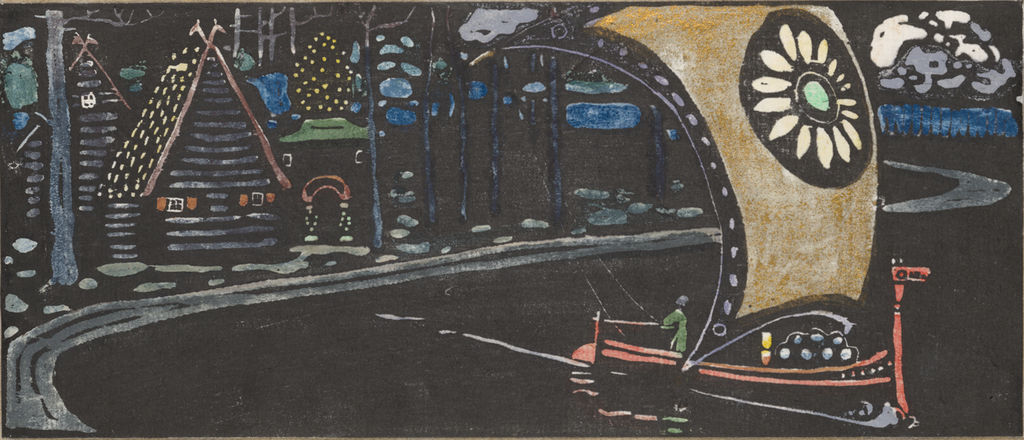 The Golden Sail
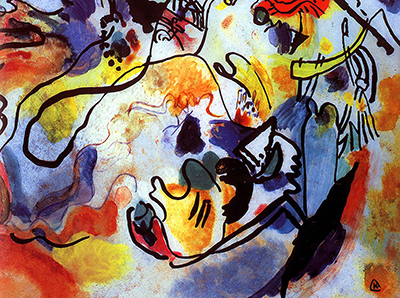 The Last Judgement
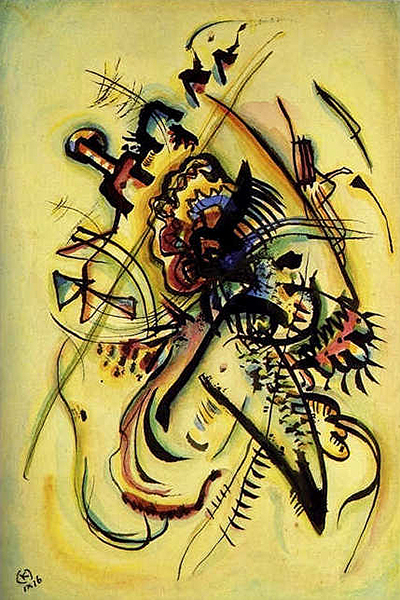 To the Unknown Voice
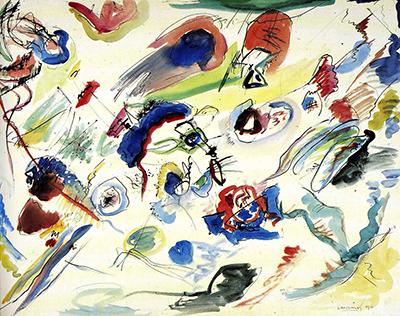 Untitled (First Abstract Watercolor)
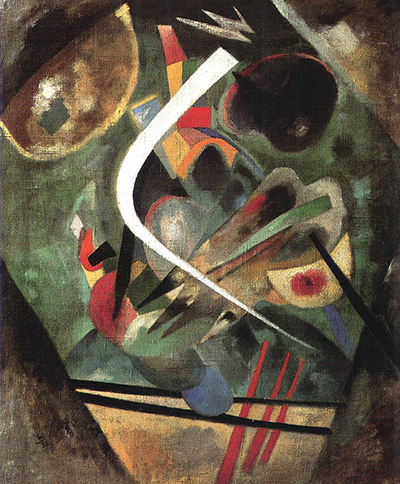 White Line
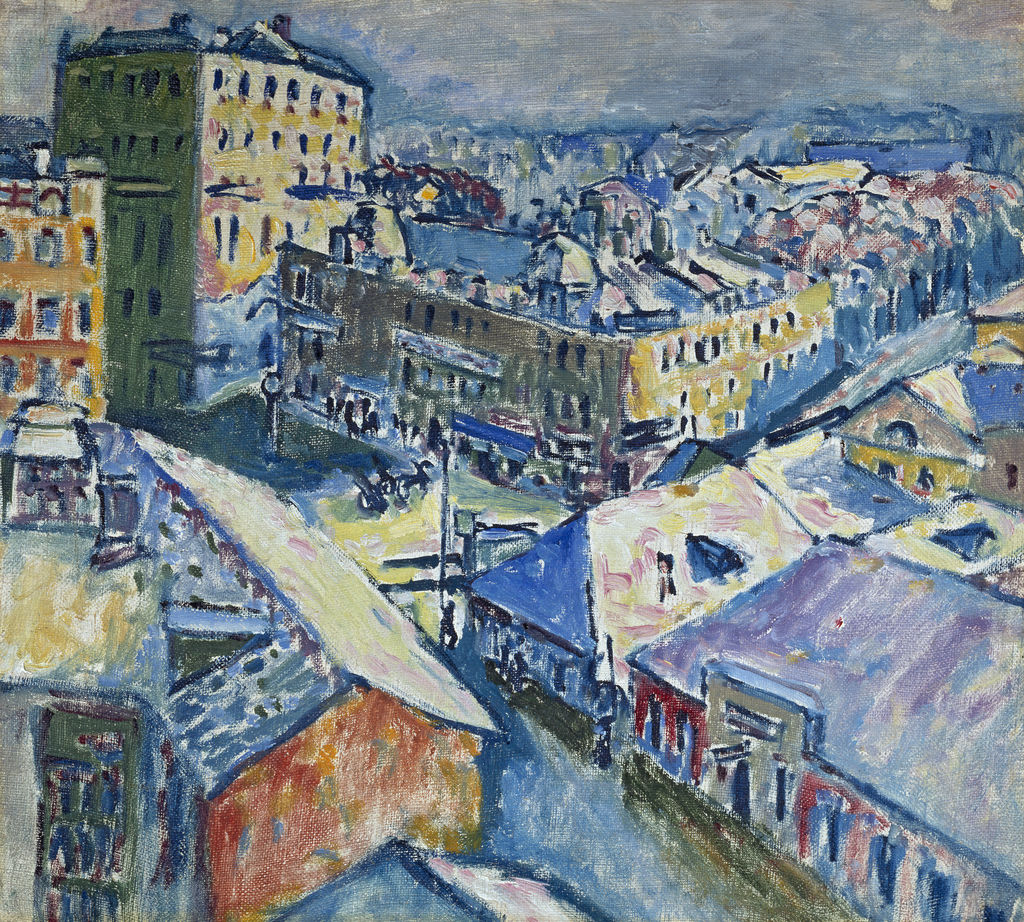 Zubovsky Platz
Watch: Wassily Kandinsky
Five museum videos about Kandinsky’s art, sources of inspiration and the relationship between colour and music.
Vasily Kandinsky: Around the Circle
Curator Megan Fontanella introduces Kandinsky and the Guggenheim collection.
Watch on YouTubeAt a Glance
- Scope:selected paintings from the early 1900s to the 1940s, arranged through five broad working periods.
- Useful starting works:Blue Mountain, Composition VII, Composition VIII, Yellow-Red-Blue, Composition X and Sky Blue.
- Numbered Compositions:ten were made; seven survive, according to MoMA's exhibition account.
- Other media:watercolours, studies and prints are linked for context but are identified separately from oil paintings.
- Collection locations:individual pages cite current owning records; a museum's live listing should be checked before a visit.
Contents
- How to use this painting guide
- Early landscapes, riders and concentrated colour
- Munich, Murnau and the Blue Rider years
- The ten numbered Compositions
- The unsettled move towards abstraction
- Moscow and Russia: changed conditions, continued work
- Bauhaus paintings: geometry with room to change
- The late paintings in France
- Grounds change the whole painting
- Paintings, studies and works on paper
- A chronological shortlist of paintings
- Where to see the paintings
- Chronological painting route
- Frequently asked questions
- References
How to use this painting guide
Choose a route that matches your interest. For recognisable imagery changing under colour, start with The Blue Rider and Blue Mountain. For the dense, dramatic canvases of 1911–13, move through Impression III (Concert), Composition IV and Composition VII. For geometric relations, compare Composition VIII, Yellow-Red-Blue and Several Circles. For Kandinsky's last decade, begin with Composition IX, Composition X and Sky Blue.
Each linked page begins with the specific object's title, date, medium, dimensions and collection evidence, then works through what can be seen and what remains interpretive. This matters because familiar paintings are often described with a confident symbolic story that exceeds the source. A horseman may be a documented motif; a claim that every colour encodes one universal feeling is a different and much harder proposition. The guide points toward evidence rather than asking you to accept a single theory before looking.
The directory later on this page supports browsing the full cluster. Its medium filters distinguish paintings from drawings and other work on paper where the current source ledger supports that distinction. A blank or generic label means the ledger does not yet justify a more precise classification; it should not be read as evidence that Kandinsky left the work unfinished or that the object lacks a known medium in its owner's records.
Early landscapes, riders and concentrated colour
Kandinsky moved to Munich in 1896 after leaving an academic law career. His early paintings include places, people and story-like motifs rather than the fully nonrepresentational forms for which he later became famous. MoMA and the Centre Pompidou both describe a gradual loosening of representation, especially as colour took on a more independent role. The early works should be seen for their own choices of scale, mood and motif, not merely as rehearsals for later abstraction. [2]; [1].
The Blue Rider of 1903 retains a small horseman moving through a recognisable setting. The subject gives the eye an immediate point of entry, while colour and broken brushwork affect how forcefully that figure emerges. The painting should not be confused with the later Blue Rider artistic circle and almanac. Its value as a comparison lies in the way a recognisable rider can become an expressive unit within the whole painted field.
In Blue Mountain of 1908–09, riders remain, but a large blue hill and contrasting trees assert the structure of the picture. Yellow and red can carry as much weight as the figures. Its landscape still has a kind of ground and ascent, yet colour makes the scene feel invented rather than simply recorded. Moving from the 1903 rider to this canvas shows how Kandinsky made colour and arrangement increasingly active without suddenly discarding every remembered image. [4].
Munich, Murnau and the Blue Rider years
From 1908 onward, Kandinsky worked in and around Murnau and Munich while exchanging ideas with artists including Gabriele Münter and Franz Marc. The Blue Rider circle that formed around Kandinsky and Marc in 1911 brought paintings, music, writing and other traditions into a shared discussion about artistic expression. The names of people and groups matter here because the change in Kandinsky's art happened in a working environment, through exhibitions, correspondence and collaboration, not in isolation. [1]; [2].
The painter's vocabulary widened. City and landscape motifs could become difficult to identify at first glance as lines and colour zones competed with them. Impression III (Concert) of 1911 grew from Kandinsky's encounter with Arnold Schönberg's music; the black piano shape and broad yellow field show how an event could be transformed into a painting rather than illustrated literally. The linked object page follows the study evidence and the performance context. It is an example of why the word "abstract" needs more precision than simply "nothing recognisable."
The period also produced works in which proposed rider, apocalyptic and renewal motifs coexist with an increasingly complex visual field. Composition IV and Composition V reward close comparison with studies and written sources. Their different lines and colour masses cannot be reduced to one decoding key. The paintings ask the eye to move between local signs and overall force.
The ten numbered Compositions
Kandinsky reserved the numbered Composition title for ten paintings over a long period. MoMA's 1995 exhibition brought together the seven that survive; the first three were destroyed during the Second World War. The first seven belong to 1910–13, then the sequence resumes with VIII in 1923, IX in 1936 and X in 1939. These dates show at once how important the series was and how discontinuous it was. There was no annual programme of one new Composition after another. [3].
Composition VI takes a documented Deluge starting point into a complicated field of interacting forms. Composition VII of 1913 is still denser and larger, built through preparatory work rather than a single effortless outburst. Studies can help a viewer locate proposed subjects, but they should not make the final painting a puzzle whose only goal is to find hidden objects. MoMA's catalogue shows how symbolic ideas, colour and abstract arrangement were developed together. [3].
The later numbered works demonstrate that "Composition" was not one fixed look. VIII sets circles and lines in a lighter Bauhaus field; IX places small forms against coloured diagonals; X suspends bright forms on black. A visitor can follow the same title across decades and see new solutions to relations among colour, line and space. This series is a route through Kandinsky's changing priorities, not a substitute for the rest of his paintings.
The unsettled move towards abstraction
There is no single date that cleanly divides Kandinsky's paintings into before and after. The sheet long called the First Abstract Watercolor carries a 1910 inscription but is catalogued by the Centre Pompidou as 1913 and discussed as a possible study for Composition VII. It is also a work on paper, not an oil canvas. Its disputed status is a reminder that a grand "first" claim can depend on how a title, date and medium are understood. [6]; [8].
For the paintings themselves, it is often more useful to ask which tasks have shifted from depiction to colour and line. In Blue Mountain, the hill remains legible while colour dominates. In Impression III, an event survives in a condensed form. In Composition VII, studies reveal a complex history of motifs even though the final oil is not a conventional narrative scene. The development is gradual and uneven, which makes it more interesting than a single dramatic break.
Other artists were also questioning representation in these years. This guide does not award a solitary invention of abstract art. It follows Kandinsky's distinct way of making forms and colours act on the viewer, with the dates and media of individual works stated as their owners record them. That approach gives each painting a history rather than making it an illustration of a priority contest.
Moscow and Russia: changed conditions, continued work
The First World War ended Kandinsky's Munich period. He returned to Russia and remained there until the early 1920s, working in conditions reshaped by war and revolution. The Centre Pompidou's monograph cautions against overlooking these years simply because they do not fit a familiar story of Munich abstraction followed immediately by Bauhaus geometry. It particularly values drawings from the Moscow period and notes that much of the artist's work was harder to see for decades. [1].
The painting guide includes Zubovsky Platz and the 1916 Composition study as points of comparison, with their media specified on the linked pages. A Moscow city view does not imply Kandinsky abandoned abstraction; it shows that he could work with a recognisable site while developing other ideas. A study connected with a lost or changed larger project should not be described as though the missing final oil were present.
This interval also changes the meaning of a career timeline. An absence of a numbered Composition between VII and VIII does not mean artistic inactivity. Kandinsky worked across media and institutions. Painting was one thread in a life of making, teaching and reorganising artistic culture. The later Bauhaus paintings are best understood as a new context for an ongoing inquiry, not a restart from nothing.
Bauhaus paintings: geometry with room to change
Kandinsky began teaching at the Bauhaus in 1922. The school provided a setting for explicit reflection on point, line, shape, colour and their relationships. Composition VIII of 1923 offers circles and thin lines in a pale field; its visual order is very different from the crowded prewar Composition VII. The contrast is useful, but "geometric" need not mean unemotional or formulaic. Spacing and unequal visual weights still decide how the painting feels. [1]; [3].
The 1925 Yellow-Red-Blue sets a luminous, more rectilinear left against a darker and more curved right, with red forms between. Its owner records production in Weimar from March to May 1925. That detail matters because the Bauhaus moved to Dessau in the same year. The canvas belongs to the Bauhaus era without having to be relocated in a vague period summary. The painting's mix of geometry, transparency and freer form also resists being treated as a diagram of Kandinsky's later published theory. [5].
Several Circles of 1926 tests how discs of different size and colour interact against a dark ground. Comparing it with VIII or Yellow-Red-Blue reveals variety within just a few years. Kandinsky did not only add more geometry over time; he changed ground, density and the number of kinds of form admitted into a canvas. Those decisions make each painting a distinct experiment.
The late paintings in France
After the Bauhaus closed in 1933, Kandinsky moved to France and spent his final years near Paris. The Centre Pompidou's monograph describes a late vocabulary of shapes that can resemble embryos, larvae and other small life forms. This did not simply undo his earlier geometry. He could place free forms beside measured ones, set them against changing grounds and vary how crowded a field felt. [1].
Composition IX of 1936 uses broad coloured diagonals behind small geometric and organic-looking forms. Composition X of 1939 places bright free shapes against a nearly continuous black ground. X is the final numbered Composition, but not Kandinsky's final painting. Its dark colour may invite stories of war or farewell, yet the owner and MoMA sources support a more careful account of an organised visual field without proving such a personal prediction. [6]; [7].
In Sky Blue of 1940, small biomorphic forms float through a pale blue atmosphere. The work is not a numbered Composition, yet its varied scale and oblique routes show deliberate organisation. Comparing its blue field with X's black makes the late paintings' range immediately visible. The later phase was exploratory and internally varied rather than a single final style. [6].
Grounds change the whole painting
One productive way to browse Kandinsky is by looking first at the ground. A recognisable landscape offers a slope, sky or street that helps place the figures. A pale abstract field leaves signs exposed; dark ground can make colour appear suspended and luminous. Broad diagonal bands can give direction before any small motif is noticed. These differences are visible across Blue Mountain, Composition VIII, Composition IX, Composition X and Sky Blue.
This route helps avoid treating the title as a full description. Composition X names a place in a series, not the black field. Sky Blue does name its ground, but the forms within it still need attention. In Yellow-Red-Blue, colours named in sequence interpenetrate and are changed by black lines and other hues. A background can be an active painted decision rather than empty space left over after the "main" forms are placed.
Try comparing two paintings of roughly similar date before jumping across decades. VIII and Yellow-Red-Blue both belong to Bauhaus years but set different problems. IX and X were made in France but use opposite kinds of ground. This short-range comparison reveals decisions that a broad before-and-after chronology can miss.
Paintings, studies and works on paper
This page concentrates on paintings, but Kandinsky's practice crossed media. The Untitled watercolour is not a canvas, even though its old nickname has sometimes encouraged broad claims about the first abstract "painting." Colour Study: Squares with Concentric Circles is another work on paper. Such sheets can be independent experiments or part of a study sequence. Their scale, surface and method differ from large oils. [6].
The distinction does not place works on paper below painting. MoMA's Compositions exhibition included thirty-one preparatory studies in oil, watercolour, charcoal, ink and pencil alongside the seven surviving canvases. Those studies allow a viewer to see choices being made, altered or abandoned. A major painting may be better understood by a small drawing, but the two objects should retain their own identity. [3].
Use the Drawings guide for studies and watercolours, and the Prints guide for woodcuts, lithographs and other editions. The complete artwork directory below keeps all routes together for discovery. Its medium labels are intentionally conservative while owner records are checked across the full cluster.
A chronological shortlist of paintings
For a manageable first journey, begin with six works rather than trying to absorb the entire directory. Blue Mountain shows recognisable riders and landscape carried by forceful colour. Impression III (Concert) transforms an event into broad yellow and a condensed black piano form. Composition VII enlarges the field and makes motifs difficult to separate from the total movement. Composition VIII puts circles and lines in a lighter geometric arrangement. Composition X sets a late variety of shapes against black. Sky Blue changes the ground again and gives room to small floating figures.
After that route, choose a question. What happens to a rider motif between 1903 and 1909? How do prewar studies affect the reading of VII? What changes when a circle appears on a pale field, among mixed forms or against black? Which late canvas feels more open, IX or Sky Blue? The object pages supply source-specific evidence for those comparisons. No single painting stands in for all the rest.
A chronological directory is useful because it makes return and variation visible. It is not a ladder of improvement. Kandinsky could revisit an early concern, vary the relationship between line and colour, or use a medium in a new way. The dates help locate those choices; they do not assign a score to each stage.
Where to see the paintings
The paintings discussed here belong to different collections, including the Lenbachhaus, Guggenheim, Centre Pompidou, Tretyakov Gallery and Kunstsammlung Nordrhein-Westfalen. Ownership can be established from individual object records. Display cannot be assumed: institutions rotate works, lend them and sometimes close galleries. Each artwork page links to an owner or authoritative catalogue where available, and the live record is the right place to check before travelling.
A reproduction can support a close reading of structure, especially if the image is clear enough to identify major forms. It may not show texture, transparency, gloss or a work's scale. Several Circles and Painting with White Border have material effects that their owning museums discuss beyond what a small image can fully carry. The existing page images are a starting point; better copies are optional when rights are unambiguous, not a condition for learning about the works.
The painting guide's purpose is to give a reliable path through that changing visual practice. Begin with what a work does, then use its source record to distinguish stable facts from interpretations. Following this method across a few paintings will reveal more than an unsupported list of "most important" titles.
A chronological painting route
Fourteen source-checked canvases offer a short path from early rider imagery through the Blue Rider, Bauhaus and late French years. The full artwork directory follows, including works whose dates or media still need more precise records.
- 1903 The Blue Rider
- 1908–09 Blue Mountain
- 1911 Impression III (Concert)
- 1911 Composition IV
- 1911 Composition V
- 1913 Composition VI
- 1913 Painting with White Border
- 1913 Composition VII
- 1923 Composition VIII
- 1925 Yellow Red Blue
- 1926 Several Circles
- 1936 Composition IX
- 1939 Composition X
- 1940 Sky Blue
Kandinsky artworks directory
Frequently Asked Questions
For range, compare Blue Mountain, Composition VII, Composition VIII, Composition X and Sky Blue. They show different relations among recognisable motifs, colour, line and ground. The Centre Pompidou monograph also traces these career phases.
Ten. MoMA says seven survive; the first three were destroyed during the Second World War. The titles span 1910–39 rather than a continuous annual sequence. [3].
No. He worked in oil, watercolour, ink, pencil and printmaking. The owner catalogues Untitled (First Abstract Watercolor) as a work on paper, for example. [6]; [2].
No. His early landscapes and riders grew increasingly expressive, while later works could retain transformed motifs even as colour and line gained independence. The disputed dating of the sheet long called the first abstract watercolour cautions against one unquestioned turning point. [1]; [8].
Geometry became important, but works such as Yellow-Red-Blue combine measured lines and shapes with freer curves, colour gradations and transparent overlaps. The Centre Pompidou warns against reading it as a mere theory diagram. [5].
Discussion
Which Kandinsky painting changes most when you compare it with another period?
Choose two paintings and describe what changes in their colour, line or ground.
Reader Insights
Compare one Munich or Murnau work with a Moscow, Bauhaus or Neuilly work.
Which collaborator or institution changed the opportunities available to Kandinsky?
Which part of the life would benefit from a more precise letter, date or object record?
Join the Conversation
Share a close observation and the source that helps place it in Kandinsky’s life.
References
- Centre Pompidou, English Kandinsky monograph. View source.
- Museum of Modern Art, Kandinsky collection essay. View source.
- Museum of Modern Art, Kandinsky: Compositions exhibition and catalogue. View source 1 · View source 2.
- Solomon R. Guggenheim Museum, Toward Abstraction, 1910–14. View source.
- Centre Pompidou, Gelb-Rot-Blau owner record and educational dossier. View source 1 · View source 2.
- Centre Pompidou, Composition IX, Sky Blue, and Untitled object records. View source 1 · View source 2 · View source 3.
- Kunstsammlung Nordrhein-Westfalen, Composition X collection record. View source.
- museum essay. View source.