

 by Tom Gurney
Tom Gurney BSc (Hons) is an art history expert with over 20 years experience
Published on August 14, 2026 / Updated on August 14, 2026
Email: tomgurney1@gmail.com / Phone: +44 7429 011000
John William Waterhouse Drawings: Introduction
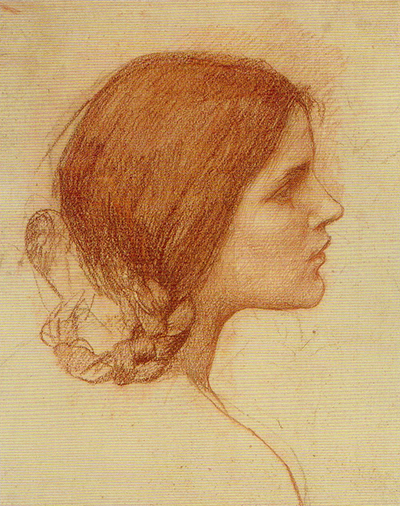
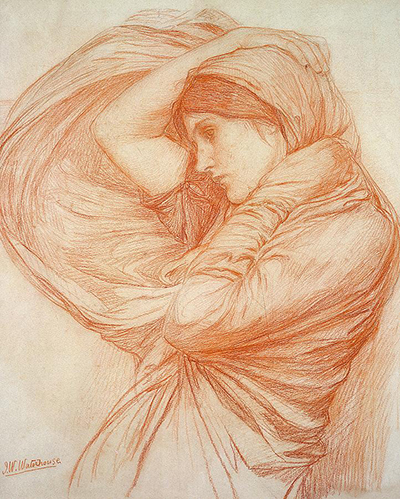
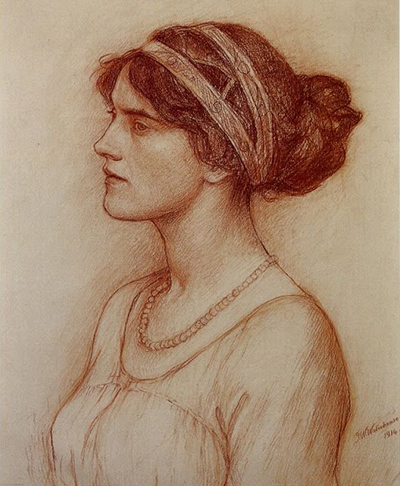
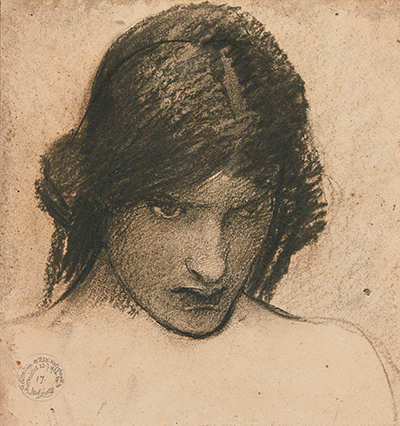
John William Waterhouse was a highly skilled draughtsman. His surviving drawings include independent portrait studies, figure exercises and preparations for finished paintings. They make the artist's process visible: heads, hands, poses and drapery could be tested separately before entering a larger composition.
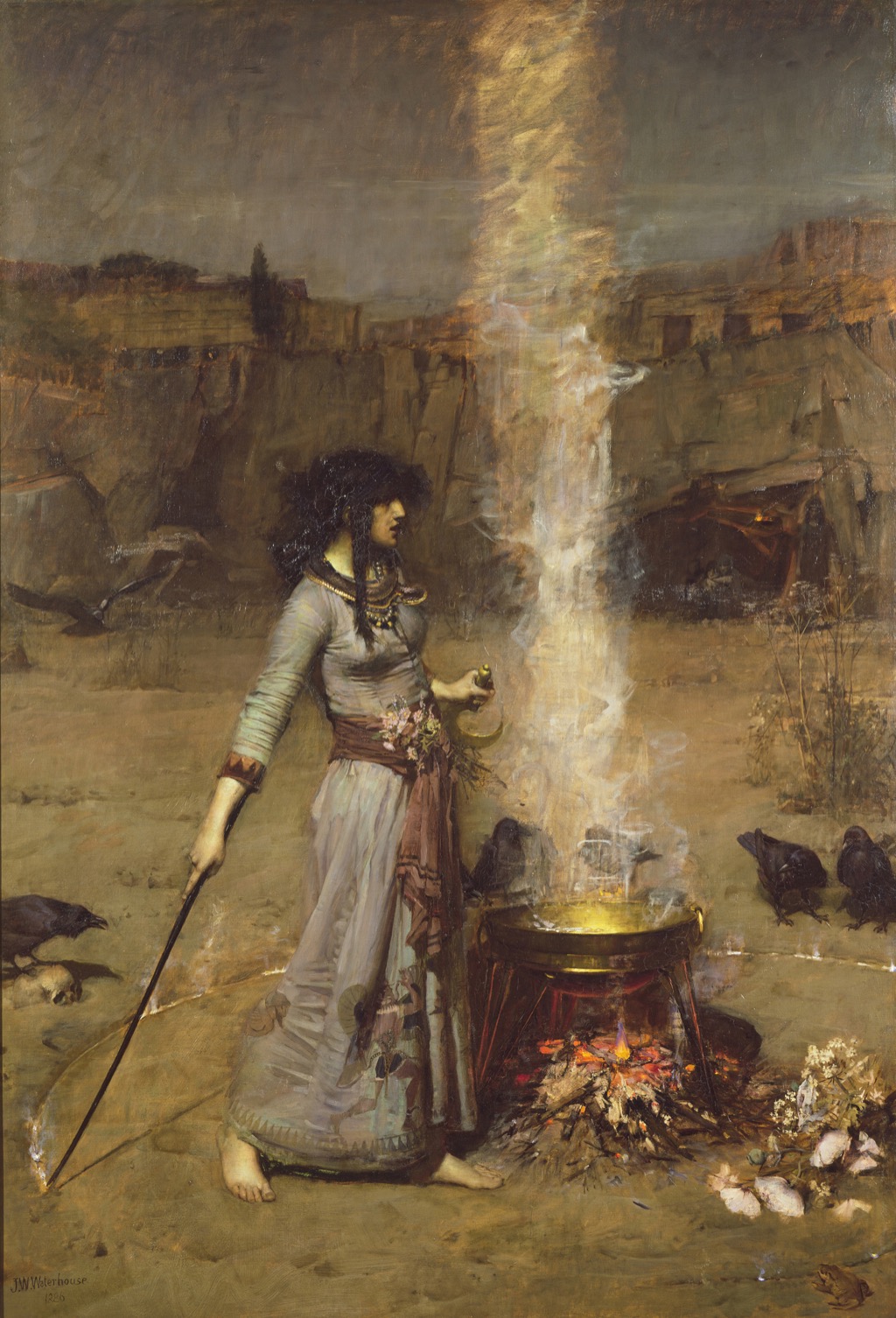
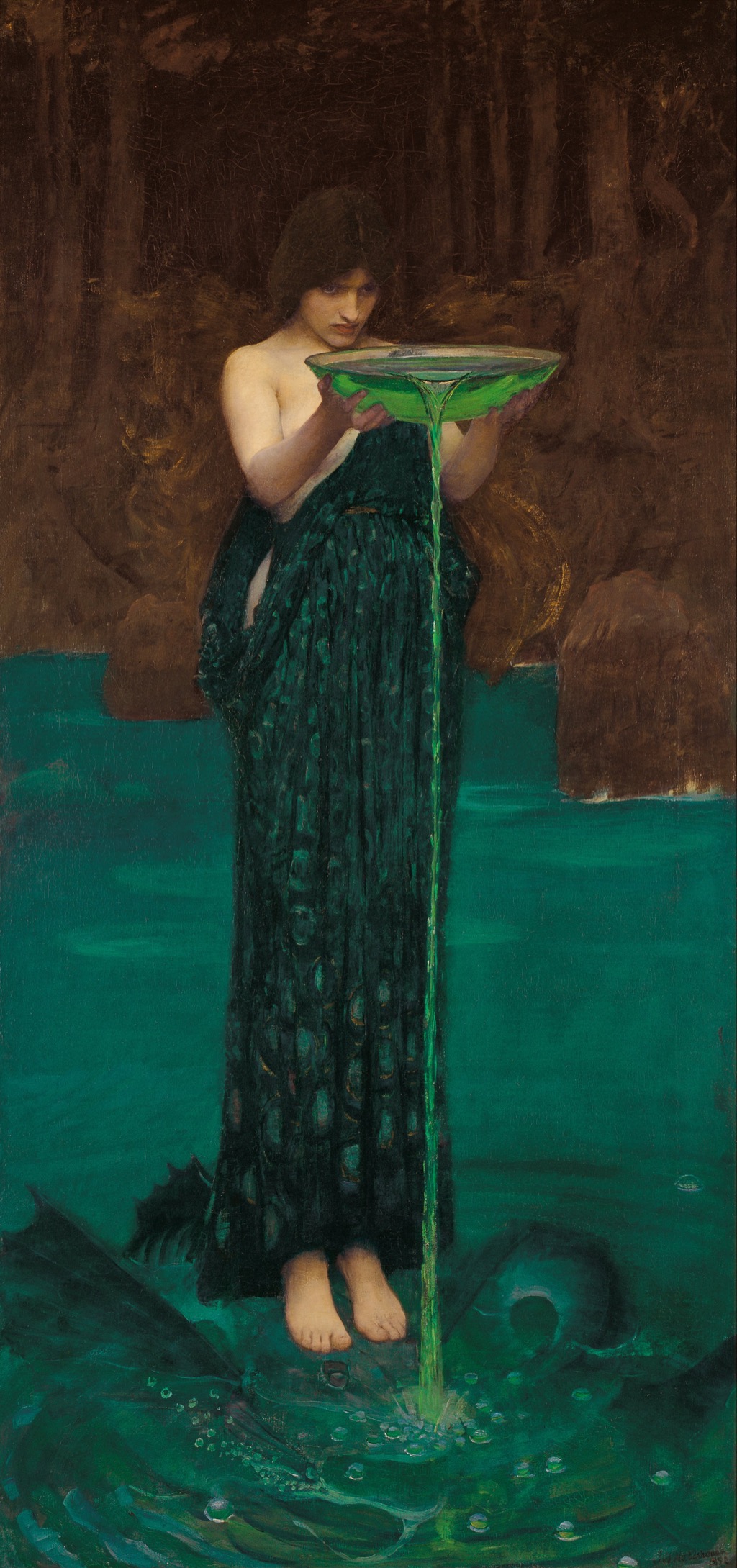
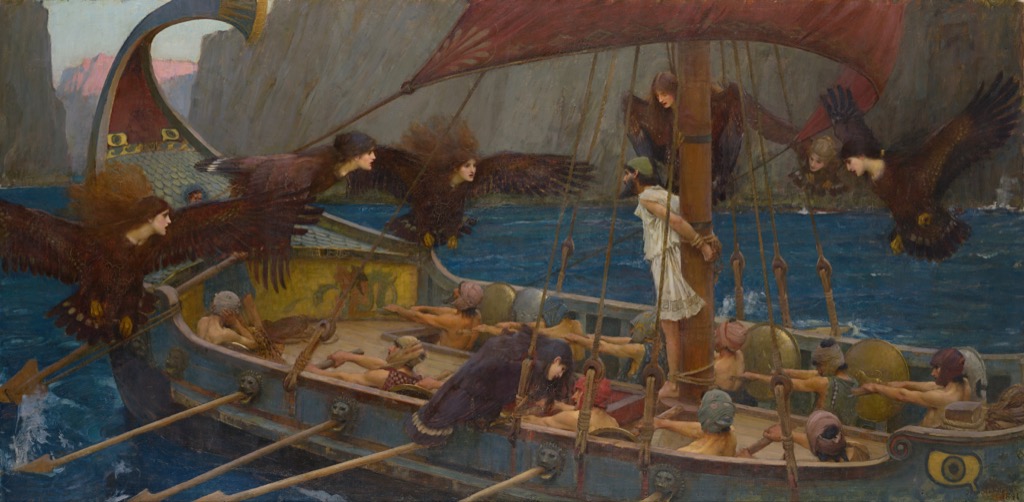
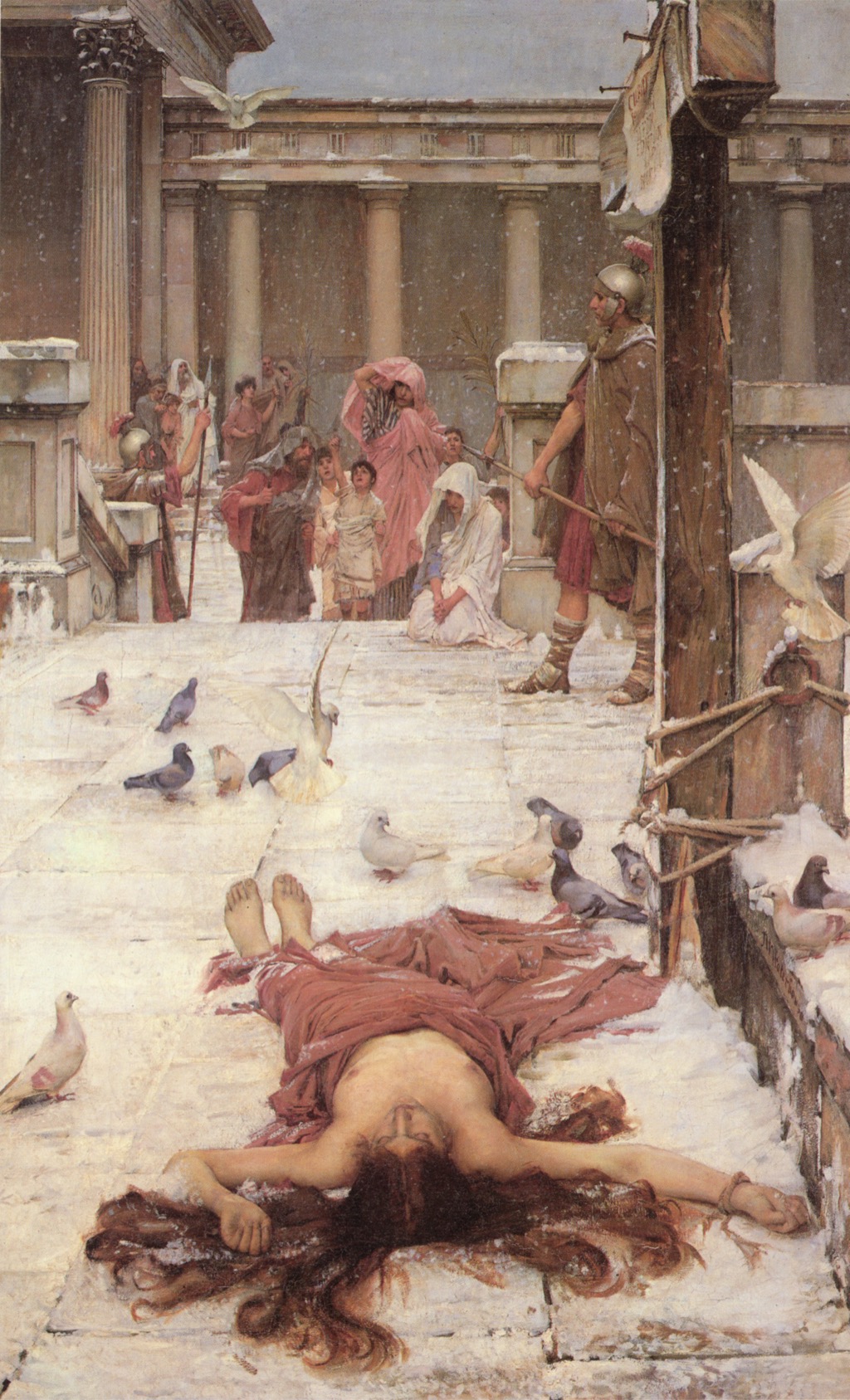
The gallery restores the twenty-item thumbnail catalogue from the earlier Waterhouse drawings page. Where a separate study guide is not yet part of this local cluster, the thumbnail opens the related finished painting or the most relevant catalogue page.
Browse Waterhouse Drawings and Studies
Use the images and linked titles to move between figure studies, portrait drawings and preparatory work associated with Waterhouse's best-known paintings.
 John William Waterhouse.jpg)
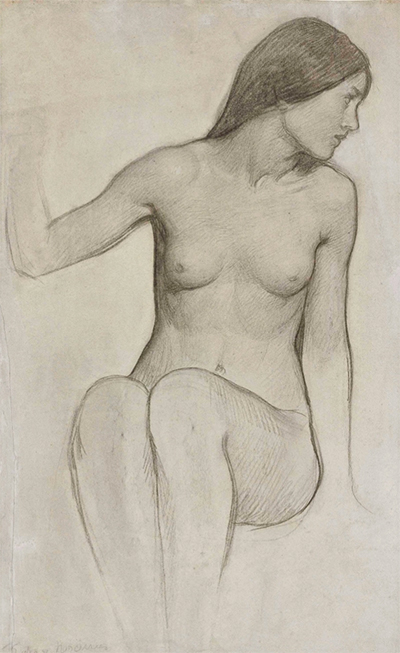
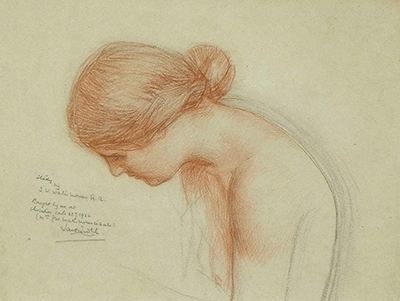
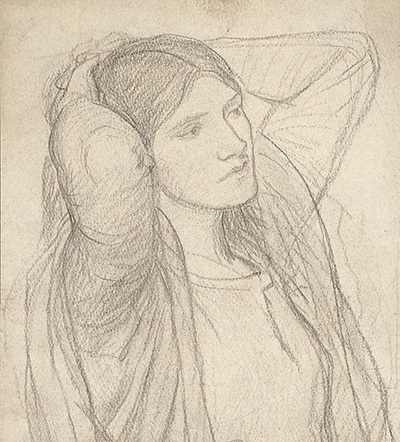
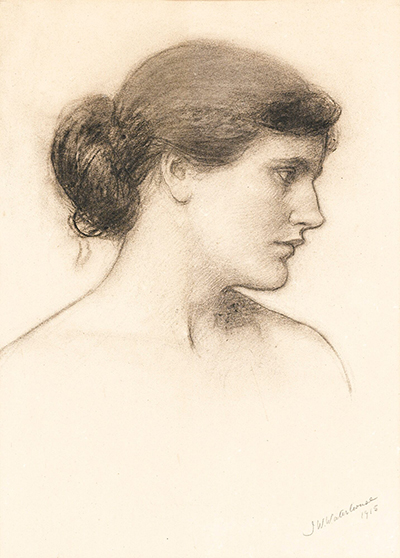
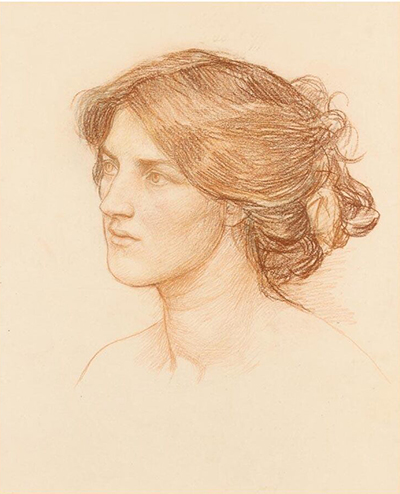
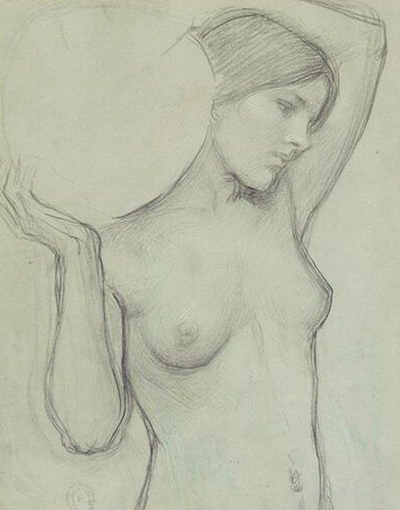
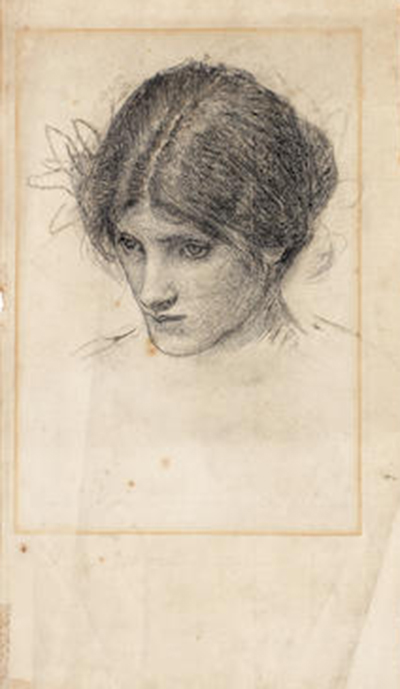
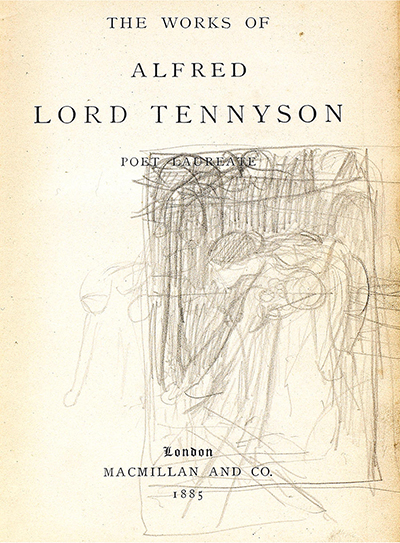
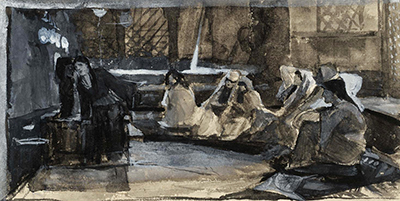
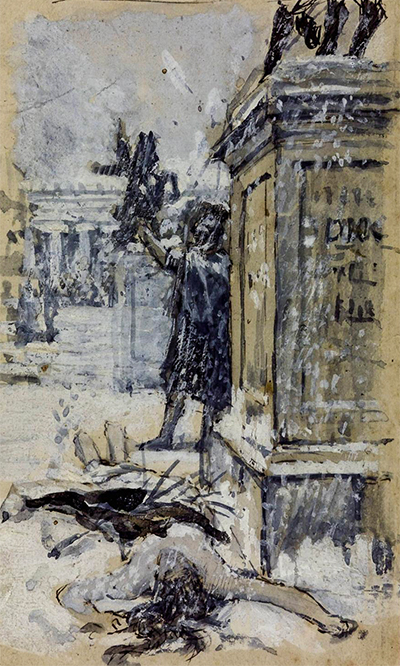
Female Portraiture
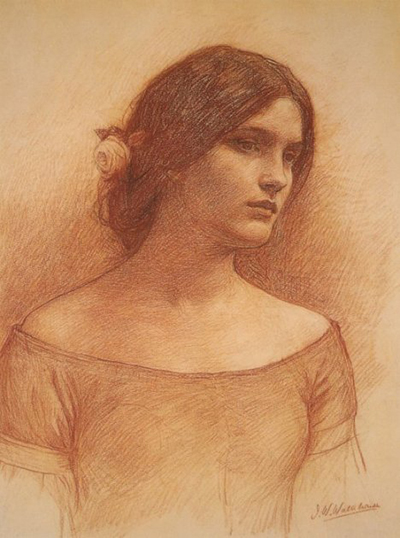
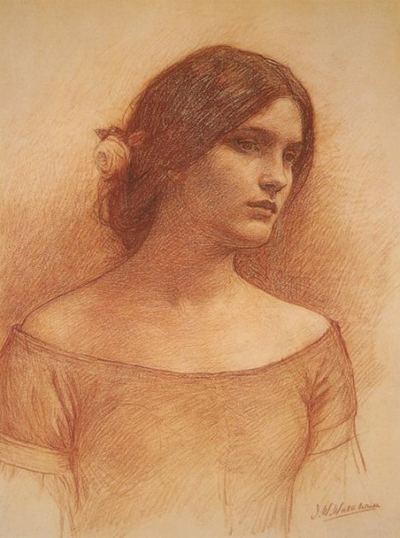
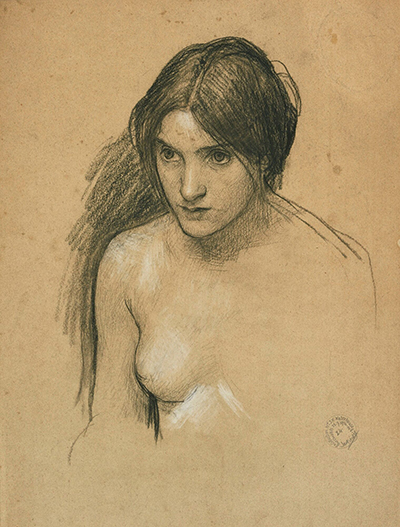
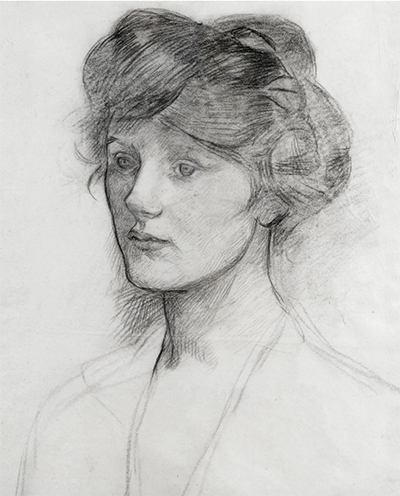
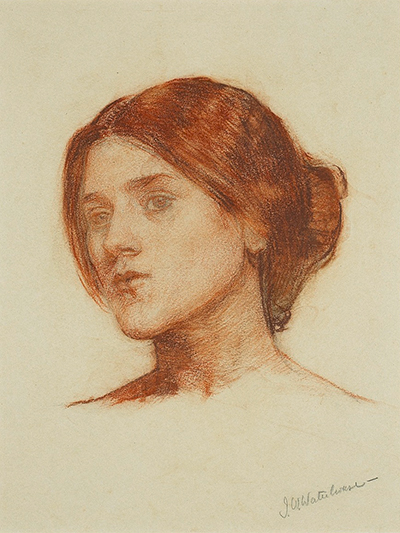
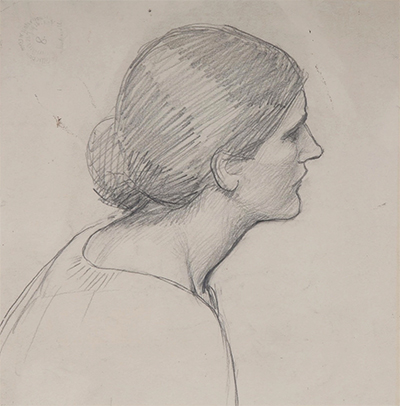
Figurative portraits were central to Waterhouse's paintings and many drawings study the faces and poses that underpin them. The human figure requires sustained practice, and these sheets show how carefully Waterhouse worked through facial angle, the fall of hair, the turn of a shoulder and the placement of hands.
A quick browse through the drawings reveals elegant models familiar from his mature art. Some sheets are highly finished; others concentrate on the part of a figure needed for a later composition. Both kinds are valuable evidence of looking and preparation.
Surviving Sketches
Drawings and sketchbooks remained in Waterhouse's studio after his death and many were dispersed in the 1926 studio sale. Later inscriptions and sale stamps can help trace an object's history, but resemblance alone does not identify an unnamed sitter or prove that every sheet belongs to one finished painting.
Drawing Style
Waterhouse frequently used black chalk, charcoal, pencil and white heightening to establish form. His drawings range from quick searches for position to resolved portrait heads. Comparing them with the paintings shows both continuity and revision: a pose may be reversed, hair and clothing altered, and a studio study transformed into a literary or mythological figure.
Further Reading
- Anthony Hobson, J. W. Waterhouse, Phaidon, 1989.
- Peter Trippi, J. W. Waterhouse, Phaidon, 2002.
- Elizabeth Prettejohn, Peter Trippi, Robert Upstone and Patty Wageman, J. W. Waterhouse: The Modern Pre-Raphaelite, Royal Academy of Arts and Groninger Museum, 2008.
Related Pages
- Paintings: Browse the complete illustrated catalogue of finished works and studies.
- Technique and Style: Explore Waterhouse's preparation, handling and construction of figures.
- Models, Sitters and Portraits: Review the evidence surrounding recurring faces and documented sitters.
Frequently Asked Questions
Preparatory drawings allowed him to test pose, proportion, gesture and expression before resolving a larger painted composition.
No. Some relate closely to finished paintings, while portrait and figure studies can also be treated as independent works.
Surviving sheets include pencil, black chalk, charcoal and white heightening, sometimes in combination.
Usually not. A resemblance can suggest continuity, but documentary evidence is needed before an unnamed sitter is identified.
Many sheets and sketchbooks were dispersed after Waterhouse's death, notably through the 1926 studio sale, and are now divided among public and private collections.
Discuss Waterhouse's Drawings
Which drawing changes how you understand the related painting? Share a close-looking observation or a source that helps connect study and finished work.
Join the Conversation
Share the study, comparison or overlooked detail that most changed the way you see Waterhouse's drawings.