

 Buy Art Prints Now
from Amazon
* As an Amazon Associate I earn from qualifying purchases.
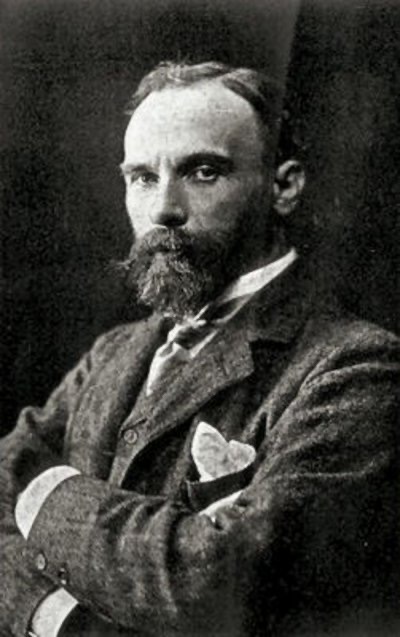
Image reference [image]
 by Tom Gurney
Tom Gurney BSc (Hons) is an art history expert with over 20 years experience
Published on August 14, 2026 / Updated on August 14, 2026
Email: tomgurney1@gmail.com / Phone: +44 7429 011000
John William Waterhouse Models, Sitters and Portraits: Introduction
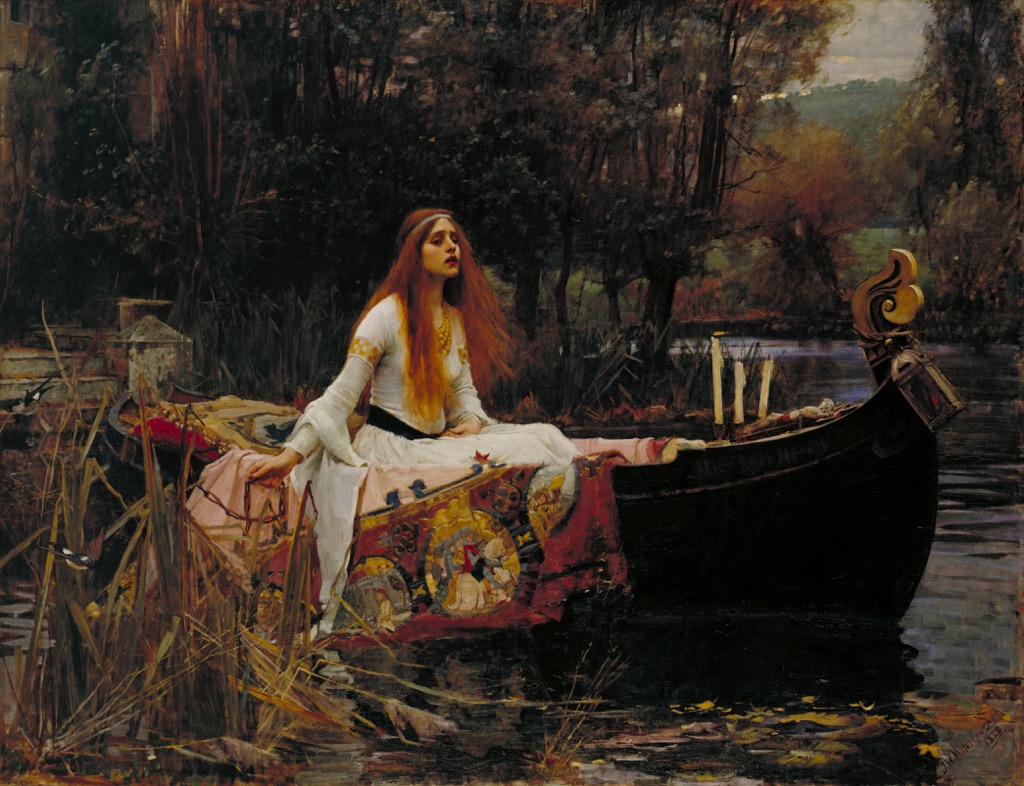
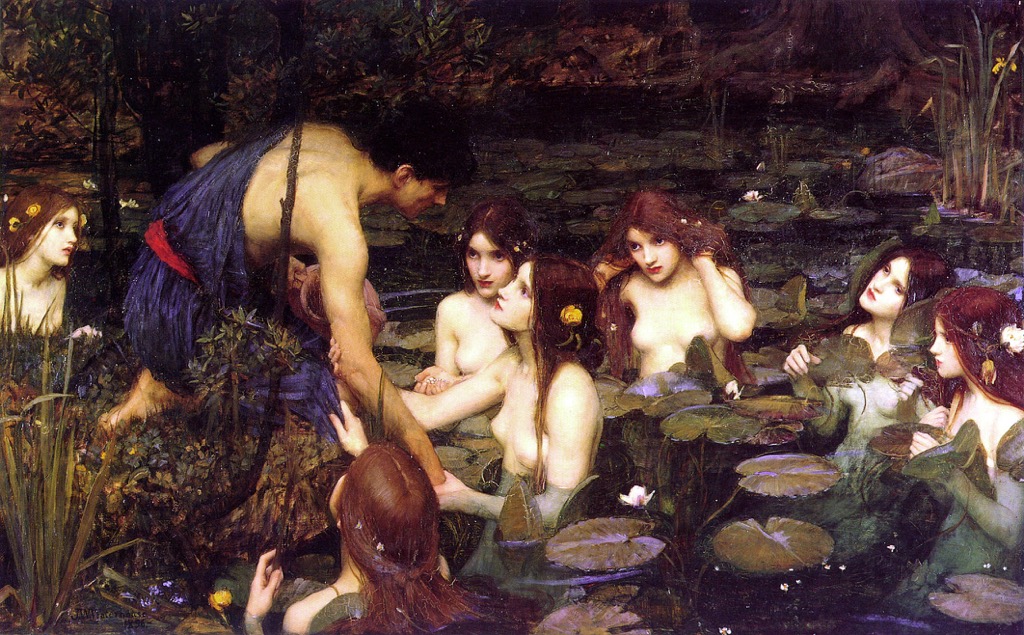
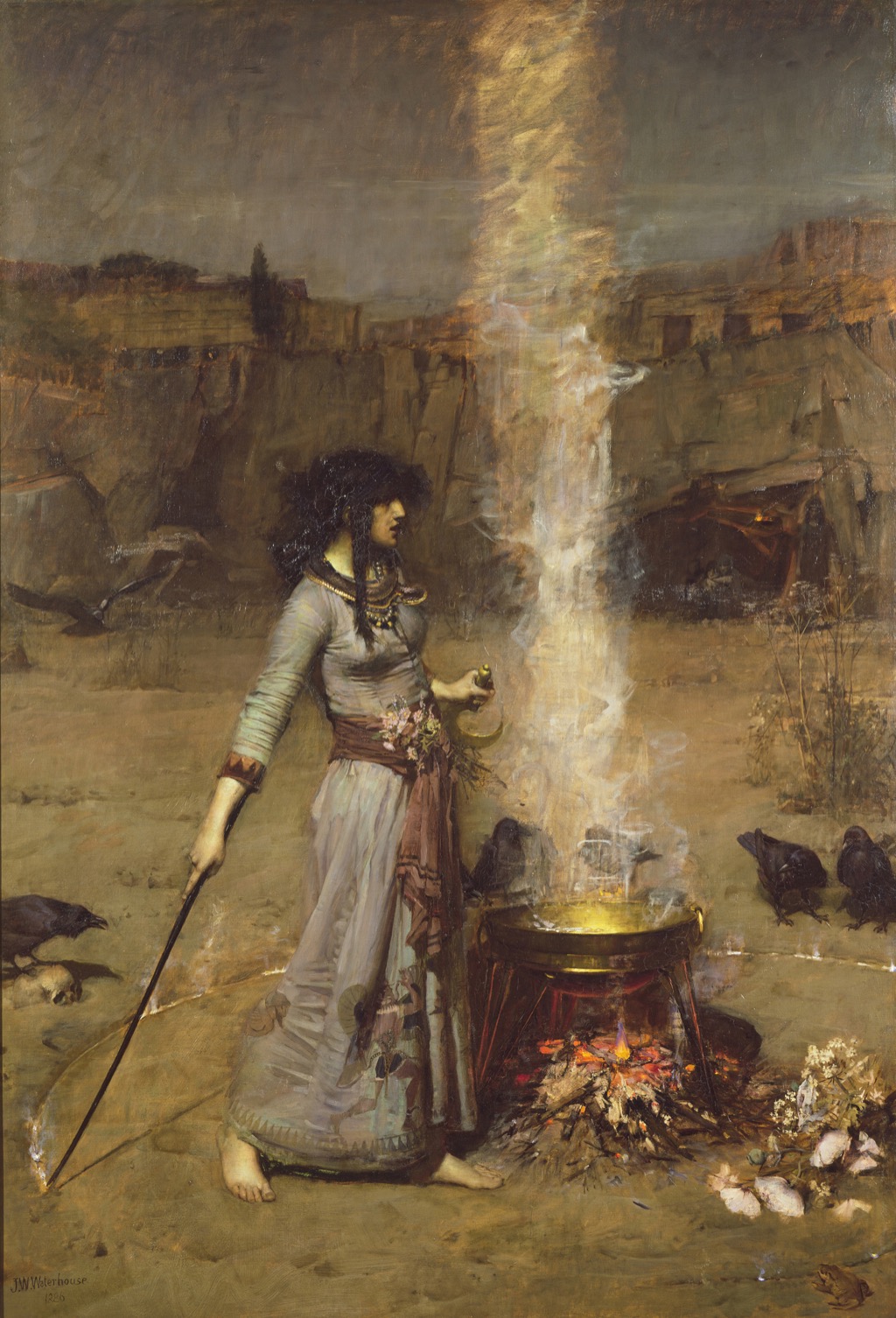
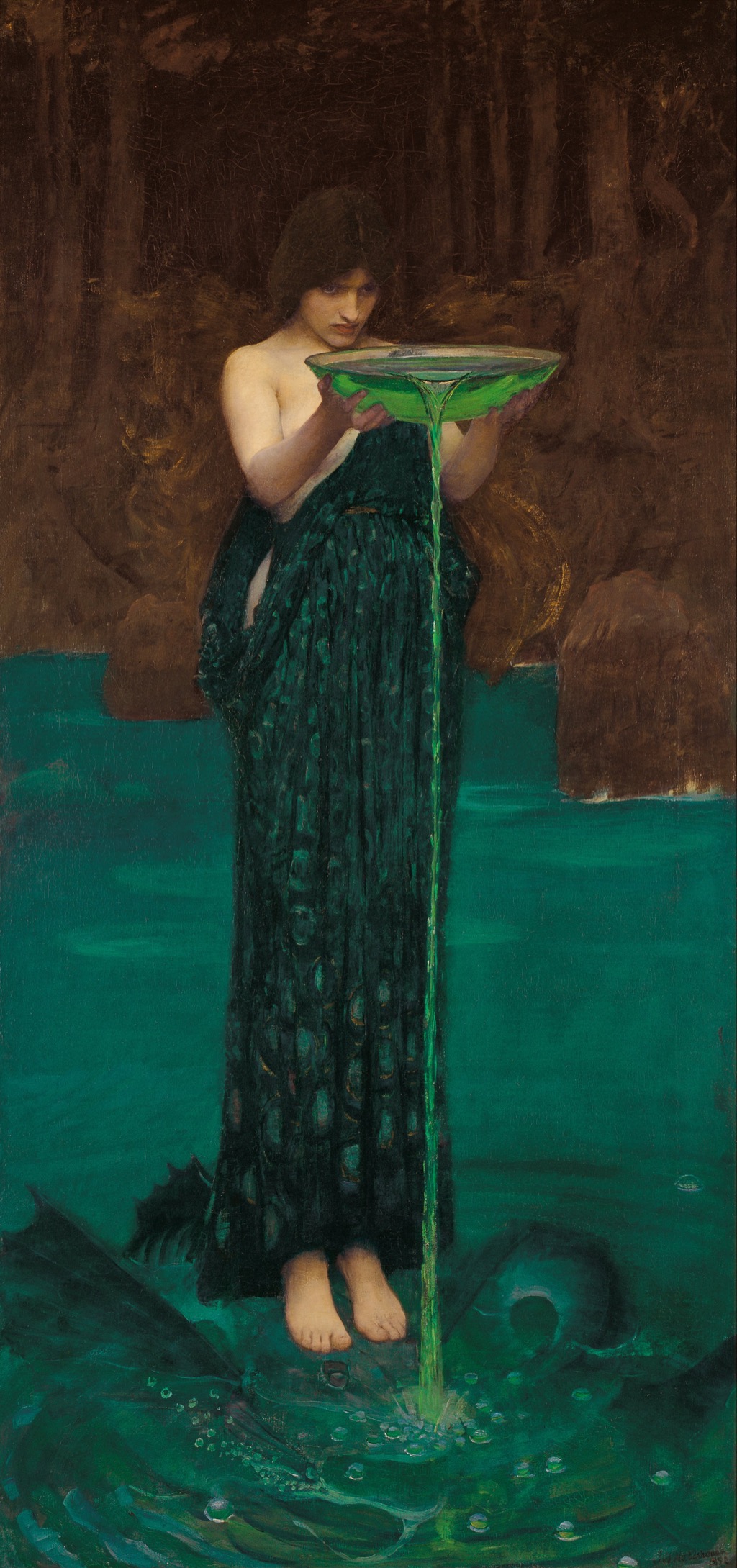
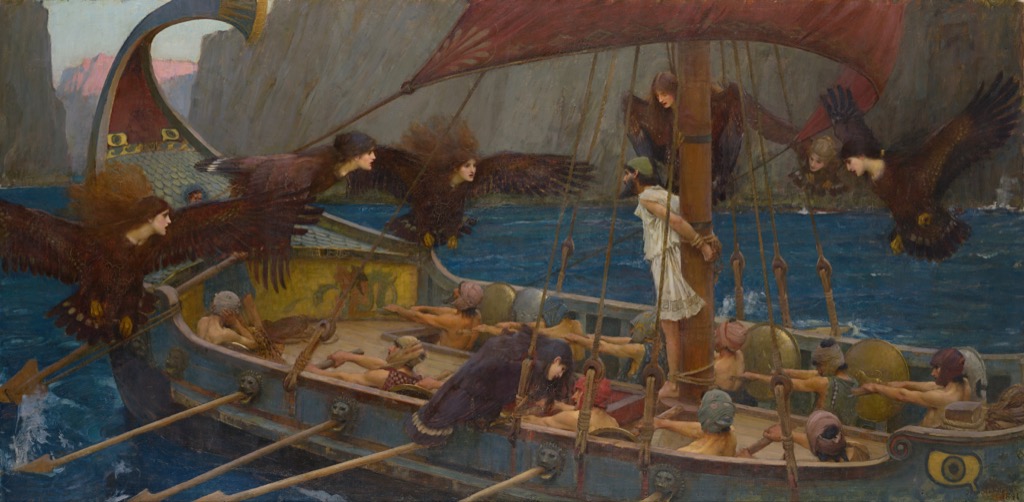
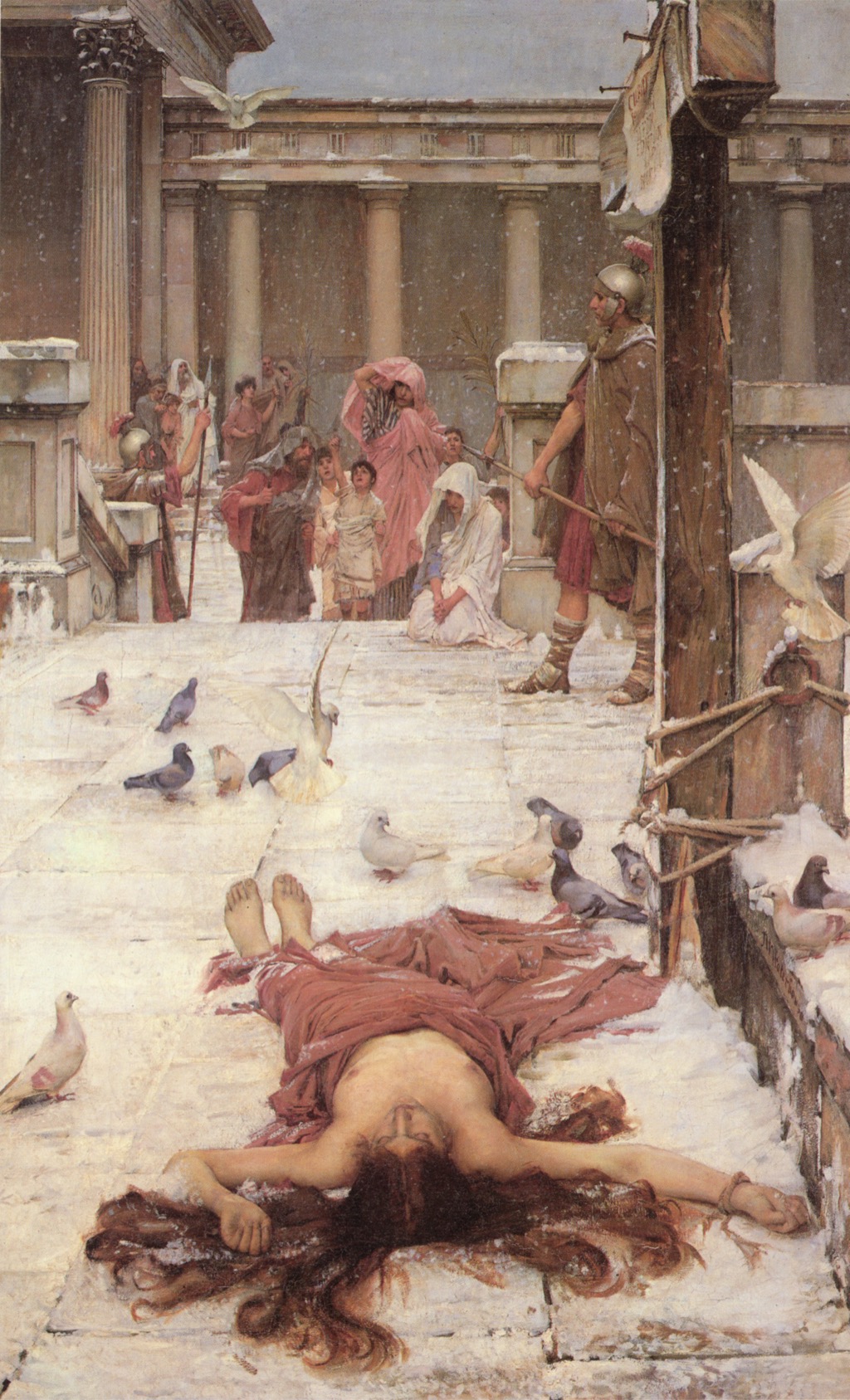
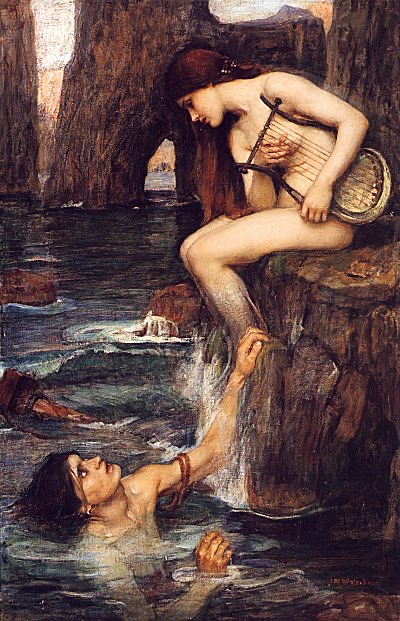
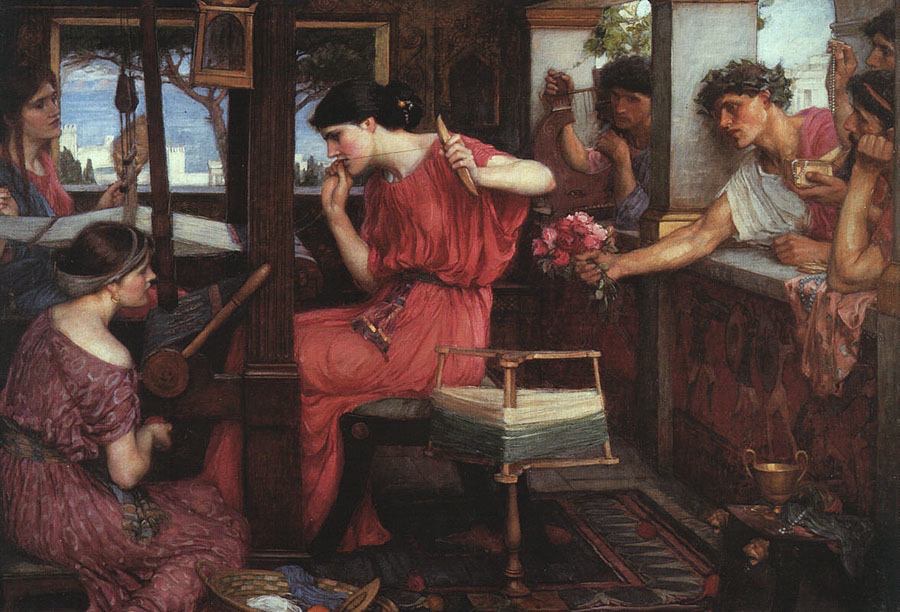
The faces in John William Waterhouse's paintings are among the most recognisable in Victorian art, yet the people behind them are often unknown. A red-haired woman may become Circe, Lamia, Thisbe or a nameless gatherer of flowers; one head can recur across drawings and finished canvases; a pose may be reversed or retained while costume and character change. Visual continuity is abundant. Documentary identification is not.
This guide separates three categories commonly blurred online: the model who posed in the studio, the sitter represented as a particular person, and the literary or mythological character named by the picture. It also restores Waterhouse's formal portraits to a career often described as though it contained only imaginary women. The result is more careful and more interesting: an artist working with real bodies and professional models, family and patrons, while transforming them so thoroughly that resemblance alone cannot recover biography. [1] [2] [3]
At a Glance
- Essential distinctionModel, portrait sitter and fictional character are not interchangeable
- Best-documented family portraitEsther Kenworthy Waterhouse, the artist's wife and a painter in her own right [1] [4]
- Best-known portrait of WaterhousePainted by his neighbour William Logsdail around 1887; formerly misattributed as a self-portrait [2]
- Documented artistic exchangeWaterhouse and Logsdail modelled and painted figures for one another's work [2]
- Named society sitterMargaret Henderson, later Mrs Charles Schreiber; portraits dated 1900 and 1912 are associated with her [5]
- Scholarly model identificationMuriel Foster is documented for specific works through published research, but should not be assigned to every similar face [6] [7]
- Recurring late modelOften unnamed in catalogue records despite strong visual consistency [3]
- Preparatory evidenceHead studies establish studio practice and relationships to particular works, not necessarily a model's identity [8] [9]
- Identification standardDo not turn resemblance into a name without an inscription, contemporary caption, provenance record or strong scholarly documentation
Contents
- Introduction
- Model, sitter and character are different identities
- What the documentary gaps mean
- Esther Kenworthy Waterhouse: artist, wife and portrait sitter
- Waterhouse as sitter: William Logsdail's portrait
- Patrons and formal portraiture
- Muriel Foster: identification and its limits
- The recurring late “Waterhouse woman”
- Male models, doubled figures and studio reuse
- Drawings and the transformation of identity
Model, sitter and character are different identities
A portrait claims to represent a particular person. A model supplies a body, face, gesture or pose for an artist's work. A character belongs to the story represented. One individual can occupy all three roles, but Waterhouse's evidence rarely permits that assumption.
In Saint Cecilia, for example, the title identifies the sleeping saint through Tennyson's poem. Research cited by Christie's identifies Muriel Foster as the model for the angels, not as the historical Cecilia. [6] In Phyllis and Demophoon, a lifetime caption connects a separate head study with Phyllis, but the woman who posed remains unnamed. [9] In Mrs Charles Schreiber, the title and collection history identify a real sitter; the work is not a fictional role constructed from literature. [5]
This distinction prevents several common errors. Calling an unidentified model “Ophelia” confuses the woman in the studio with Shakespeare's character. Calling every repeated face Muriel Foster turns a scholarly identification in some contexts into a universal claim. Calling a portrait of Esther evidence that she posed for all Waterhouse's heroines converts marriage into studio documentation.
Transformation was fundamental to nineteenth-century figure painting. Models could be clothed in invented costume, their features adjusted, their pose combined with separate studies, and the surrounding setting constructed from memory, landscape work or props. The finished fictional identity was therefore an artistic product, not a transparent record of the sitter's life.
Even in a portrait, representation is shaped. Waterhouse selected pose, dress, expression, format and degree of finish to present a social identity. A named sitter gives the work an external referent; it does not remove composition or convention.
What the documentary gaps mean
The National Portrait Gallery explicitly notes the shortage of personal information about Waterhouse despite his success. [1] No surviving studio ledger available in the sources used here lists every model, date and payment. The recurring faces visible across the oeuvre therefore exceed the names that can be established.
This gap should not be filled by confidence. Facial resemblance is affected by the painter's preferences, idealisation, age, angle, expression, costume and the reuse of earlier drawings. Two figures can look alike because one woman posed for both, because Waterhouse favoured a type, because he regularised different models towards that type, or because modern reproductions exaggerate shared features.
Documentation also has levels. An artist's inscription naming a model would be strong primary evidence. A lifetime publication caption linking a study with a finished character can establish the study's purpose without naming the person. A modern catalogue may identify a model through inscriptions, descendants or comparative archival research. An unattributed website repeating a name without a source is weak even if the name appears on hundreds of pages.
Negative evidence needs care as well. “The model is unknown” usually means no secure identification has been found in the consulted record. It does not prove that Waterhouse, his household or original patrons did not know her. The public standard should be “not securely identified,” which describes the evidence without claiming historical amnesia.
The gaps affect interpretation. A figure can still be analysed through pose, gaze, dress and literary role. Refusing a speculative biography does not empty the painting. It redirects attention from an imagined muse story to the work Waterhouse actually constructed.
Esther Kenworthy Waterhouse: artist, wife and portrait sitter
Esther Maria Kenworthy married Waterhouse in 1883. The National Portrait Gallery identifies her as a flower painter and records that the couple were childless. [1] Her profession matters. “Artist's wife” describes a relationship, not the whole person. Esther exhibited work and belonged to the same artistic culture that sustained the household.
Waterhouse painted a portrait of Esther around 1885, now associated with Sheffield's collection. [4] The work presents a specific person rather than a mythic heroine. Its comparatively intimate format and direct attention to the face differ from the elaborate narrative machinery of the Academy pictures, although the controlled turn of head and quiet expression show the same sensitivity to inward presence.
The portrait is valuable biographical evidence. It confirms that Esther sat for her husband and gives a visual record of her appearance as interpreted by him. It does not prove that she modelled for every nearby fictional painting. Similarity should be stated as similarity unless a document connects her with a work.
Nor should Esther's artistic practice be inflated into undocumented collaboration. The shared household may have allowed conversation, criticism and practical support, but the sources used here do not assign her parts of Waterhouse's canvases. Respect for her agency includes resisting both erasure and invention.
She remained responsible for important studio material after Waterhouse's death. The Enchanted Garden, his unfinished final project, descended through the family after being retained by Esther. [10] That provenance shows custodianship. It does not license a romantic narrative about the precise meaning the work held for her.
The pair also appeared within the sociable life of Primrose Hill Studios. A caricature of the “Primrose Hill School” includes both John and Esther among the artists and acquaintances represented. [11] Such evidence places Esther within a working community rather than outside the studio world as a passive domestic figure.
Waterhouse as sitter: William Logsdail's portrait
The small painted head of Waterhouse in the National Portrait Gallery offers an exceptional case study in attribution. For years it was treated as a self-portrait. It remained with the Waterhouse family and was exhibited under that description in the 1978 retrospective. [2]
Peter Trippi later questioned the attribution, recognising similarities with portrait studies by William Logsdail for the large city scene The Bank and Royal Exchange. National Portrait Gallery research connected the head with a figure in that painting and with the documented practice of friends and neighbours modelling for it. The attribution to Logsdail is now considered established. [2]
The correction changes more than the artist's name. A self-portrait would suggest Waterhouse constructing his own professional image. A portrait by Logsdail records how a colleague saw him and embeds the object within the cooperative culture of Primrose Hill Studios. The lowered gaze and modern brown suit become part of an exchange among working artists.
Logsdail recalled that the residents formed a close community, moving between studios and socialising together. [2] For The Bank and Royal Exchange, Waterhouse appeared as a model; Logsdail also appeared in the group through a likeness painted by Waterhouse. Each artist thus contributed the other's image to the same urban crowd.
This reciprocal modelling disrupts the cliché of Waterhouse alone with a succession of beautiful anonymous women. His studio practice included male colleagues, contemporary dress and a major picture of modern London, even if his own public reputation rested on myth and poetry.
The case also demonstrates why provenance does not settle authorship by itself. Family descent preserved the sitter's identity but not the correct attribution. Style, comparison, testimony and the work's relationship to another painting were needed. Model and portrait research is an evidential process, not face recognition alone.
Patrons and formal portraiture
Waterhouse was primarily a figure and subject painter, but he accepted portraits. These works linked him with the patrons who bought his literary pictures and reveal a different negotiation between observation, social identity and artistic type.
Margaret Henderson is an important example. Waterhouse painted Miss Margaret Henderson in 1900, the year she married Captain Charles Schreiber. A later oval Portrait of Mrs Margaret Schreiber, signed and dated 1912, is in the Faringdon Collection at Buscot Park. [5] The collection record describes her black dress and red rose and documents the work's inclusion in the 1978 Waterhouse exhibition.
The two titles mark social change: “Miss Margaret Henderson” and “Mrs Charles Schreiber” identify the same woman before and after marriage. They also show how period portrait naming could subordinate a woman's given name to marital status. A careful account should record both historical title and recoverable personal identity.
The Henderson family belonged to Waterhouse's patronage network. Formal portraiture could consolidate such relationships while subject paintings circulated through the same collections. This does not make every heroine a disguised portrait of a patron. It shows that portrait commissions and imaginative work belonged to one professional economy.
Waterhouse also painted young relatives and other named women, although catalogue details and attributions vary. Works associated with Claire Kenworthy, Betty Pollock, Phyllis Waterlow and members of the Henderson family should be handled object by object. A list copied from an older website cannot replace a current collection or scholarly record.
His portraits are sometimes judged against the dramatic narrative works and dismissed as peripheral. They deserve a more precise role. They show how the same painter managed likeness, costume and reserve when invention was constrained by a living sitter and a social commission. Their quietness can illuminate the portrait-like concentration of later flower-women without turning those unnamed pictures into portraits.
Muriel Foster: identification and its limits
Muriel Foster is the most frequently named Waterhouse model. The identification rests on serious research rather than pure internet folklore. Patty and Peter Baker published an article on Foster in the Journal of Pre-Raphaelite Studies in 1999, and Christie's catalogue entries cite that work when discussing drawings and paintings. [6] [7]
For Saint Cecilia, the catalogue identifies Foster as the model for both angels and states that she began sitting for Waterhouse in 1893. [6] Using one model twice strengthens the angels' kinship while Waterhouse varies their gestures. Here the name is tied to a specific scholarly claim.
A Christie's entry for Study of a Girl's Head discusses characteristic features recurring in many pictures and reports the Bakers' proposal that Foster sat extensively between 1893 and 1906 and again late in the artist's life. [7] That is broader than one canvas, but it remains an attributed scholarly argument. It should not be rewritten as an uncontested studio ledger.
The distinction matters because Waterhouse's later figures vary. Some catalogues describe an unnamed favourite model. The Soul of the Rose has prompted competing proposals involving Foster and Beatrice Ethel Hackman or Flaxman. [12] A face that resembles Foster in one reproduction is not sufficient to resolve that dispute.
It is also reductive to let a model's name erase the fictional work. Foster's contribution, where documented, was bodily and professional; Waterhouse's composition transformed it through costume, setting, repetition and narrative. The angel, Lamia or flower-gatherer is not a portrait biography of Foster.
Conversely, “muse” can obscure labour. Professional modelling required stillness, repeated sessions and the ability to sustain poses or expressions from which complex pictures were built. The word may romanticise a working relationship while implying personal intimacy for which evidence is lacking.
The most accurate formulation is specific: “Research cited in the catalogue identifies Muriel Foster as the model” where the source does so. Elsewhere, “the model has not been securely identified” is stronger than a universal guess.
The recurring late “Waterhouse woman”
From the 1890s onward, Waterhouse repeatedly painted a recognisable female type: strong jaw, full lips, long neck, pale or flushed skin, abundant hair and an expression held between concentration and withdrawal. In late flower pictures she may be red-haired; in mythic works colour and styling vary while structural affinities remain.
The type is an artistic fact even when the sitter is unknown. Repetition creates continuity across stories. Circe, Lamia, Thisbe, Phyllis and nameless women gathering or smelling flowers seem to inhabit a related imaginative world. A viewer can recognise Waterhouse before identifying the subject.
Yet “type” is not a synonym for one person. Artists select and regularise. Waterhouse could adapt different models towards preferred proportions; reuse studies; reverse a pose; or alter hair and expression. The repeated face belongs partly to style.
This distinction changes gender interpretation. If all the women are assumed to be one beloved muse, their different actions collapse into the artist's private fixation. If the type is understood as a studio and pictorial construction, differences return: Circe acts; Ophelia listens or prepares; Psyche crosses thresholds; Phyllis transforms; Juliet detects an observer; the rose-gatherers negotiate time.
Their similarity can itself be interpreted. Repeated beauty may create an idealised category through which Victorian and Edwardian culture imagined femininity, danger, inwardness and desire. Such an argument concerns representation. It does not need an invented name.
Male models, doubled figures and studio reuse
Waterhouse's male models receive less attention because the best-known paintings centre women. Surviving evidence nevertheless shows that men were essential. Waterhouse himself posed for Logsdail. Colleagues modelled within the Primrose Hill network. Mythological youths such as Hylas, Demophoon, Adonis and Narcissus required sustained figure study.
Christie's suggests that the beardless youth used for Hylas may also have provided Demophoon's body in Phyllis and Demophoon, possibly through reuse of older drawings. [9] The suggestion is plausible catalogue scholarship rather than a documented name. It tells us about studio economy and remembered form, not the model's biography.
Waterhouse also multiplied a single model within one composition. The two angels of Saint Cecilia are closely related. The nymphs in Hylas and the Nymphs repeat faces with small alterations, creating supernatural sameness. Doubling serves pictorial meaning: celestial harmony in one work, mesmerising collective attraction in another.
Repeated heads should therefore be read compositionally as well as biographically. When figures share features, Waterhouse may be suppressing individuality to make a chorus, sisterhood or uncanny group. Asking “Who posed?” is worthwhile; asking “What does repetition do?” is equally necessary.
Children and older figures further widen the model world. Waterhouse painted emperors, attendants, sailors, priests, companions and supplicants across his career. Focusing only on his red-haired late women misrepresents the practical range demanded by multi-figure history painting.
Drawings and the transformation of identity
Preparatory studies are the strongest antidote to the myth that Waterhouse simply copied a beautiful sitter into a fantasy setting. His drawings isolate heads, hands and whole poses. Comparisons with finished works reveal adjustment: hair changes, bodies reverse, costume expands, and a neutral studio gesture becomes a moment from myth.
Princeton's Head of a Girl records intense attention to a face without securely establishing the sitter's name. [8] Its value lies in Waterhouse's modelling of turn, light and expression. The absence of identity is not a defect in the object record.
The head study linked with Phyllis and Demophoon offers a different evidential case. Baldry reproduced and identified it as Phyllis in 1911, during Waterhouse's lifetime. [9] That contemporary caption corrects a later tendency to connect the same familiar face with Hylas and the Nymphs. It establishes artistic purpose more securely than resemblance.
Studies for The Enchanted Garden show Waterhouse revising the principal woman from a darker-haired figure into the red-haired presence of the unfinished canvas. [10] The pose and emotional function could persist while appearance changed. This is direct evidence that character identity was constructed through development rather than discovered whole in one sitter.
The oil study behind The Soul of the Rose changes pose orientation, hair and dress while retaining the sensory act. [12] Again, the essential subject is not a documentary portrait. Waterhouse tests how a body can embody absorbed fragrance and memory.
Drawings sometimes bear later inscriptions or attributions. Handwriting, date and provenance need examination before an inscription is treated as Waterhouse's own. A useful study can establish sequence even when it cannot establish the model.
A responsible model-identification method
A responsible model-identification method asks the following questions in order:
- Is the work formally titled as a portrait of a named person?
- Does a collection, exhibition catalogue or provenance record identify the sitter?
- Is there an artist's inscription or lifetime caption connecting a study to a work?
- Has modern scholarship proposed a model from documented evidence, and is the claim accepted or disputed?
- Does resemblance merely suggest continuity without supplying a name?
- What can be said about the figure's pictorial role even if the model remains unknown?
Language should match the result. “Depicts” is appropriate for a securely named portrait. “Research identifies” credits a scholarly conclusion. “Has been proposed” preserves uncertainty. “Resembles” states visual observation. “Unknown” should usually become “not securely identified in the cited sources.”
This approach also avoids assuming intimacy. A repeated professional model was not automatically a lover, confidante or “soulmate.” No private relationship should be inferred from the beauty or emotional intensity of the fictional figure.
Finally, model research should not turn living labour into trivia. Names matter because models participated in artistic production and because women have often disappeared from records. Accuracy honours that contribution better than attaching the most famous available name to every face.
Related Pages
- Biography: Place models, sitters and portraiture within Waterhouse's wider life and career.
- Contemporary Criticism and Quotations: Compare model-identification caution with quotation and attribution standards.
- Technique and Style: Connect studio practice, studies and visual repetition with Waterhouse's handling.
Frequently Asked Questions
No single person is securely documented as the model for all or most of his career. Muriel Foster is strongly associated through scholarship with specific works and periods, while many recurring figures remain unnamed. [6] [7]
She sat for a documented portrait. The sources used here do not prove that she posed for all or most of his mythological and literary women. [1] [4]
No. It was formerly catalogued that way, but research established William Logsdail as the artist around 1887. [2]
Yes. Their reciprocal contributions to figures in Logsdail's The Bank and Royal Exchange are documented by National Portrait Gallery research. [2]
No. Similarity may indicate a recurring model or preferred type, but each identification needs its own evidence. Catalogues sometimes record competing proposals or leave the model unnamed. [7] [12]
She was Margaret Henderson, a member of a patron family. Waterhouse painted her before marriage as Miss Margaret Henderson and later in a signed 1912 oval portrait. [5]
Only if documentation identifies the person. A drawing can securely relate a pose or head to a finished work without preserving the model's name. [8] [9]
Christie's suggests that possibility, perhaps through older studies, but does not provide the man's name or present the connection as a documented artist statement. [9]
Discussion
Waterhouse's models stand at the meeting point between real labour and imaginative transformation. Their bodies made the paintings possible, yet the finished figures are not documentary windows onto their lives. Waterhouse adjusted, repeated and combined studies until a person in the studio became a saint, sorceress, abandoned lover or unnamed embodiment of spring.
Portraits reveal the other side of that process. Esther Waterhouse, Margaret Schreiber and Waterhouse himself through Logsdail's eyes anchor the artistic circle in social identity. They show patrons, marriage, friendship and reciprocal studio work continuing beside the famous myths.
Reader Insights
Which visible detail most changes the way you read this page?
Which source or comparison helps the work feel less familiar and more specific?
What question would you bring back to the painting after reading?
Join the Conversation
Share your reading of this page below.
References
- Main image: H. S. Mendelssohn, John William Waterhouse, c. 1886, public-domain photograph via Wikimedia Commons.
- National Portrait Gallery, “John William Waterhouse (1849–1917), Figure Painter,” biography, marriage record and discussion of documentary scarcity. View source
- National Portrait Gallery, “John William Waterhouse, by William Logsdail, circa 1887,” extended catalogue entry on attribution, reciprocal modelling and Primrose Hill Studios. View source
- Royal Academy of Arts / Victorian Web, “J. W. Waterhouse: The Modern Pre-Raphaelite,” account of studies, sketchbooks and the retrospective's model research. View source
- Art UK, “Esther Kenworthy Waterhouse,” object record for Waterhouse's portrait of his wife in Sheffield's collection. View source
- Buscot Park, Faringdon Collection, “Portrait of Mrs Margaret Schreiber,” signed 1912 portrait, description and exhibition record. View source
- Christie's, “John William Waterhouse, R.A., St Cecilia,” catalogue essay citing research identifying Muriel Foster as model for the angels. View source
- Christie's, “Study of a Girl's Head,” catalogue essay discussing Patty and Peter Baker's Muriel Foster research and recurring facial type. View source
- Princeton University Art Museum, “Head of a Girl,” collection object record. View source
- Christie's, “A Study for Phyllis in Phyllis and Demophoon,” catalogue essay on the contemporary Baldry identification and proposed reuse of the male model for Hylas. View source
- Christie's, “Head Study for The Enchanted Garden,” catalogue essay on the study, changing model and family provenance. View source
- National Portrait Gallery, “Primrose Hill School,” catalogue record identifying John and Esther Waterhouse within the artist community. View source
- Christie's, “The Soul of the Rose,” catalogue essay discussing proposed model identities and preparatory evidence. View source