

 by Tom Gurney
Tom Gurney BSc (Hons) is an art history expert with over 20 years experience
Published on October 6, 2016 / Updated on May 6, 2026
Email: tomgurney1@gmail.com / Phone: +44 7429 011000
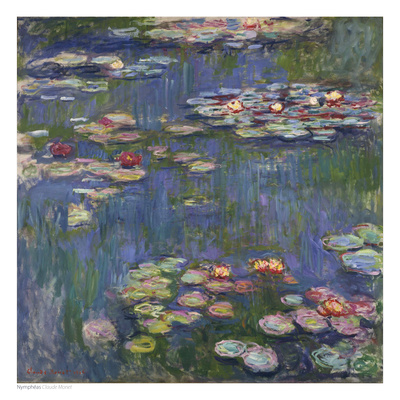
Claude Monet's Water Lilies, known in French as Les Nymphéas, were the final great achievement of his career.
Claude Monet's Water Lilies are among the most recognisable works in modern art. Painted from the late 1890s until his death in 1926, 2 they transformed the pond at Giverny into a world of colour, reflection, atmosphere and light.
At first glance, the paintings seem peaceful: floating flowers, rippling water, reflected trees and soft passages of sky. Yet the series is also one of Monet's most radical achievements. Over nearly thirty years, he gradually removed the horizon, reduced traditional perspective and turned landscape painting into an immersive field of colour and sensation.
The Water Lilies were not views Monet discovered by chance. He designed the garden himself, enlarged the pond, planted water lilies, introduced exotic hybrids and built the Japanese-style bridge that appears in many early versions of the series. The garden became both subject and studio: a living artwork that Monet then translated into paint.
The result was a vast body of work, usually estimated at around 250 paintings 1, ranging from intimate pond studies to monumental decorations. The most famous group is now displayed in two oval rooms at the Musée de l'Orangerie in Paris 1, where the paintings surround the viewer with water, clouds, flowers and reflections.
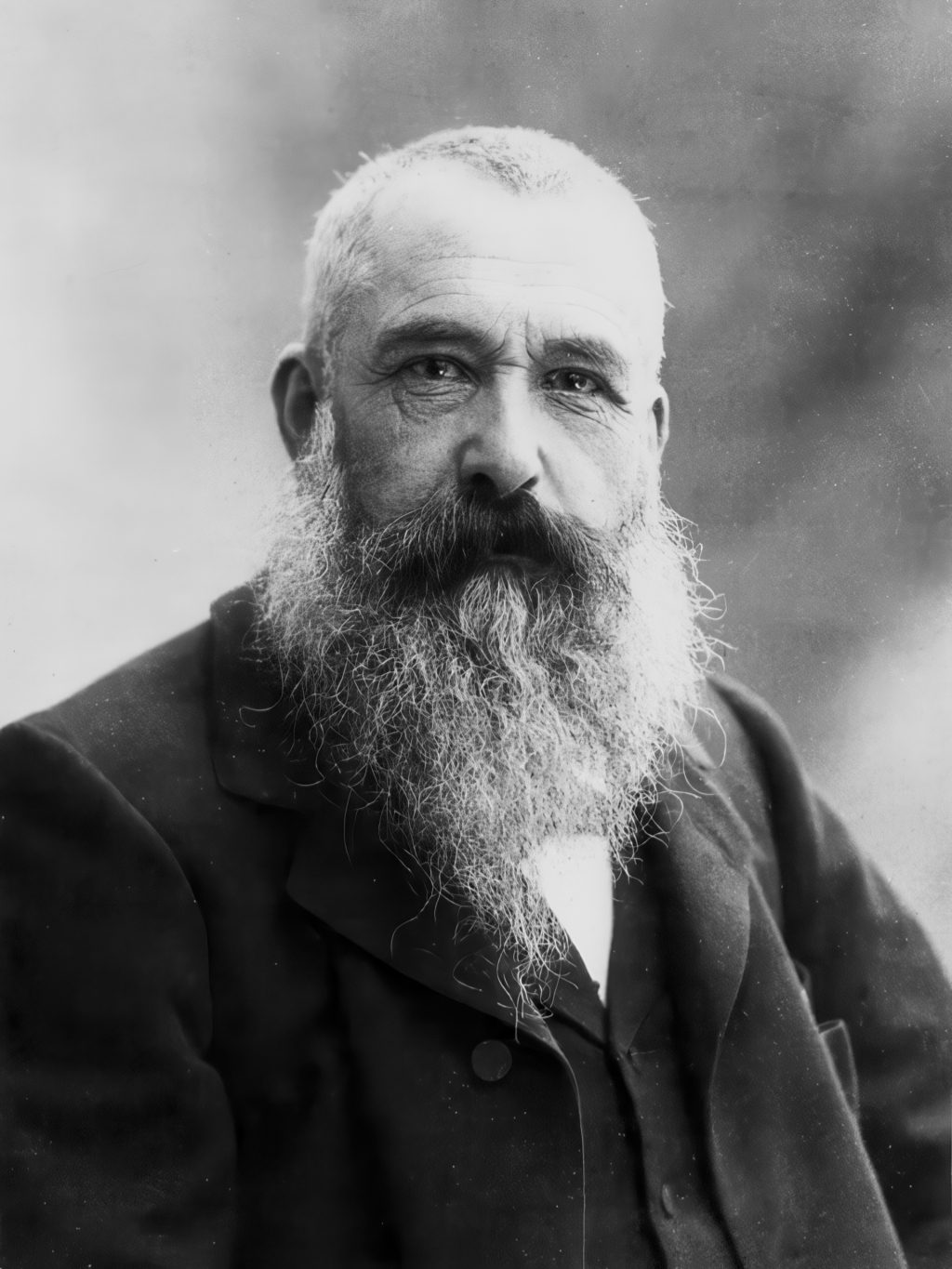
Water Lilies are an extension of my life. Without the water the lilies cannot live, as I am without art.
Claude Monet Water Lilies: Summary
- Artist: Claude Monet
- French title: Les Nymphéas
- Main period: c.1897-1926
- Location: Giverny, Normandy, France
- Subject: Monet's lily pond, water garden and reflections
- Major installation: Musée de l'Orangerie, Paris
- Importance: Late Impressionist masterpiece and major precursor to abstraction
Close-Up Details
The Water Lilies reward close looking. These cropped details reveal how Monet built the effect of water, flower and reflection through layered marks of paint. Click each image to view the detail more clearly.
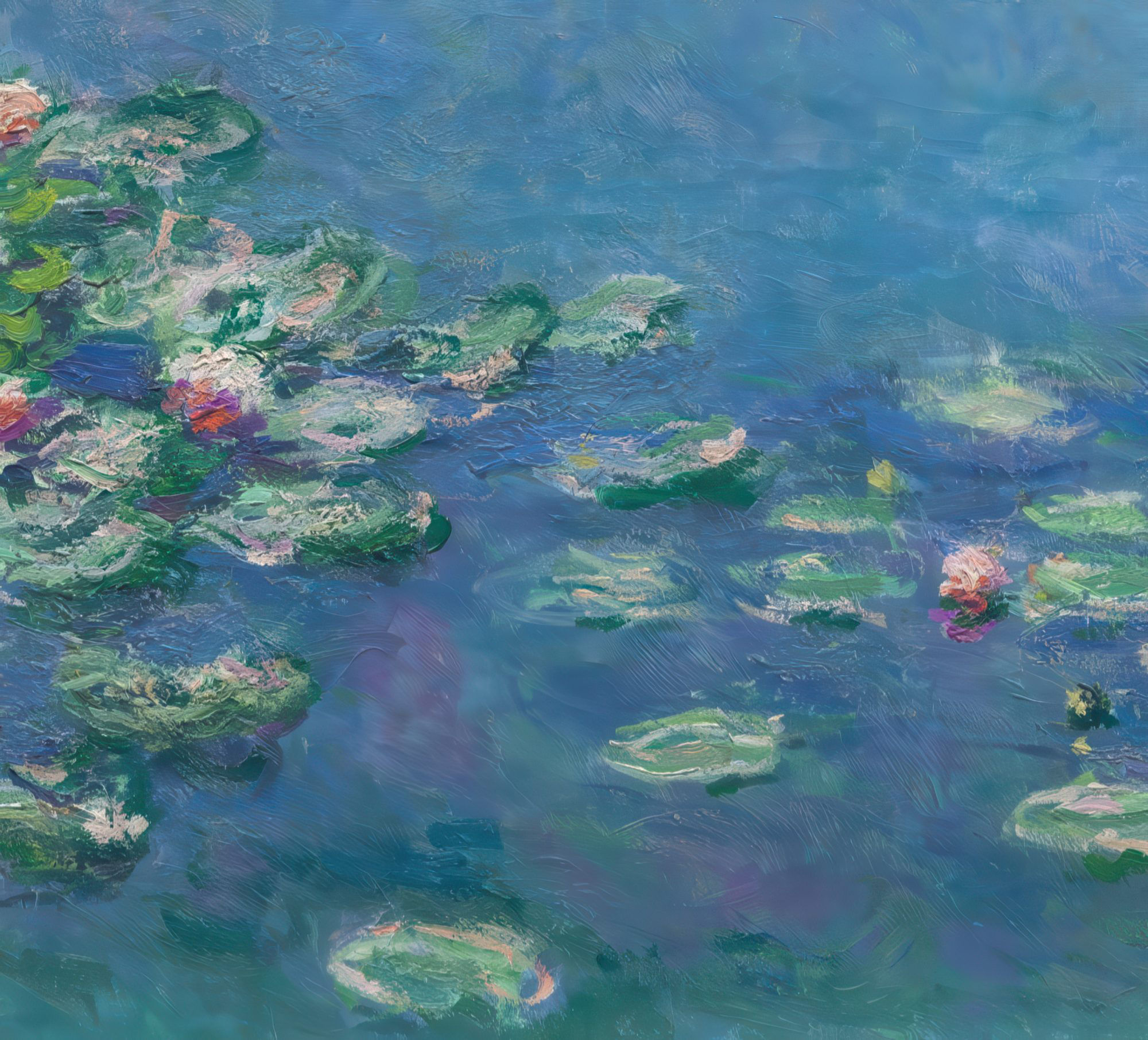
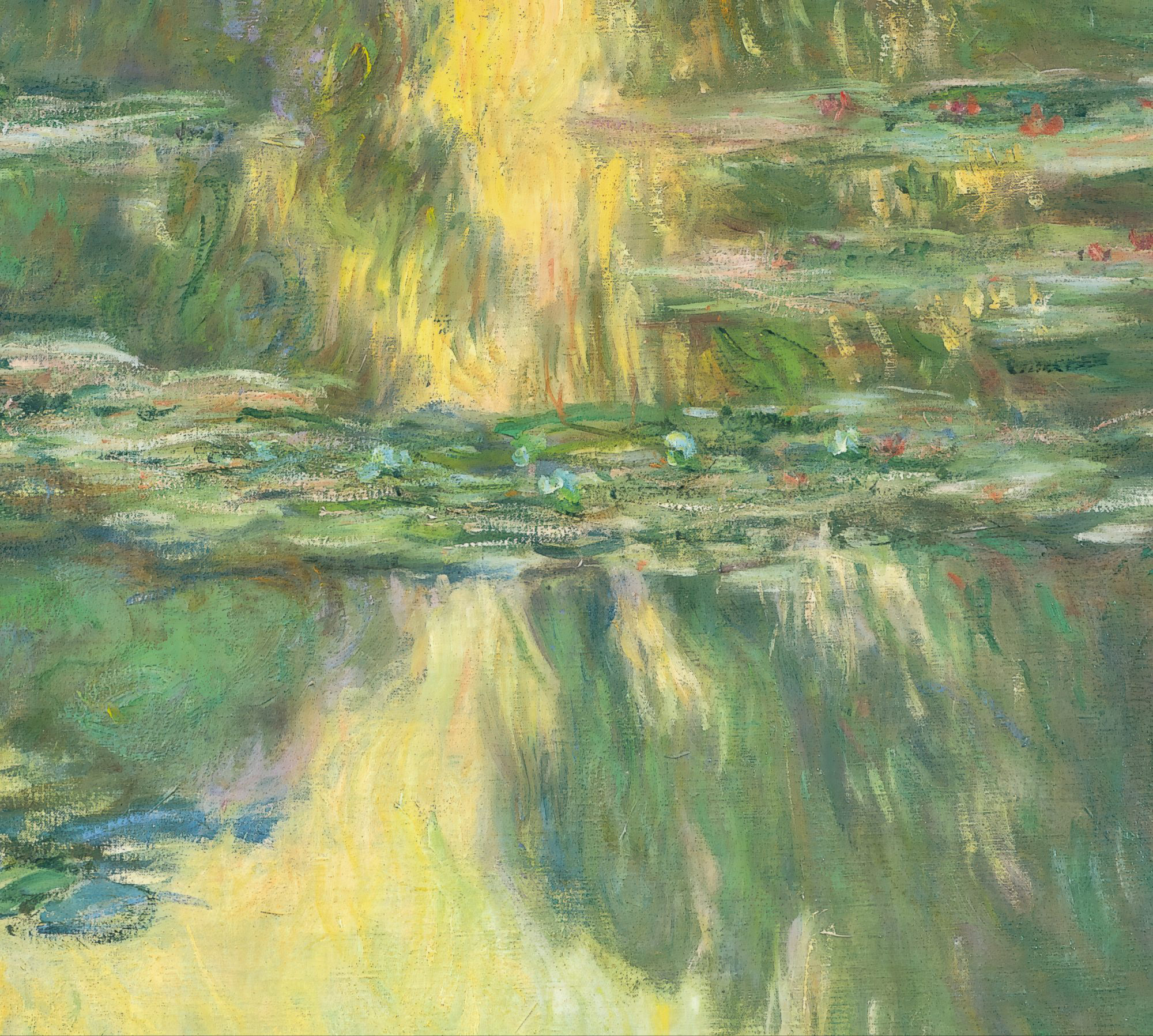
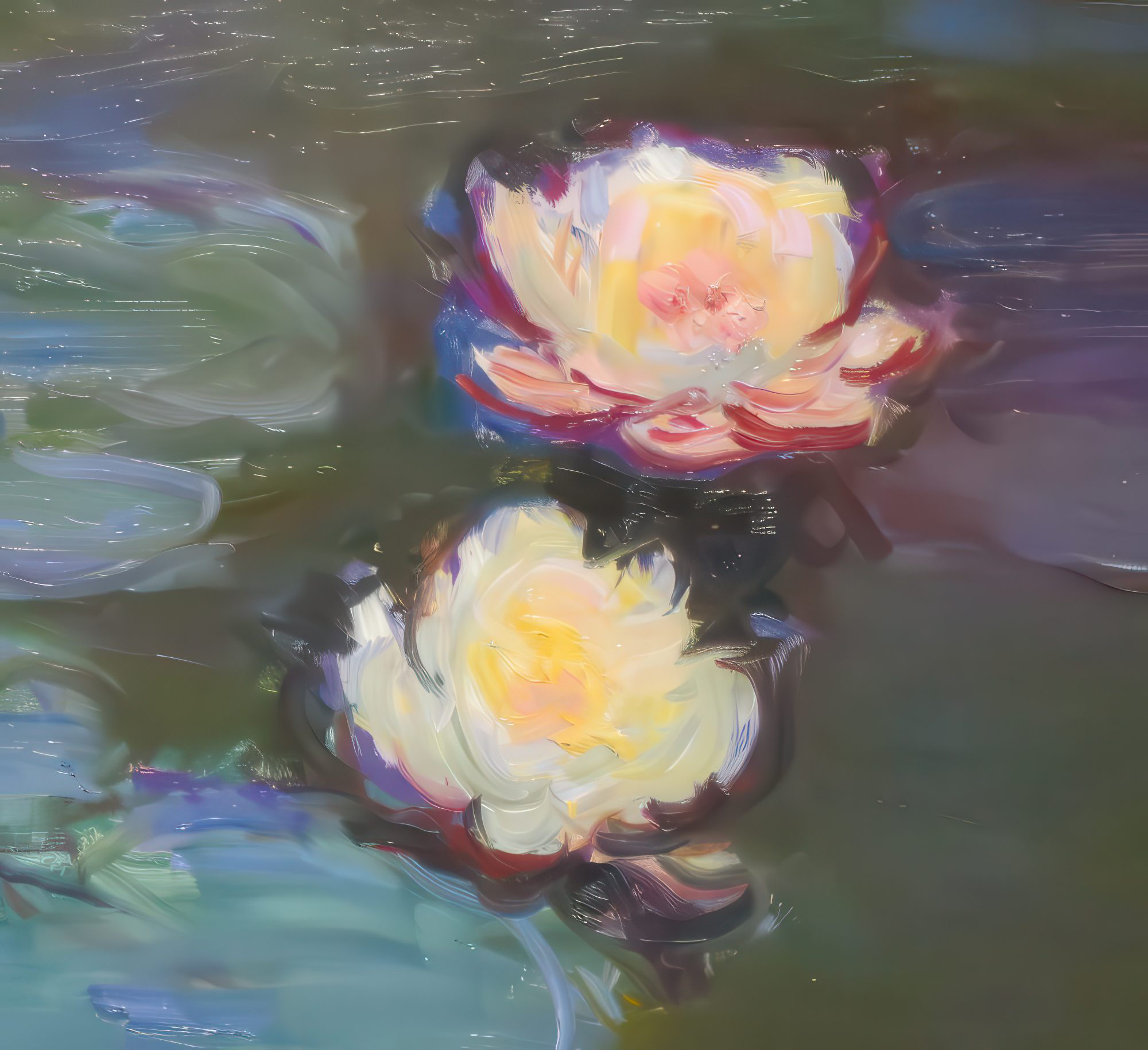
These details show why the Water Lilies became so important for modern painting. Monet was still observing a real pond at Giverny, but close up the image begins to dissolve into colour, touch and reflected light.
For more visual analysis, see Close-Up Details in Monet's Water Lilies.
Table of Contents
- What are Monet's Water Lilies?
- Giverny and the Creation of the Water Garden
- Timeline of Monet's Water Lilies
- Japanese Influence and the Bridge
- How the Water Lilies Evolved
- Top 10 Water Lilies Paintings
- The Orangerie Water Lilies
- Technique, Colour and Reflections
- Monet's Cataracts and Late Style
- Water Lilies and Abstract Art
- Where to See Monet's Water Lilies
What are Monet's Water Lilies?
Claude Monet's Water Lilies are a large group of paintings based on the lily pond in his garden at Giverny. The series includes early views of the Japanese bridge, close studies of floating lilies, late decorative canvases and the monumental cycle now displayed at the Musée de l'Orangerie in Paris 1.
The subject allowed Monet to rethink landscape painting. In many earlier Impressionist landscapes, the viewer looks across a field, river, beach, town or garden from a recognisable viewpoint. In the later Water Lilies, those familiar markers begin to disappear. There may be no horizon, no sky above, no bank, no path and no clear foreground. Instead, everything is absorbed into water and reflection.
This is why the series matters so much. Monet was still painting a real place, but he was no longer simply describing that place. He was painting the experience of seeing: the flicker of light, the instability of reflections, the way a flower rests on the surface while the sky seems to open beneath it.
The Water Lilies can therefore be understood as both the final flowering of Impressionism and one of the great bridges toward abstract art. Monet remained loyal to nature, but he pushed nature into a new visual language.
Giverny and the Creation of the Water Garden
Monet moved to Giverny in 1883 and remained there until his death in 1926 2. The village became more than a home. It became the centre of his late career and the setting for the most ambitious project of his life.
His property at Giverny was divided into two main parts. Near the house was the flower garden, known as the Clos Normand, with paths, beds, arches and carefully arranged colours. Across the road was the water garden, where Monet created the pond that would inspire the Water Lilies.
In 1893, Monet acquired additional land and began transforming it into a water garden 2. He enlarged the pond, introduced water lilies, planted trees and built a Japanese-style bridge 3. The garden was not a casual arrangement. Monet chose plants, colours and views with the eye of a painter.
Local opposition reportedly followed because neighbours feared the exotic plants might affect the water supply. Monet continued with the project, and the pond eventually became one of the most famous motifs in the history of art.
This matters because the Water Lilies were not simply paintings of nature. Monet first created the garden, then painted it. He made the living subject and then spent decades studying how light, weather, season and reflection transformed it.
For a fuller guide to this setting, see Monet's Garden at Giverny.
Timeline of Monet's Water Lilies
The Water Lilies developed slowly over several decades. The series began with recognisable garden views and ended with vast decorative panels that surround the viewer.
| Year | Event | Importance |
|---|---|---|
| 1883 | Monet moved to Giverny. | The village became his home and future artistic laboratory. |
| 1890 | Monet purchased his house and garden. | He gained greater freedom to shape the property. |
| 1893 | Monet began creating the water garden. | The pond, bridge and water lilies were gradually developed. |
| 1897-1900 | Monet painted early Water Lilies and Japanese bridge works. | The water garden became a major subject. |
| 1903-1908 | Monet painted closer pond-surface views. | The bridge and banks became less important. |
| 1914-1926 | Monet worked on large decorative Water Lilies. | The series became monumental and immersive. |
| 1918 | Monet offered Water Lilies decorations to the French State after the Armistice. | The project became associated with peace after the First World War. |
| 1927 | The Orangerie Water Lilies opened to the public. | The installation became one of the world's great immersive art environments. |
For a more detailed chronology, see the full Water Lilies timeline.
Japanese Influence and the Bridge
The Japanese bridge became one of the most recognisable elements in Monet's early water garden paintings. It appears especially prominently in works of 1899 and 1900, where the arched bridge crosses the pond and gives the composition a clear focal point.
Monet owned Japanese prints and was deeply interested in Japanese design. The bridge at Giverny reflects this wider fascination. Its curve, the flattened surface of the pond and the decorative spread of foliage all helped Monet move away from traditional European perspective.
In the earliest Water Lilies, the bridge still tells the viewer where they are. It gives structure to the scene. But later, Monet increasingly removed it from view. The pond surface itself became the whole world of the painting.
This shift is central to the series. Monet began with garden views and ended with paintings in which water, colour and reflection almost overwhelm the subject.
For more on this motif, see Monet's Japanese Bridge paintings.
How the Water Lilies Evolved
The Water Lilies did not begin as the vast, immersive works we know from the Orangerie. They evolved through several stages, each one moving Monet further away from conventional landscape painting.
| Stage | Approx. dates | Visual features | Artistic significance |
|---|---|---|---|
| Garden view | 1897-1900 | Japanese bridge, pond, banks, trees and lilies | The water garden is still clearly presented as a place. |
| Pond surface | 1903-1908 | Closer views of lilies, water and reflections | The bridge disappears and the pond surface becomes the main subject. |
| Decorative ambition | 1914-1918 | Larger canvases, broader handling, fewer fixed landmarks | Monet begins thinking in terms of panels and environments. |
| Immersive late style | 1918-1926 | No horizon, floating colour, monumental scale | The series approaches abstraction while remaining rooted in nature. |
Early Water Lilies
The first major Water Lilies paintings are still close to conventional garden views. They often include the Japanese bridge, banks, trees and surrounding vegetation. The pond is important, but it remains part of a larger landscape.
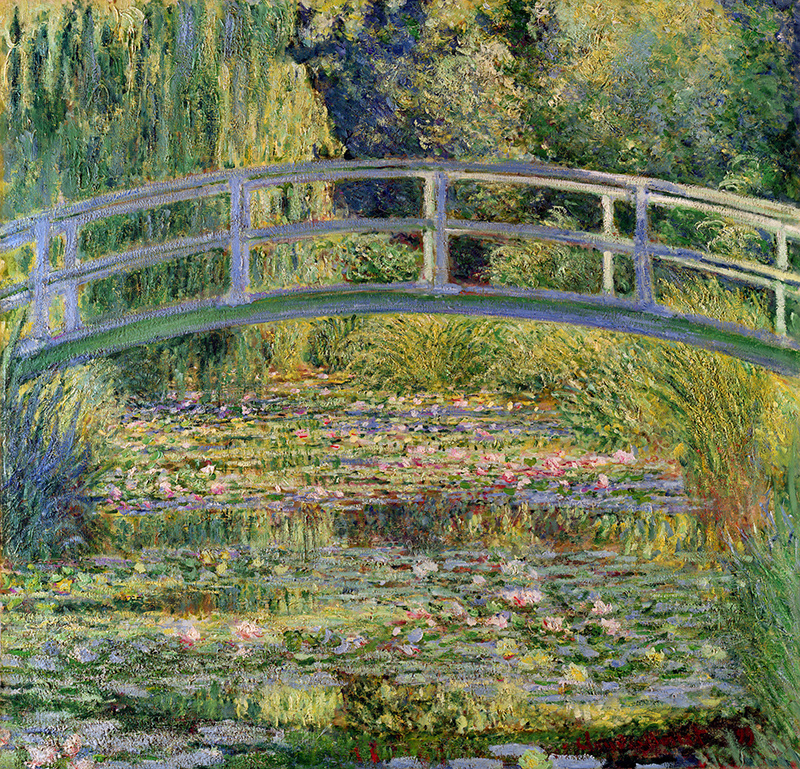
The 1899 Water-Lily Pond in the National Gallery, London, is one of the clearest examples of this stage 3. The bridge forms a strong arch across the composition, while the water below introduces the floating lilies and reflections that would later dominate the series.
Pond-Surface Paintings
From around 1903, Monet moved closer to the water. The bridge and banks appear less often. Instead, lily pads, flowers, reflected sky and trees fill the surface. These works are quieter than the large late panels, but they are among the most important steps in the series.
The viewer no longer looks across the garden. Instead, the eye hovers over the pond. Water becomes a mirror, a surface, a depth and a field of colour all at once.
Late Water Lilies
After 1914, Monet's Water Lilies became larger, more ambitious and less dependent on traditional landscape structure 4. The late works do not simply ask the viewer to look at a pond. They suggest the sensation of being surrounded by it.
These paintings were made during years of personal difficulty, war, grief and declining eyesight. They are not gentle retirement pictures. They are experimental works by an elderly artist still pushing painting into new territory.
Top 10 WATER LILIES Paintings Explained
Monet's Water Lilies are not a single painting but a vast late-life project, developed from the 1890s until his death in 1926. Some works still show the Japanese bridge and the garden at Giverny, while others remove the horizon almost entirely, leaving only water, flowers, reflections and colour. Below are ten of the most useful paintings for understanding how the series evolved.
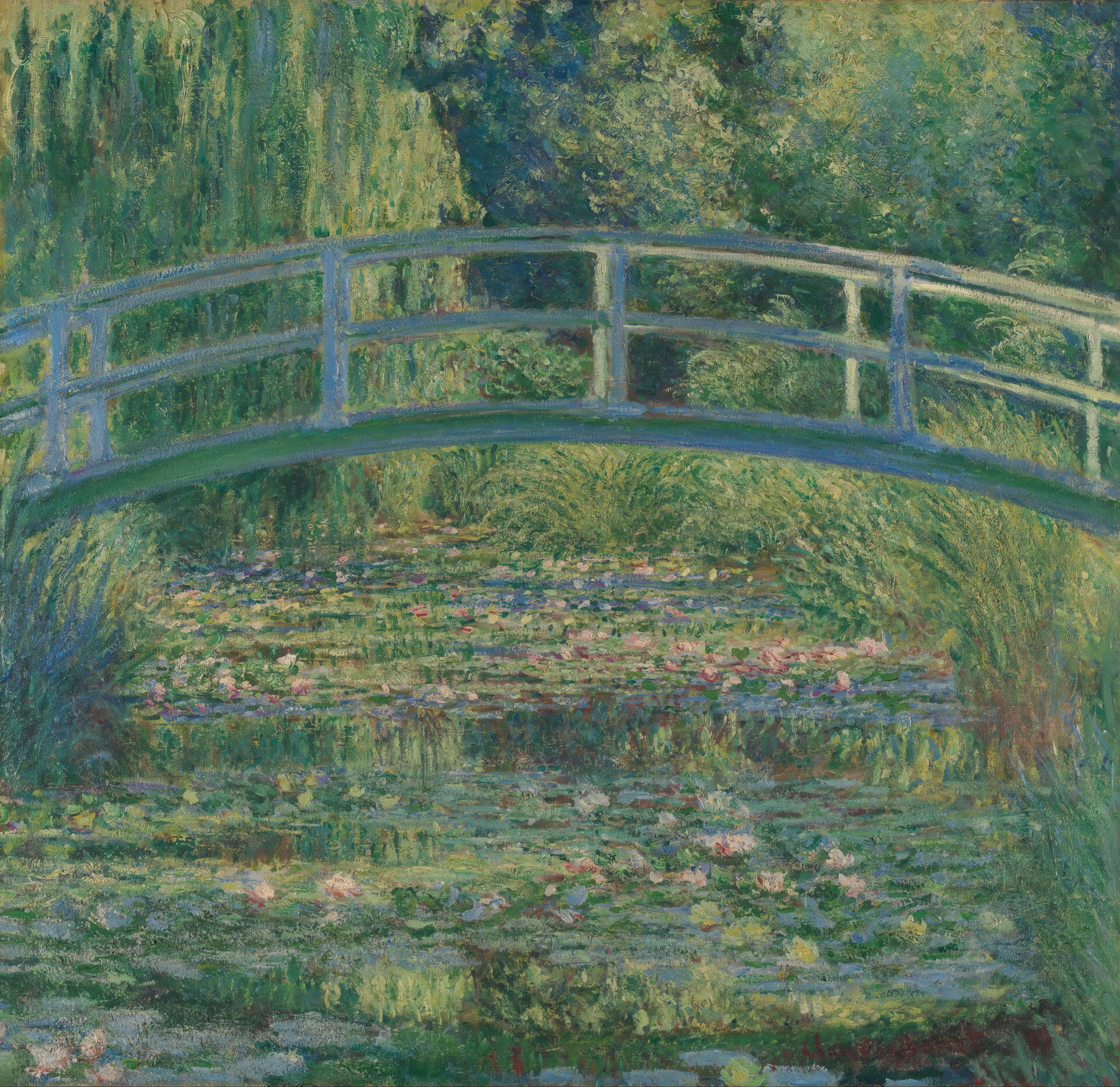
The Water-Lily Pond
Wildenstein number: W.1516
Date: 1899
Location: National Gallery, London 3
This is one of the best starting points for the Water Lilies series. The Japanese bridge still gives the composition a clear structure, while the pond below introduces the floating lilies and reflections that would later dominate Monet's final decades. It shows the series before the garden fully dissolves into water, light and surface.
Water Lilies and Japanese Bridge
Wildenstein number: W.1509
Date: 1899
Location: Princeton University Art Museum
This early version shows Monet still presenting the water garden as a designed place. The bridge, foliage and lilies form a compact decorative arrangement, but the water is already beginning to take over. It is a key work for showing how the Water Lilies began as garden paintings before becoming immersive studies of reflection.
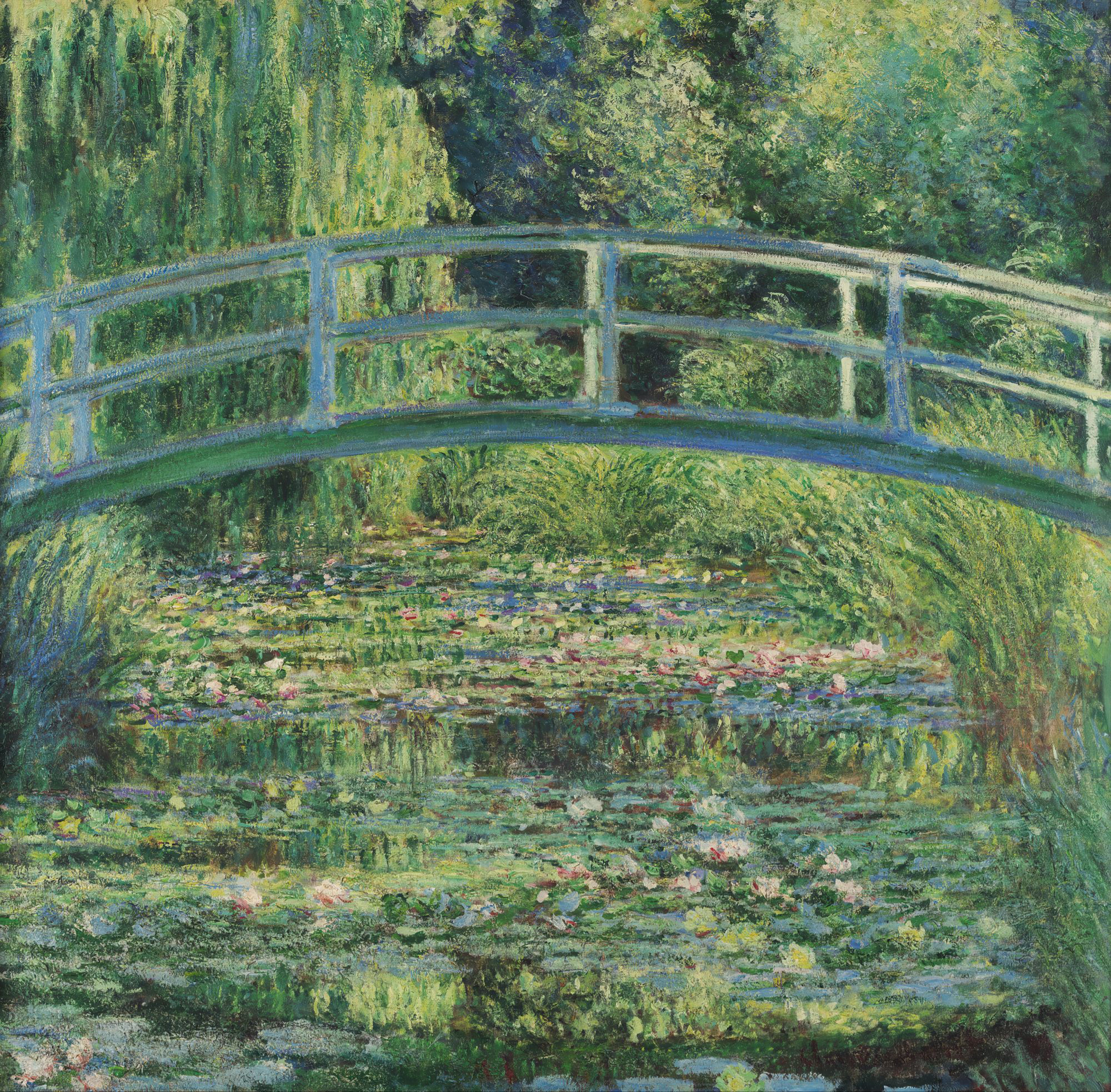
The Lily Pond, Green Harmony
Wildenstein number: W.1515
Date: 1899
Location: Musée d'Orsay, Paris
In this famous version, Monet turns the Giverny pond into a dense harmony of green. The bridge, foliage and water merge into a single decorative surface, showing the importance of Japanese prints and Monet's own garden design. It is one of the clearest examples of the early Water Lilies as both landscape and ornament.
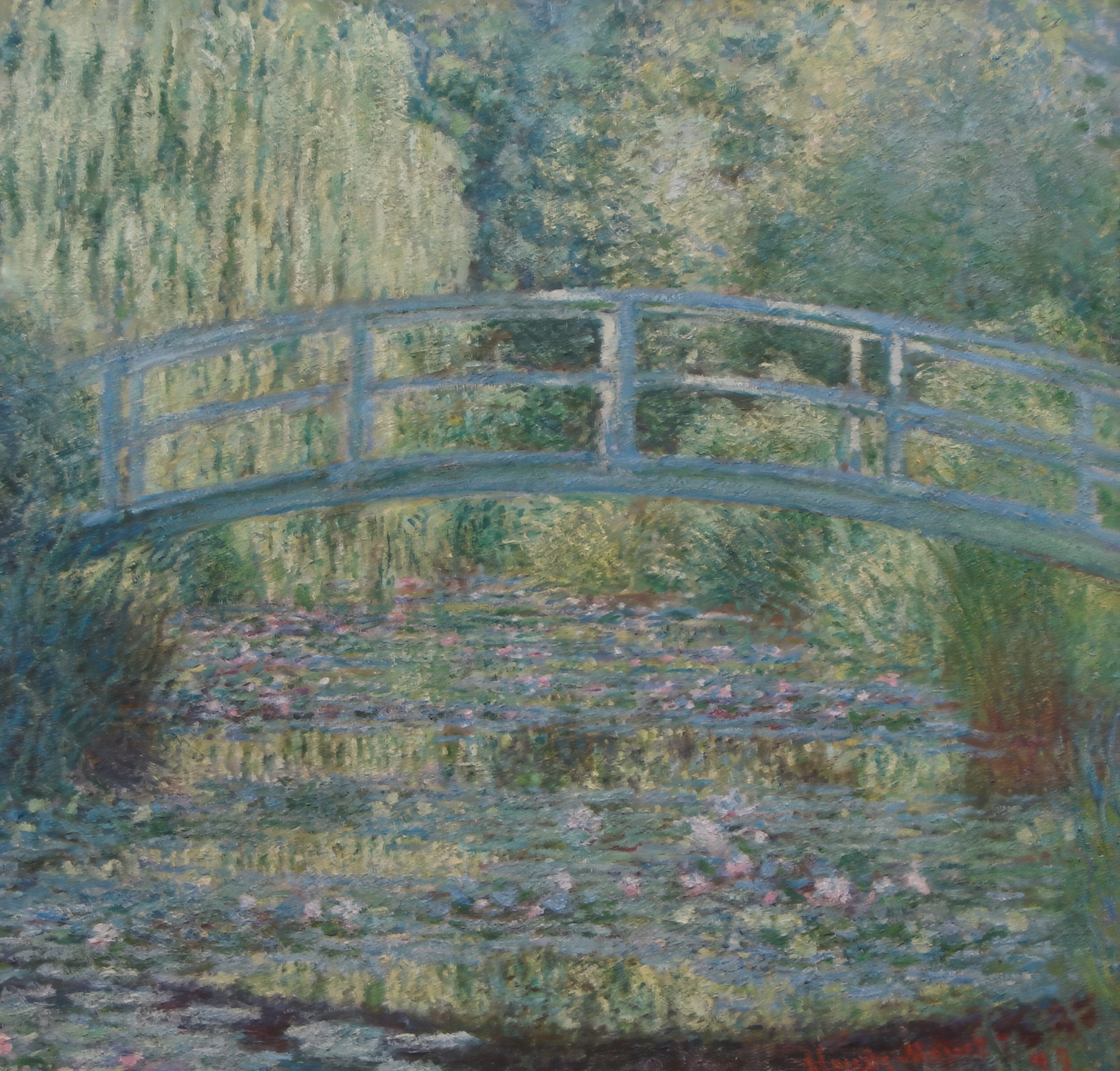
Bridge over a Pond of Water Lilies
Wildenstein number: W.1518
Date: 1899
Location: Metropolitan Museum of Art, New York
This Metropolitan Museum version is one of Monet's best-known Japanese bridge paintings. The bridge arcs across the upper part of the composition, while the lower half is filled with water, lilies and reflected greenery. It is especially useful for comparing how Monet varied the same garden motif from one canvas to another.
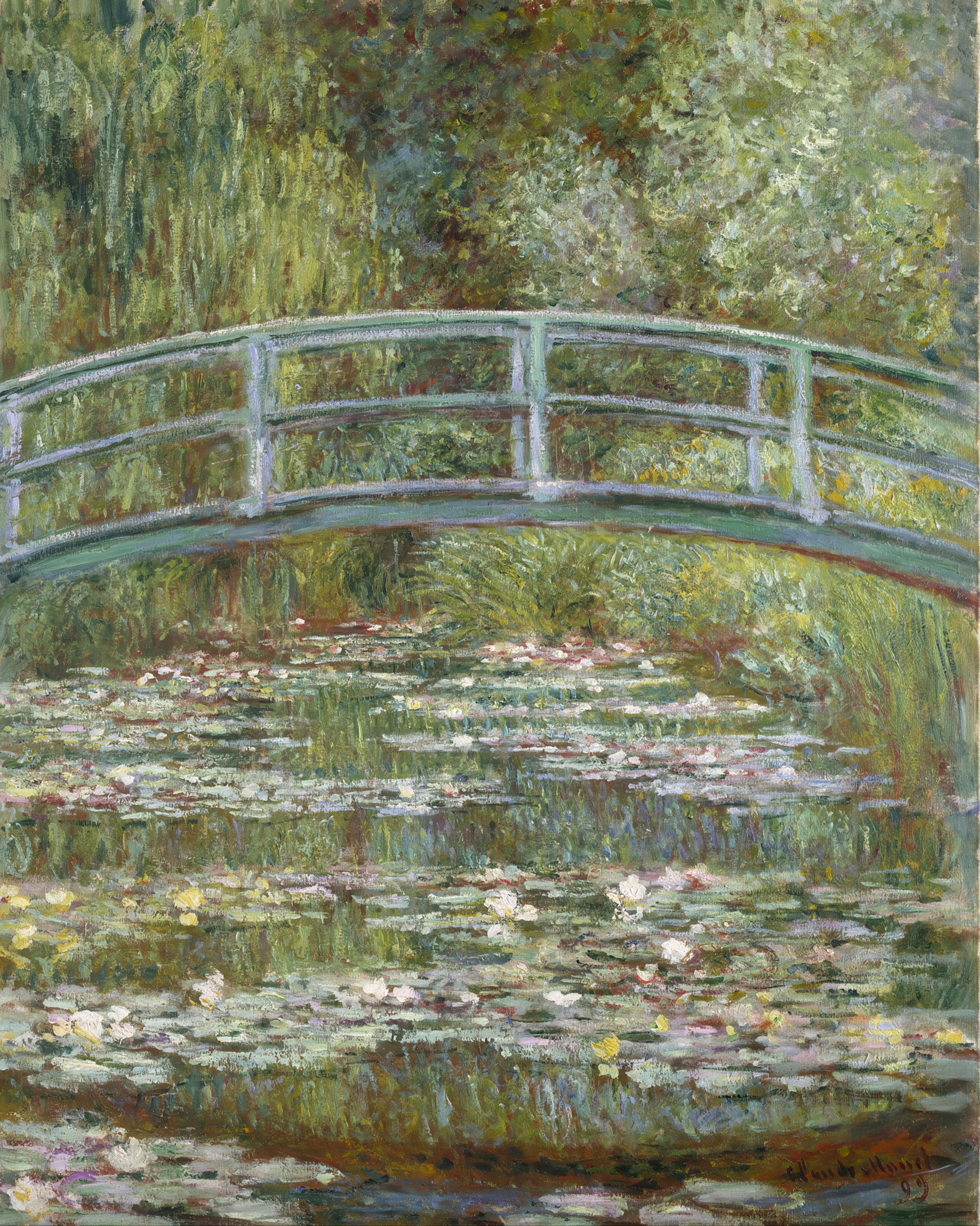
Water Lily Pond
Wildenstein number: W.1628
Date: 1900
Location: Art Institute of Chicago
This painting helps bridge the gap between the early Japanese bridge compositions and the later pond-surface works. The garden setting is still visible, but reflections and floating forms begin to dominate the viewer's experience. Monet is beginning to treat the pond less as scenery and more as a field of changing light.
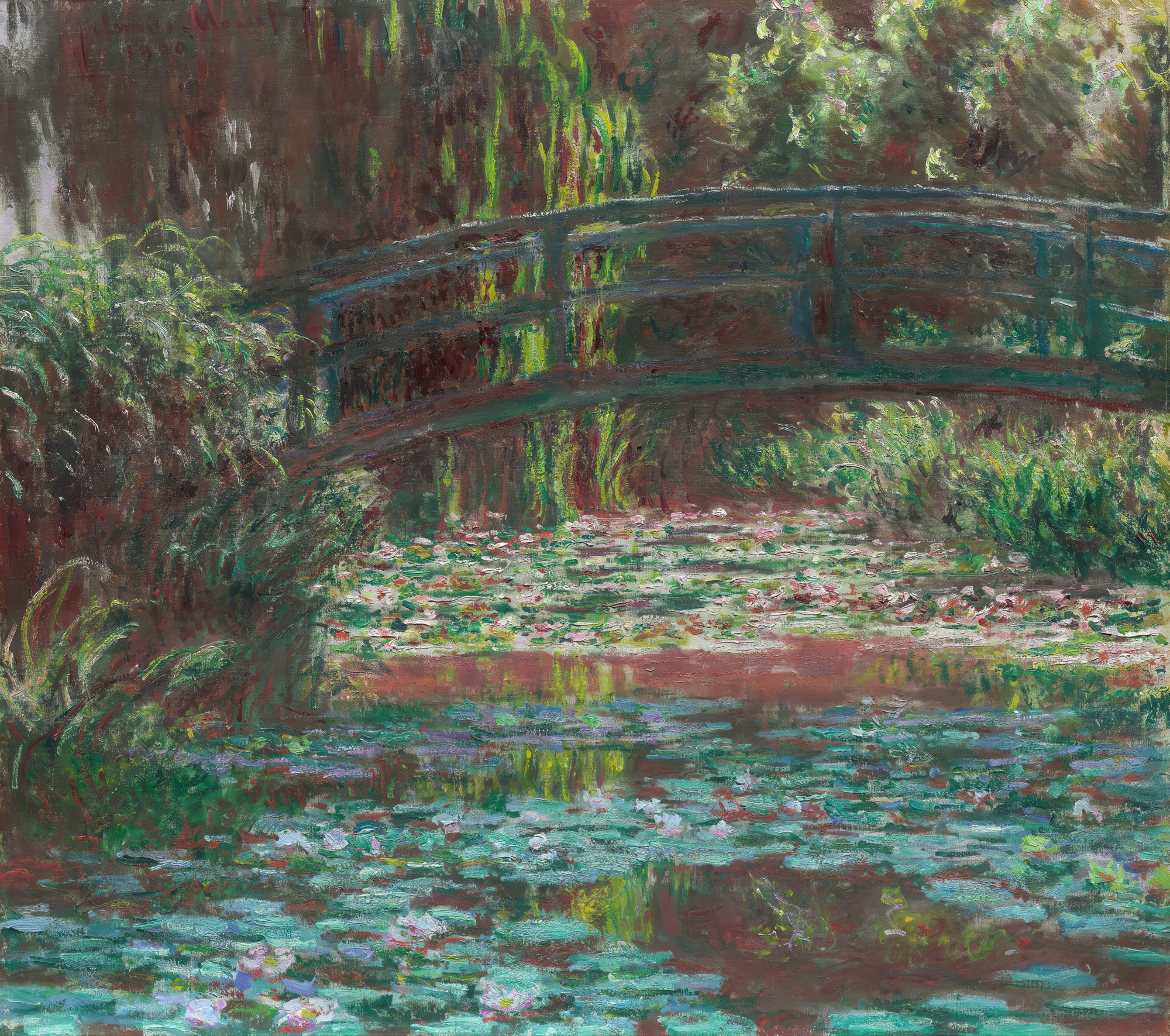
Water Lilies
Wildenstein number: W.1683
Date: 1906
Location: Art Institute of Chicago 7
By 1906, Monet had largely removed the bridge, banks and conventional garden structure. The pond surface itself has become the subject. Lily pads, flowers and reflections float across the canvas, while the viewer is given no firm horizon. This is one of the clearest steps toward the immersive late Water Lilies.
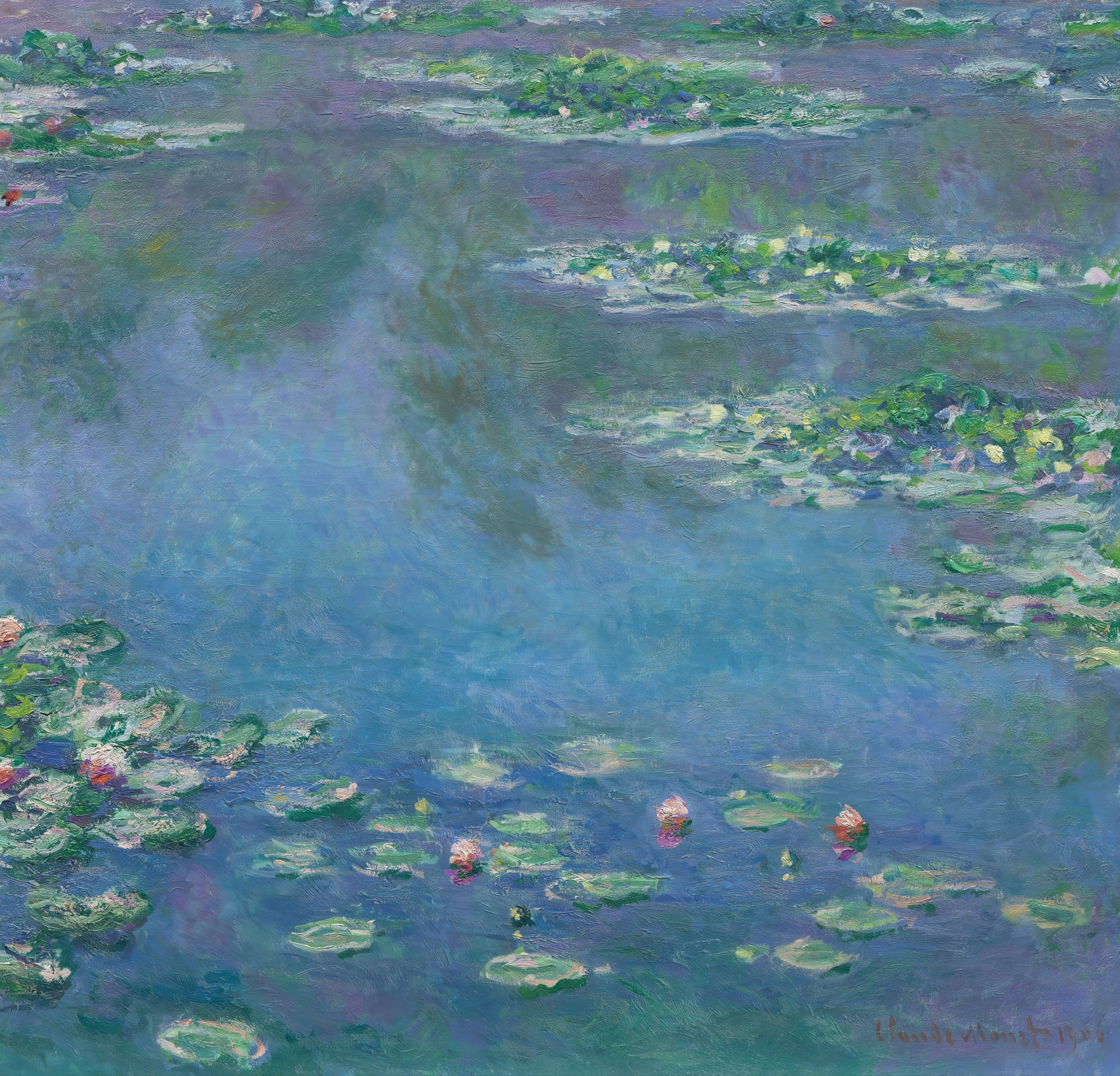
Water Lilies
Wildenstein number: to verify
Date: 1919
Location: Metropolitan Museum of Art, New York
This late Water Lilies painting shows the series entering a more expansive and atmospheric phase. The pond at Giverny is still the source, but Monet now treats it as a floating field of colour, brushwork and reflection. The result feels less like a view of a garden and more like an experience of being surrounded by water and light.
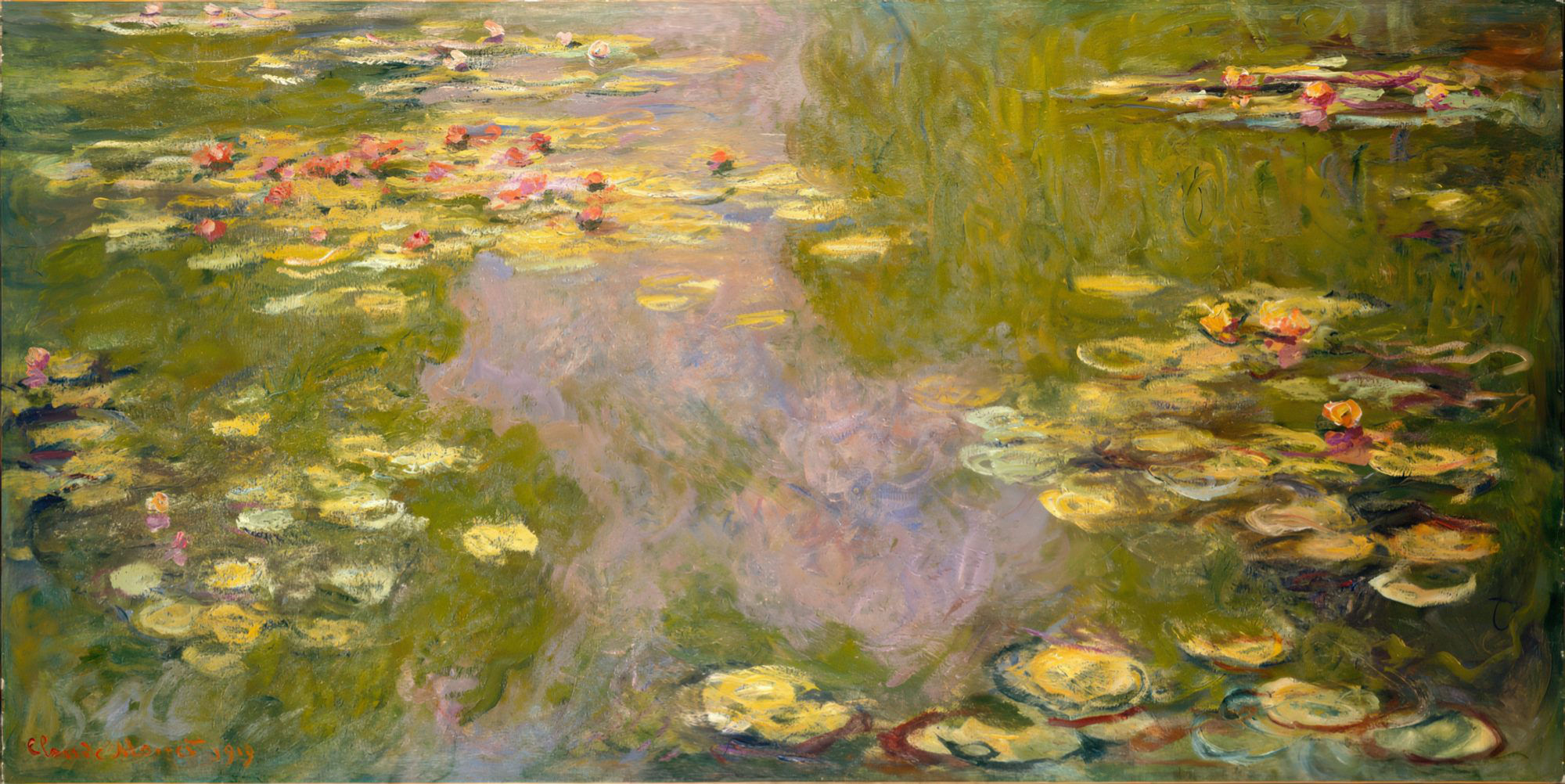
Water Lilies
Wildenstein number: to verify
Date: 1914-1926
Location: Museum of Modern Art, New York 8
MoMA's large three-panel Water Lilies changes the viewer's relationship to the subject. This is no longer a framed garden view but a broad environment of water, flowers and reflected light. It is one of the best examples of Monet's late move toward scale, immersion and near-abstraction.

Water Lilies
Wildenstein number: W.1981
Date: 1914-1926
Location: Museum of Modern Art, New York
This single-panel MoMA painting shows the late series at its most atmospheric. Purple, blue, green and pink tones spread across the surface, while flowers and reflections dissolve into loose brushwork. The subject is still the Giverny pond, but the painting feels close to modern abstraction.
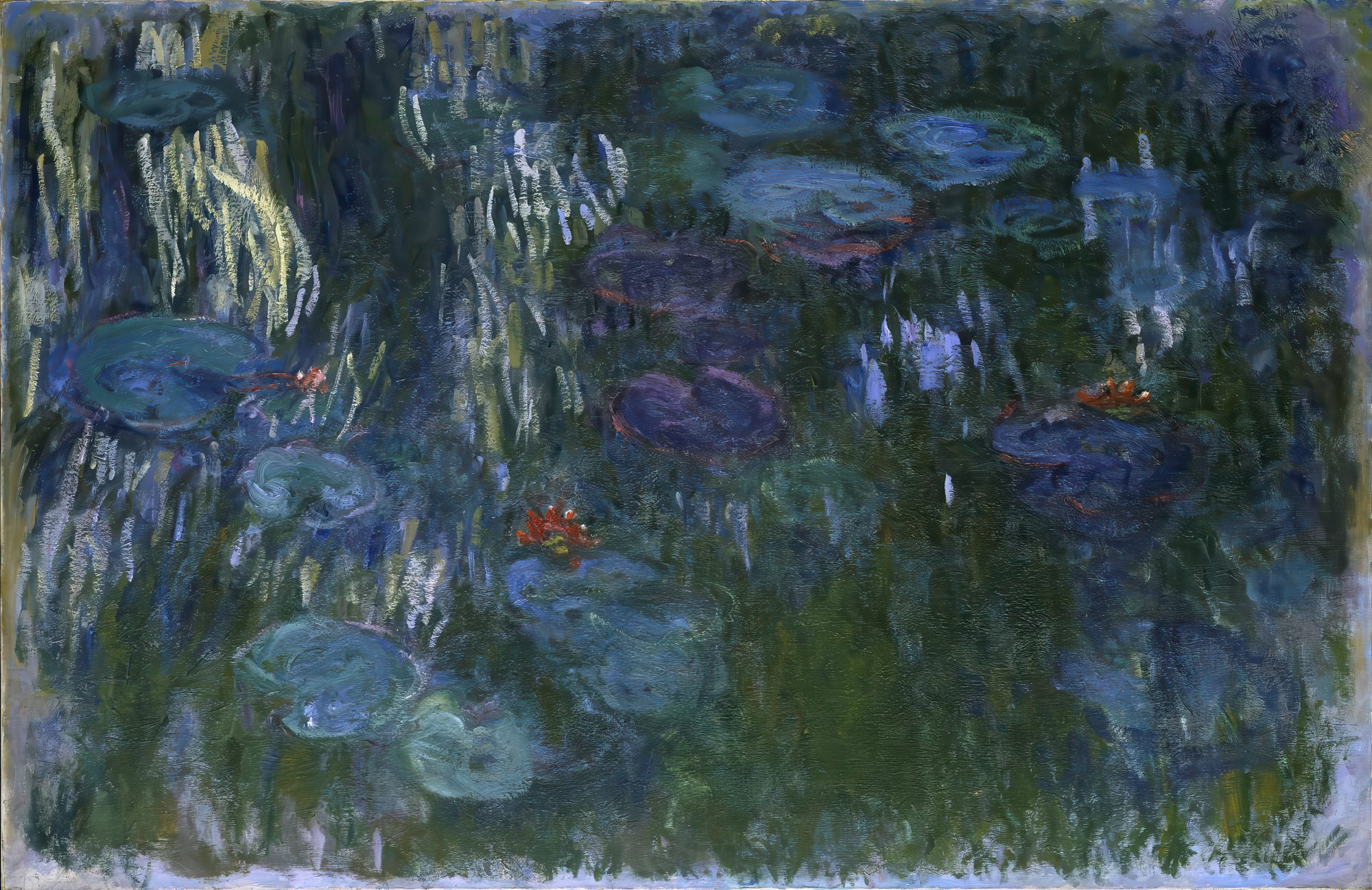
The Water Lilies
Wildenstein number: Orangerie decorative cycle; individual panel numbers to verify
Date: 1914-1926
Location: Musée de l'Orangerie, Paris
The Orangerie cycle is the culmination of Monet's final project. Installed in two oval rooms, the paintings surround the viewer with water, flowers, trees, clouds and reflections. This is the point where the Water Lilies become more than a series of canvases: they become an immersive environment.
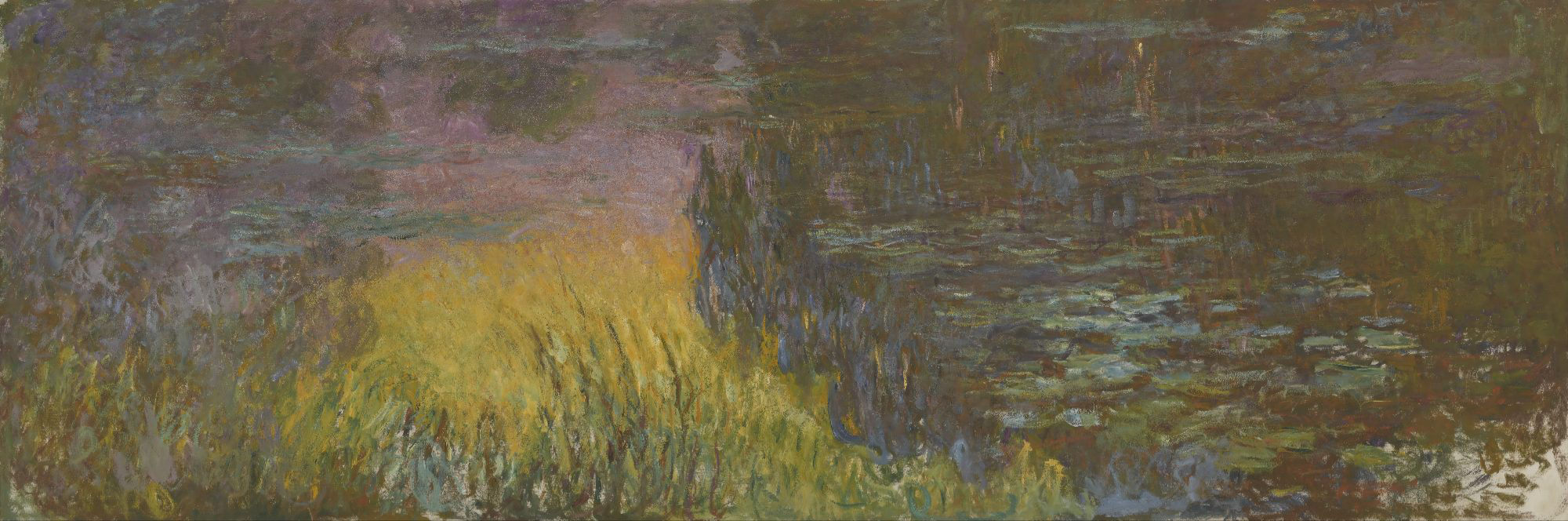
These paintings show the full evolution of the series: from the early Japanese bridge compositions to the late works in which water, reflections and colour fill the whole field of vision.
For a larger table of works, see the Monet Water Lilies catalogue.
The Orangerie Water Lilies
The most famous Water Lilies are the monumental panels at the Musée de l'Orangerie in Paris 1. Monet offered the paintings to the French State after the Armistice of November 1918 1, and they were installed according to his design in 1927, a few months after his death.
The Orangerie installation is unique because it is not simply a display of individual canvases. The paintings curve around the viewer in two oval rooms, creating a continuous environment of water, light, trees, flowers and reflections.
There is no single centre and no one correct viewing angle. The paintings do not behave like windows onto a distant view. They surround the viewer, echoing the experience of standing beside the pond at Giverny and allowing the eye to drift across water and reflected sky.
The Orangerie cycle has often been described as the “Sistine Chapel of Impressionism”, a phrase associated with André Masson 6. The comparison is powerful because it recognises that Monet's late project was not only a series of paintings, but a total decorative space.
| Panel | French title | Room |
|---|---|---|
| Sunset | Soleil couchant | First room |
| The Clouds | Les Nuages | First room |
| Green Reflections | Reflets verts | First room |
| Morning | Matin | First room |
| Tree Reflections | Reflets d'arbres | Second room |
| Morning with Willows | Matin aux saules | Second room |
| The Two Willows | Les Deux Saules | Second room |
| Clear Morning with Willows | Matin clair aux saules | Second room |
For a dedicated guide, see Monet's Orangerie Water Lilies.
Technique, Colour and Reflections
Monet's technique in the Water Lilies series varies from delicate broken touches to broad, almost abstract strokes. In the earlier works, the bridge, plants, banks and flowers are easier to separate. In the late paintings, forms become looser and more atmospheric.
The key technical problem was reflection. Monet was not only painting lilies, but also the sky, clouds, trees and light mirrored in the pond 5. This meant that the surface of the water could become both a flat plane and a deep space at the same time.
A lily pad rests on the surface, but a reflected cloud seems to open a vast depth beneath it. A tree may not be visible directly, but its reflection stretches through the water. Monet used this ambiguity throughout the series.
Colours in the Water Lilies
The Water Lilies are one of Monet's greatest explorations of colour. Early works often use fresh greens, pinks and soft blues to evoke the garden setting, while later paintings become more intense, with violet, red, orange, deep blue and green.
| Colour | Typical role | Visual effect |
|---|---|---|
| Green | Lily pads, trees, banks and reflections | Creates unity between plant life and water. |
| Blue | Sky reflected in the pond | Makes the water feel open and atmospheric. |
| Pink | Flowers and soft reflected light | Adds delicacy and warmth. |
| Purple | Shadow, evening light and late colour harmonies | Creates depth and emotional intensity. |
| Orange / red | Late reflections and stronger colour contrasts | Gives some late works a dramatic force. |
For a deeper guide, see Colours in Monet's Water Lilies.
Monet's Cataracts and Late Style
Monet suffered from cataracts during his later years, and this has often been discussed in relation to the colour and handling of his late works. It would be too simple, however, to explain the late Water Lilies only as the result of impaired vision.
The cataracts mattered, but the paintings also reflect deliberate artistic evolution. Monet had spent decades studying changing light through repeated motifs such as Haystacks, Rouen Cathedral, Poplars and the London Thames series.
The late Water Lilies extend that lifelong project. Forms loosen, colours intensify and the paintings become less about description than experience. Rather than weakening his art, Monet's late period shows him adapting his methods and pushing his work into new territory.
Water Lilies and Abstract Art
Monet never became an abstract painter in the strict sense. His Water Lilies still come from a real place: the pond at Giverny. Yet the later paintings had an enormous influence on artists interested in scale, surface, colour and immersion.
When the horizon disappears, the painting no longer behaves like a traditional window onto the world. Instead, it becomes an all-over field of marks and sensations. This is why the Water Lilies are often discussed as a precursor to Abstract Expressionism and later colour-field painting.
The importance of the series lies in this tension. Monet remained loyal to nature, but he painted nature in a way that helped future artists imagine painting without conventional subject matter.
For a fuller discussion, see Monet's Water Lilies and Abstract Art.
Where to See Monet's Water Lilies Today
The greatest destination for Monet's Water Lilies is the Musée de l'Orangerie in Paris 1, where the monumental panels are displayed in two oval rooms. Other important examples can be seen in the National Gallery in London, MoMA in New York, the Art Institute of Chicago, the Metropolitan Museum of Art, the Musée Marmottan Monet and other major collections.
| Museum | City | What to see |
|---|---|---|
| Musée de l'Orangerie | Paris | The monumental Water Lilies panels in two oval rooms. |
| National Gallery | London | The Water-Lily Pond, 1899, and a late Water-Lilies. |
| Museum of Modern Art | New York | Large late Water Lilies panels. |
| Art Institute of Chicago | Chicago | Water Lily Pond, 1900, and Water Lilies, 1906. |
| Metropolitan Museum of Art | New York | Bridge over a Pond of Water Lilies and related works. |
| Musée Marmottan Monet | Paris | Major Monet collection, including late Giverny works. |
Quotes about Monet's Water Lilies
"I often painted these water lilies, each time changing my viewpoint..."
This statement captures the central logic of the series. Monet was not trying to produce a single definitive image of the pond. He was studying how the same motif changed according to light, season, weather and viewpoint.
"Sistine Chapel of Impressionism."
Masson's phrase remains one of the most famous descriptions of the Orangerie cycle. It presents the paintings as a complete environment rather than a group of separate pictures.
Explore the Water Lilies Cluster
- Catalogue of Monet's Water Lilies
- Timeline of the Water Lilies
- The Orangerie Water Lilies
- Close-up Details in the Water Lilies
- Colours in Monet's Water Lilies
- Water Lilies and Abstract Art
- Monet's Garden at Giverny
- Water Lilies Auction Prices
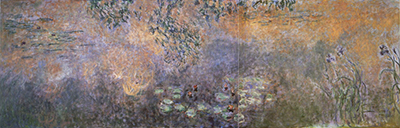
Individual Paintings from the Water Lilies Series in Focus
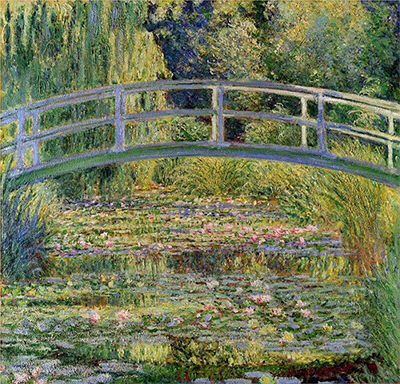
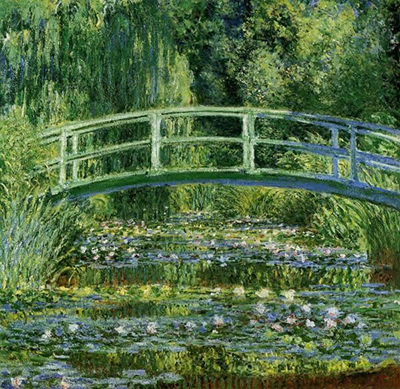
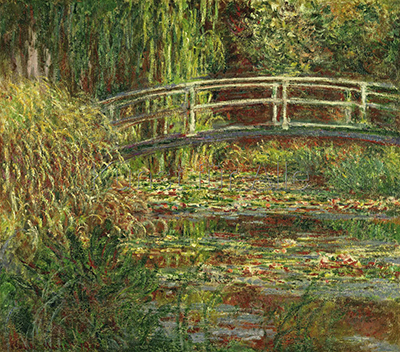
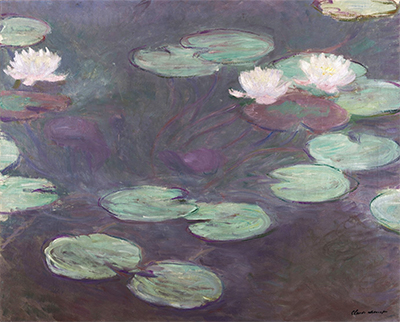
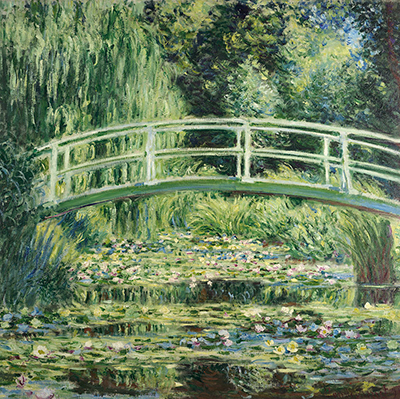

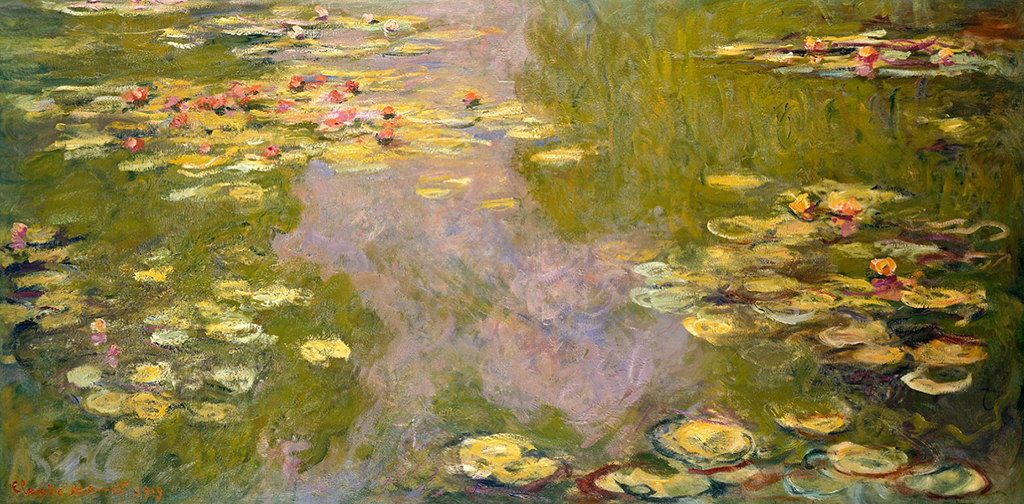
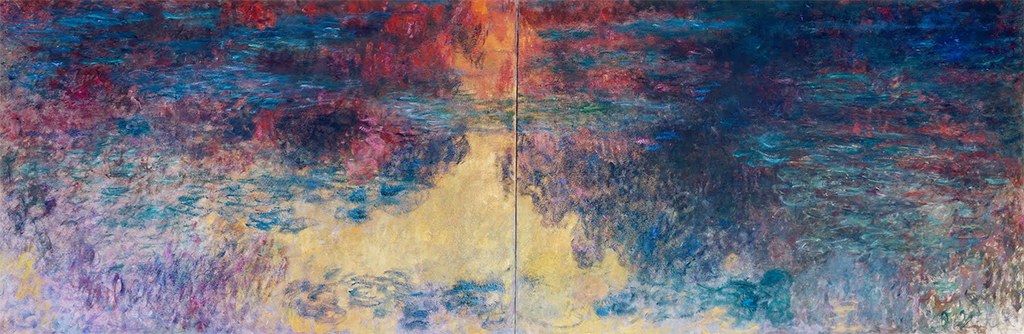

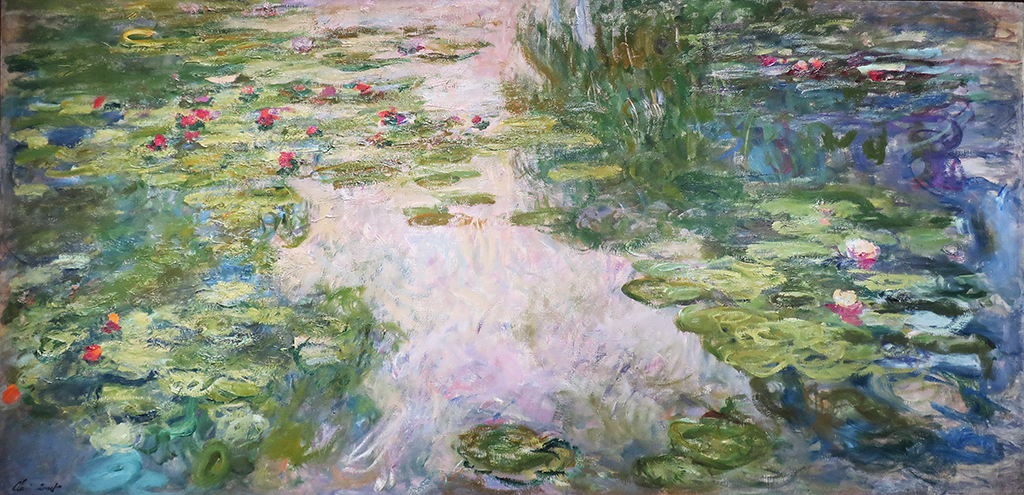
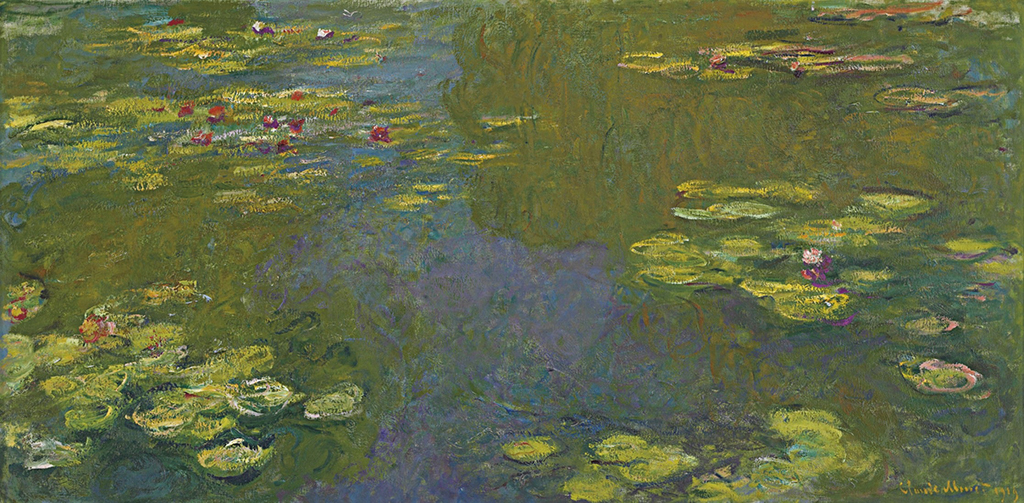
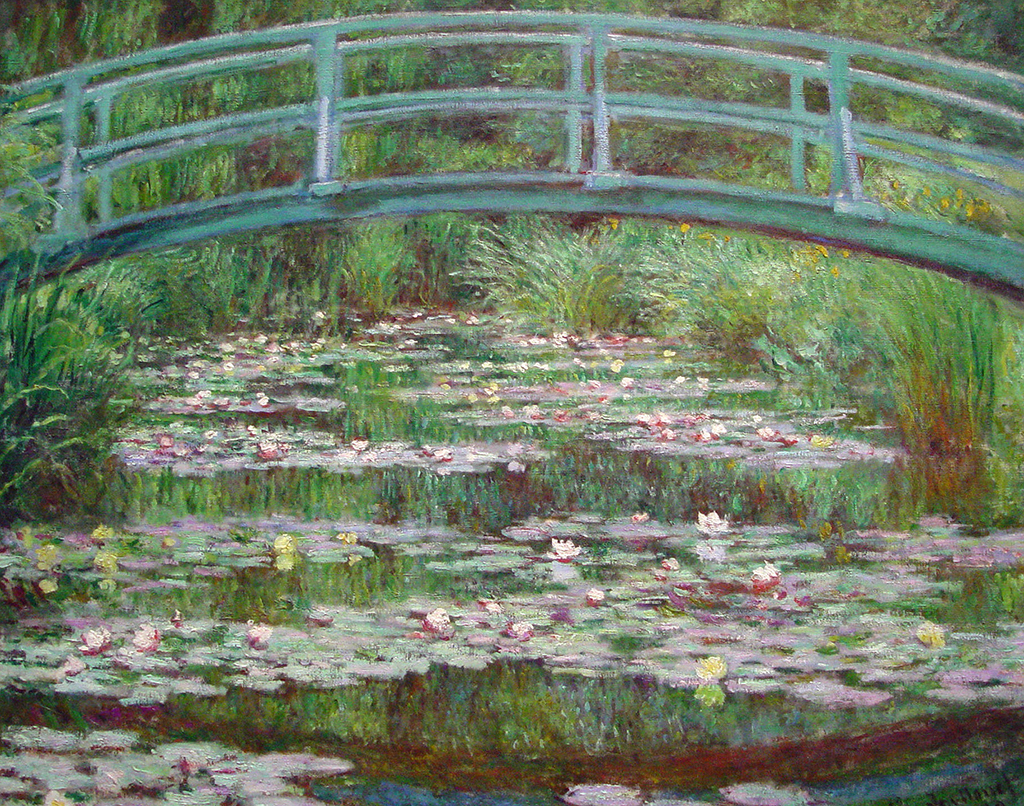
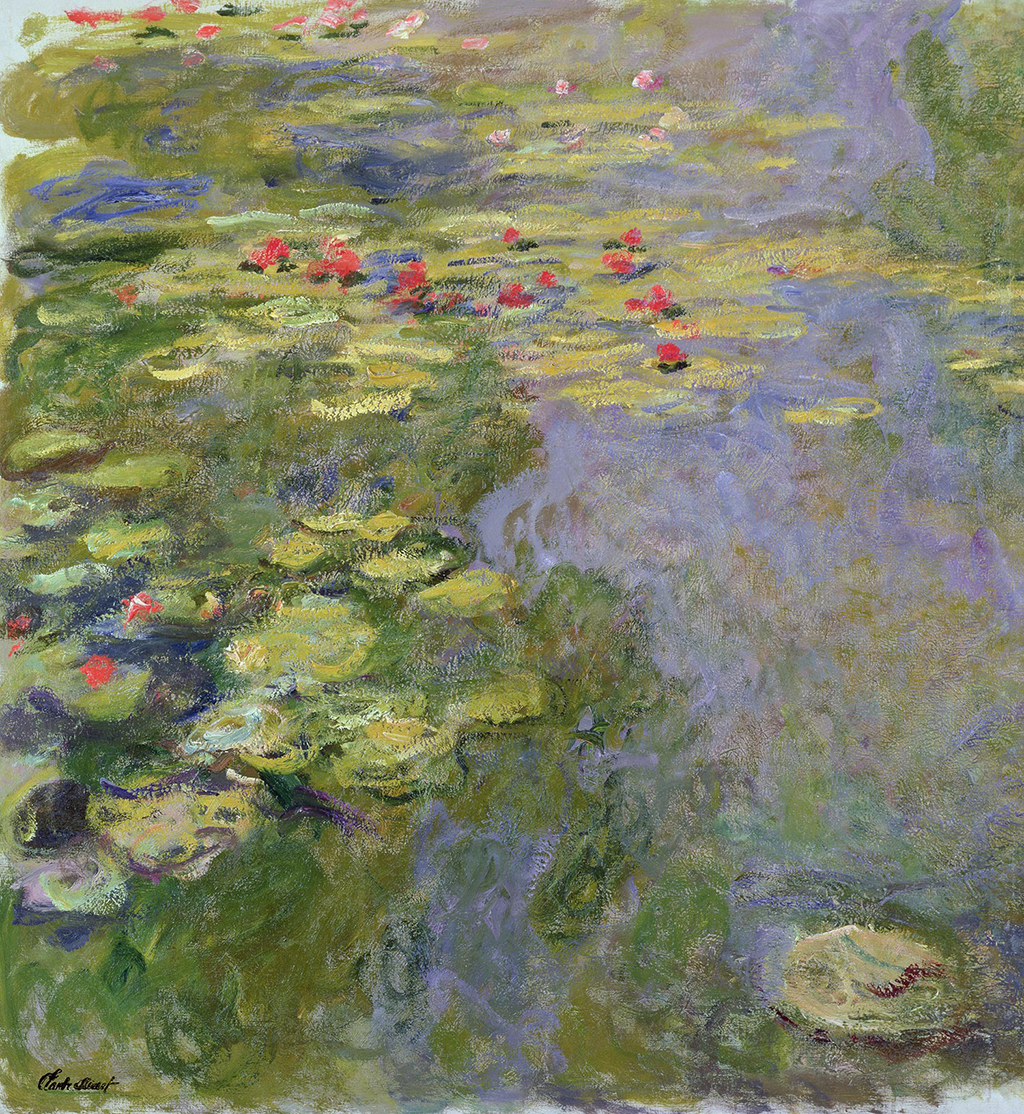
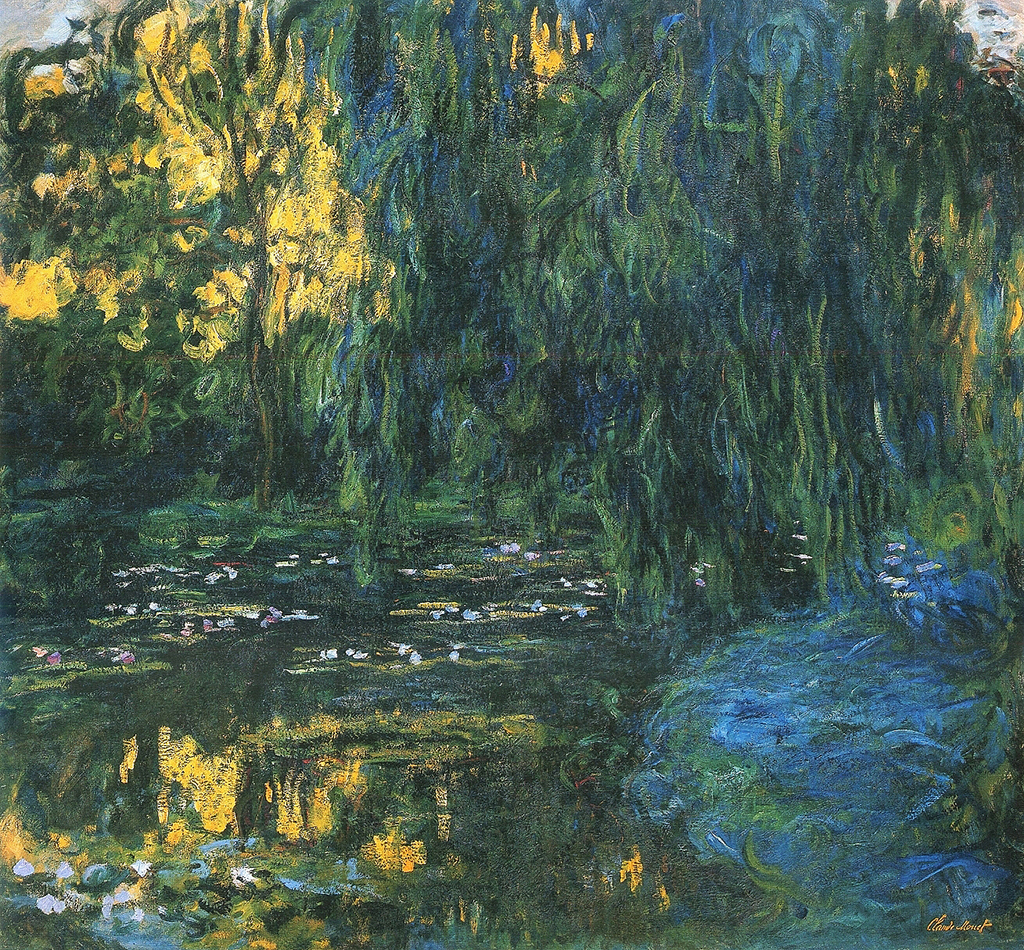
Water-Lily Pond and Weeping Willow
 Claude Monet.jpg)
Water Lilies and Reflections of a Willow (1916–1919)
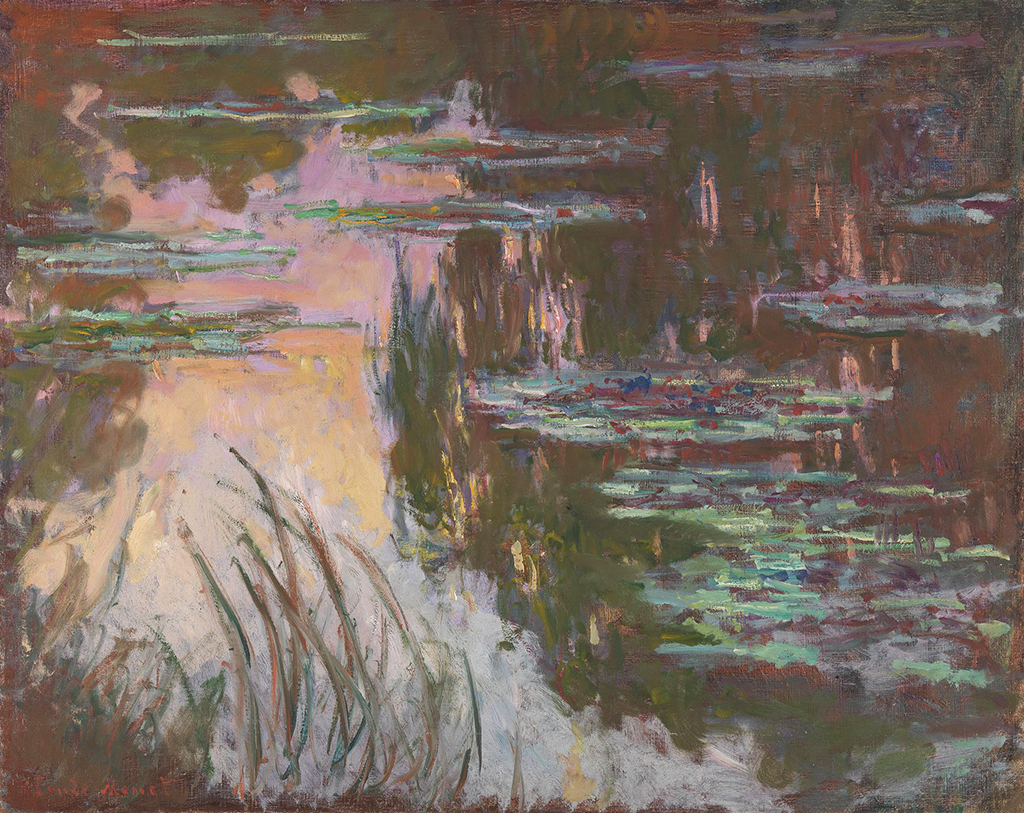
Water-Lilies, Setting Sun
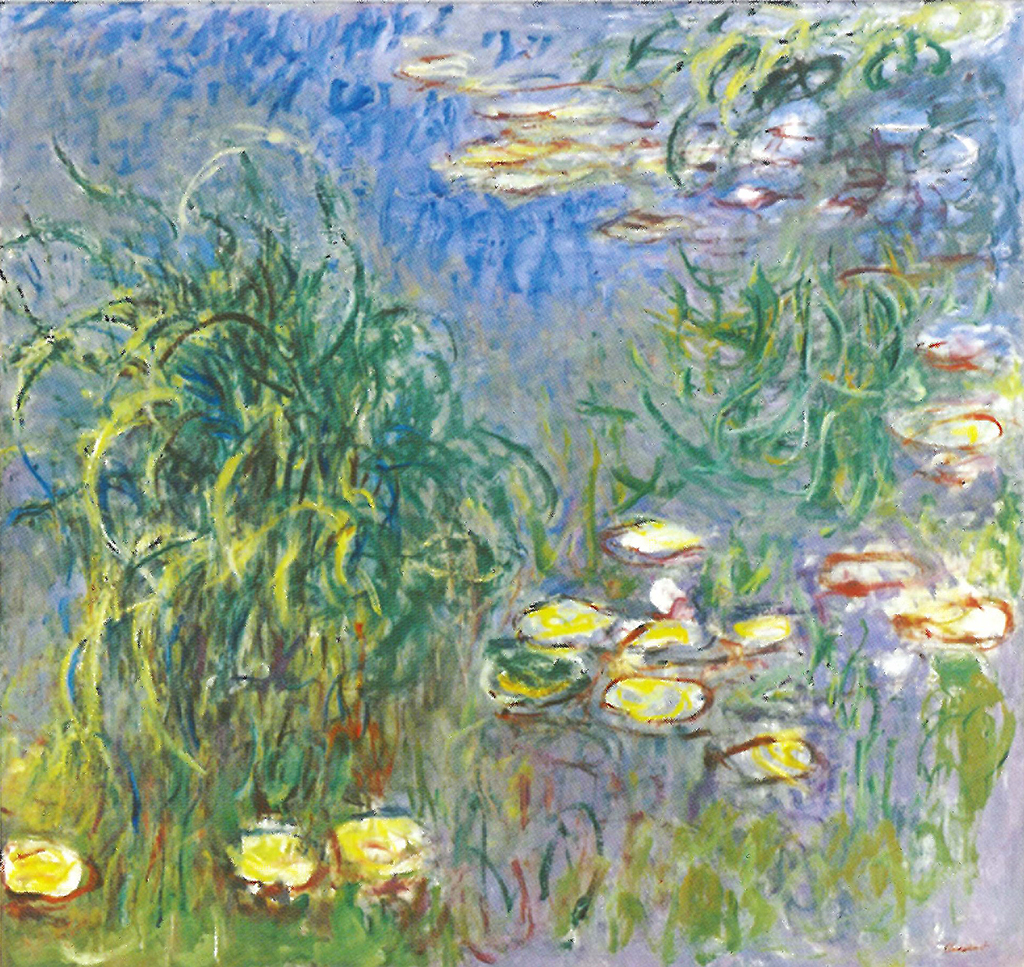
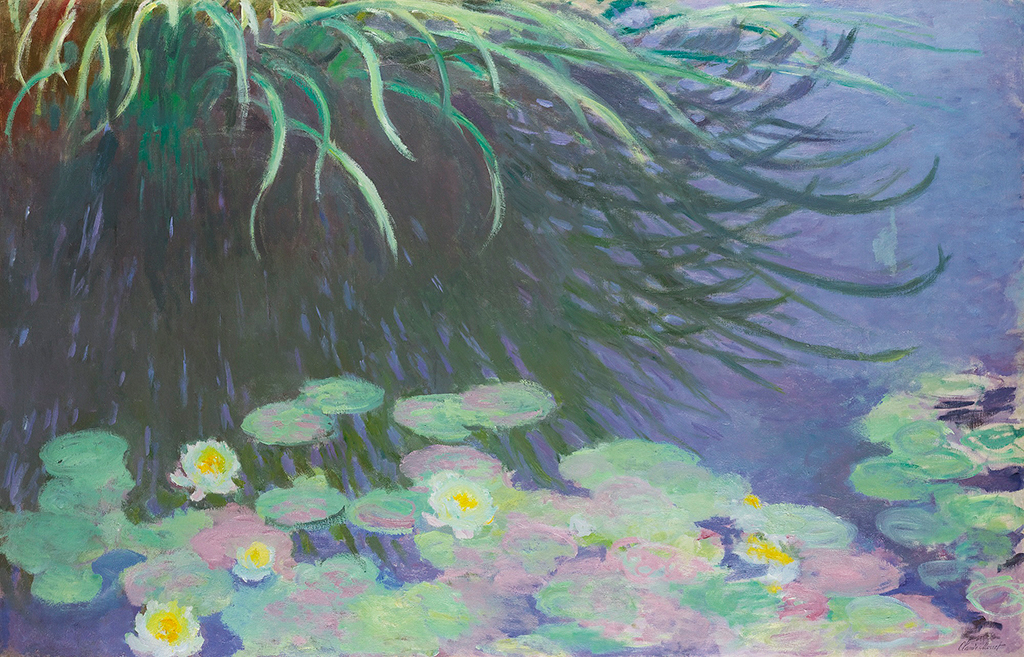
Water-Lilies, Cluster of Grass
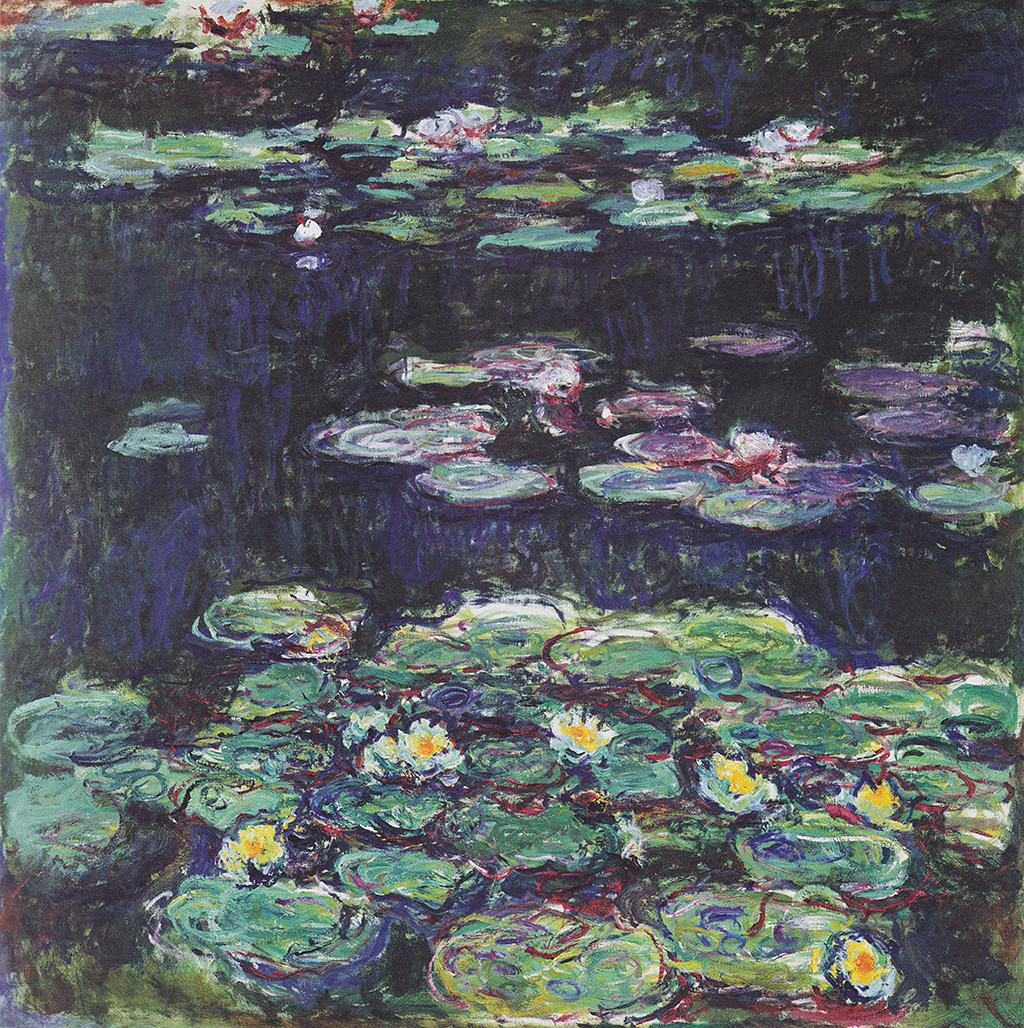
White and Yellow Water Lilies
 Claude Monet.jpg)
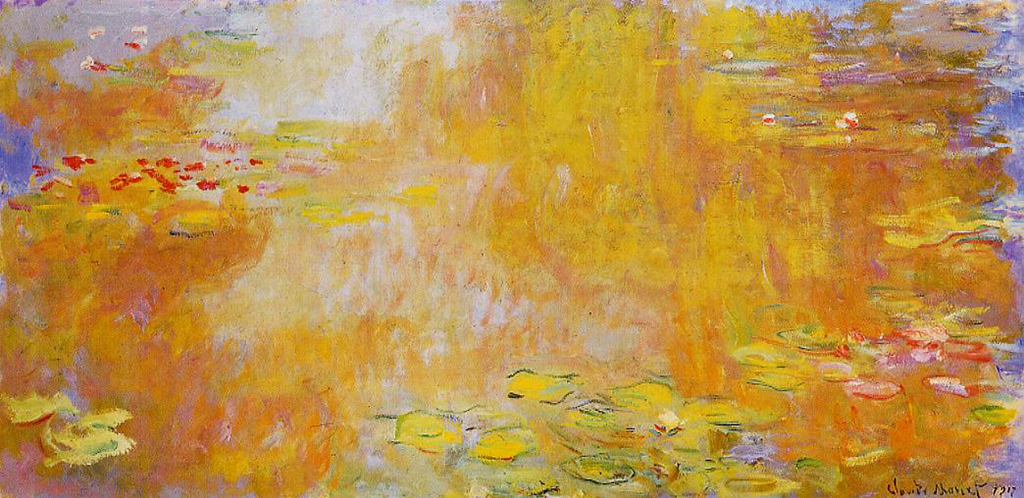
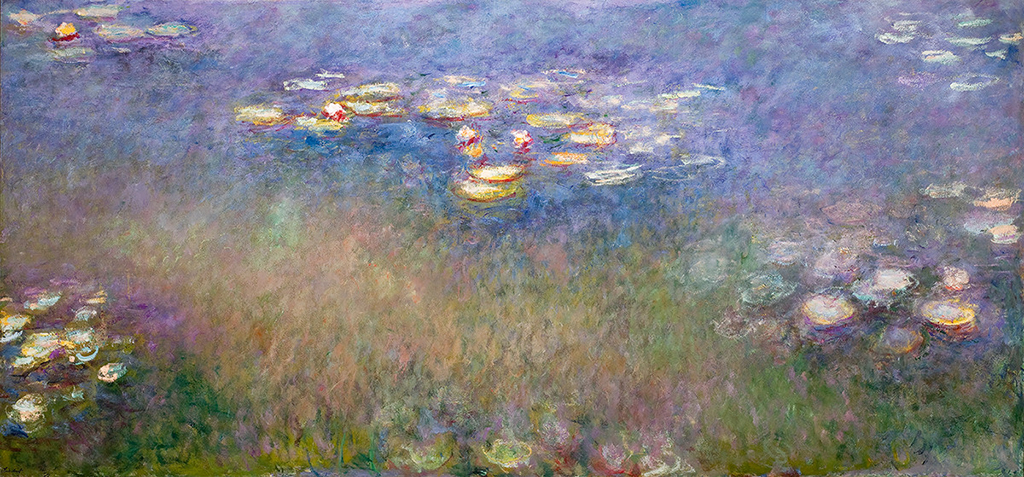
FAQs about Monet's Water Lilies
References
- Musée de l'Orangerie, “History of the Water Lilies Cycle,” Musée de l'Orangerie, View source.
- Fondation Claude Monet, “Timeline,” Maison et jardins de Claude Monet, View source.
- National Gallery, London, “Claude Monet, The Water-Lily Pond,” The National Gallery, View source.
- Museum of Modern Art, “Claude Monet's Water Lilies,” MoMA Gallery 515, View source.
- Art Institute of Chicago, “The Real Water Lilies of Giverny,” Art Institute of Chicago, View source.
- Musée de l'Orangerie, “The Water Lilies by Claude Monet,” Musée de l'Orangerie, View source.
- Art Institute of Chicago, “Claude Monet, Water Lilies,” Art Institute of Chicago, View source.
- Museum of Modern Art, “Claude Monet, Water Lilies, 1914-26,” MoMA Collection, Three-panel work; single-panel work.
- Fondation Claude Monet, “Quotes,” Maison et jardins de Claude Monet, View source.