


 by Tom Gurney
Tom Gurney BSc (Hons) is an art history expert with over 20 years experience
Published on June 19, 2020June 19, 2020 / Updated on July 6, 2026
Email: tomgurney1@gmail.com / Phone: +44 7429 011000
Introduction
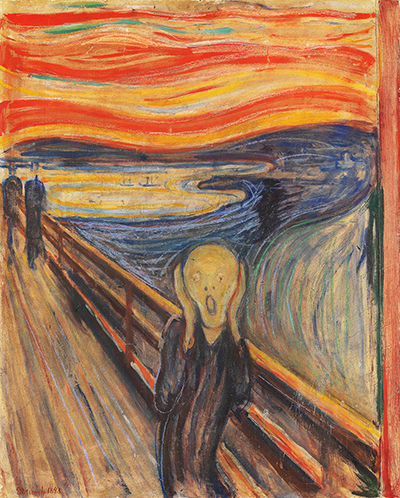
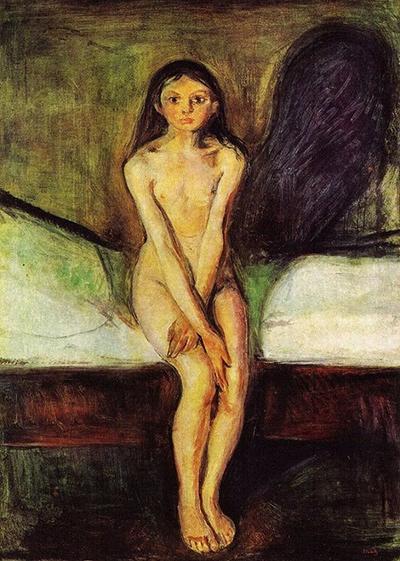
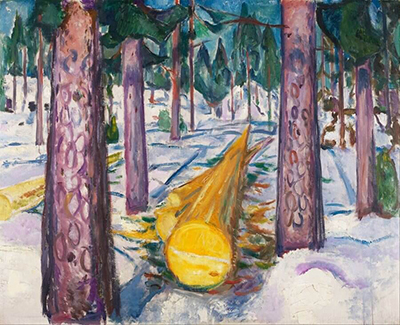
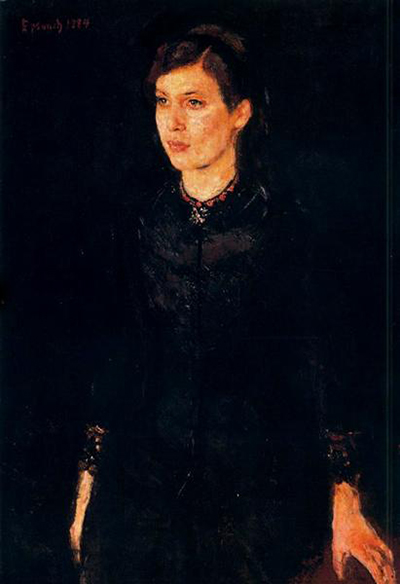
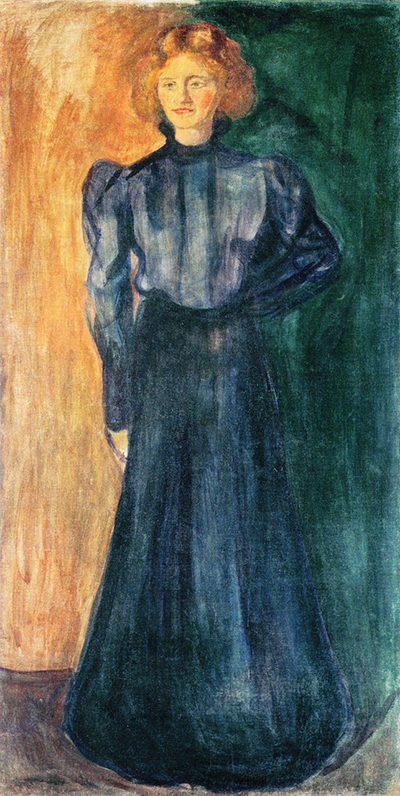
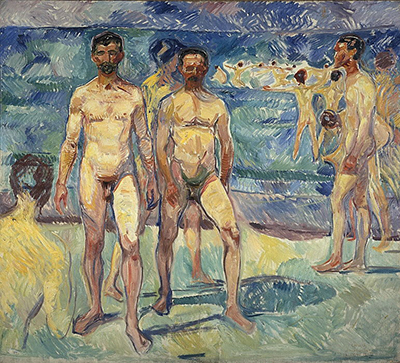
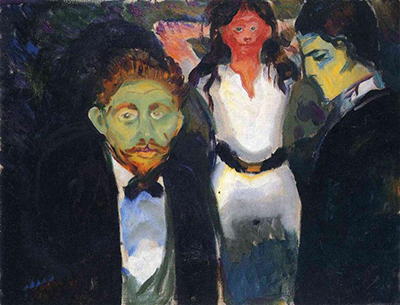
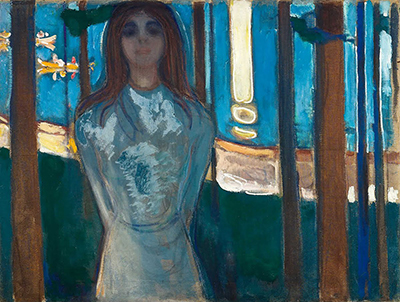
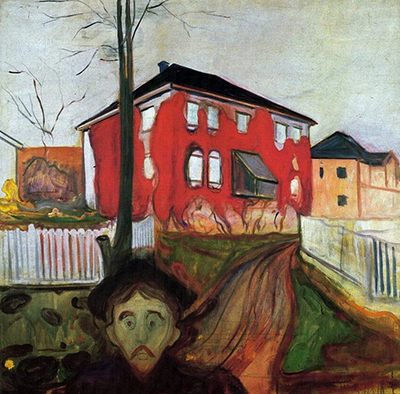
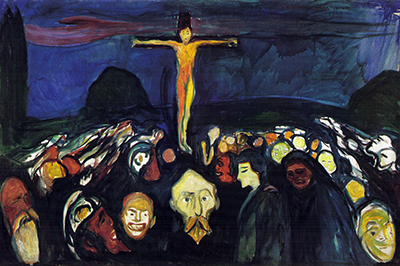
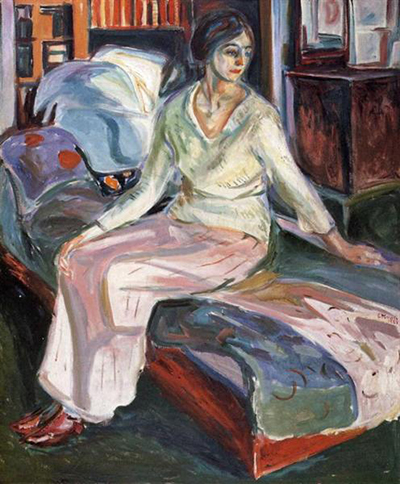
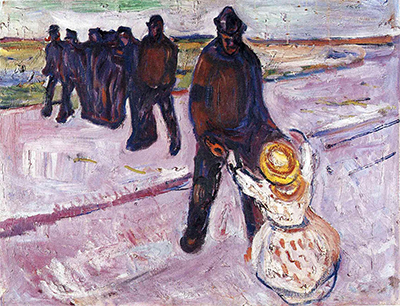
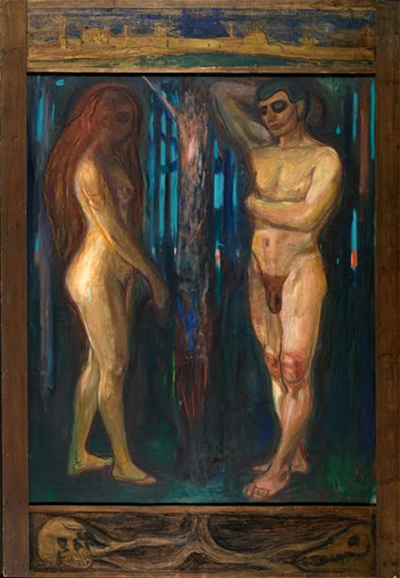
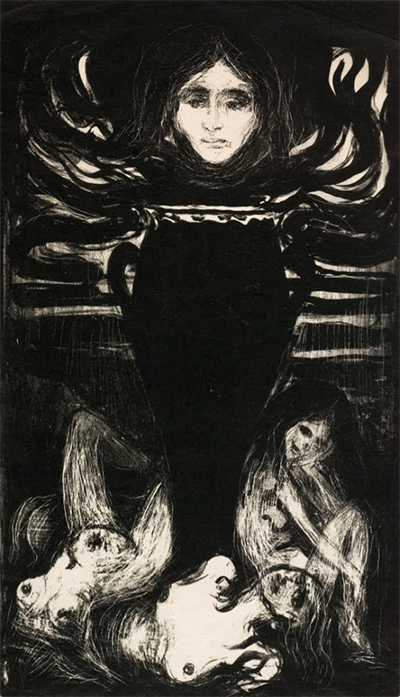
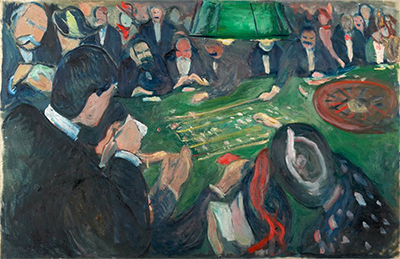
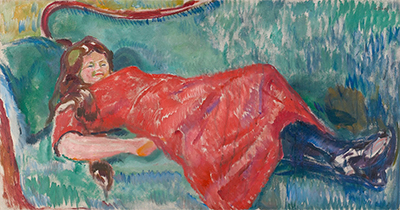
Edvard Munch's paintings are best understood as a network of recurring themes rather than a simple list of famous images. The Scream is the best-known work, but it is only one part of a much larger practice built around anxiety, love, illness, death, self-portraiture, landscape, modern city life and repetition. [1] [5]
This page is the final hub for the rebuilt Munch painting cluster. It points readers toward the strongest pages and shows how the paintings connect to one another. [6]
At a Glance
- Artist: Edvard Munch
- Main themes: Anxiety, love, illness, death, landscape, self-portraiture and modern life
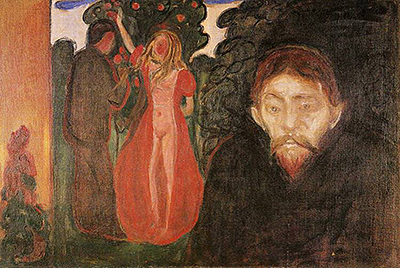
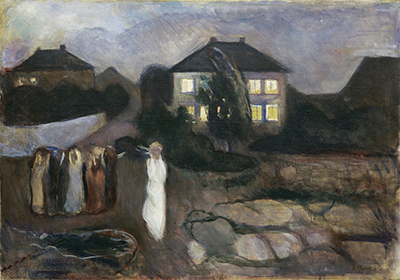
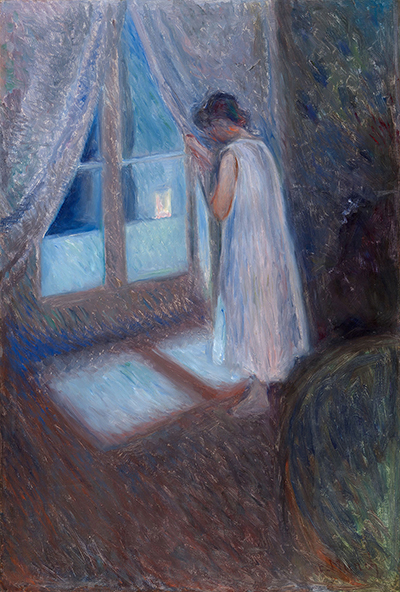
- Key works: The Scream, The Sick Child, Despair, Anxiety, Separation, The Kiss, Vampire, Madonna, Dance of Life, Melancholy
- Best route: Start with The Scream, then follow the thematic sections below
Why Munch's Paintings Matter
MUNCH presents Munch as a modern artist whose career lasted more than sixty years and moved across painting, printmaking, drawing, photography and film. Painting remained central because it allowed him to turn visible form into emotional structure. [1]
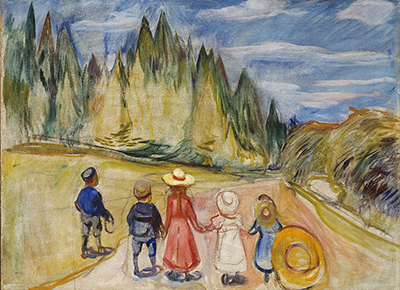
Munch did not simply paint moods. He built motifs that could be repeated and varied. A bridge, a bed, a shoreline, a crowd, a room, a woman's hair, a red sky or a reflected moon could become part of a larger language of feeling. [2] [3]
Video Guide
This selected video from MUNCH offers useful visual context before the detailed analysis continues.
Anxiety and Modern Life
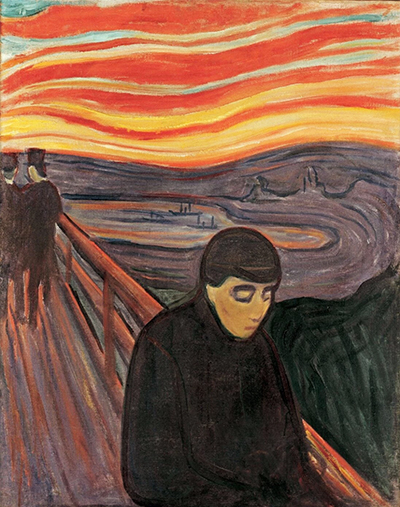
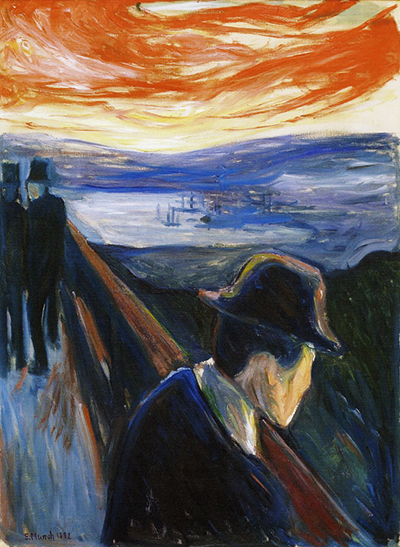
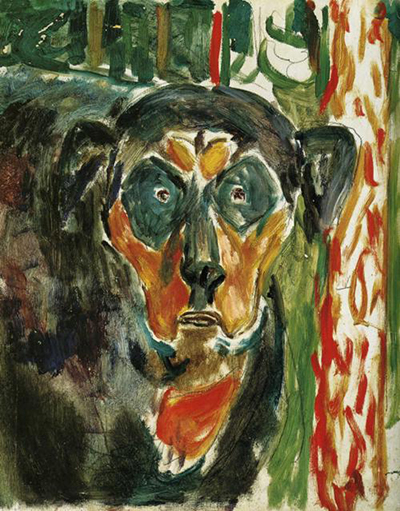
Begin with The Scream, then read Despair and Sick Mood at Sunset: Despair. These paintings show the red-sky route before and around the famous Scream figure. [5]
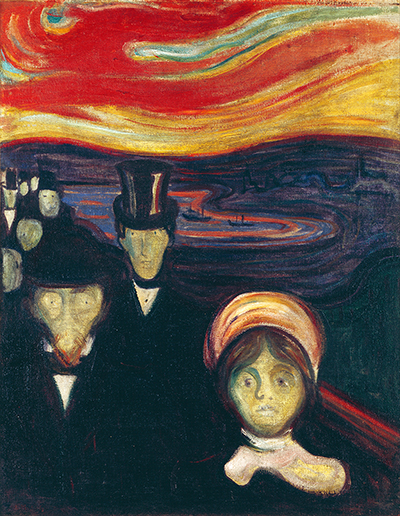
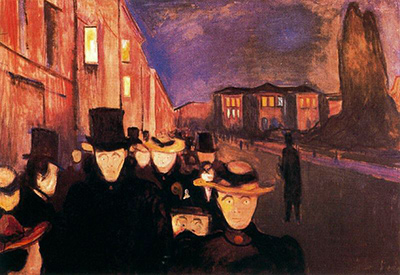
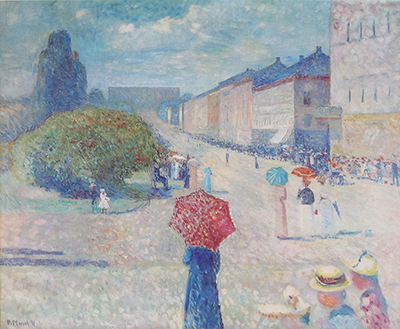
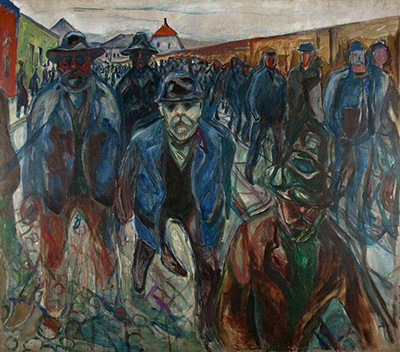
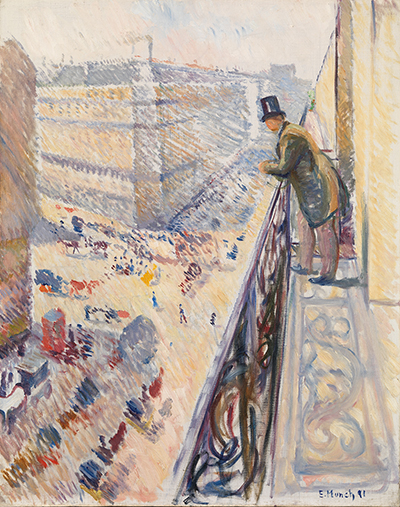
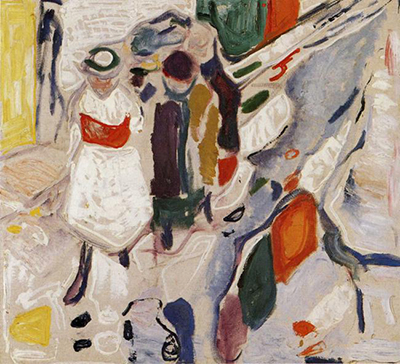
Anxiety extends the problem from one figure to a crowd. Evening on Karl Johan Street shows how Munch developed the modern urban crowd that later feeds into Anxiety. [4]
Love, Desire and Separation
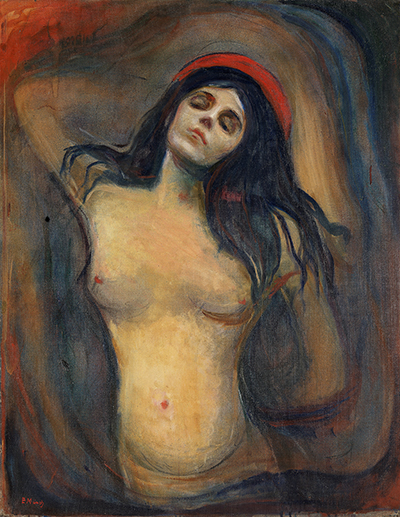
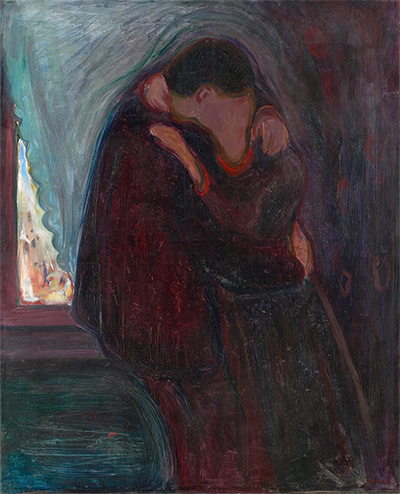
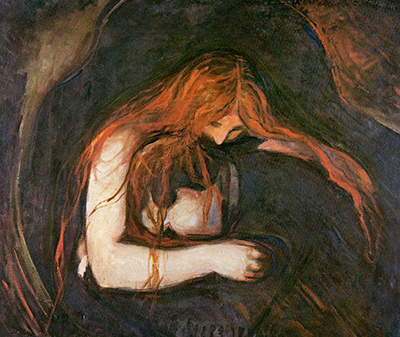
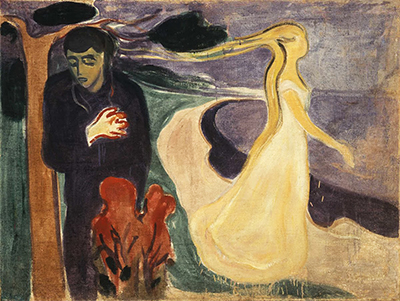
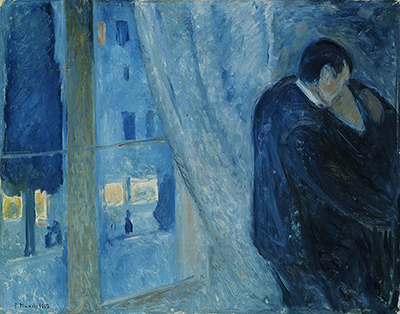
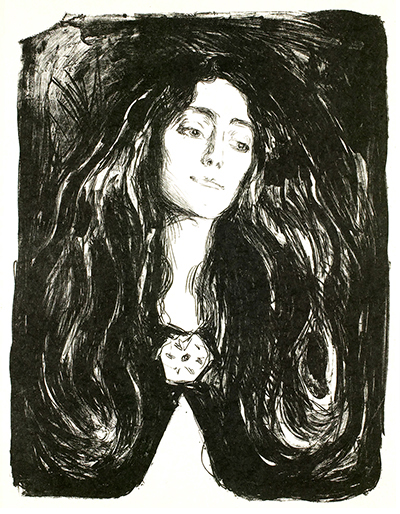
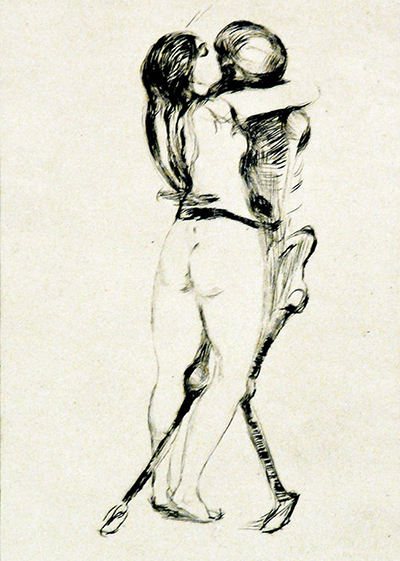
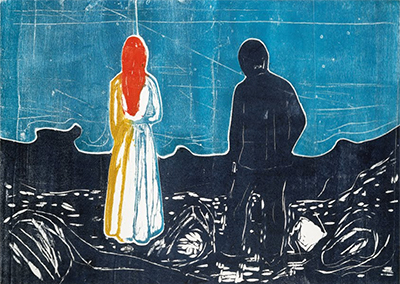
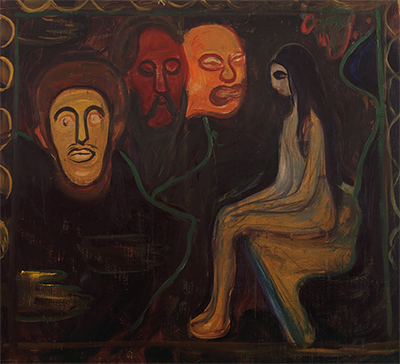
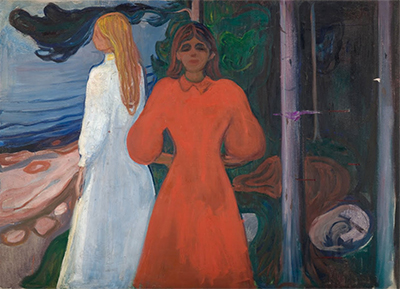
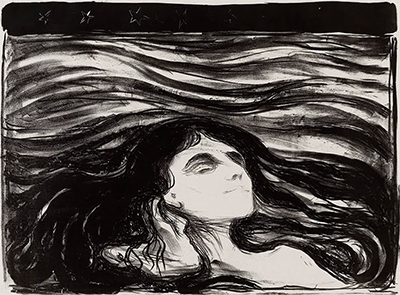
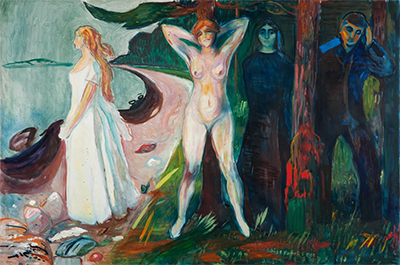
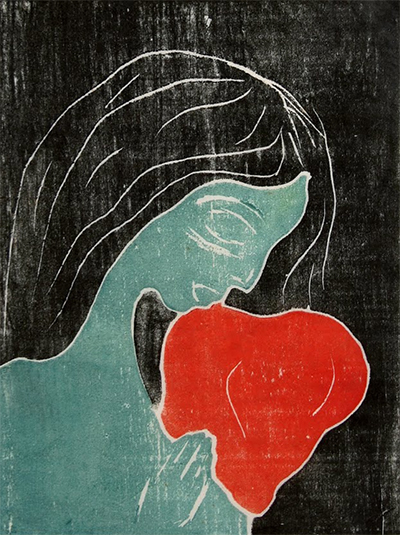
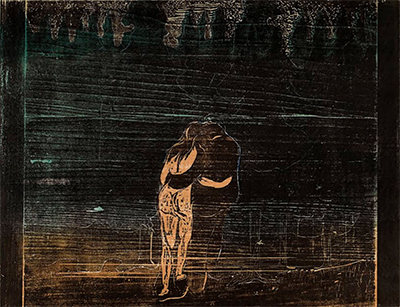
Munch's love paintings are rarely simple romances. The Kiss turns union into bodily fusion. Separation turns love into distance and pain. Vampire makes embrace ambiguous, while Madonna brings sexuality, birth and death into one image. [4]
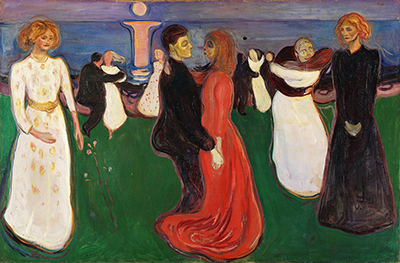
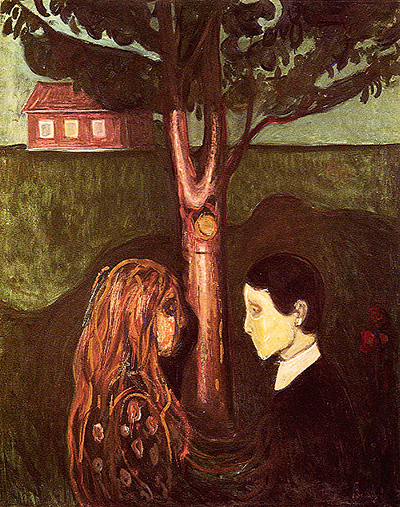
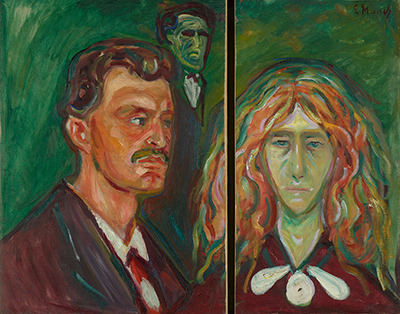
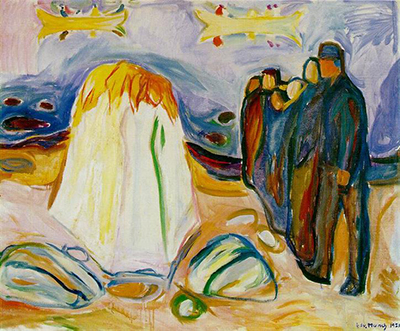
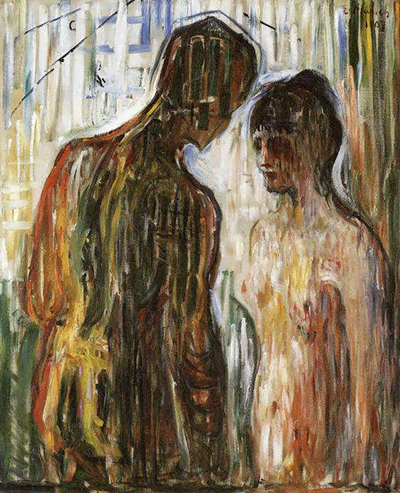
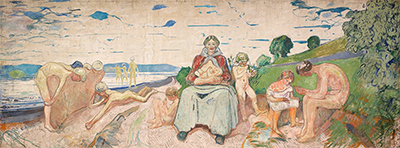
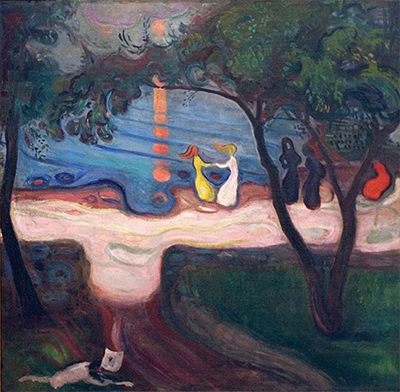
Dance of Life is the best broad summary of this route because it places love inside a rhythm of youth, desire, ageing and mortality. Eye in Eye is a quieter encounter image that belongs near the beginning of the route. [4]
Illness, Death and Memory
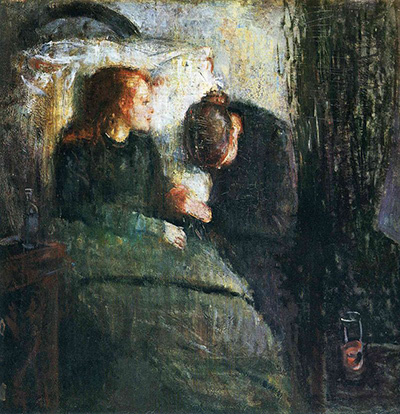
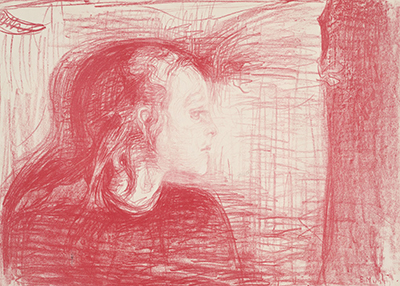
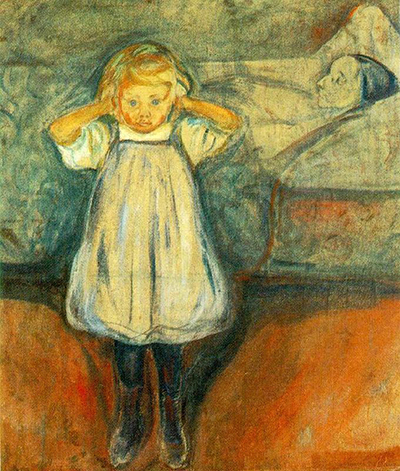
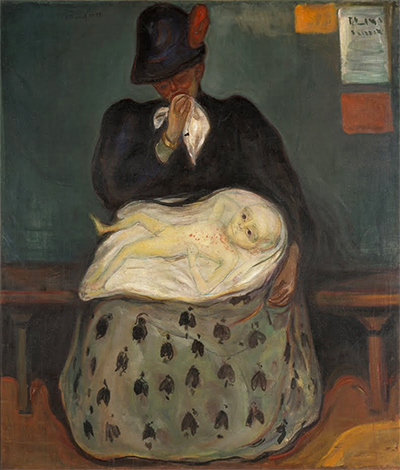
The Sick Child is one of the foundations of Munch's art. It turns illness, memory and painted surface into a single emotional field. [5]
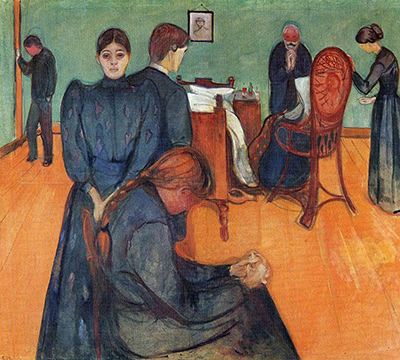
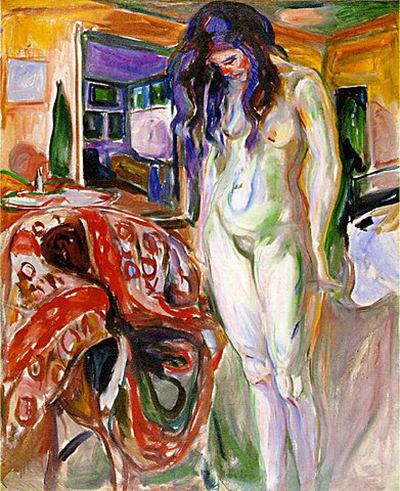
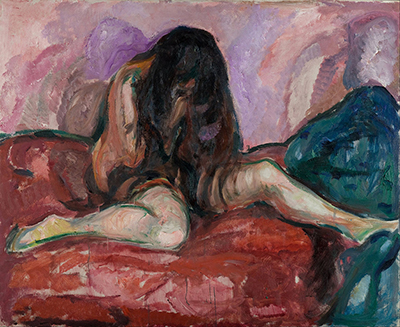
Death in the Sickroom expands the theme from one sick child to a family group. Weeping Nude belongs nearby because it shows a vulnerable body and hidden face without explaining the cause of distress. [3]
Landscape, Place and Mood
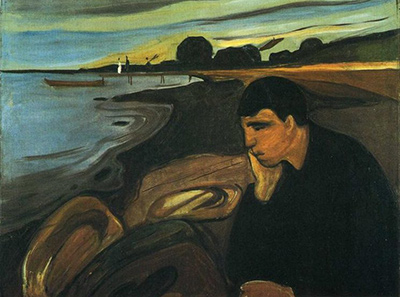
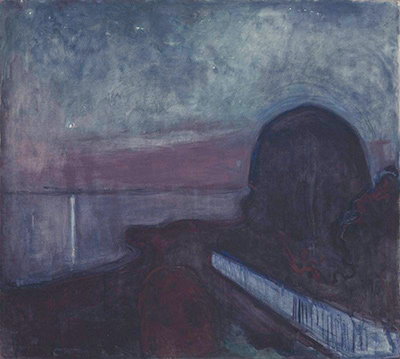
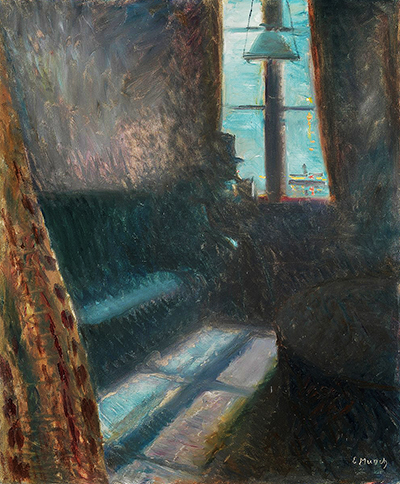
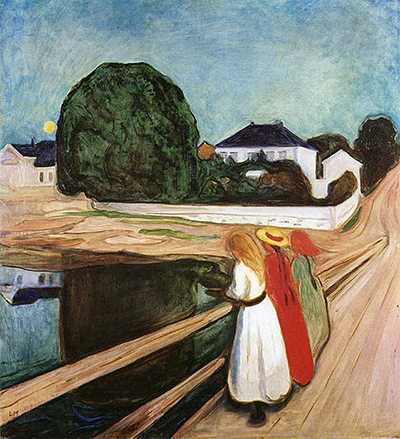
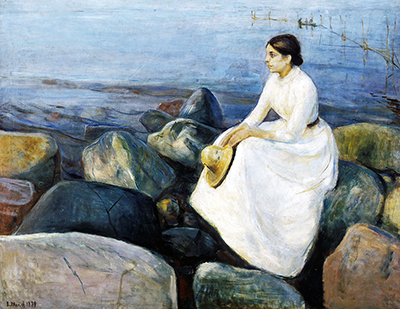
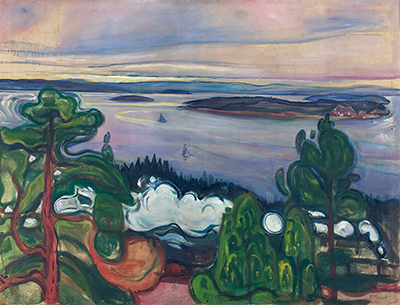
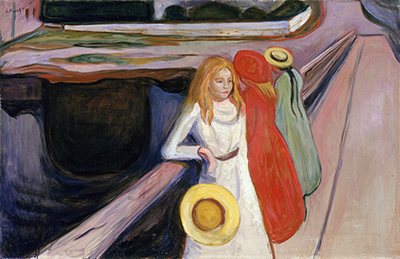
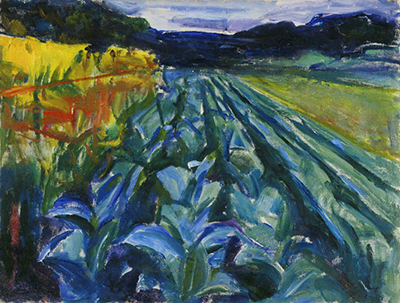
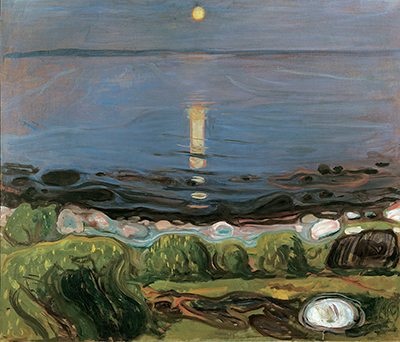
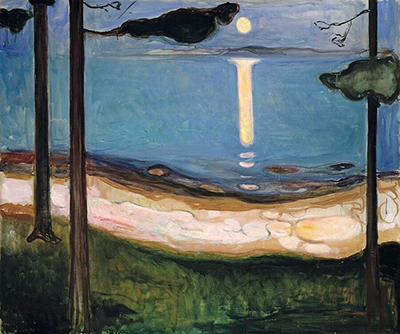
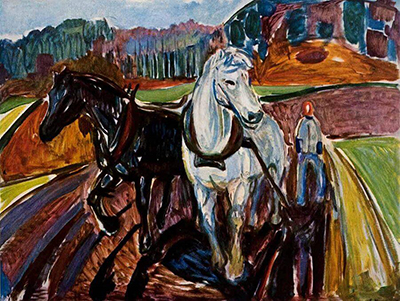
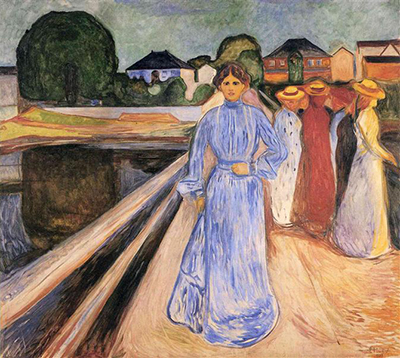
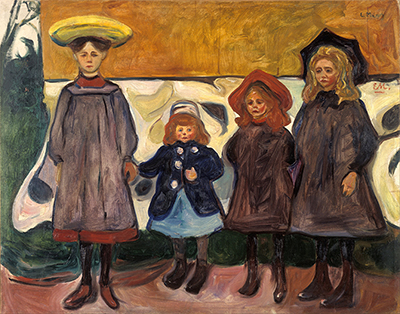
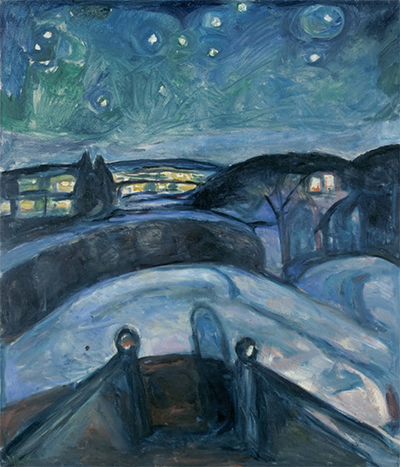
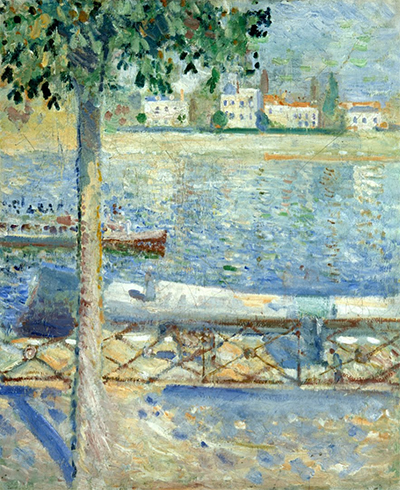
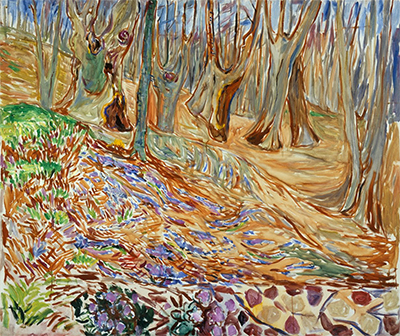
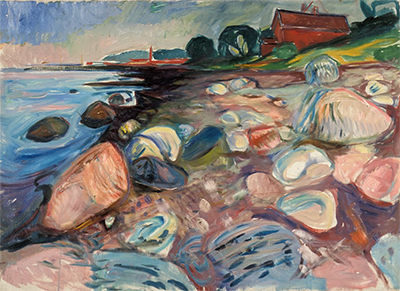
Munch's landscapes are not neutral scenery. Melancholy, Girls on the Bridge and Starry Night show how shoreline, water, reflection and place can carry feeling. [5]
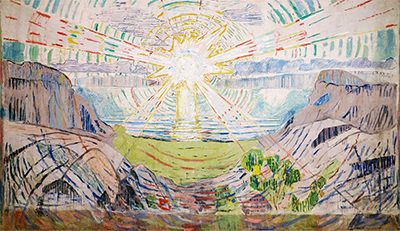
The Sun gives the landscape route a different scale. It is public, monumental and radiant, a strong counterpoint to the darker or more inward paintings. [5]
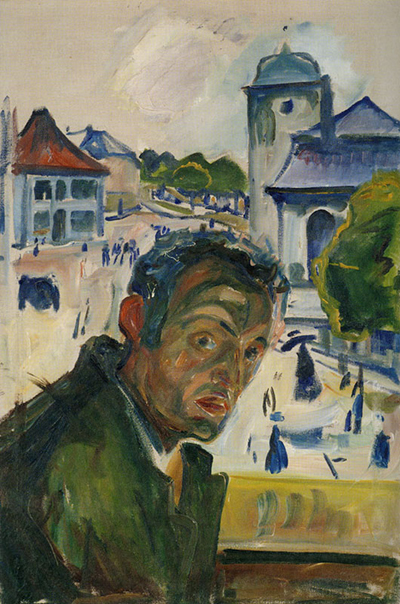
Self-Portrait and Late Work
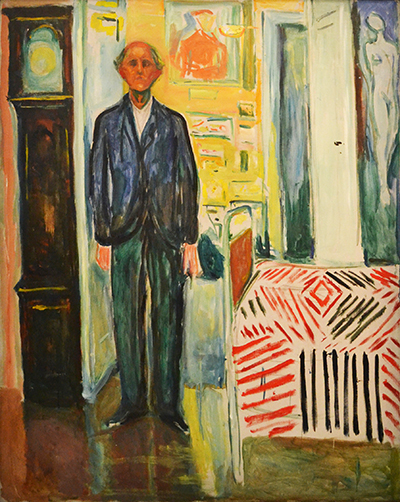
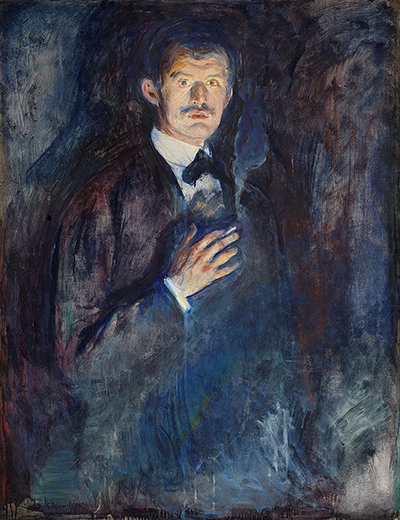
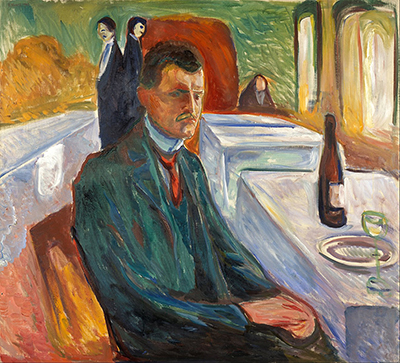
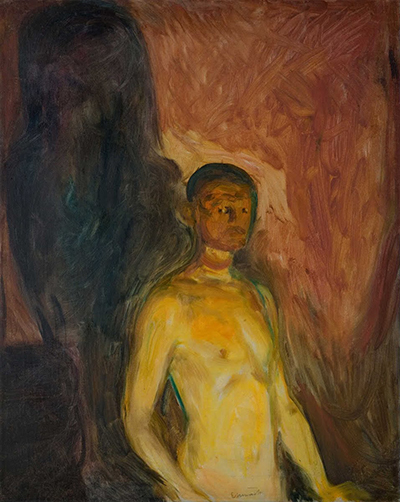
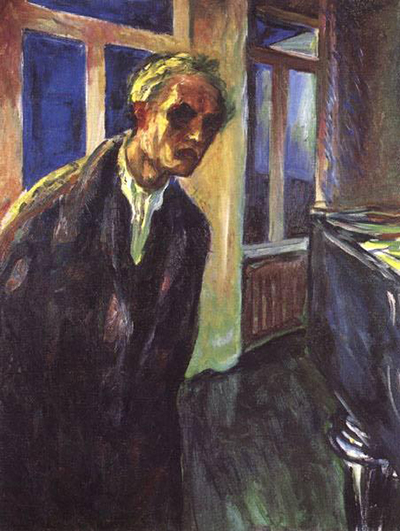
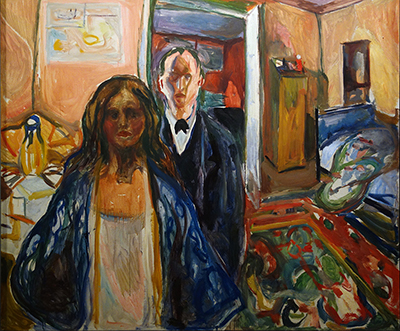
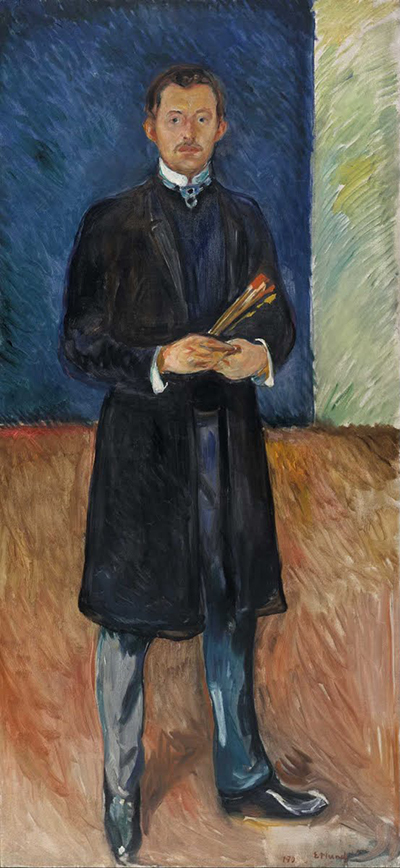
Self-Portrait Between the Clock and the Bed is the late endpoint of the cluster. It places the ageing Munch between time, rest and the room of his own paintings. [3]
Seen beside The Sun, it shows the range of late Munch: one image inward and mortal, the other public and radiant. [6]
Recommended Route Through the Cluster
- Start with The Scream, Despair, Sick Mood at Sunset: Despair and Anxiety. [6]
- Then read Separation, The Kiss, Vampire, Madonna, Dance of Life and Eye in Eye. [6]
- Move to The Sick Child, Death in the Sickroom and Weeping Nude. [6]
- Finish with Melancholy, Girls on the Bridge, Starry Night, The Sun and Self-Portrait Between the Clock and the Bed. [6]
 Edvard Munch.jpg)
 Edvard Munch.jpg)
 Edvard Munch.jpg)
FAQs
His best-known paintings include The Scream, The Sick Child, Madonna, Vampire, Melancholy, Anxiety, The Kiss, Separation and Dance of Life. [3]
Read by route: anxiety and modern life, love and separation, illness and death, landscape and mood, then late self-portraiture. [6]
References
- MUNCH, "Edvard Munch (1863-1944)," official artist page, accessed 5 July 2026.
- MUNCH, "Catalogue Raisonne / About the Collection," accessed 5 July 2026.
- Gerd Woll, Edvard Munch: Complete Paintings, London: Thames & Hudson, 2009.
- Arne Eggum, Edvard Munch: The Frieze of Life, 1993.
- Patricia G. Berman, ed., Edvard Munch: The Modern Life of the Soul, Museum of Modern Art, 2006.
- TheHistoryOfArt.org, Edvard Munch sitemap and local internal-link validation, checked 5 July 2026.