


 by Tom Gurney
Tom Gurney BSc (Hons) is an art history expert with over 20 years experience
Published on June 19, 2020 / Updated on December 8, 2025
Email: tomgurney1@gmail.com / Phone: +44 7429 011000
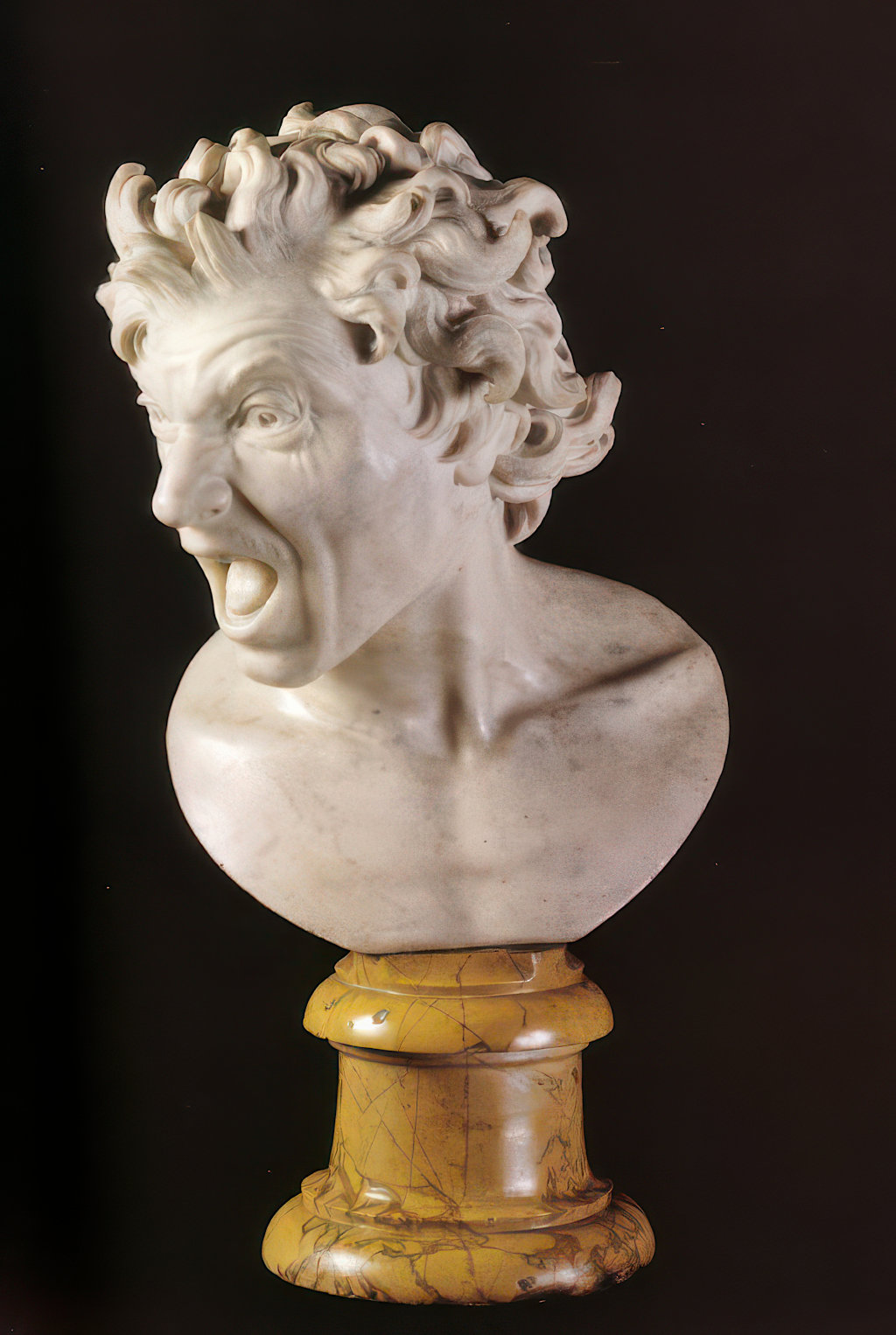
The Damned Soul is a sculpture made by Gian Lorenzo Bernini in 1619 when he was only 20 years old.
It portrays a human soul that is damned to hell. The sculpture is made of marble and is carved from the neck up.
The Italian sculptor created this work of art as a personal challenge to himself. He set out to find out whether it was possible to portray a soul damned to hell and another bound for heaven. So the sculpture is part of a pair, the Damned Soul and the Blessed Soul, also known as Anima Dannata and Anima Beata.
Method and Technique
It is said that Bernini experimented on his own body by inflicting pain on himself in various ways, all in a bid to guarantee originality of the expression on the sculpture. He wanted to make it appear as real as possible.
Technical Challenges in Damned Soul
Bernini's design for this sculpture would challenge him, because of the nature of marble. It is an unforgiving material for sculptors, who have traditionally found it more suitable for calmer, less expressive facial features. Bernini's challenge was to produce deep shadows beneath the mouth, prominent eye pupils, tension around the jaw and temple and further touches which would lead the viewer's eye in the direction intended.
Perhaps due to his relative inexperience in sculpture at this early stage of his career, the tool marks seen in this piece are harsher than in later pieces. Whilst perhaps not intended or desired, they actually suit the atmosphere of this piece, with its aggressive, bold nature. Softness would arrive later as Bernini continued to perfect the technical nature of his craft, whilst his love for emotion was already established.
Summary of Damned Soul
- Artist: Gian Lorenzo Bernini
- Title: Damned Soul (Anima Dannata)
- Date: c. 1619
- Medium: Marble
- Dimensions: Head & Bust Sculpture (exact size varies by copy)
- Related Work: Blessed Soul (Anima Beata)
- Location: Palazzo di Spagna, Rome (among other early copies)
- Theme: Judgement, Damnation & Baroque Emotional Realism
What is the Meaning of Bernini's Damned Soul?
Bernini pushes raw human emotion to its limits with this sculpture. This artwork captures the moment that a soul is confronted with separation from God, permanently.
The eternity of this punishment raises the emotional charge to maximum levels, and forced the sculptor to contort the head into dramatic positions. We find within the sculpture a contorted mouth, which first draws our attention, as well as a furrowed brow along with a carefully angled neck. Every element available in this piece is pushed and stretched to an aggressive angle.
Bernini provides here an example of how the Baroque era no-longer stuck to the Renaissance ambition of harmony and restraint - energy and emotion come to the fore here, and the three dimensional nature of sculpture offered great opportunities to an artist who was also an accomplished oil painter. Indeed, he would consider his sculpture from every angle, just as his viewers could potentially study it.
Critics have often labelled the sculpture as a 'frozen scream', and suggested that this early piece was a sign of the theatrical and emotional works that followed in Bernini's career several years later.
This tormented soul, frozen in horror, reveals emotion carved to its breaking point.
The Paired Souls: The Damned and the Blessed
Damned Soul and Blessed Soul (Anima Dannata and Anima Beata) were produced as contrasting pieces, representing salvation and damnation, and serving as a warning to us all. This approach was typical of the Counter-Reformation and provided an excellent base for the artist to work from. Religious themes had dominated European art throughout the Renaissance, but Baroque painters and sculptors were now allowed to bring extreme emotions to these scenes too.
The table below compares the two sculptures, though the initial differences are obvious in mood - upwards positivity versus negativity and introspection. The purpose was to encourage and reward moral behaviour, and warn us against diverting from this path.
Academic Theories around The Paired Souls
For many, the stylistic differences between the two sculptures suggest that Bernini may have only produced one, and not the other. With them likely to have been created very close to each other, it does seem surprising that their balance would be quite so different, assuming they were intended as complementary pieces. The lack of a conclusive agreement on this has helped fuelled the continued discussion around these two works.
Damned Soul
- Expression: Agony, terror, spiritual dread
- Emotion Type: Despair + psychological rupture
- Sculptural Focus: Strained muscles, open cry
- Religious Theme: Eternal punishment; separation from God
- Date: c. 1619
- Medium: Marble
- Intended Pairing: With the Blessed Soul
- Style Traits: Baroque intensity, dramatic realism
- Influences: Counter-Reformation devotion
- Visual Impact: A “tormented soul … frozen in horror”
- Biblical Influence: “Weeping and gnashing of teeth” (Matthew 25:30)
- Strengths: Unmatched emotional violence
- Weakness: Known mainly through early copies
Paired Souls
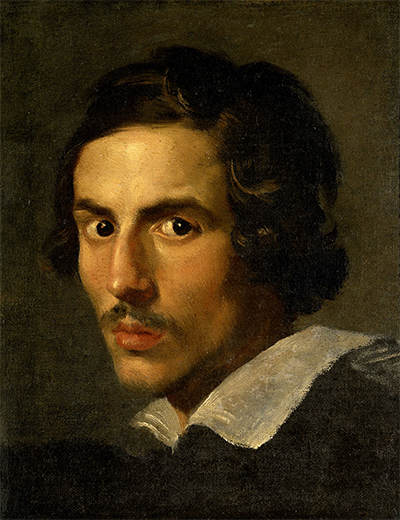
- Purpose: Visual contrast of salvation vs damnation
- Function: A Counter-Reformation moral warning
- Traits: Bliss vs horror in perfect opposition
- Legacy: Foundational works of Bernini’s expressive language
- Concept: Two souls responding to divine judgement
- Primary Discipline: Expressive marble portraiture
- Style Traits: Theatrical contrasts; psychological extremes
- Artistic Aim: To “move the soul” through emotion
- Patronage Context: Rome, early Bernini workshop
- City Associations: Rome; Spanish Embassy collections
- Biblical Influence: Salvation & judgement narratives (Matthew 25)
- Strengths: Ideal moral + emotional duality
- Weakness: Originals likely lost or altered
Blessed Soul
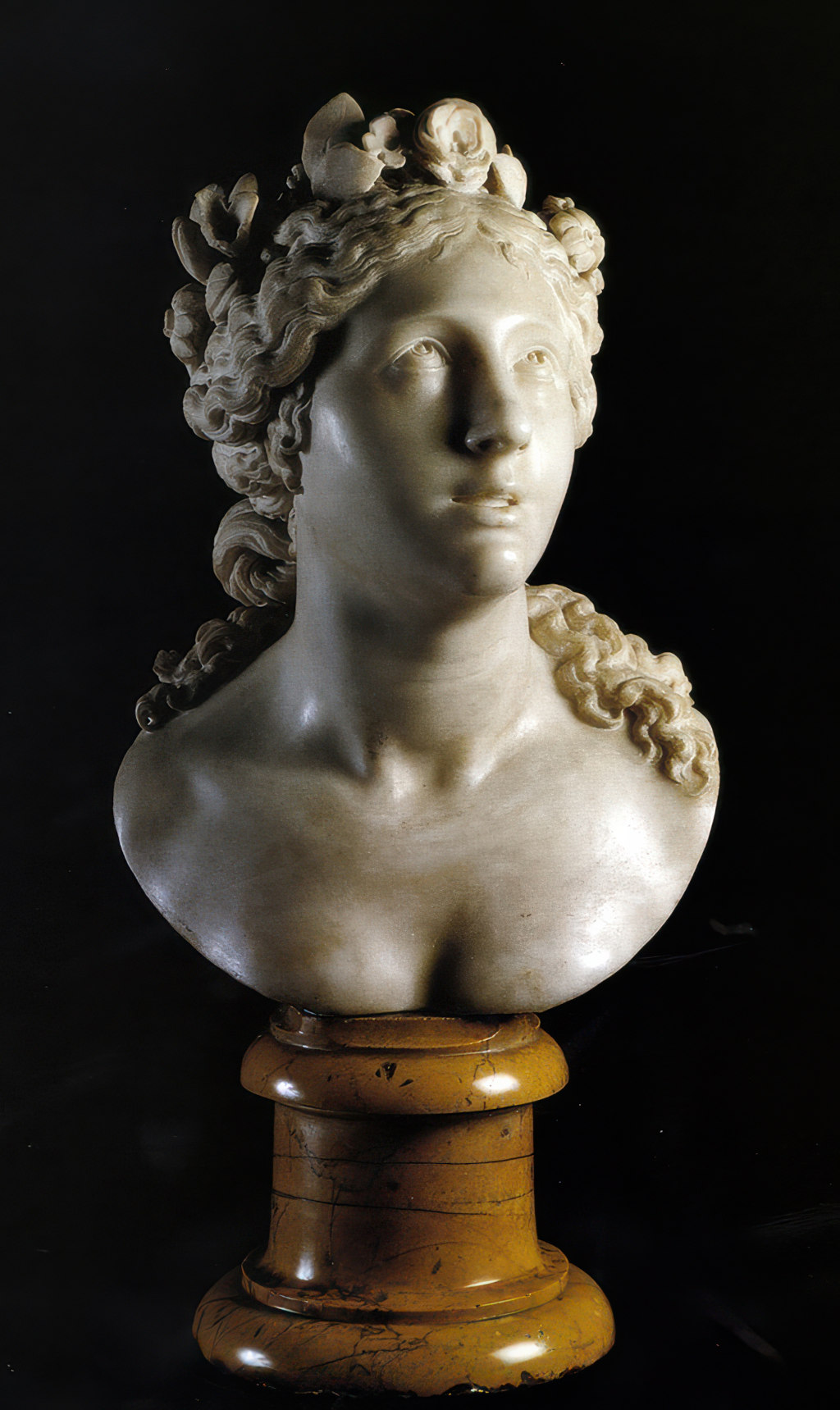
- Expression: Serenity, joy, spiritual radiance
- Emotion Type: Ecstasy without fear
- Sculptural Focus: Upturned gaze, softened forms
- Religious Theme: Salvation; presence of God
- Date: c. 1619
- Medium: Marble
- Intended Pairing: With the Damned Soul
- Style Traits: Grace, uplift, spiritual clarity
- Influences: Beatific Vision tradition
- Visual Impact: A soul illuminated by divine grace
- Biblical Influence: “The righteous will shine like the sun” (Matthew 13:43)
- Strengths: Beauty, radiance, calm
- Weakness: Often overshadowed by its dramatic counterpart
Bernini's Early Experiments in Expressive Baroque Sculpture
Typically, artists are at their most creative and innovative early in their careers, and that was very much the case for Gian Lorenzo Bernini. The Damned Soul and Blessed Soul came about when he was only around 20 years of age, and it was then that Bernini was attempting some particularly expressive expressions in his work.
A number of other pieces from around this time also possessed the same open mouths and dramatic eyebrows, and it is believed that the artist's father, Pietro, encouraged this type of experimentation. Indeed, he encouraged his son to better understand Roman theatre in order to see how the face can contort, and how actors might study these variations.
One can therefore consider both soul sculptures, Blessed and Damned, to be both religious artworks, but also workshop exercises, as a means to evolving and developing Bernini's talents as a sculptor. He sought to mimic flesh from stone, and his father pushed him to innovate as much as he could in order to develop a unique style of his own.
Bernini Sculpture Timeline
The Goat Amalthea with the Infant Jupiter
1615-1617One of Bernini's earliest sculptures, showing his precocious skill in modelling expressive figures.
Shows early interest in naturalistic emotion.Aeneas, Anchises and Ascanius
1618-1619A multi-figure group demonstrating Bernini's developing understanding of anatomy, movement and narrative.
Immediately precedes the style seen in the Damned Soul.Damned Soul (Anima Dannata)
c. 1619A highly dramatic early work capturing extreme fear and spiritual terror. One of Bernini's earliest explorations of intense emotional realism.
Placed here to show its position early in Bernini's sculptural career.Blessed Soul (Anima Beata)
c. 1619A serene counterpart to the Damned Soul, showing salvation rather than anguish. Likely created around the same period.
Forms a moral and emotional pair with the Damned Soul.The Rape of Proserpina
1621-1622A breakthrough in sculptural illusionism, with astonishingly lifelike flesh and gripping emotional tension.
Marks Bernini's rise to full maturity.Apollo and Daphne
1622-1625A masterpiece of motion captured in marble, with Daphne transforming into a laurel tree at the climax of the myth.
Shows Bernini's mastery of narrative drama.David
1623-1624Bernini's dynamic interpretation of David mid-action, contrasting sharply with Michelangelo’s calm hero.
A sculptural study in energy and concentration.The Ecstasy of Saint Teresa
1645-1652Bernini's most celebrated religious sculpture, blending architecture, light, and theatre in a single spiritual vision.
A definitive Baroque masterpiece.Blessed Ludovica Albertoni
1671-1674One of Bernini's late works, infused with spiritual intensity and mature expressiveness.
Shows the emotional refinement of his later career.Description
The damned soul is an individual male sculpture that has very clear features. A few features that stand out include a ridged forehead, thick brow, a thin and twisted moustache and a head full of wavy hair. The damned soul has a wild expression, twisted in agony, shock and horror.
He is horrified at what he is seeing. The torture and agony of hell are clearly more than he can handle. The expression makes it possible to see his full set teeth and his tongue, exposed in a wild scream. The eyes are wide open, with hollow irises that reflect the flames in hell.
This is illustrated by the white marble that's found at the centre of each eye. Generally, the sculpture gives an indication of what a soul that is damned to hell gets to see once it arrives there.
Bernini possessed a rare gift: he could carve emotion itself, shaping fear, hope and ecstasy with the same precision he gave to flesh.
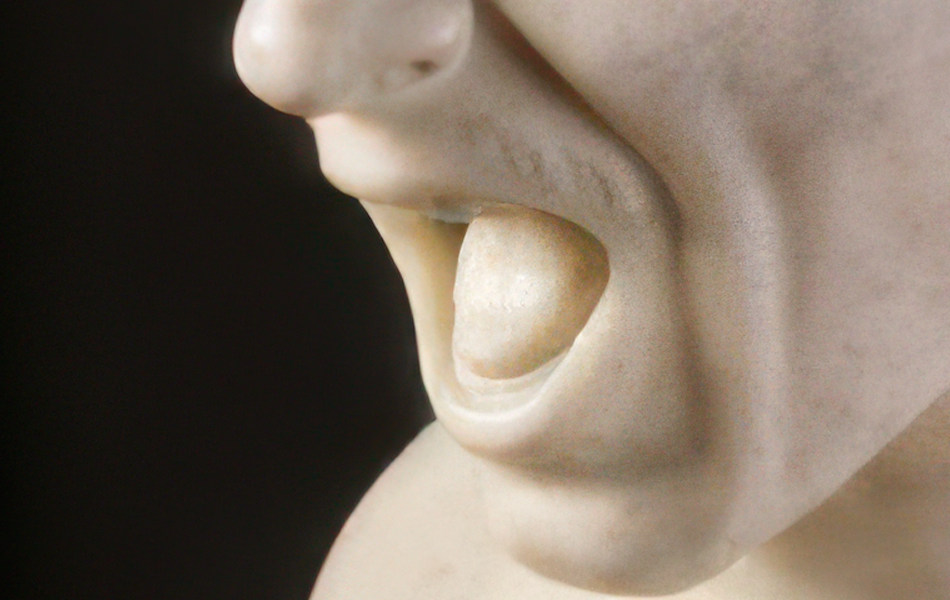
Perhaps the most extraordinary detail: Bernini's open mouth captures the moment between breath and cry - extremely difficult in marble.
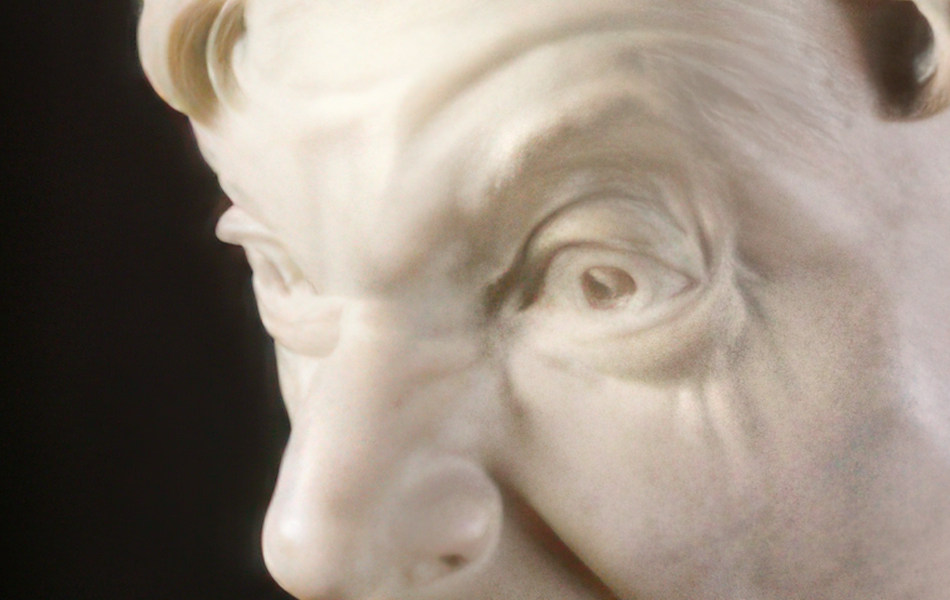
The narrowed eyelids and drilled pupils intensify the expression; note the asymmetry Bernini uses to create instability.

Bernini's swirling marble curls show how he used twisting forms to echo the emotion of the scream.
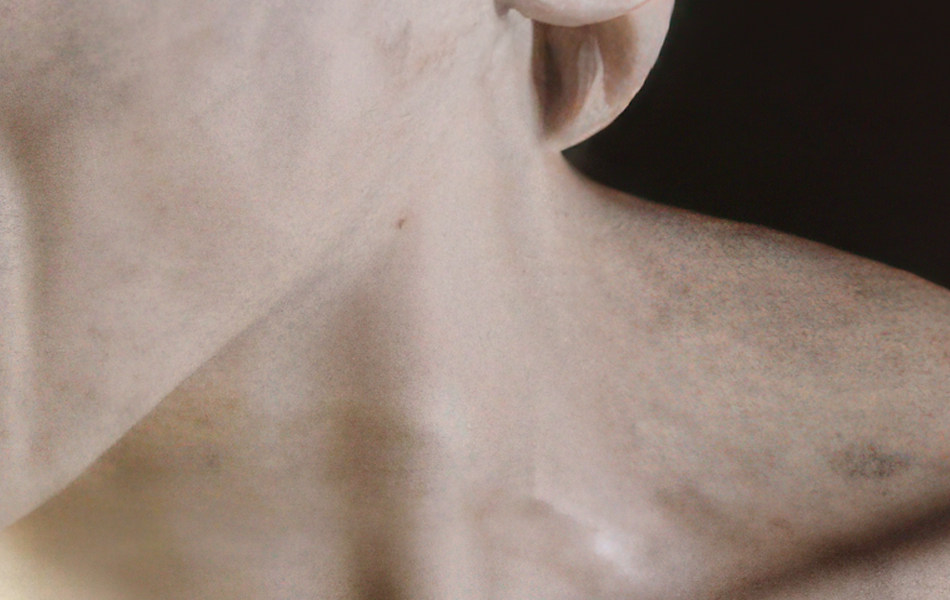
The taut tendons and turned posture show Bernini's understanding of anatomy under emotional duress.
Influences
It is highly likely that Bernini drew on elements of the Bible for his dramatic sculpture. No specific mention of a 'Damned Soul' is found within the scripture, but there are a number of passages which closely match the content of this artwork.
This entry describes the gnashing of teeth, similar to that seen in Bernini's sculpture. Catholic teaching at that time also used this frozen horror effect to warn against following immoral paths.
Ignatius Loyola's Spiritual Exercises
Gian Lorenzo Bernini may have used Ignatius Loyola's Spiritual Exercises to make his sculpture more imaginative and to bring out what the damned soul was seeing and feeling. In Loyola's Spiritual Exercises, hell appeared on the 5th day.
This was, preceded by four other days where on the first day, the damned soul sees with his eyes the souls burning in the great fires, the second day, he hears with his ears the cries and wailings. The third day, the soul smells the smoke and the fourth day, he tastes the bitter tears and sadness with his tongue. The fifth day is the damnation day itself when hell appeared and he feels it.
Bernini's Damned Soul's marble head appeals to the 5 earthy senses of sight, hearing, smell, taste and feel. It does this by sounding the depths of damnation. Loyola's Spiritual Exercises does the same.
Multiple Versions of the Sculpture
One of the reasons for the persistent interest from academics in Bernini's Damned Soul is that the original design has never been identified. It was either lost or simply has not been successfully attributed as yet. The items that we do have today are 17th century copies, though some of these are believed to be incredibly accurate to the original work.
Many of these would have been produced under the supervision of Bernini himself, or the artist would have had direct access to the original piece, thus making them of considerable value.
Documented Copies and Known Versions
- Palazzo di Spagna (Spanish Embassy to the Holy See), Rome
This remains the most famous version, and the one normally mentioned by academics. - The Uffizi Copy (Florence)
Softened features, likely to have been from his workshop. - Private Roman Collections (Historical)
Copies produced in the 18th and 19th century. - Copies in Smaller Italian Museums
Terracotta or plaster versions, may have historical significance. - Bronze or Plaster Aftercasts (19th Century)
Produced for educational purposes. - Massimiliano Soldani-Benzi completed his own version of this sculpture but in bronze.
He did this between the years 1705 to 1707. This version is found in the Liechtenstein Collection.
When comparing all of the copies, there are variations in the depth of the drilled pupils, the amount that the mouth opens up and also the way in which each work's surface was finished, be it smooth or rough. The differences tend to help academics to learn more about their connection to Bernini and his original work.
The Lost Original: Academic Theories
The biggest controversy around Bernini's work remains around what the original might have looked like, and what it would have been made of. The main theories suggest either a standard marble piece was lost, or a highly advanced model made from max or terracotta. There may also have been a Bernini study shared with his workshop, from which the other versions then came.
Location
The most famous version of the sculpture, preserved since the 17th century, is currently at the Palazzo di Spagna (currently Palazzo Monaldeschi) in Rome, Italy. Further versions can be found in other collections, some of which remain private.
Address and Map of the Palazzo di Spagna
Palazzo di Spagna (Monaldeschi Palace),
Piazza di Spagna,
57 VA,
00187 Roma RM,
Italy
FAQs
References
- Harvard University Art Museums Bulletin, Vol. 6, No. 3, Sketches in Clay for Projects by Gian Lorenzo Bernini, Ivan Gaskell, Henry Lie (Spring, 1999)
- Wikipedia
- Gian Lorenzo Bernini: the sculptor of the Roman baroque, Wittkower, Rudolf
- Bernini and His World: Sculpture and Sculptors in Early Modern Rome, Livio Pestilli