

 by Tom Gurney
Tom Gurney BSc (Hons) is an art history expert with over 20 years experience
Published on June 19, 2020 / Updated on January 14, 2026
Email: tomgurney1@gmail.com / Phone: +44 7429 011000
Woman with Red Hair by Amedeo Modigliani uses a model who appears in a number of other portraits.
Painted in 1917, Woman with Red Hair is a striking portrait that exemplifies the artist's mature style of portraiture: elongated features, simplified forms and a quiet psychological intensity.
The elements which make up the signature style of Modigliani are all present in this piece, which itself arrived whilst Modigliani was very much at the peak of his powers. Amedeo had switched back to painting just a few years earlier, after his health problems had made sculpture too arduous a discipline.
His painting style, as found in Woman with Red Hair, would evolve over the short period of his career. By this point, in the late 1910s, the influence of sculpture, African masks and other non-European ideas impacted his portraits in oils, as well as his study drawings.
This particular piece would make its way into the collection of the National Gallery of Art, Washington, D.C., which has helped it to become one of the most widely known in his career. In this article we will examine the specific qualities of this painting and also place it within the wider context of Amedeo Modigliani's oeuvre.
- Artist:Amedeo Modigliani
- Title:Woman with Red Hair
- Date:1917
- Medium:Oil on canvas
- Dimensions:92.1 x 60.7 cm
- Location:National Gallery of Art, Washington, D.C.
Description
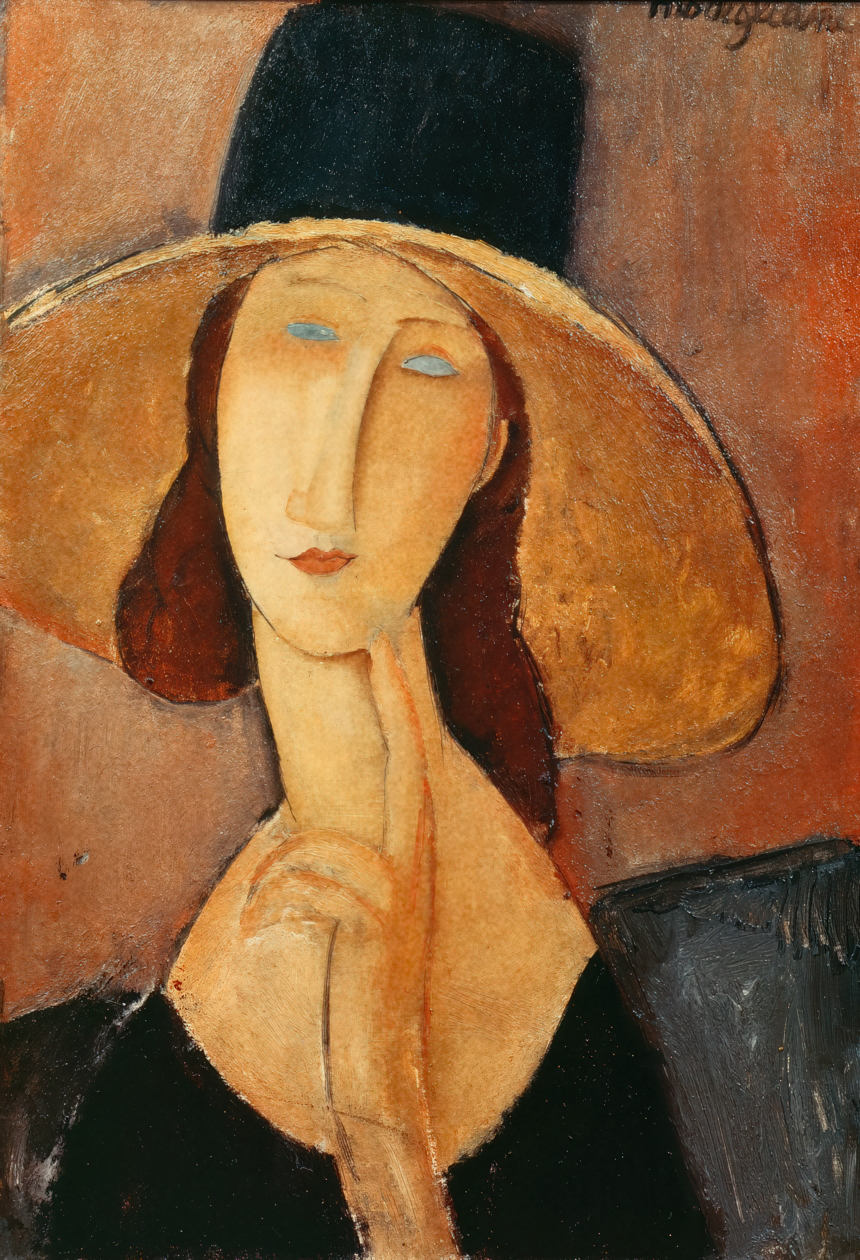
Woman with Red Hair features a young woman with copper-red hair, wearing a dark dress, with lighter laced collar. She holds a relaxed posture, draping one arm over the back of a brown wooden chair, with the other lying limply by her side. She looks towards the viewer with eyes blanked out, and her head slightly tilted to one side. Her gaze may just be off to the side of us, perhaps not quite directly.
Modigliani provides this painting with a green background that offers no real detail, just as intended. The light tones of her facial features and neck area contrast against the darker tones of her dress. The artist also gives the impression of blusher makeup, with touches of red around her cheeks. Modigliani captured this model several times in black dresses, clearly appreciating the contrast against her reddish hair and light skin tones.
The artist's mature period is perfectly summarised in this painting, with her long neck, the fluid lines used to create form, and also gently tapered features which displays the wide breadth of influences used by Modigliani towards the end of his career. This included African sculpture, Renaissance portraiture and contemporary avant-garde movements that he had come across during his time in Paris.
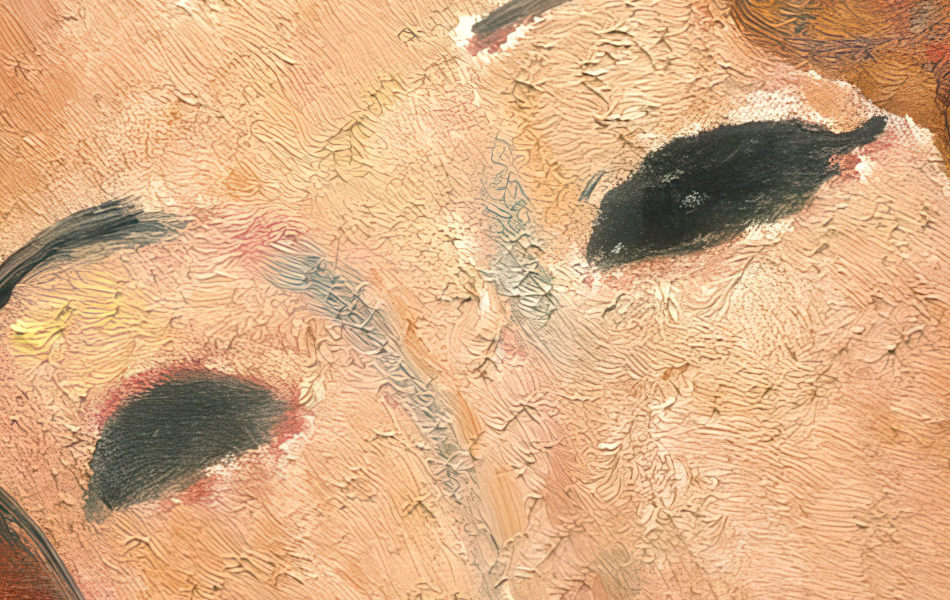
Detail of the eyes in Woman with Red Hair (c.1917), showing Modigliani's characteristic simplification of the gaze. The muted, inward-looking eyes reflect his belief that a portrait should suggest inner life rather than describe outward likeness.
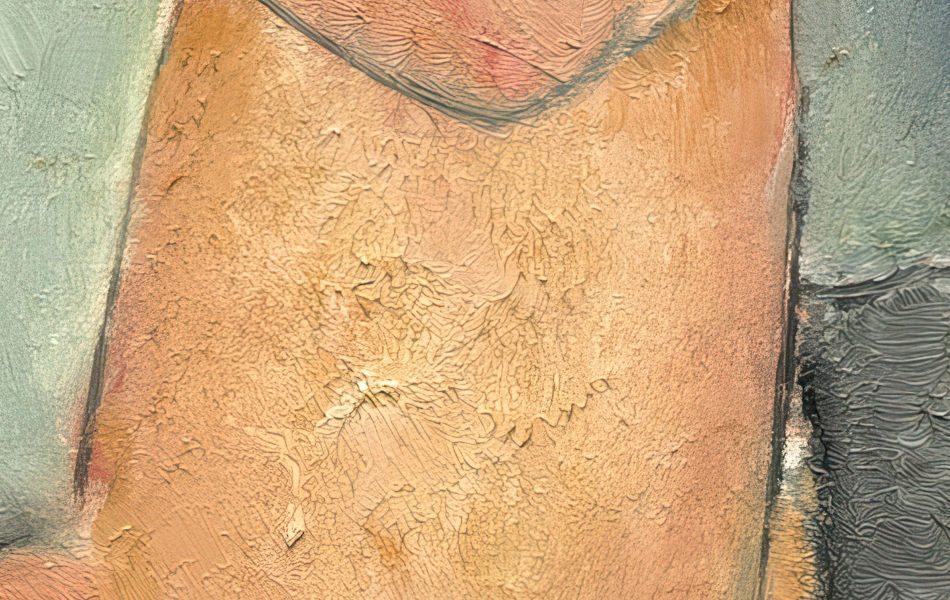
The elongated neck, a recurring motif in Modigliani's portraits, recalls both classical sculpture and the artist's own experience carving stone heads earlier in his career.
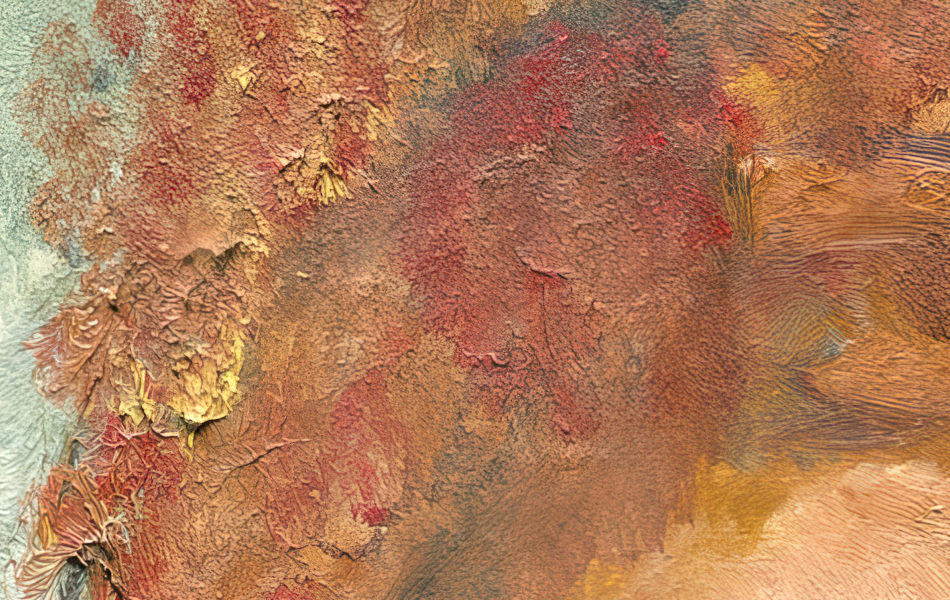
Close detail of the sitter’s red hair, painted with restrained warmth. Rather than descriptive realism, Modigliani uses colour as a compositional balance against the cool tones of the face.
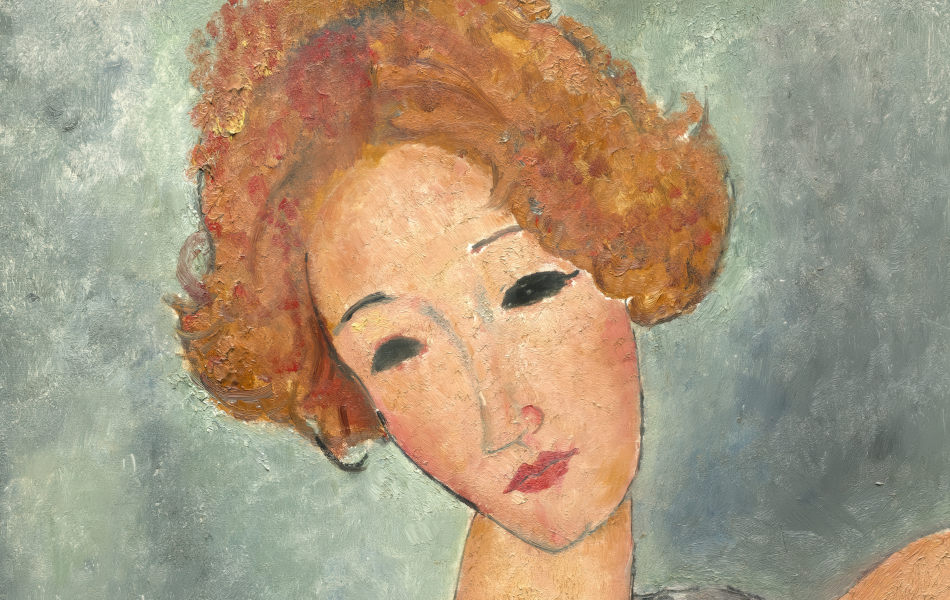
The mask-like construction of the face reflects Modigliani's interest in African and archaic sculpture, where simplified features convey timeless presence rather than individuality.
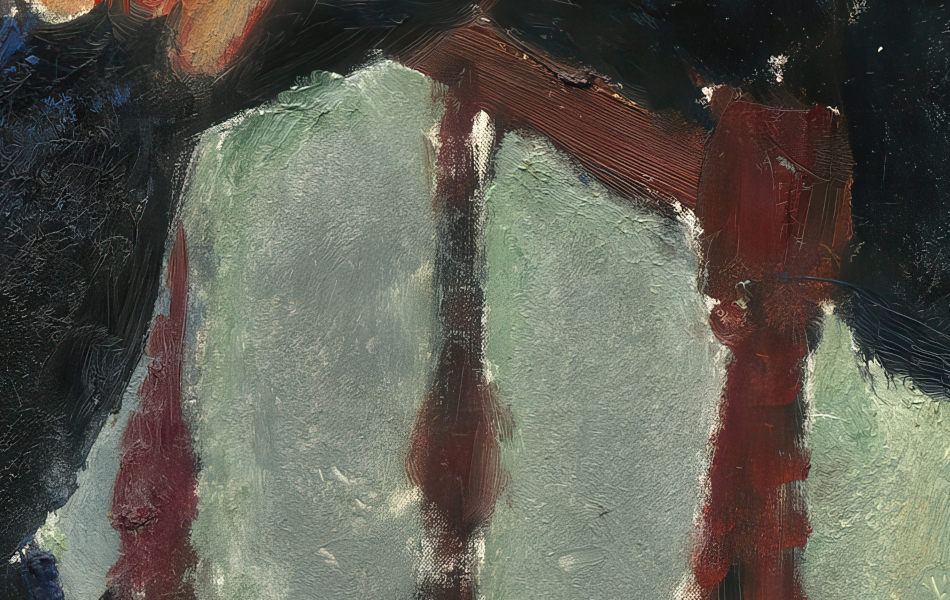
Detail of the chair and muted background surface, where visible brushwork contrasts with the smooth modelling of the face, creating quiet tension between figure and space.
Meaning and Interpretation
As with most of his portraits, this example captures an atmosphere of introspection and calm. The red tones of her hair immediately capture your attention, along with the blanked-out eyes which was a common method for Modigliani. He once explained that he would only include eyes once he truly understood his sitter, although he did do so earlier in his career.
For Modigliani to use the same model numerous times clearly confirms his satisfaction with her physical features, and perhaps suggests that they held some sort of relationship between just model and artist. With his social life so hectic, many question marks remain around his relationships, and it is unlikely that many of these mysteries will ever be solved. Additionally, a number of other models in his work also remain unidentified, although typically some suggestions have been put forward for each, over the years that have passed since.
Provenance and Exhibition History
We can track Woman with Red Hair back as far as the Libaud Collection, Paris which would have been soon after the painting had been finished. It then went to the artist's dealer, Léopold Zborowski, and changed hands again in Paris several times until finally ending up in the Chester Dale Collection, New York. They acquired the piece in 5 March 1928, before it was bequest to The National Gallery of Art in 1963, where it remains today.
The painting had been exhibited many times in Europe and the USA since its purchase by Chester Dale, the prominent US collector. Its early exhibiting has helped it to remain prominent within the artist's oeuvre and firmed up its attribution ever since.
Legacy and Influence
Today, Woman with Red Hair helps promote the achievements of Modigliani directly from one of the world's finest art galleries - National Gallery of Art, Washington, D.C., USA. It's vibrant, striking colour scheme makes it particularly memorable and it represents a period towards the end of the artist's career, when all of his different influences were present.
Works such as this would influence many portrait painters of the 20th century, offering a new alternative to the previous styles of nude painting, such as mythological and allergorical scenes. Whilst without success within his own lifetime, Modigliani's strong legacy would becoming accepted over the decades that passed after his death and today his influence is fully respected.
Artist Background
The highly celebrated 20th-century Italian painter Amedeo Modigliani is known for his iconic portraits such as the woman with red hair and striking blue eyes.
His works were inspired by philosophies where the artist chose not to paint landscapes like most of his fellow painters.
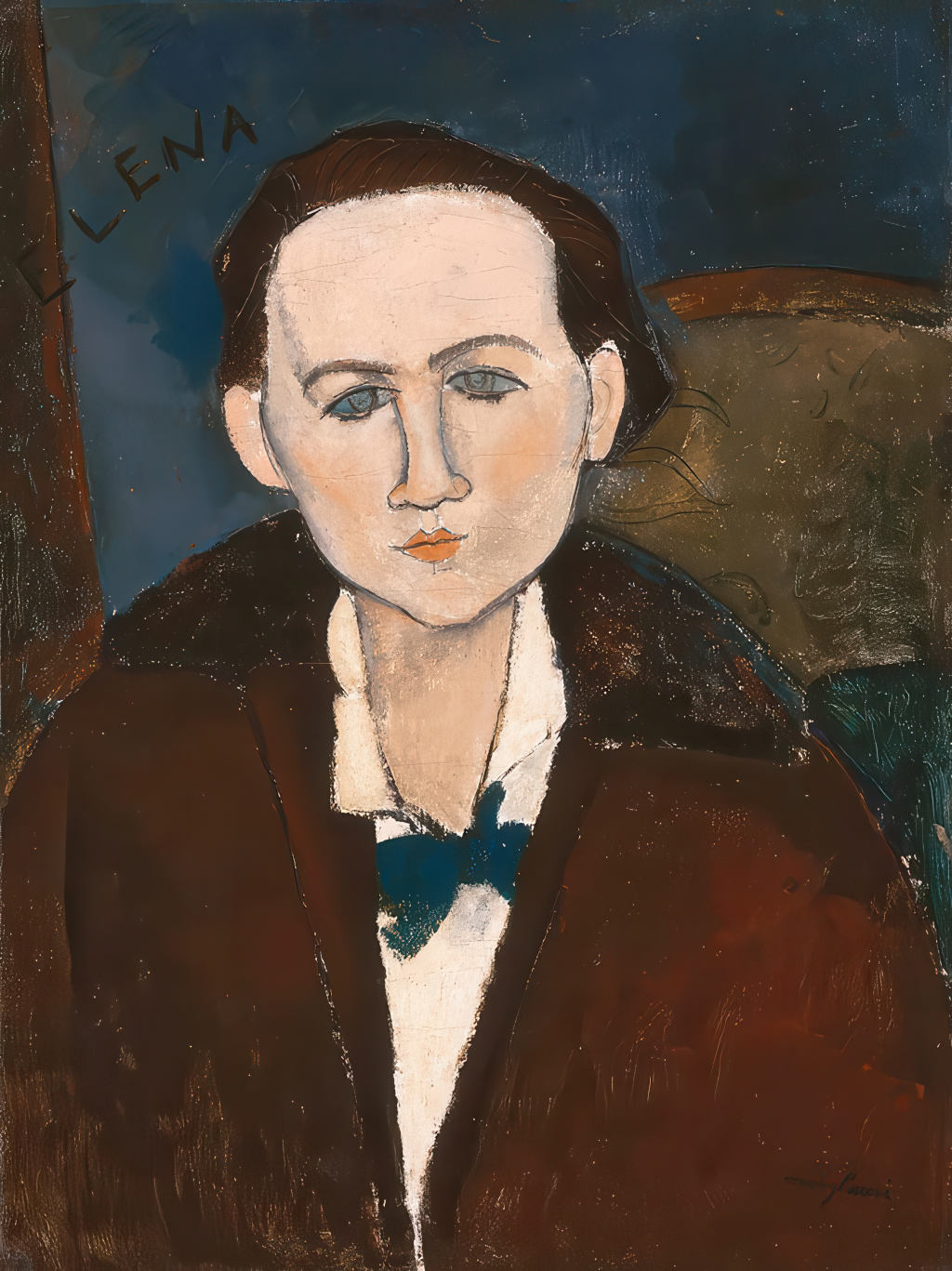
Instead, he opted to focus on portraiture to explore his subjects who were, in most cases, lovers or other artists, including Max Jacob, Jean Cocteau, and Pablo Picasso, among others.
Influences
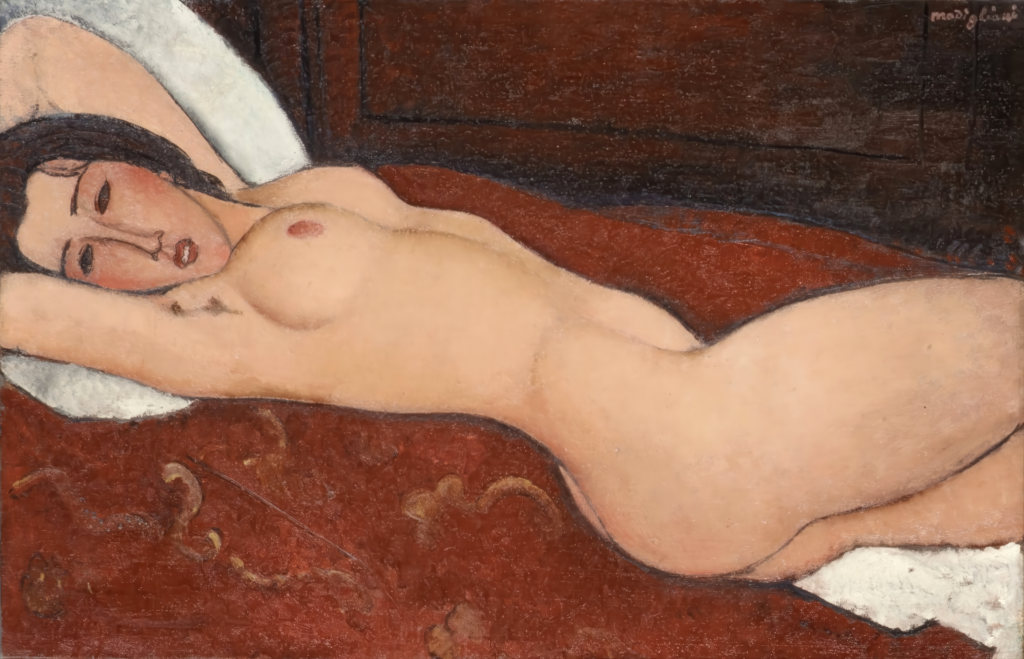
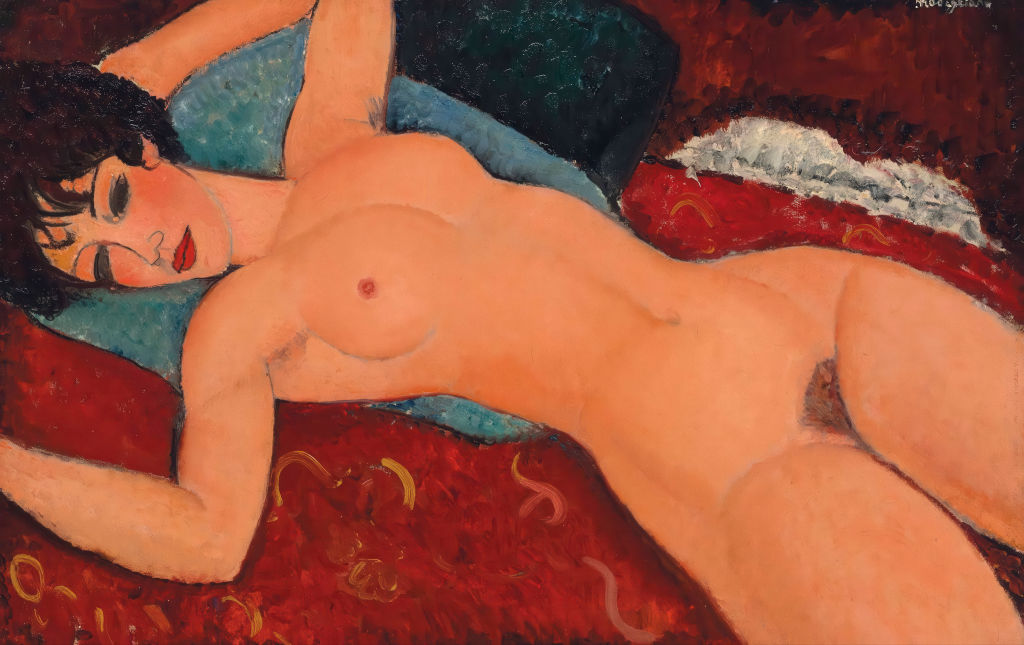
Influenced by the circle of his friends who were also artists, a wide of genres and primitive art, Modigliani became a unique painter. In fact, the dozens of nudes he painted are some of his best and most popular works.
Further Artworks
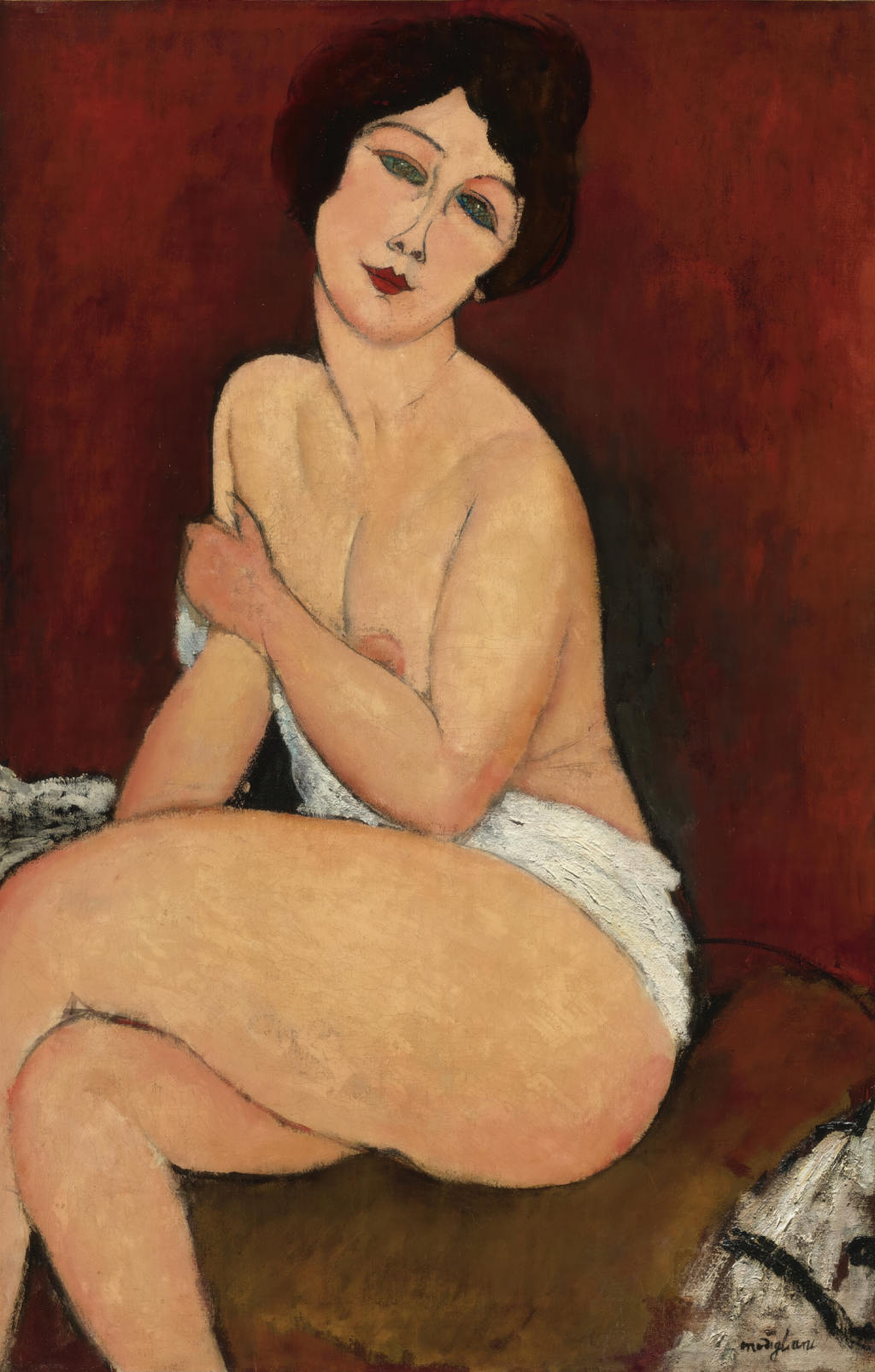
Nude Sitting on a Divan in 1917, for instance, is one of the most striking pieces and it elicited a sensation immediately it was exhibited in Paris that year. This series was commissioned by his dealer Leopold Zborowski who lent him an apartment, supplied him with painting materials and paid him about twenty francs for every work done. Unfortunately, the little he got from his paintings would vanish into alcohol and drugs.
Most of Amedeo's work depicted the African heritage and the Columbian statuary, something he might have gained from his Paris relationship with Pablo Picasso, though the stylization may have resulted from being surrounded by medieval sculpture in Italy.
Use of Elongated Features
This is evidenced by the faces of the sculptures which resembled the Egyptian paintings with long necks, flat mask-like appearances, and twisted noses. Although he used a figurative style in all his work, the paintings are seen to be strongly erotic with sexualised female nudes and most of them are presented with asymmetries.
Early Development
Modigliani is said to have started his painted from an early age even before starting off with his formal studies. After enrolling in art school, he studied portraiture, landscape, nude, and still-life. However, the painter displayed his greatest talent in nudes, and it is said that, when not painting, he would be occupied with seducing the household maid.
He later joined the Free School of Nude Studies in Florence and went on to settle in Paris. While there, he was said to work at a furious pace and would sketch an average of a hundred drawings a day. Although he carried on with his passion, his health deteriorated, and his alcohol and drugs intake became frequent. He later died in 1920, and the artistic community attended his funeral.
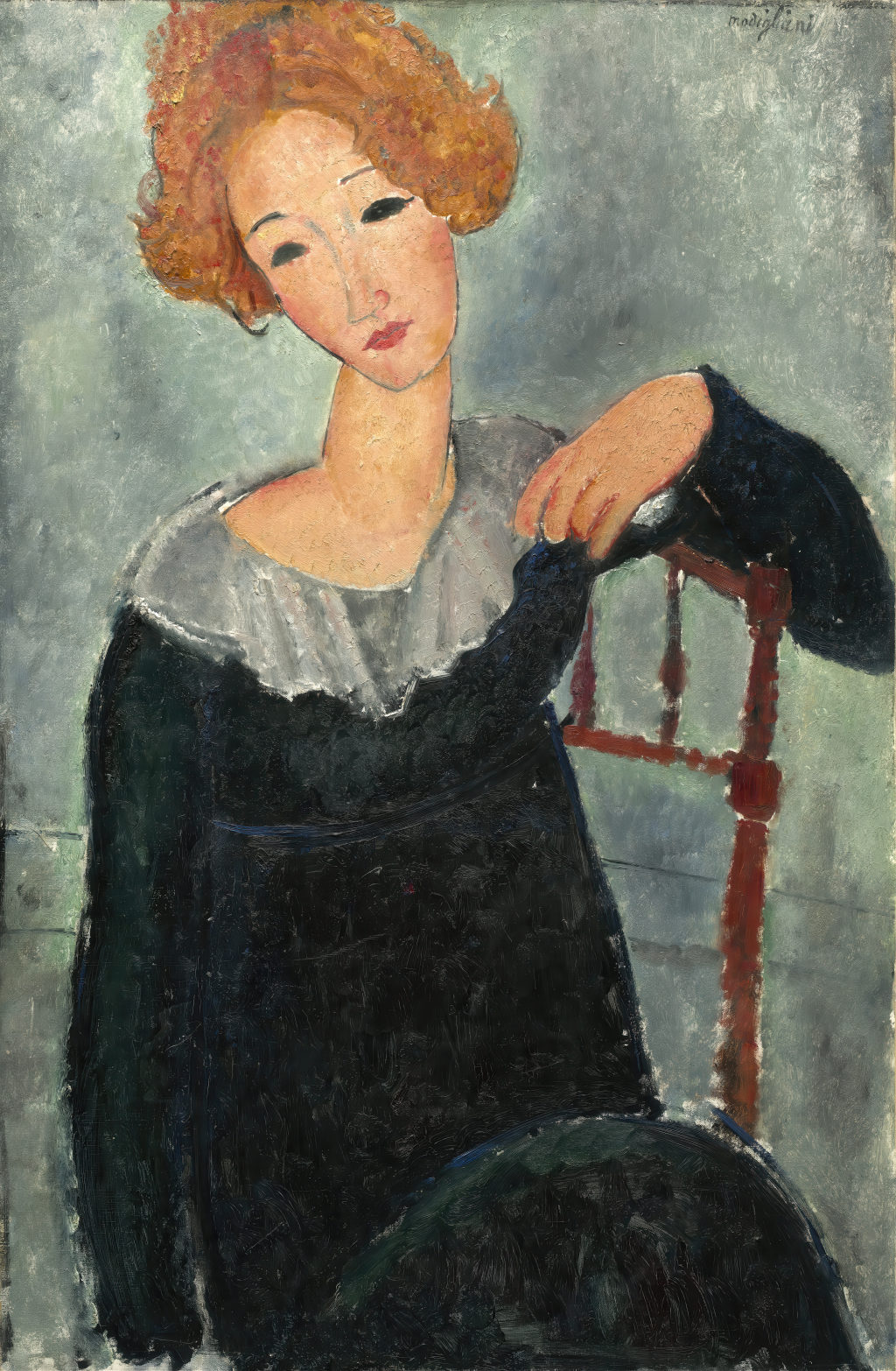
Woman with Red Hair, 1917, Amedeo Modigliani