

 by Tom Gurney
Tom Gurney BSc (Hons) is an art history expert with over 20 years experience
Published on January 21, 2026 / Updated on January 22, 2026
Email: tomgurney1@gmail.com / Phone: +44 7429 011000
Modigliani Compared: Picasso, Soutine, Brancusi, Schiele, Ingres and the Artists Who Shaped His Style
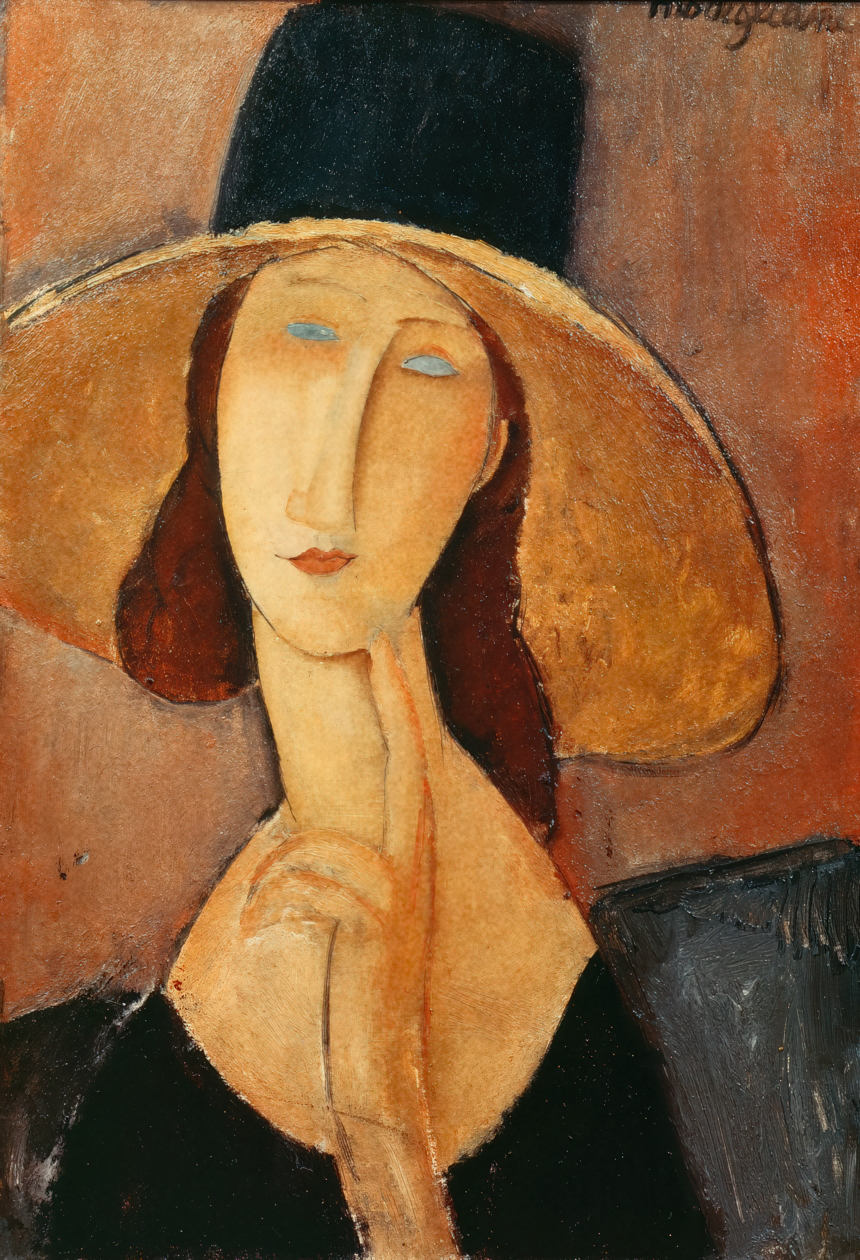
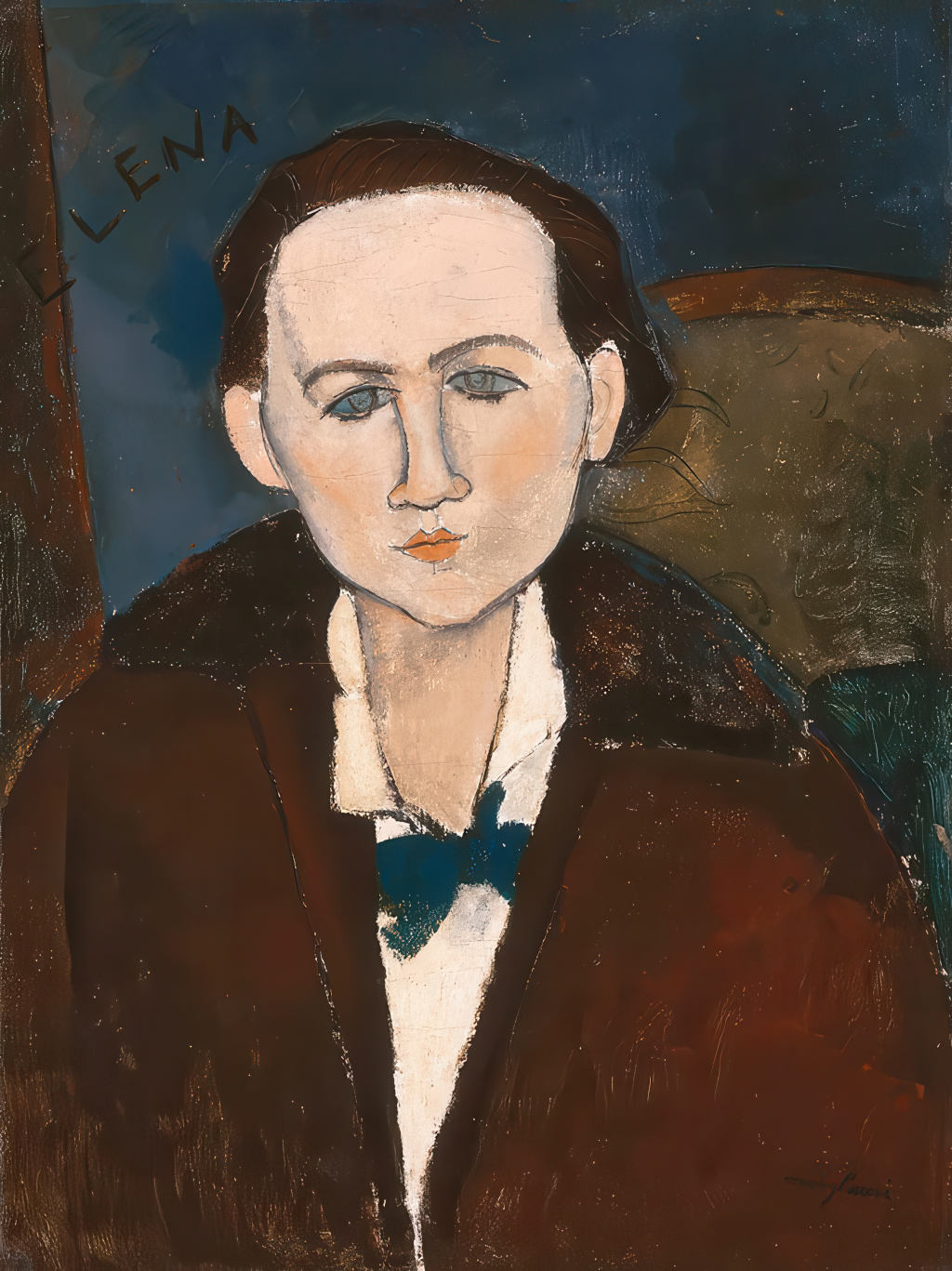
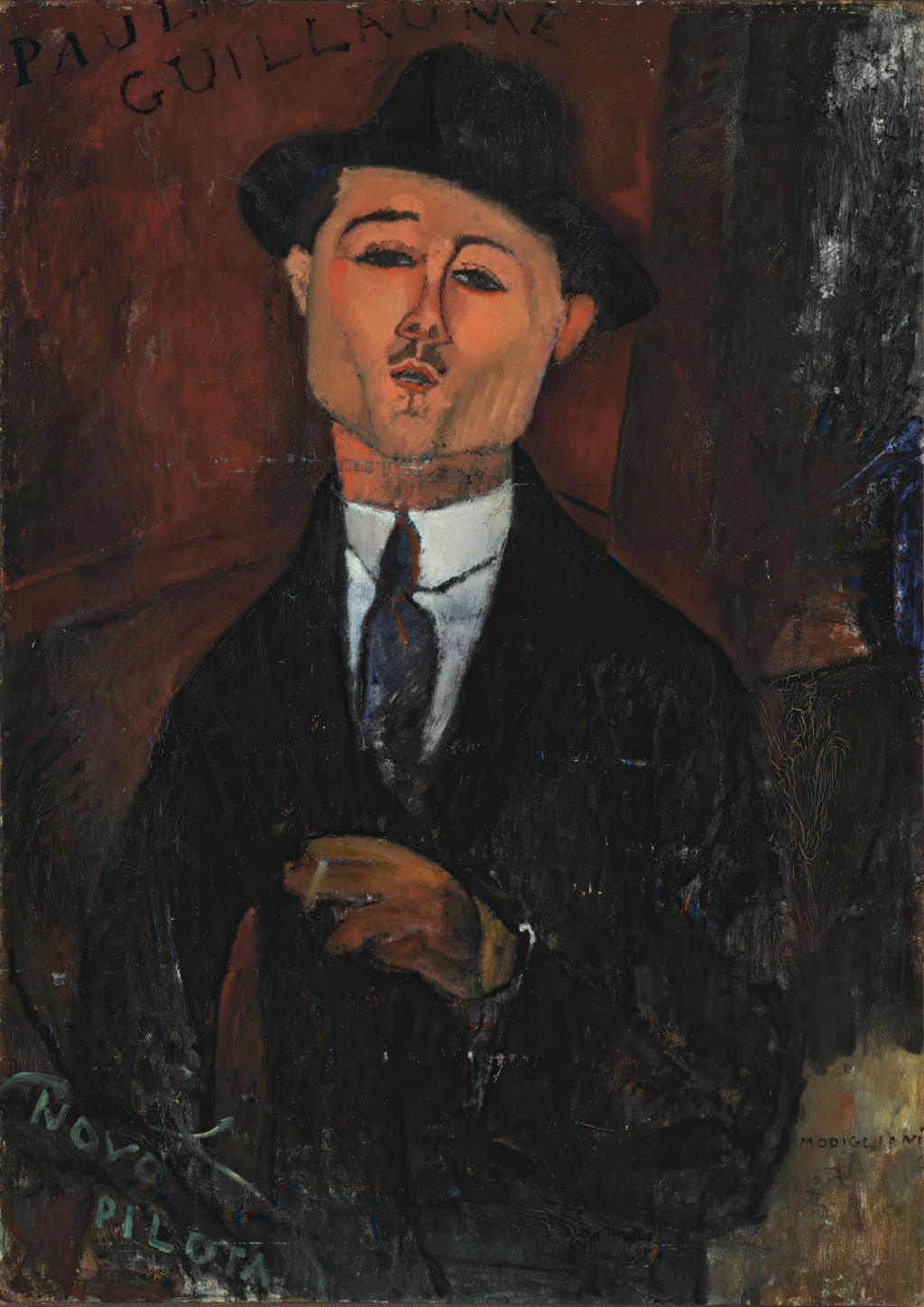
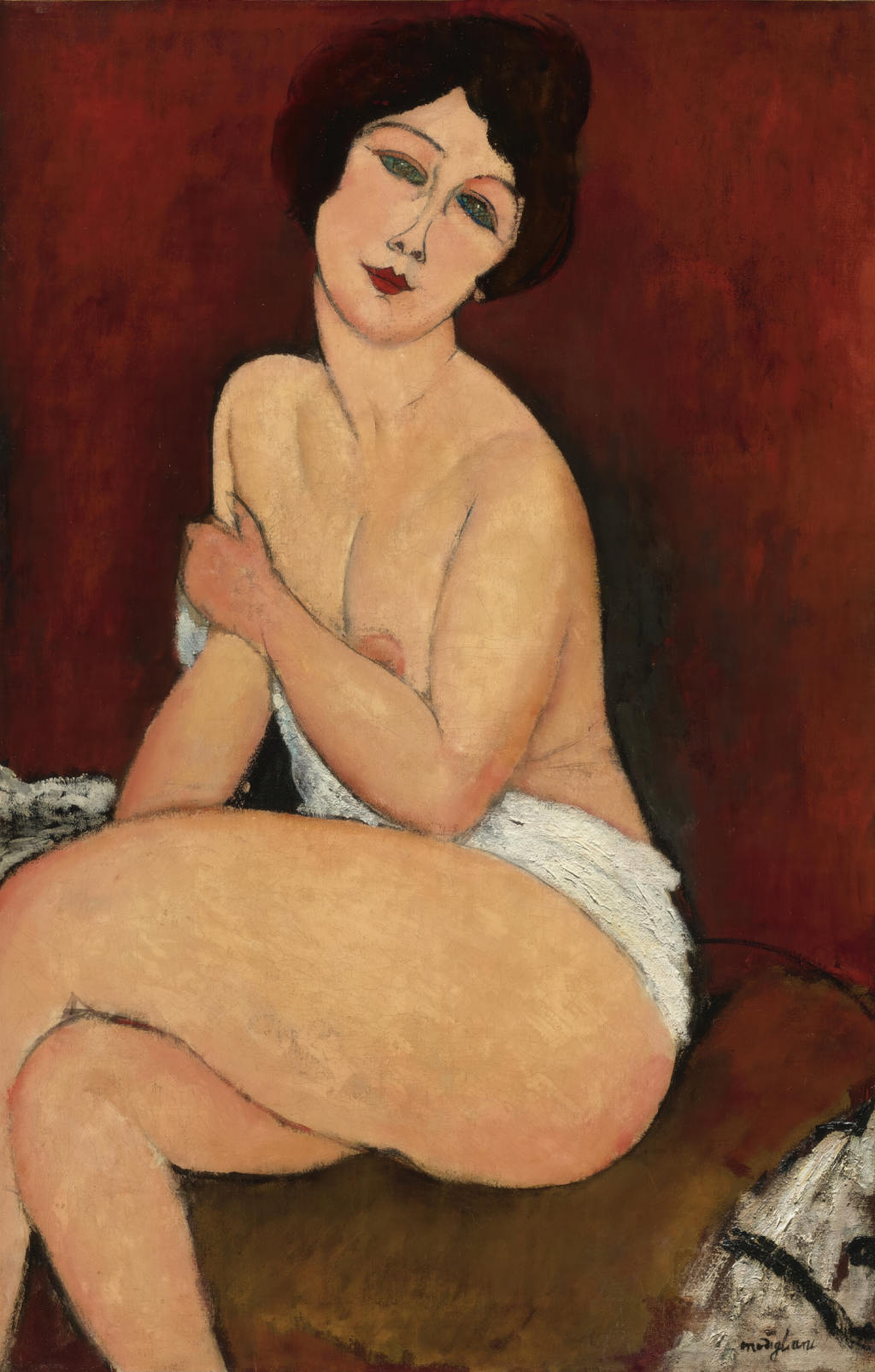
Why compare Modigliani, and who to? His work is often described as unique and memorable, featuring elongated faces, almond-shaped eyes, sculptural calm - but where did these unusual combination of ideas come from? By comparing Modigliani with other related artists, we can learn much about how he came to work in this manner.
As we look deeper, we will try to understand just why Modigliani resisted Cubism, why he embraced sculpture, and why his portraits feel timeless rather than overtly modern. He worked during an exciting period in 20th century art, particularly in Paris, where he worked for most of his life.
This page explores Modigliani in relation to Picasso, Soutine, Brancusi, Egon Schiele, Ingres and selected additional figures whose work helps define his artistic position.
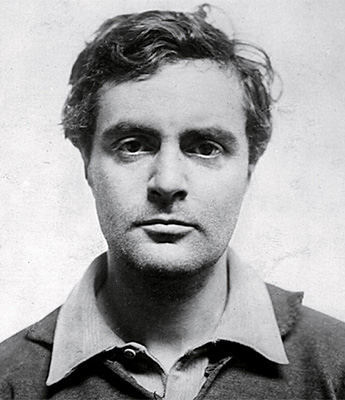
What I am seeking is not the real and not the unreal but rather the unconscious, the mystery of the instinctive in the human race.
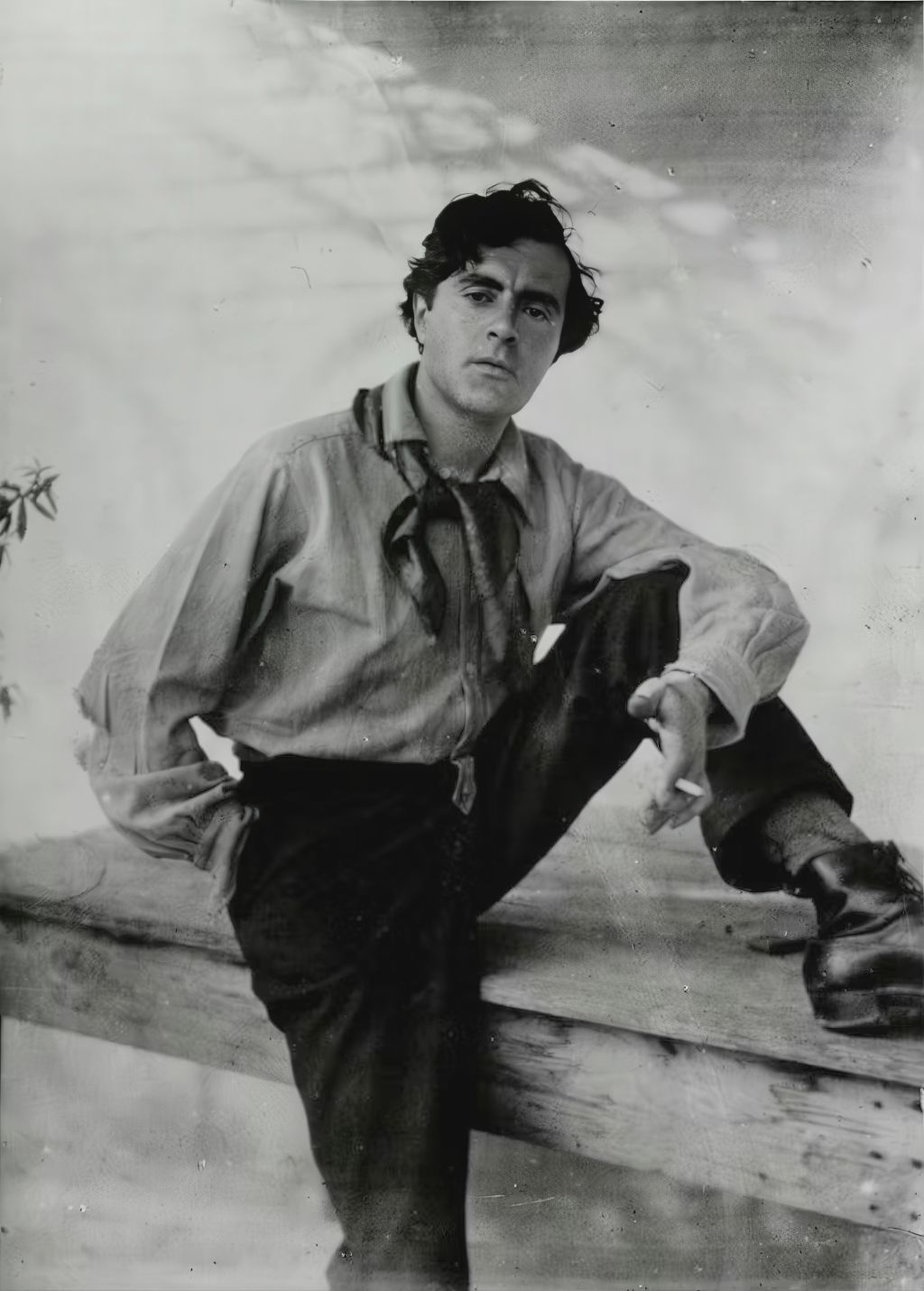
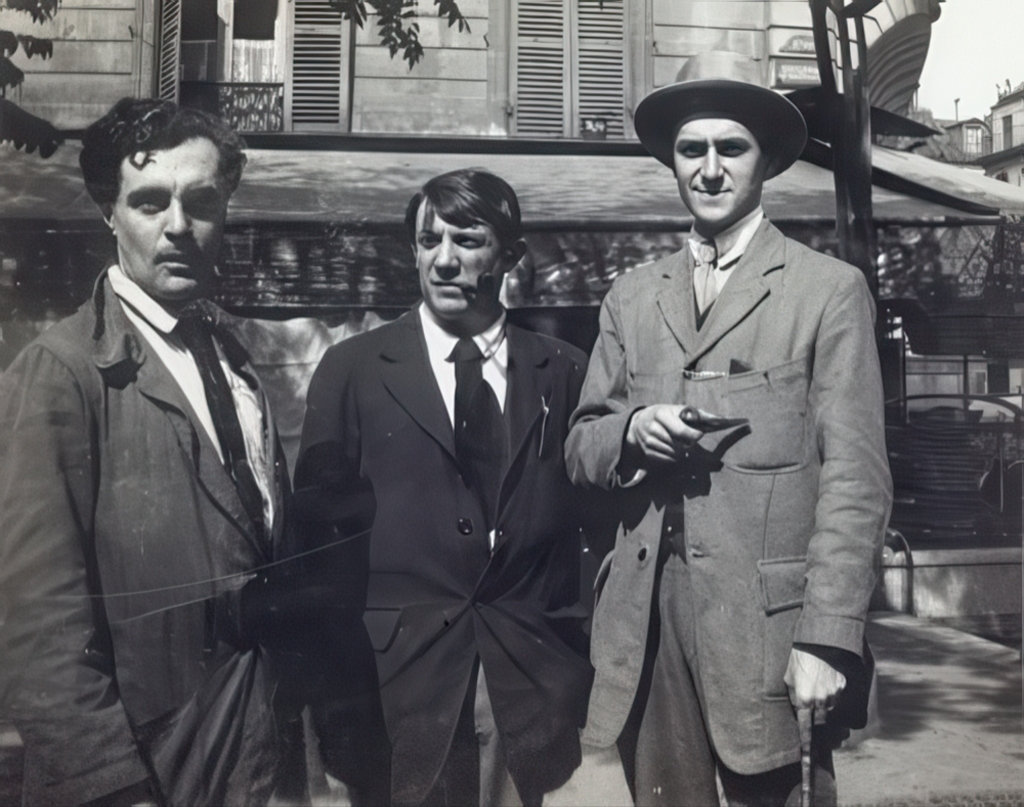
Amedeo Modigliani by an unknown photographer
Modigliani vs Picasso
Although Amedeo Modigliani and Pablo Picasso moved within the same Parisian circles, their artistic methods were very different. Indeed, Picasso eventually got frustrated with his friend, and they diverged from that point onwards. If we compare Modigliani versus Picasso we find that Picasso treated style as something to be dismantled and rebuilt. Modigliani, however, sought a smooth, continuous flow of line or form.
Therefore, we would see Picasso break and fracture the body into different pieces, and slowly piece them together. Cubism could be one example of this. Modigliani adapted reality, elongating and blanking out elements, but pushing towards an emotional setting. There were, however, some similarities - of course, they were modern-thinking artists, though also inspired by classic African art, including masks and sculpture.
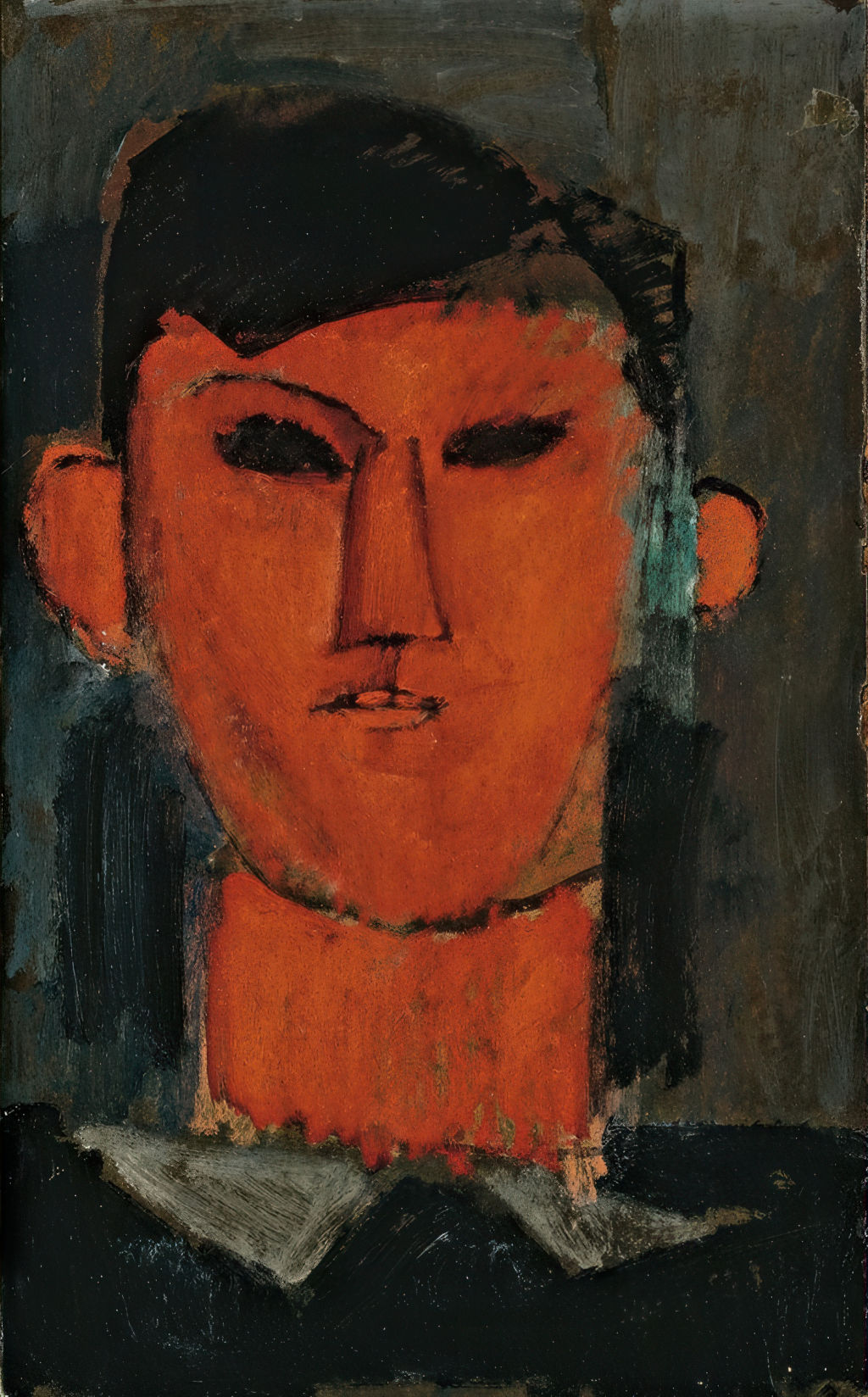
Portrait of Pablo Picasso Amedeo Modigliani
Modigliani vs Soutine
Chaim Soutine, a fellow Jewish émigré artist in Paris, represents almost the opposite emotional pole to Modigliani. Soutine produced violent, shocking art whilst his friend Amedeo focused on portraits of women from their local region of Paris. Both considered psychological impact and emotions, but delivered them in very different ways.
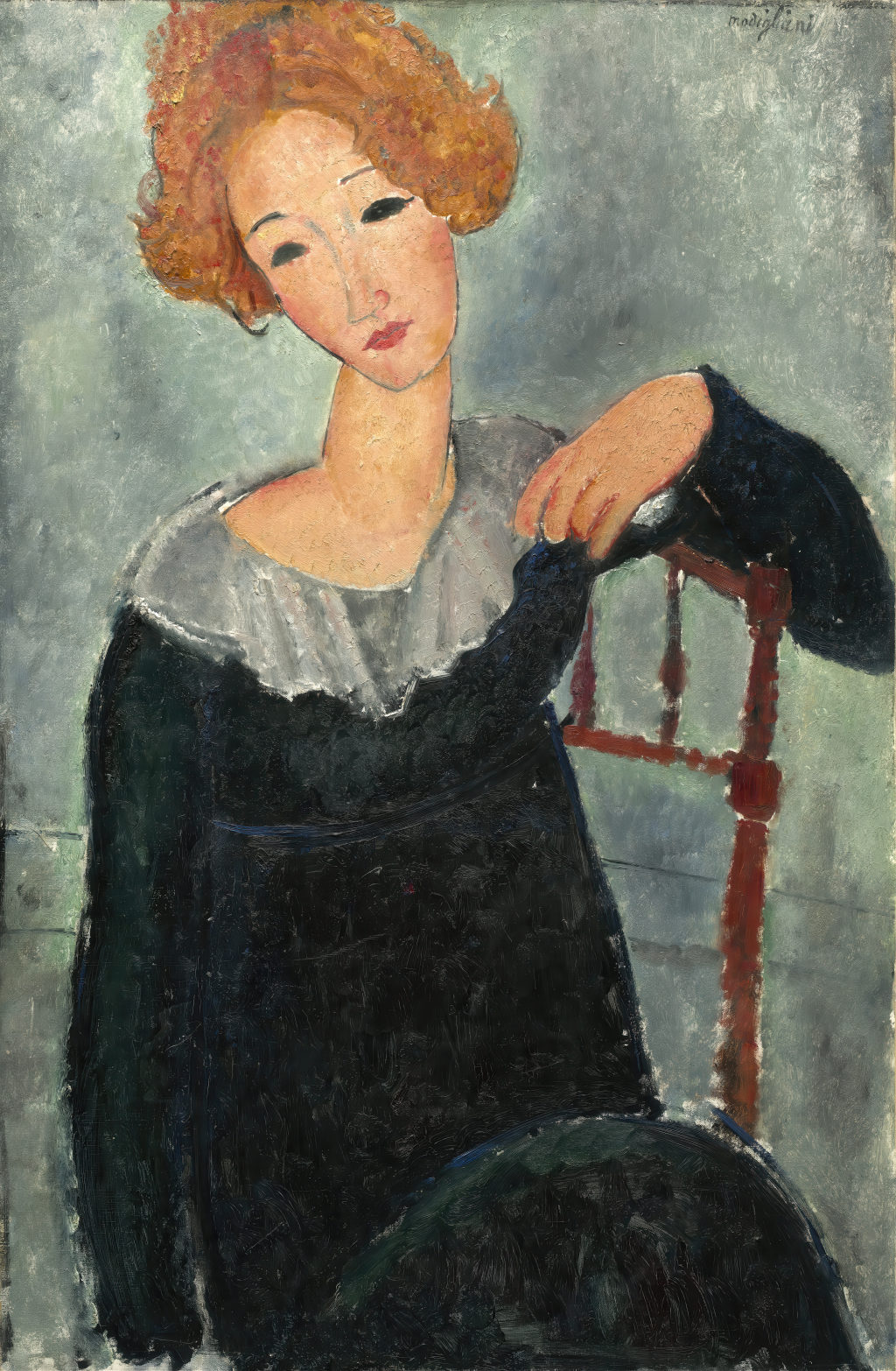
Soutine was an unusual personality, mentally on the fringes of society, and this was reflected in his work. His work twists, excites and shocks, creating anguish at every step. Modigliani provides more of a calmess, with flowing line constructing form. Any emotion was internal, reflective, with no intention to provoke strong reactions in the viewer, even though they sometimes did.
Modigliani vs Brancusi
Modigliani was, of course, also an impressive sculptor. But how did he first get introduced to this artistic discipline? Brancusi encouraged Modigliani's turn toward sculpture around 1909. Both artists shared a fascination with archaic forms, non-Western art, and the idea of timeless beauty. Yet their conclusions were different.
Modigliani reduced details in his sculptures, impacted by African masks, but he did not creep into the realms of pure abstraction, where as Brancusi would do. It is quite possible that Modigliani's lack of stylistic development in sculpture was simply because he spent a shorter amount of time in this discipline and therefore did not have the time to evolve.
One can argue that Brancusi just went one step further, aided by his devotion entirely to sculpture - stripping form to its essence until representation nearly vanished. His sculptures aimed to transcend the human figure entirely. Modigliani was forced to return to painting as the heavy work of sculpture was too much for his declining health to bare.
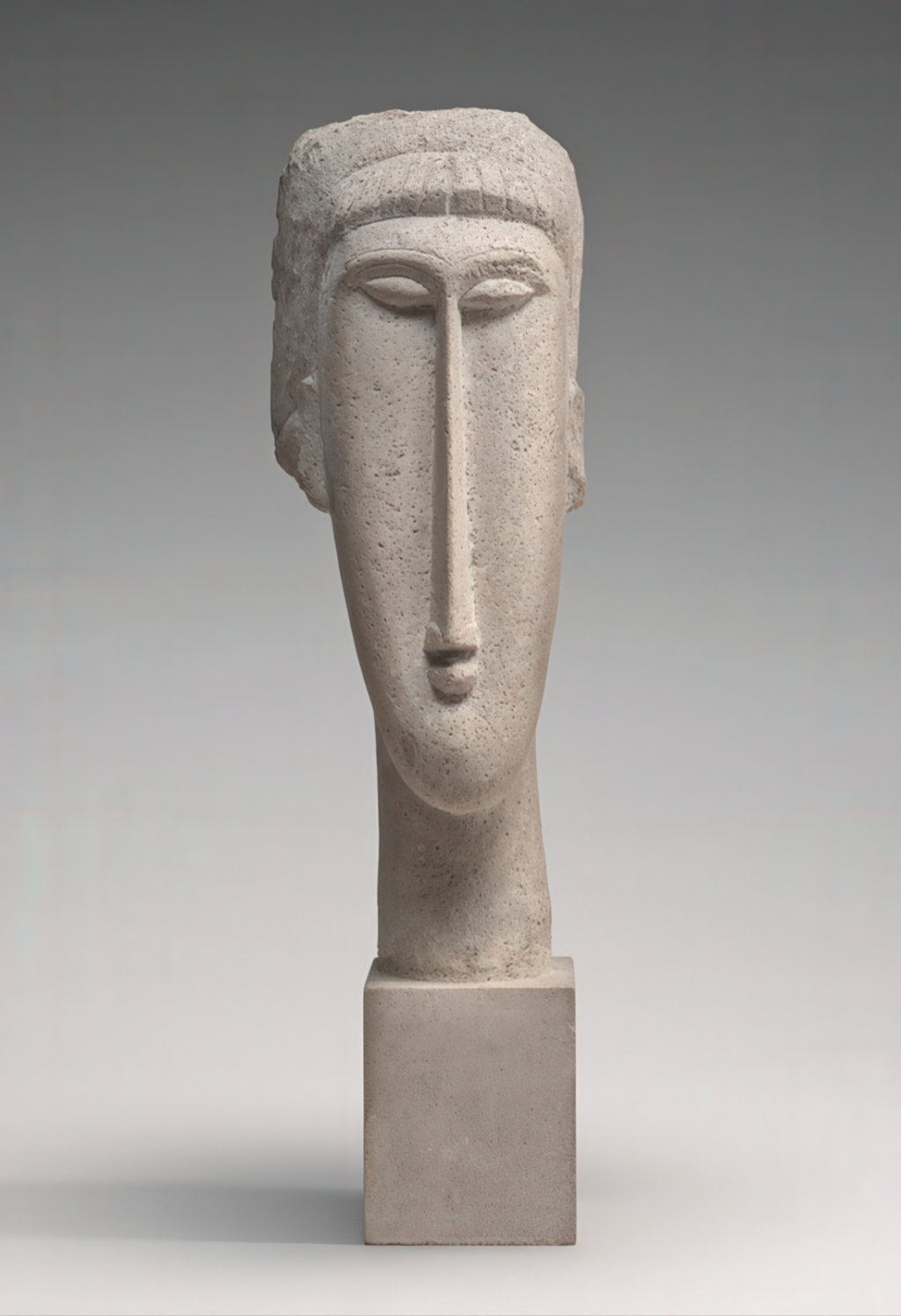
Head of a Woman, Amedeo Modigliani
Modigliani vs Egon Schiele
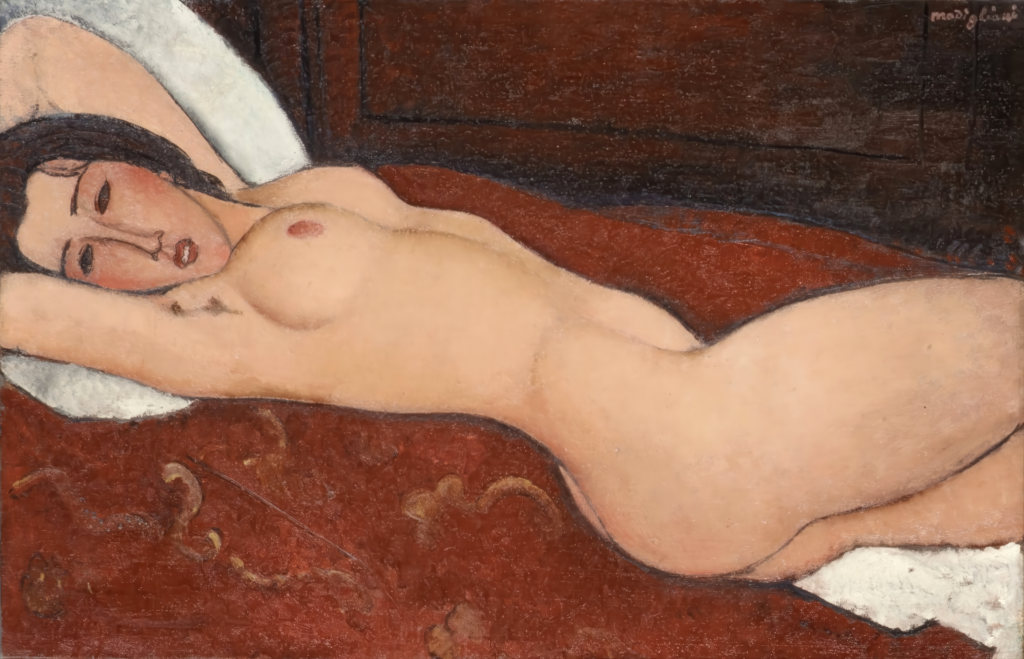
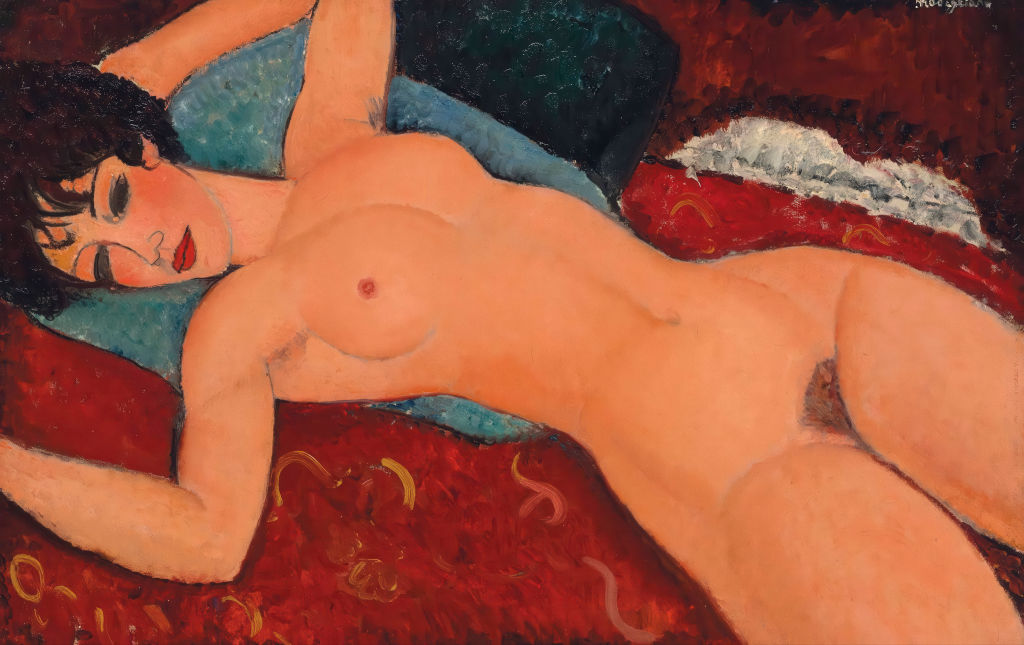
Many compare Schiele with Modigliani because of their love for nude paintings, and their expressive, unique approaches to style. Schiele emphasised vulnerability and tension, whilst Modigliani did not desire the same levels of confrontation. Schiele's certainly brought about a greater intensity, shocking more and even more controversial than Modigliani's.
In terms of similarities, their use of line was highly skilled. Bold outlines, but Modigliani went for comfortable, relaxed postures. He was connected to many of his muses and treated them respectfully, despite his own issues in his life. Schiele was not as connected to the French art scene, worked separately with influences from Austria and Germany. helping him to develop a different palette, style and compositional method.
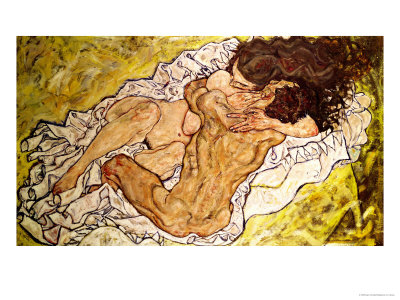
Embrace, Egon Schiele
Modigliani vs Ingres
Jean-Auguste-Dominique Ingres may seem an unlikely comparison, yet his influence on Modigliani is common knowledge. Ingres' elongated figures — especially in works like La Grande Odalisque — prioritise elegance over anatomical accuracy. Modigliani inherits this principle but strips it of academic polish, as was his way throughout his career.
Modigliani also pulled his muses closer and closer to the viewer, even cropping elements of their body and other background details. He also avoided the same levels of detail, simplifying but without moving into abstraction. He married the new and old perfectly. He therefore is neither avant-garde nor conservative, but suspended between eras, taking many of their best qualities.
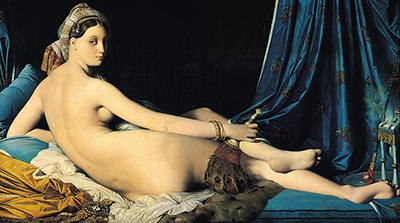
Grande Odalisque, Jean-Auguste-Dominique Ingres
Modigliani vs Cézanne
For many, Paul Cezanne was the father of Modern Art. His influence on 20th century artists cannot be overstated. But how he does compare to Modigliani, in style, technique and impact? Many of Modigliani's contemporaries were closely tied to the Cubism movement, and from this Cezanne's influence is undeniable.
In a similar way to Picasso, Cezanne broke up objects into smaller parts, and then re-arranged and re-constructed them. Modigliani chose to keep elements together, but elongate them instead, more in tune withEl Greco. They did have some similarities with composition, however, and how they were not constrained in that regard by more classical ideas.
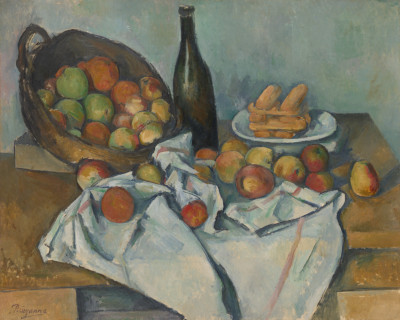
The Basket of Apples, Paul Cezanne
Modigliani vs African and Archaic Art
Like many modern artists, Modigliani was deeply influenced by African, Cycladic, and archaic sculpture. Unlike some, he did not quote these sources overtly. Modigliani came across collections of African art and masks through connections in Paris. They allowed him to study them in detail, and this would become one of the most significant influences on his work.
Naturally, we see this in his sculptures, but many of the ideas then translated into painting once he switched back due to ill-health. He would also bring a spiritual element to his work, perhaps inspired by African art, but not for certain. He was a master of merging different ideas, classical and modern, European and other cultures.
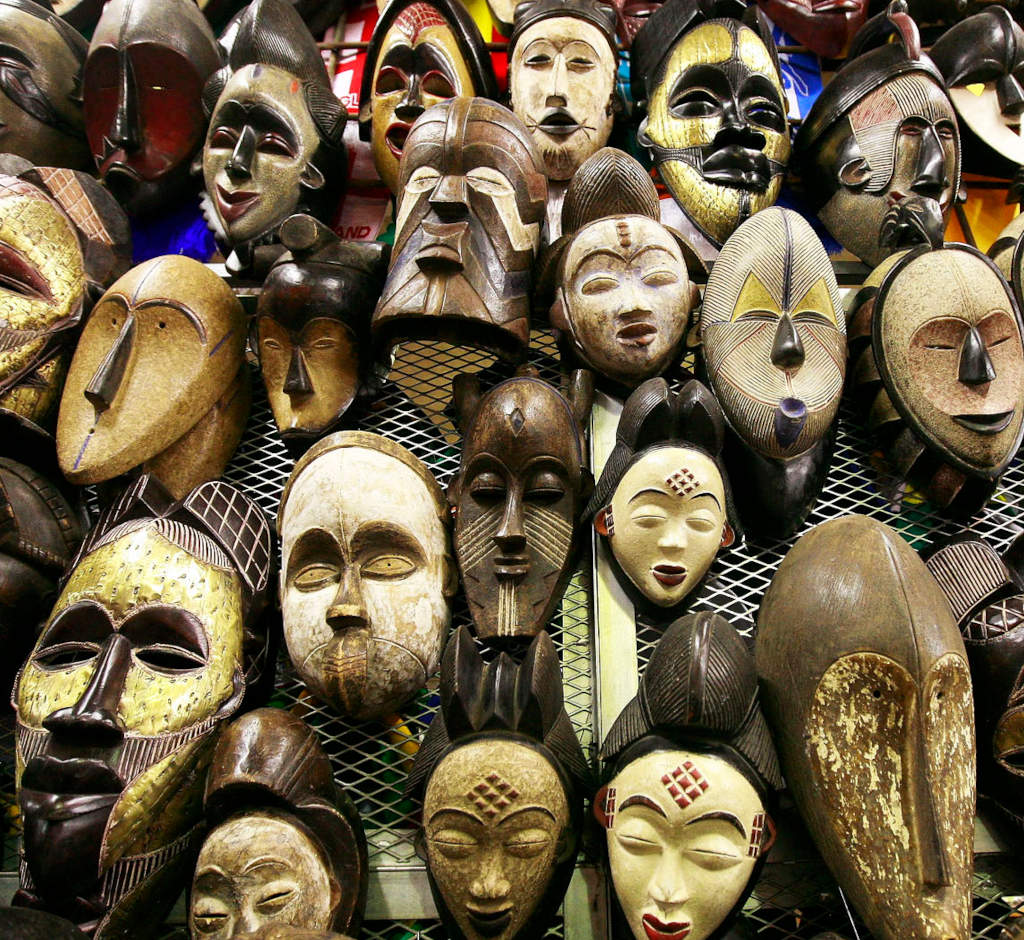
African Masks
Why Modigliani Stands Apart
These comparisons reveal a consistent truth: Modigliani resisted extremes. He rejected Cubist fragmentation, avoided Expressionist violence, and softened classical rigidity. This balance explains why Modigliani's work resonates across audiences — scholars, collectors, and general viewers alike.